9 days in Japan- 6/23- 7/1/2024
| Day
1-Niigata Arrival In Niigata Dinner at Echigo Banya |
Day
2-Niigata Fish Market Downtown/Lunch Dinner at Sushi Arai |
Day
3-Niigata Hakusan Shrine Sake Brewery Tour Lunch/Dinner |
Day
4-Niigata Northern museum Farm Land |
Day
5-Niigata Fukushimagata Walking around Dinner at Ebisudai |
Day
6-Tokyo Dinner at Jomon |
Day
7-Tokyo Arakawa Arakawa Cont. Ginza Dinner at les Copains |
Day
8-Tokyo Yoyogi Park Uneno Park Dinner at Uoshin Golden Gai |
Day
9-Tokyo Metropolitan office |
Day 8-Takeshita Street, Tokyo -6/30/2024
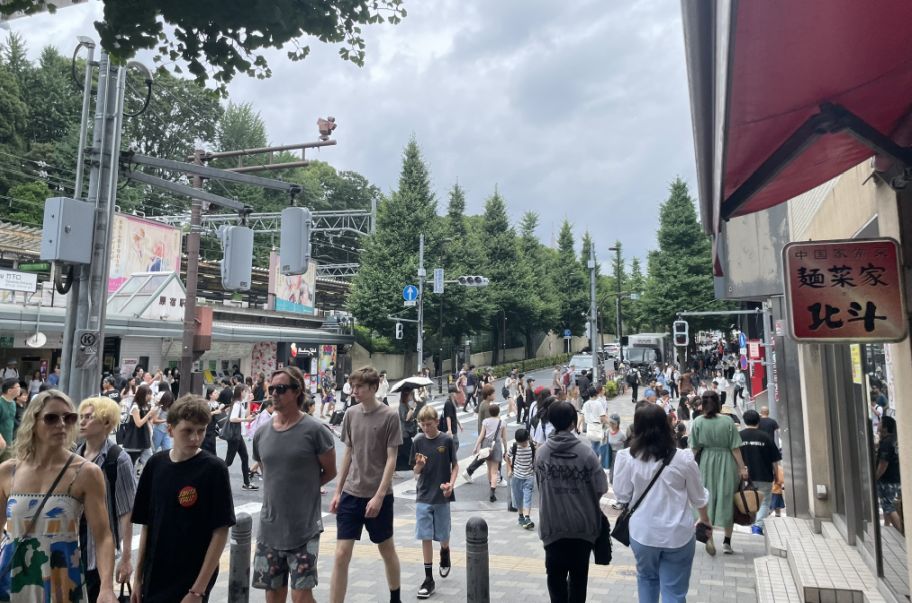
We are now going to Takeshita Street, one of Tokyo’s most famous and crowded pedestrian streets, located in Harajuku, just one stop from Shinjuku and right next to Yoyogi Park and Meiji Shrine.
As soon as we exited the subway station, we were swept into the flow of people moving in the same direction.
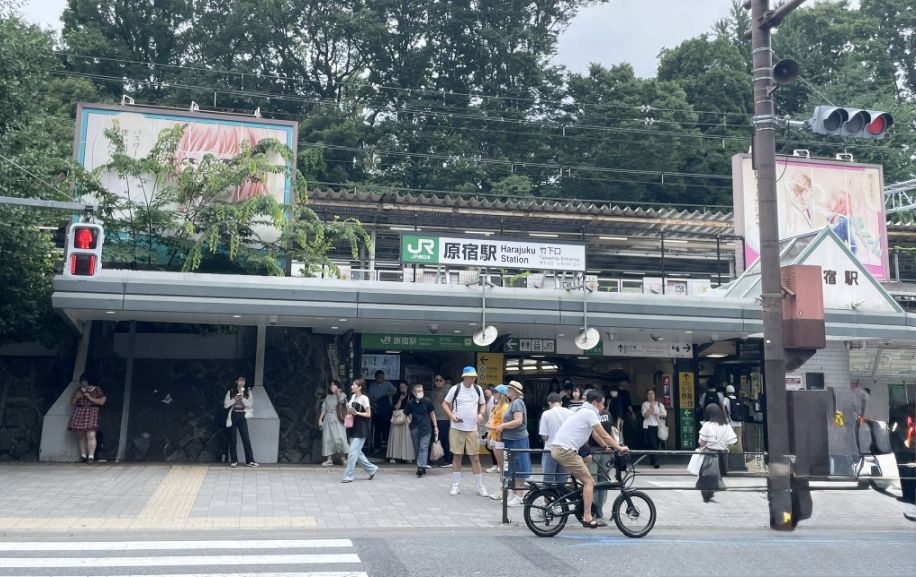
Entrance to the Subway.
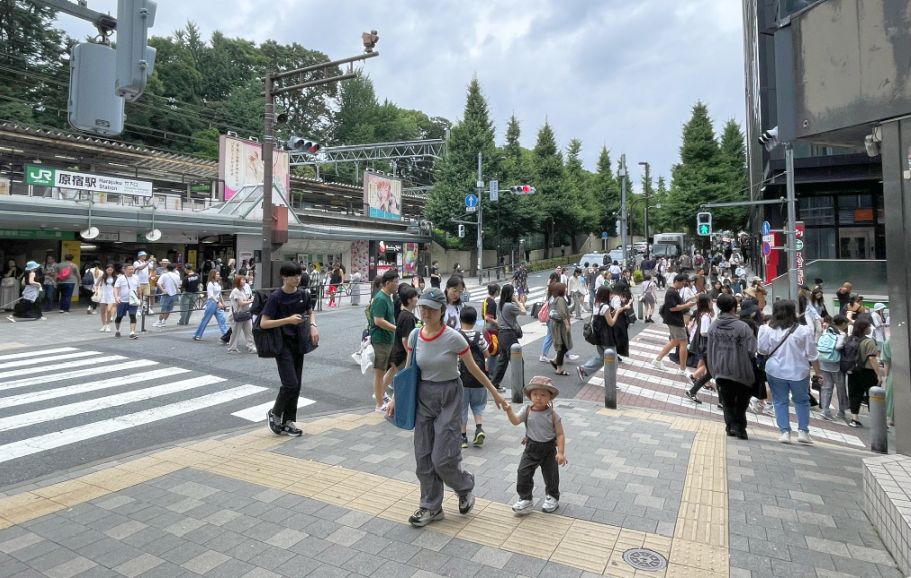
People heading to the entrance to Takeshita Street on the right. The street is slightly elevated at the top and then sloping gently downward like a funnel pulling everyone inside.
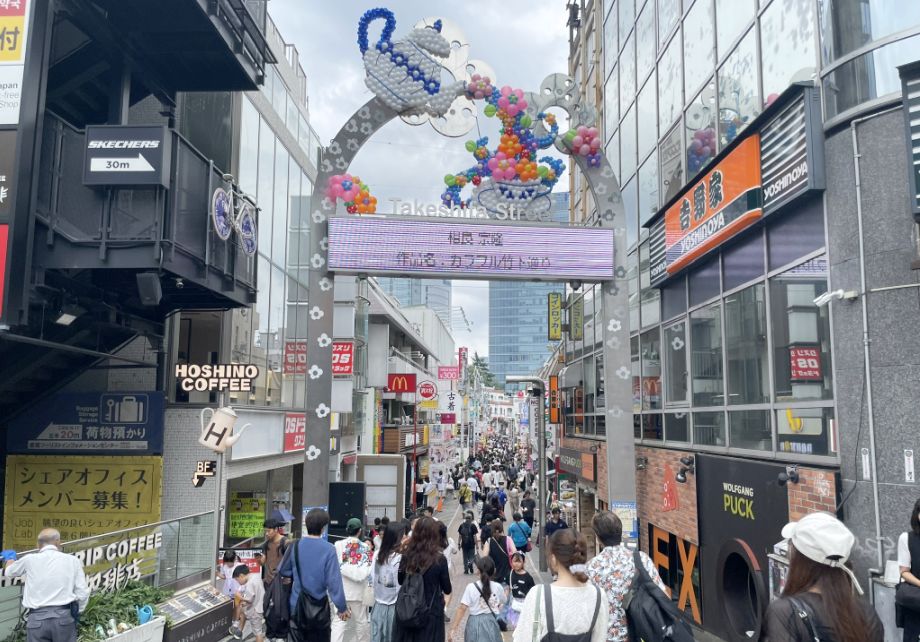
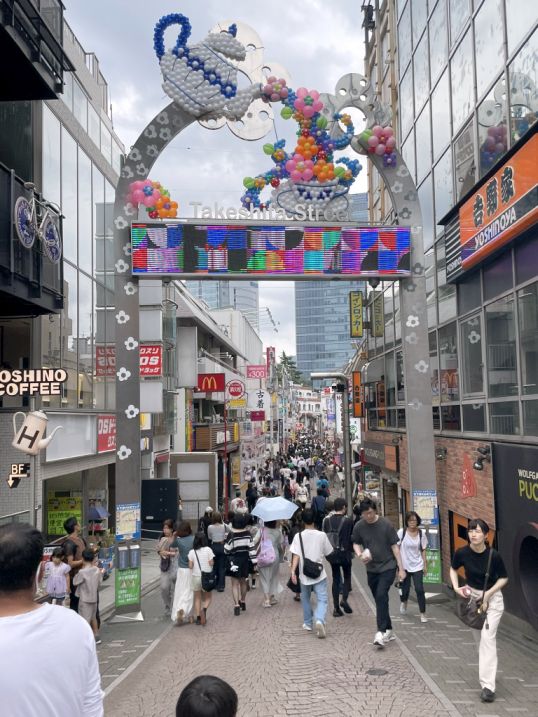
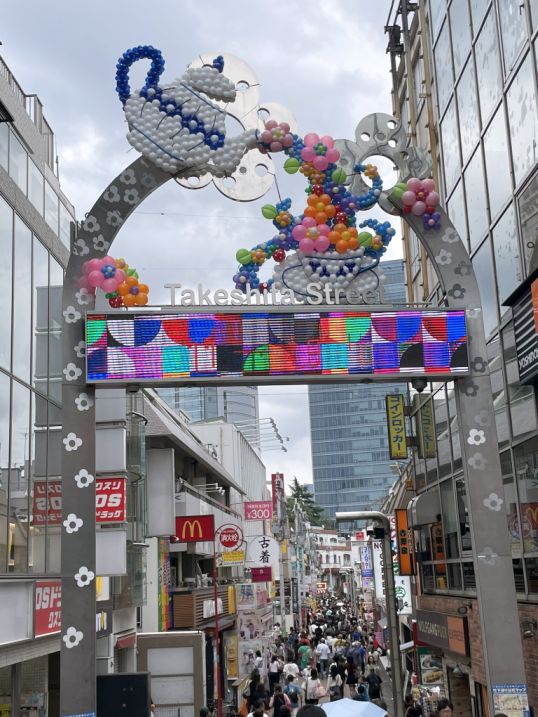
At the entrance stood a colorful gate, playful and impossible to miss. Above it was a giant teapot, white and light blue, tilted as if it were about to pour, surrounded by bright decorative flowers. It felt whimsical, almost like the doorway to a theme park rather than a shopping street. Crowds gathered beneath it, teenagers, tourists, couples, friends, cameras out, laughter everywhere, people adjusting their outfits before stepping in. From there, the street dropped down into a narrow corridor packed with movement, color, music, and life, signaling that we had arrived at the vibrant heart of Harajuku.
 |
 |
Takeshita Street is known as the birthplace of many of Japan’s street-fashion styles, from cute “kawaii” looks to bold cosplay, gothic, punk, and colorful layered outfits. Young people come here not just to shop, but to be seen. On weekends especially, it feels like a moving fashion show.
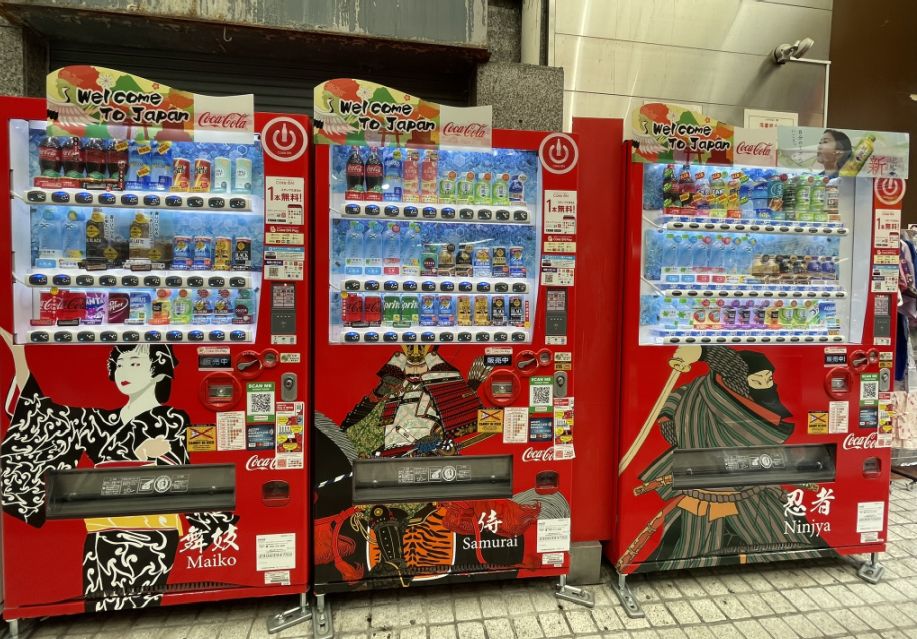
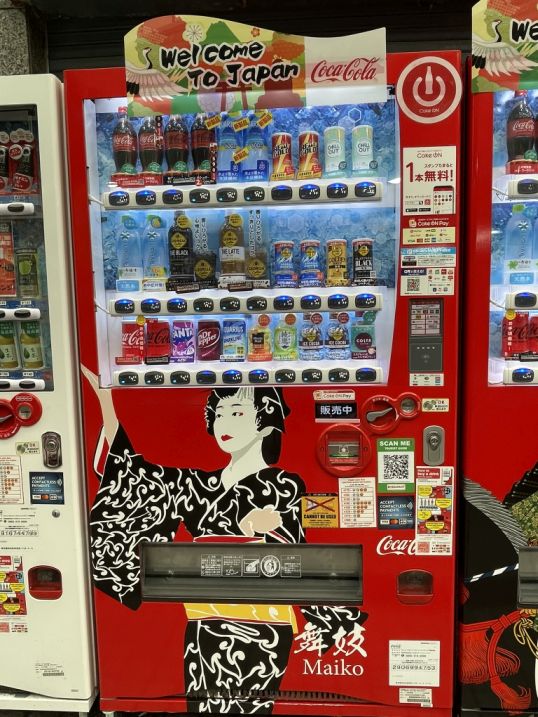
Just inside Takeshita Street, we noticed three bright red vending machines standing side by side, decorated like pop-art panels of Japan’s past. Each one featured a bold illustration: a maiko (apprentice geisha) in full makeup and kimono, a stern samurai in armor, and a masked ninja frozen mid-pose. Under each image, the title was printed simply in red: Maiko, Samurai, Ninja.
 |
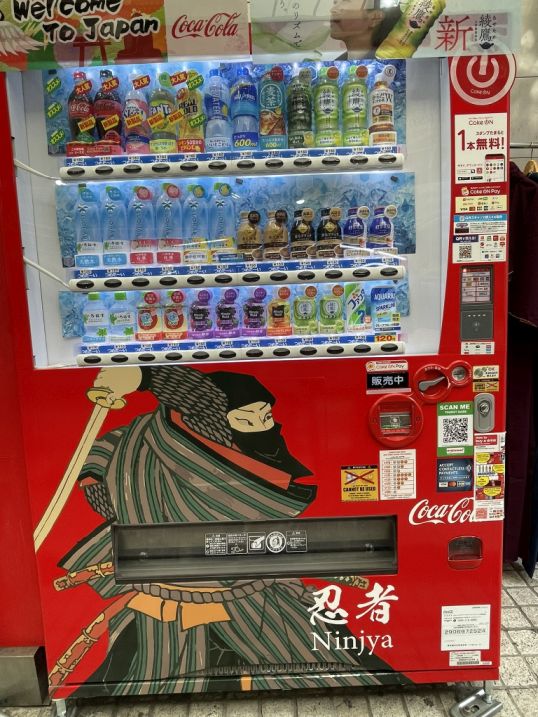 |
They were more than just places to buy a drink; they felt like playful street art. In a neighborhood famous for youth culture and fashion experiments, these machines blended tradition with modern Tokyo humor, ancient icons turned into colorful, everyday objects. People stopped to take photos almost as often as they stopped to buy a bottle, and for a moment, even vending machines became part of Harajuku’s creative spectacle.
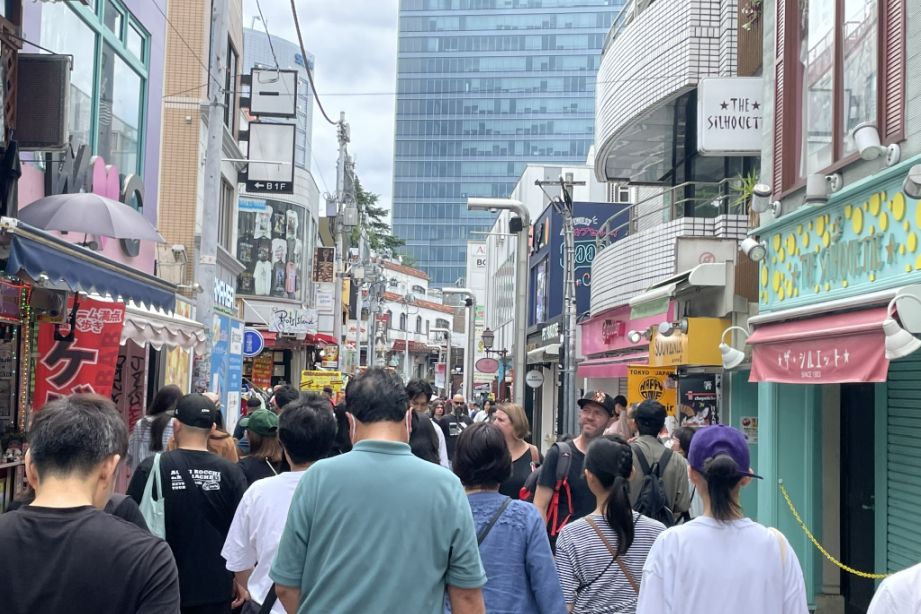
Takeshita Street quickly became a river of people, locals and tourists moving shoulder to shoulder between neon signs and tiny storefronts. Music spilled out from every direction, mixing with laughter and the clatter of footsteps on the pavement.
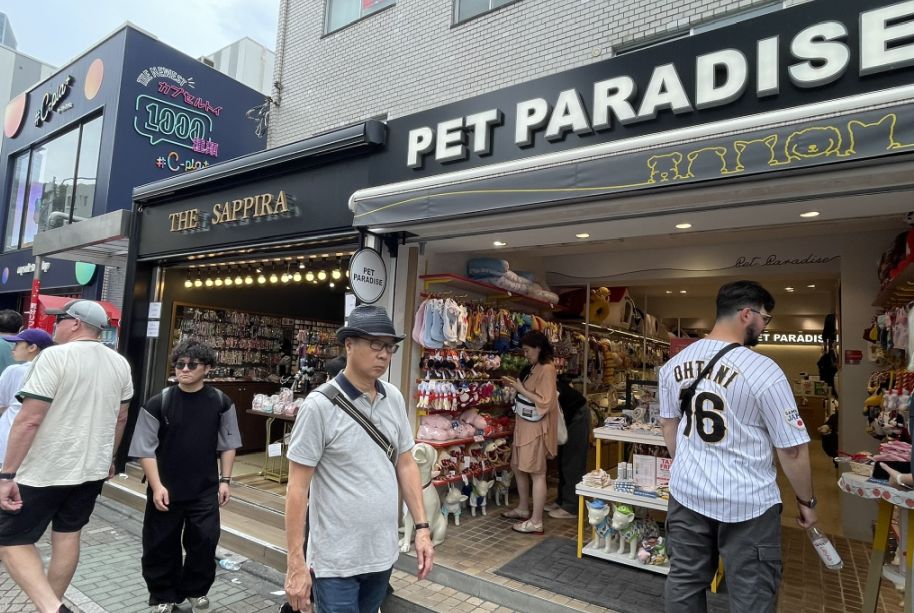
We passed Pet Paradise, its windows bursting with colorful accessories for Pets, then Sappira, where I paused to browse rows of hair accessories and styling tools, pretty, but nothing quite called out to me.
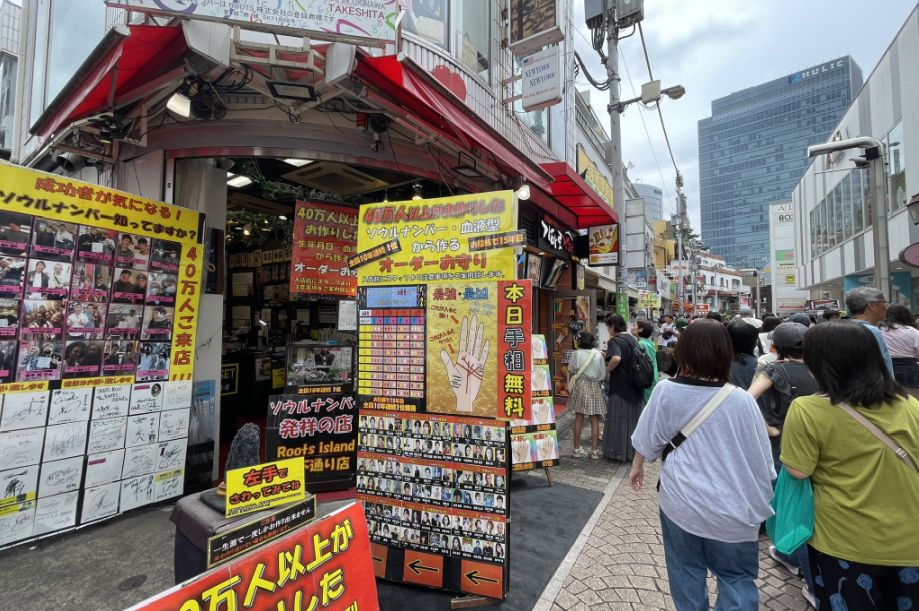
Farther along, a huge wall panel caught my eye: a giant hand covered in intricate lines, like a palm blown up to poster size, advertising a palm-reading or horoscope shop. It felt slightly mysterious, wedged between all the sweetness and pop colors of the street.
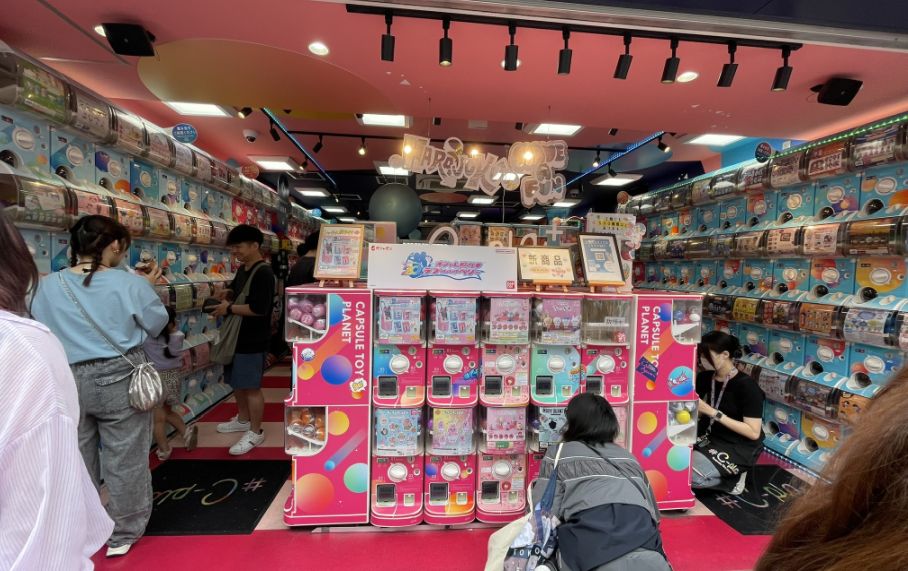
Just a few steps later, the mood flipped back to playful again at Capsule Toy Planet. The storefront was packed with rows and rows of gacha machines, their clear domes glowing with tiny figures, animals, food miniatures, and anime characters.
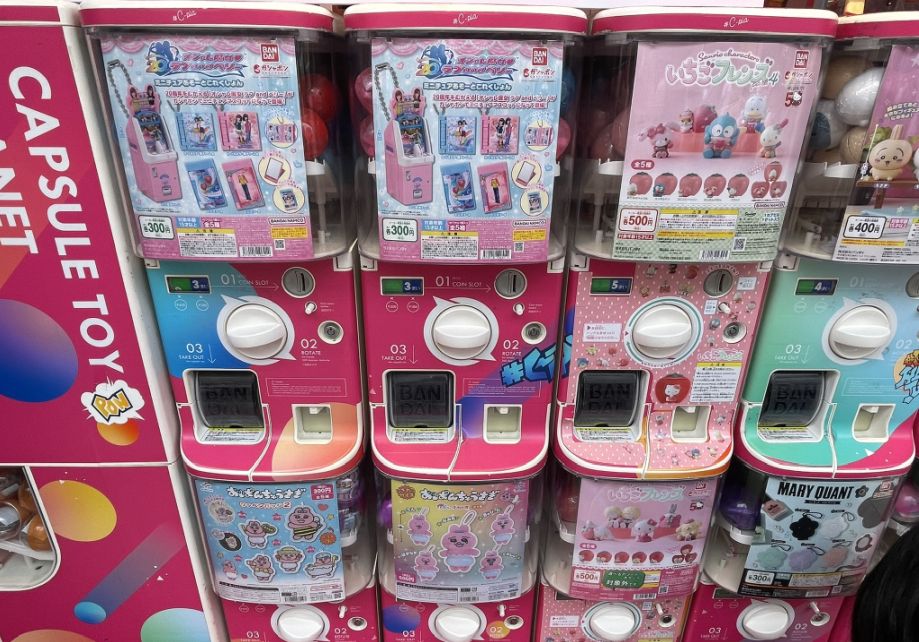
Coins clinked, machines rattled, and people crouched in front of them with the concentration of treasure hunters, hoping for the one capsule they wanted most.
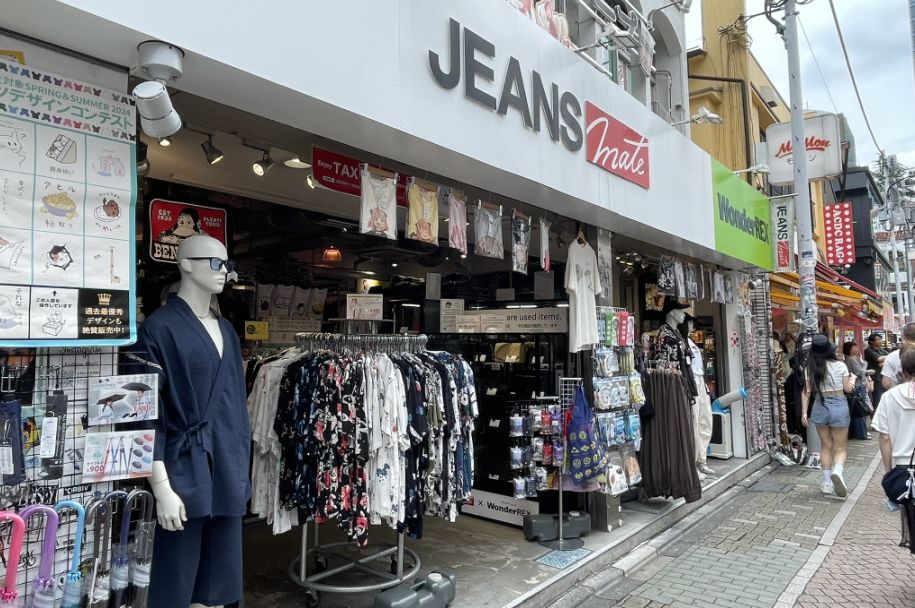
Hawaiin shirts...
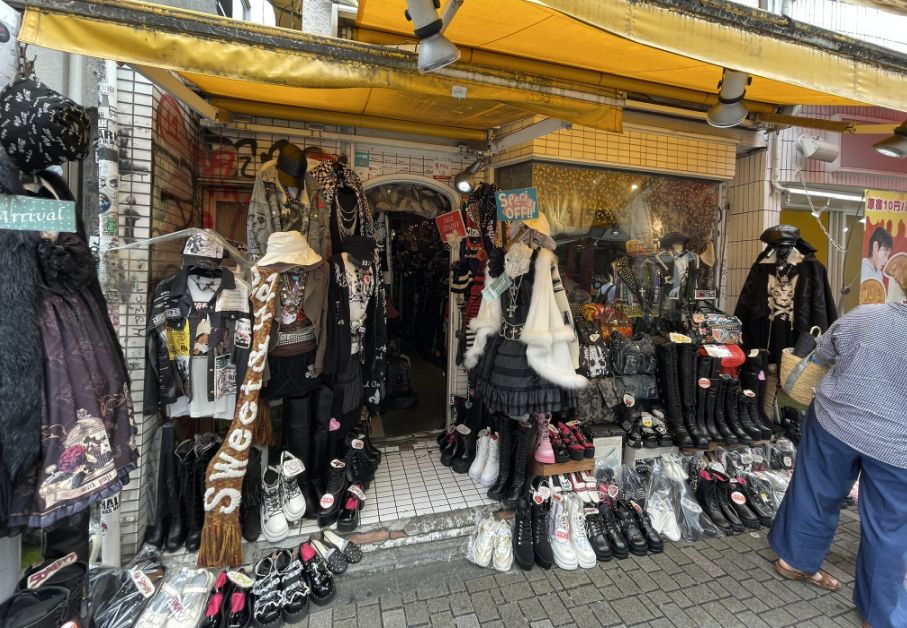
A store selling avant guard clothes.
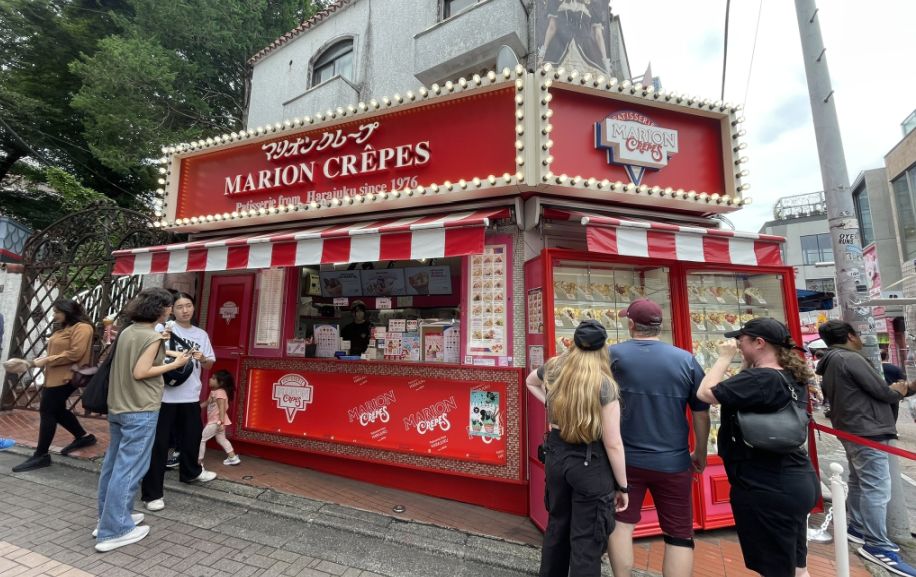
A few steps later we passed Marion Crêpes, one of the most famous stops on Takeshita Street.
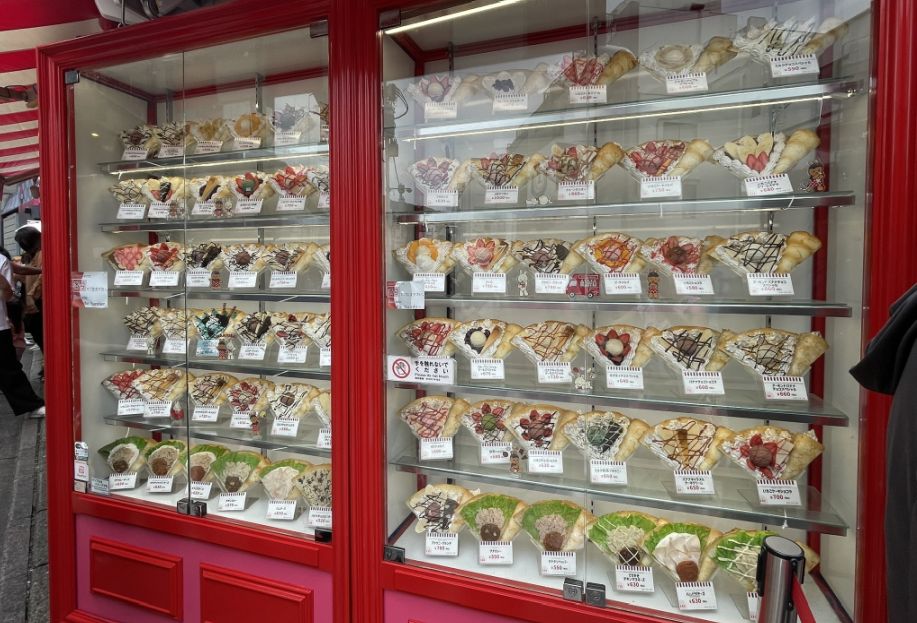
I slowed down to look at the side window, where dozens of plastic crepes were displayed like artwork, strawberries and whipped cream piled high, chocolate sauce dripping over bananas, matcha, cheesecake, custard, even savory ones wrapped in paper cones. The display alone was enough to make me hungry.
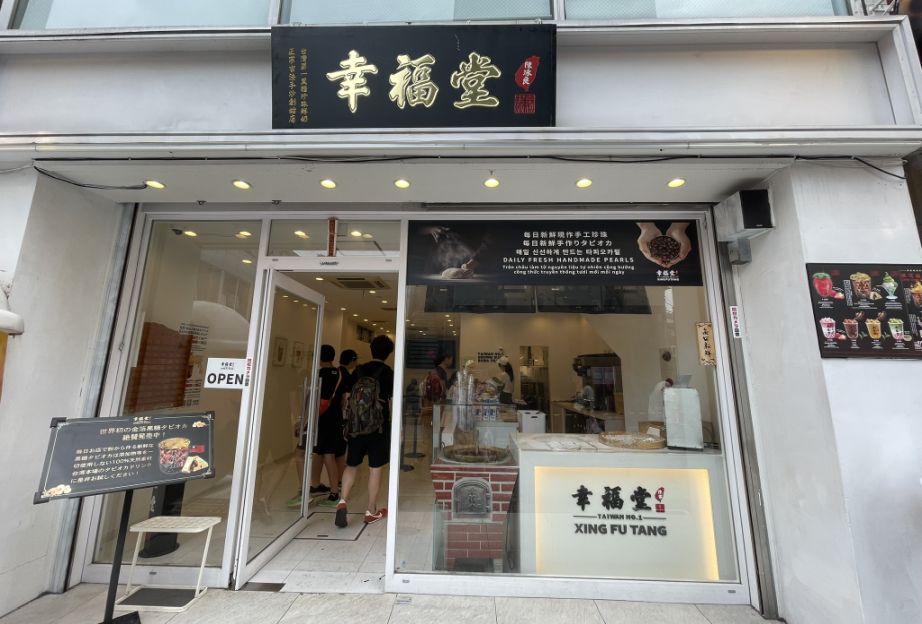
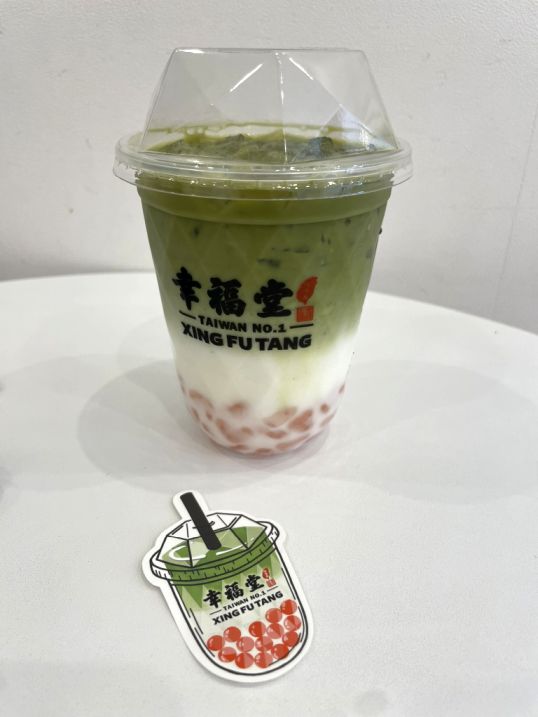
Not far from there, we stopped at Xing Fu Tang for a drink.
 |
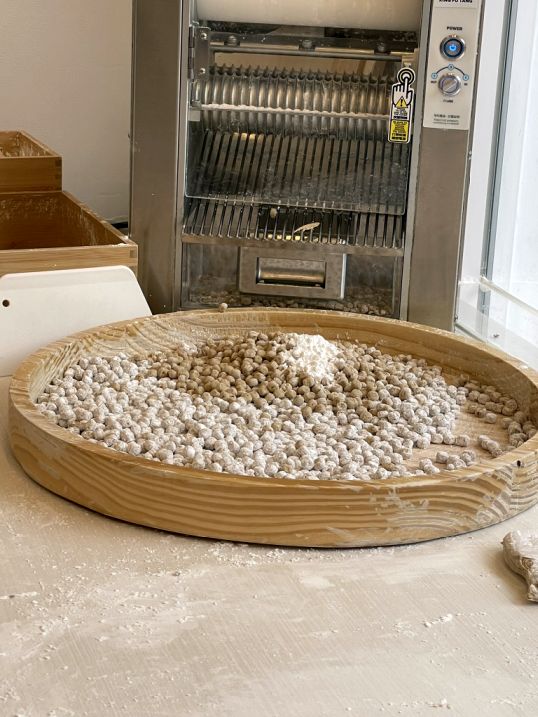 |
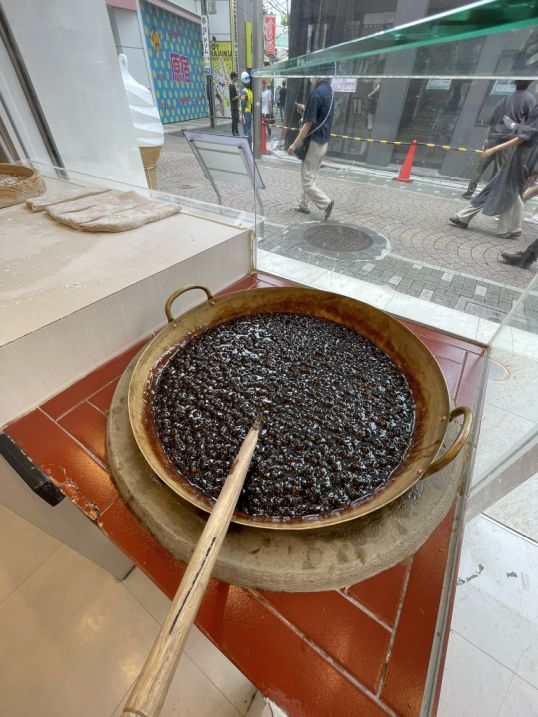
In front of the shop, a copper-colored metal wok sat over a burner, filled with glossy black tapioca pearls slowly bubbling in dark brown sugar syrup. Next to it were small rounds of pale dough and, on a wooden tray, neat rows of uncooked boba waiting their turn. Everything was made right there in front of us, warm, fragrant, and hypnotic to watch.
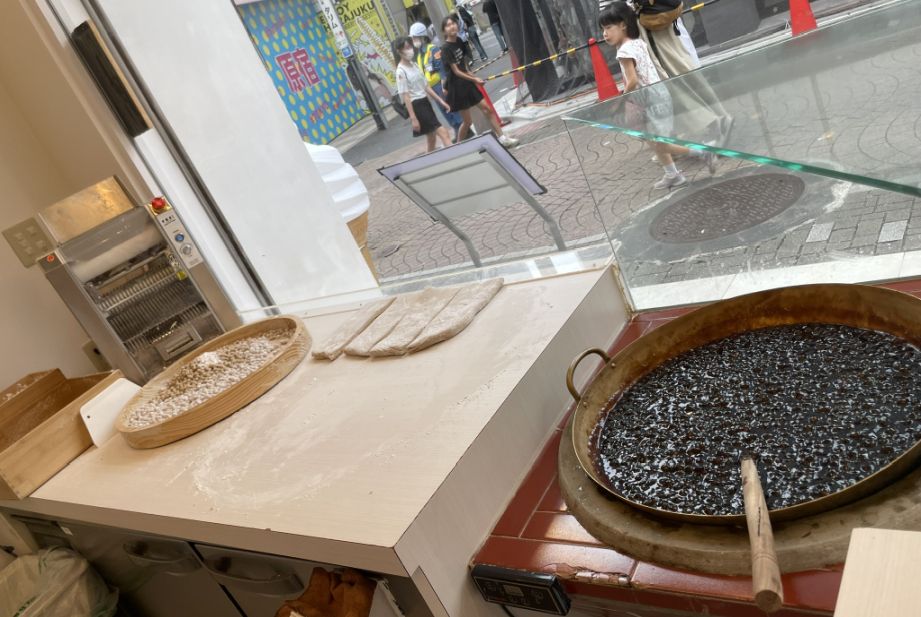
The front of the store with the boba cooking in the wok.
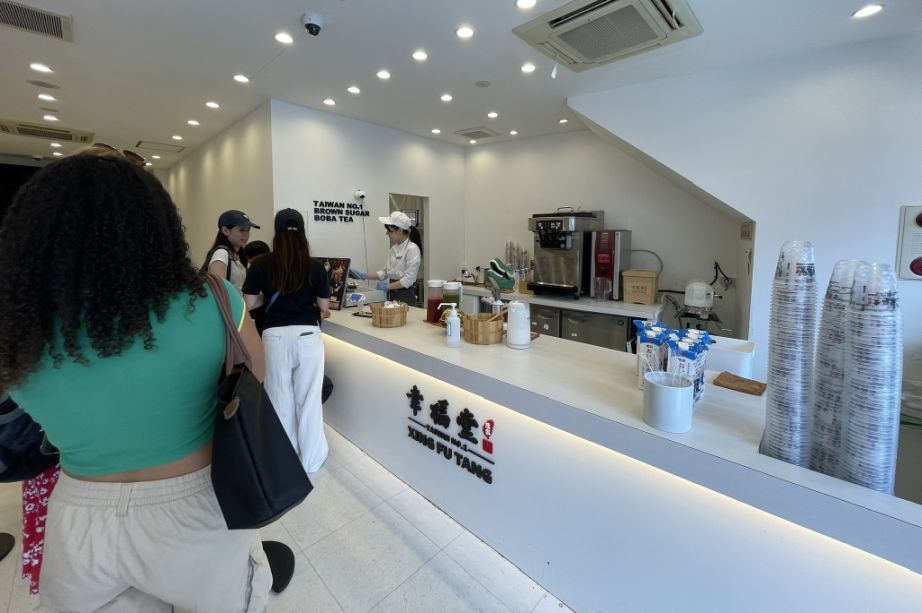
Staying in line to order our drink.
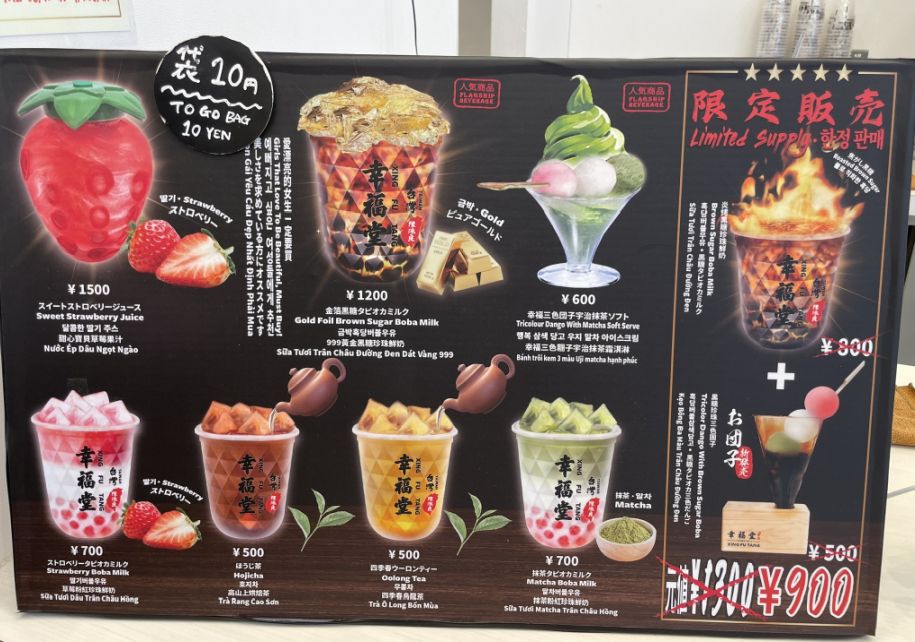
So many choices...
 |
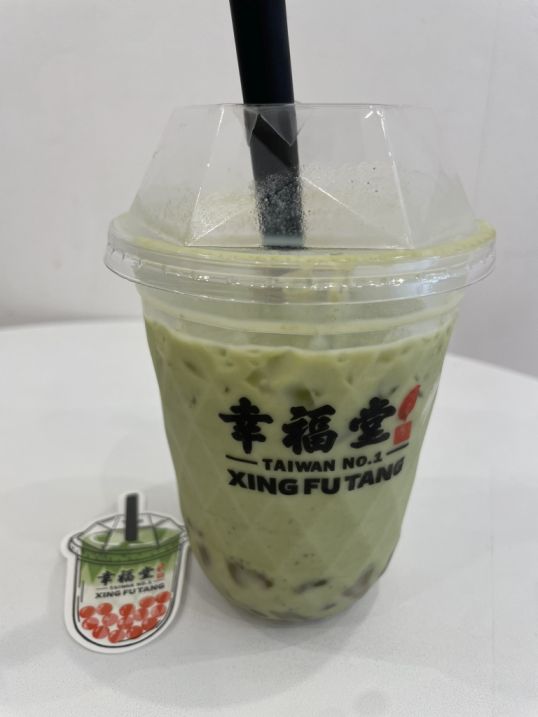 |
We ordered green tea with fresh boba, and within minutes were holding our cups, the pearls still soft and slightly warm at the bottom. Standing in the middle of the crowded street, surrounded by noise, color, and movement, that first sip felt both refreshing and comforting, sweet, earthy, and perfectly Tokyo.
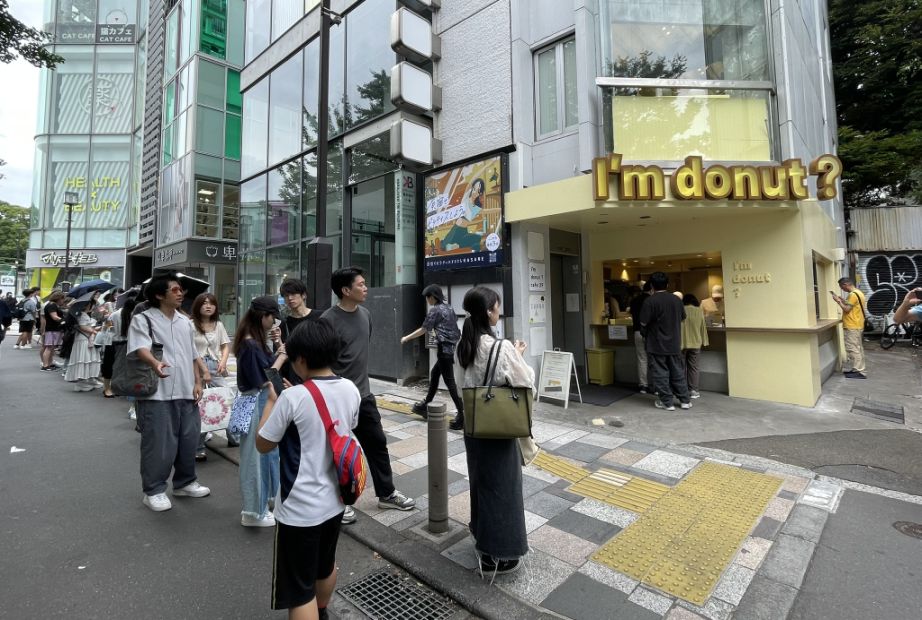
Toward the end of Takeshita Street, we saw a long line stretching down the sidewalk in front of a small, minimalist shop called “I’m donut ?”. At first glance it looked simple, but the crowd said everything.
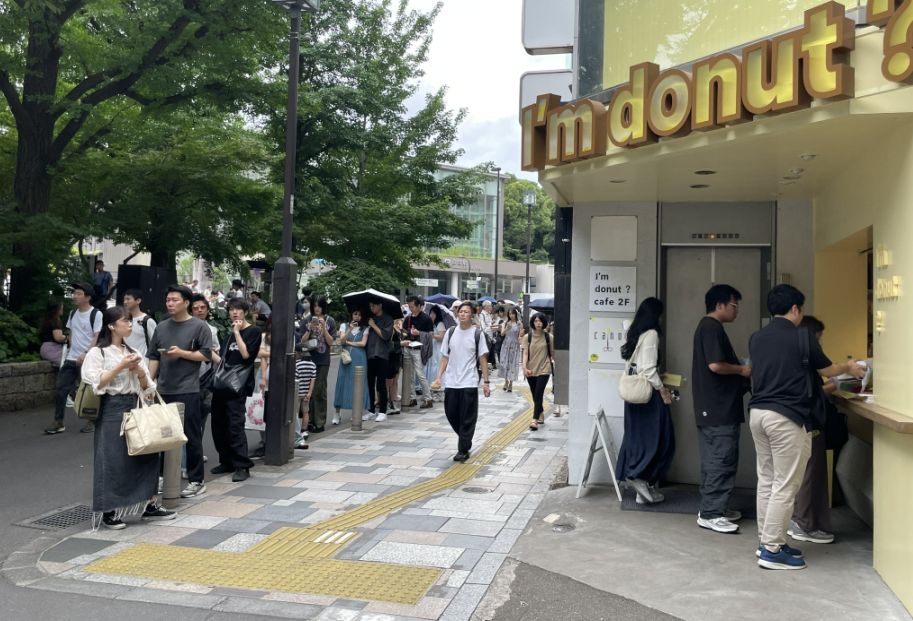
This is one of Tokyo’s trendiest donut shops, known for its unbelievably soft, fluffy, almost brioche-like donuts with creative fillings like pistachio cream, matcha, and rich custard. It started in Fukuoka and quickly became a social-media sensation in Tokyo, so queues are part of the experience. We didn’t stop, but just seeing the line was enough to know how popular it is.
NEXT... Day 8- Ueno Park