9 days in Japan- 6/23- 7/1/2024
| Day
1-Niigata Arrival In Niigata Dinner at Echigo Banya |
Day
2-Niigata Fish Market Downtown/Lunch Dinner at Sushi Arai |
Day
3-Niigata Hakusan Shrine Sake Brewery Tour Lunch/Dinner |
Day
4-Niigata Northern museum Farm Land |
Day
5-Niigata Fukushimagata Walking around Dinner at Ebisudai |
Day
6-Tokyo Dinner at Jomon |
Day
7-Tokyo Arakawa Arakawa Cont. Ginza Dinner at les Copains |
Day
8-Tokyo Yoyogi Park Uneno Park Dinner at Uoshin Golden Gai |
Day
9-Tokyo Metropolitan office |
Day 8-Golden Gai, Tokyo -6/30/2024
After dinner we walked back to hotel and our way we passed by Golden Gai, a tiny neighborhood inside the Kabukicho district which is a large entertainment district in Shinjuku.
Shinjuku Golden Gai is a historic nightlife district in Tokyo famous for its network of six narrow alleys packed with over 200 tiny, themed bars.
|
|
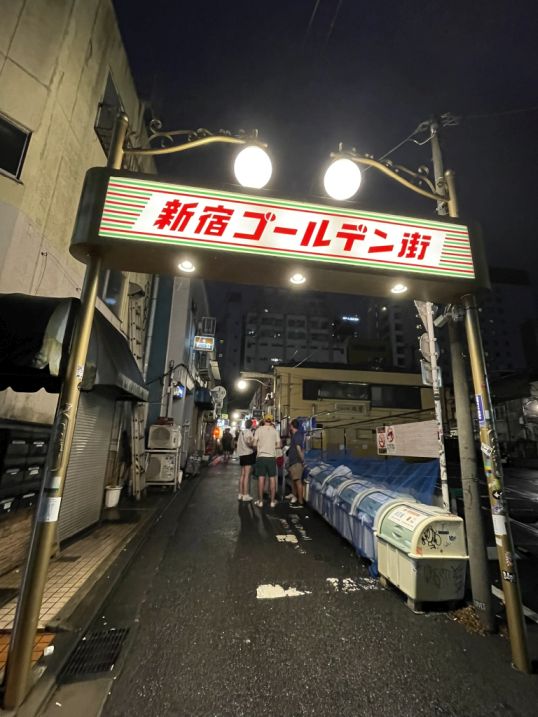
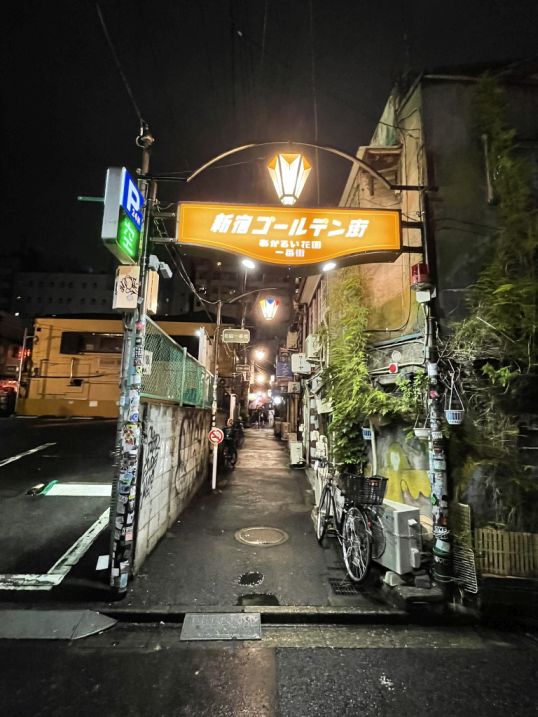
On the left is the iconic gate with the Japanese text on the sign translate literally to "Shinjuku Golden Gai."
 |
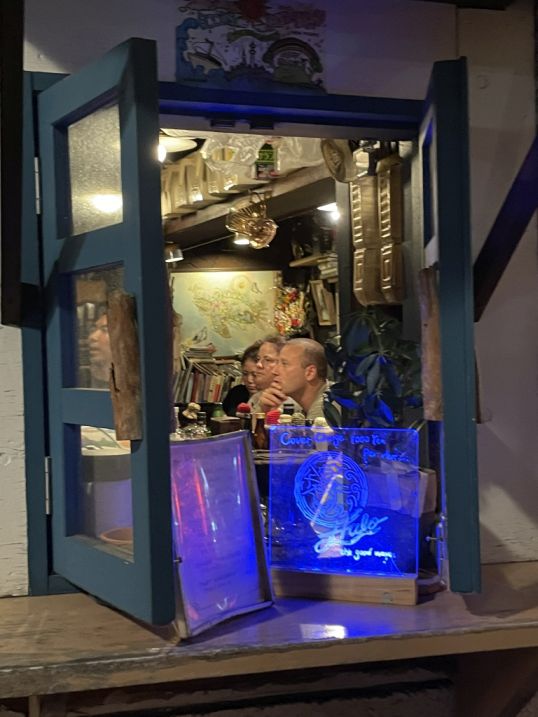 |
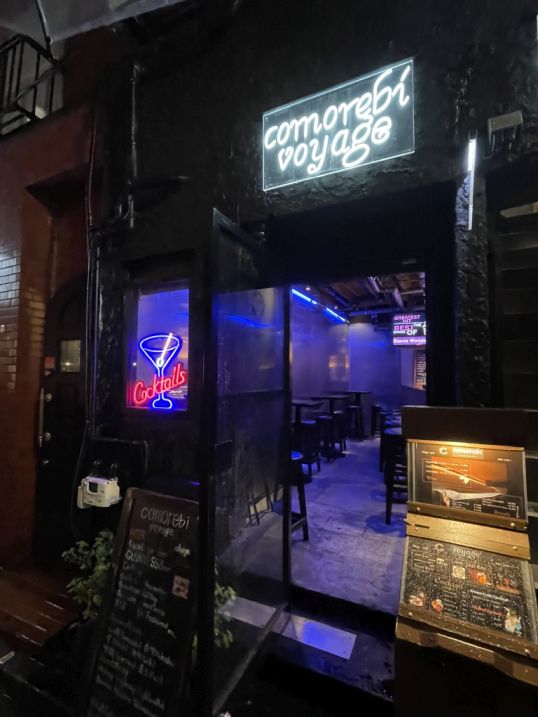
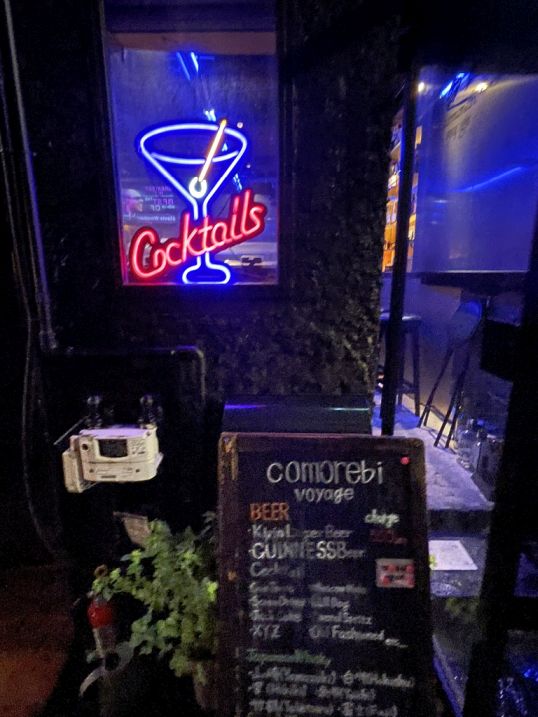
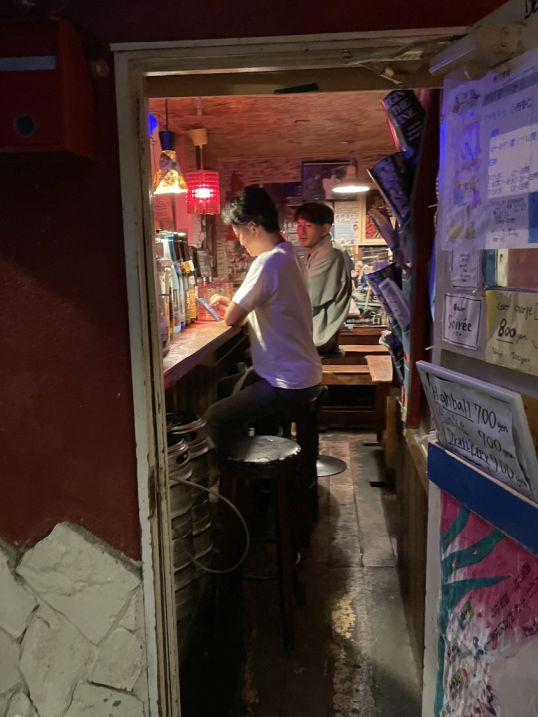
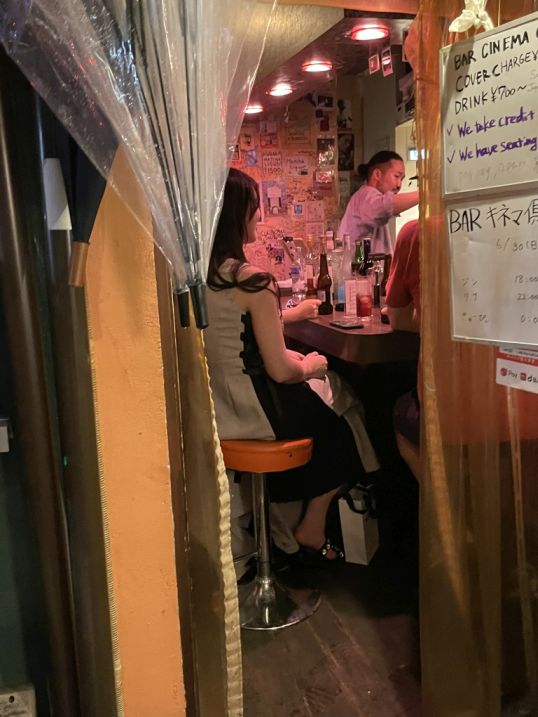
Like the bar on the right, many bars there have a "seating fee" or "cover charge" (usually between ¥500=$3.50 and ¥1,000=$6.50), though many now display signs out front indicating if they are tourist-friendly or have no cover charge.
 |
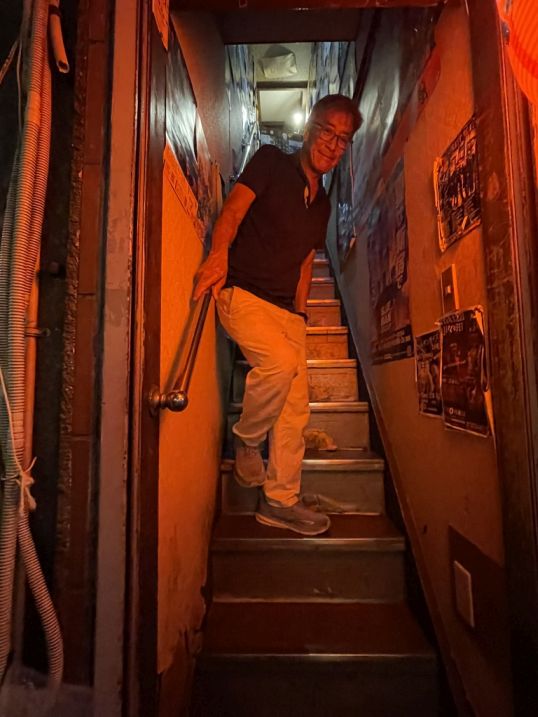 |
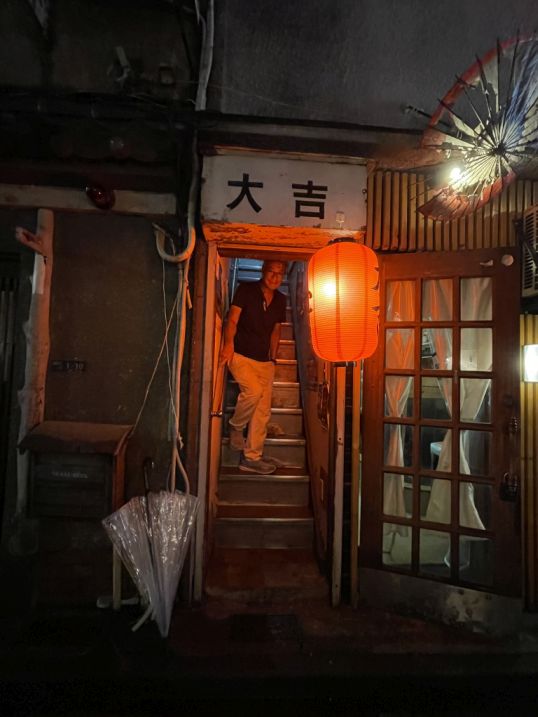
Many buildings have a different bar on each floor, accessed by the cramped, steep staircases.
 |
 |
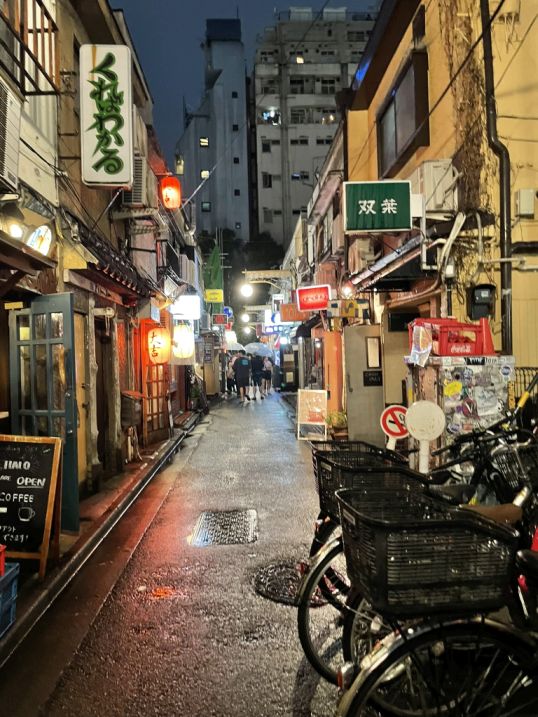
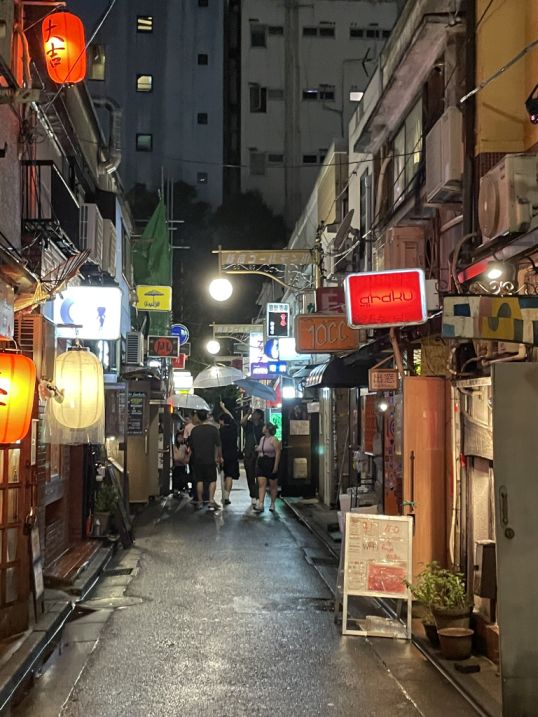
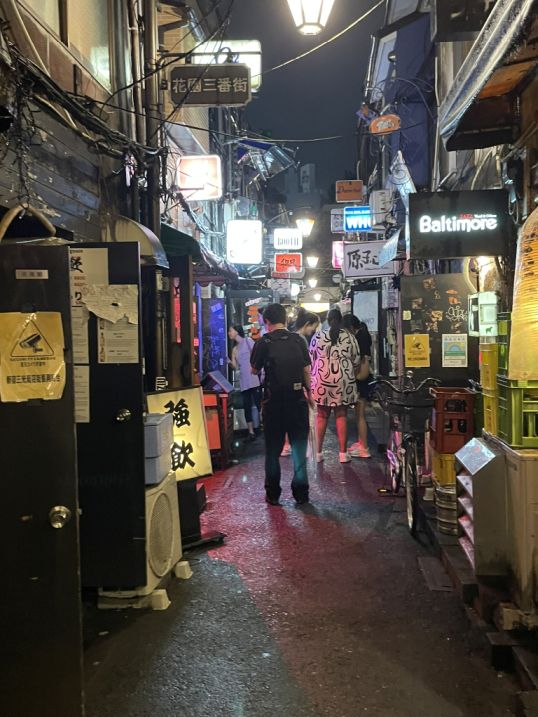
Each alley is like a maze of narrow alleys barely wide enough for two people to pass.
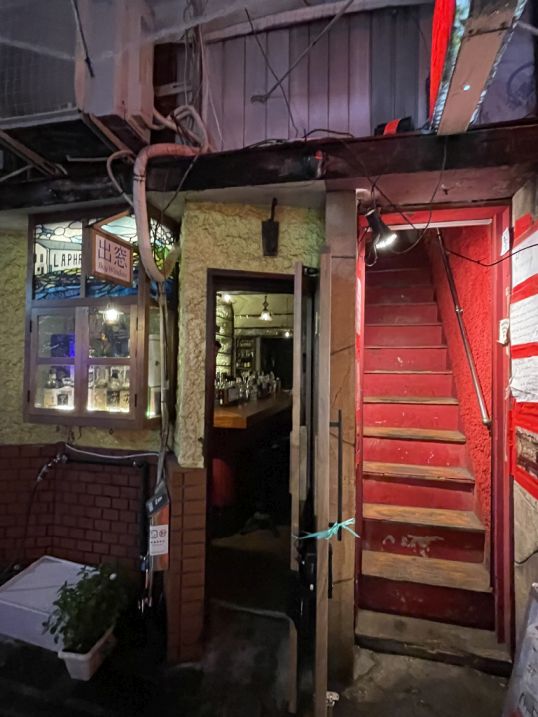 |
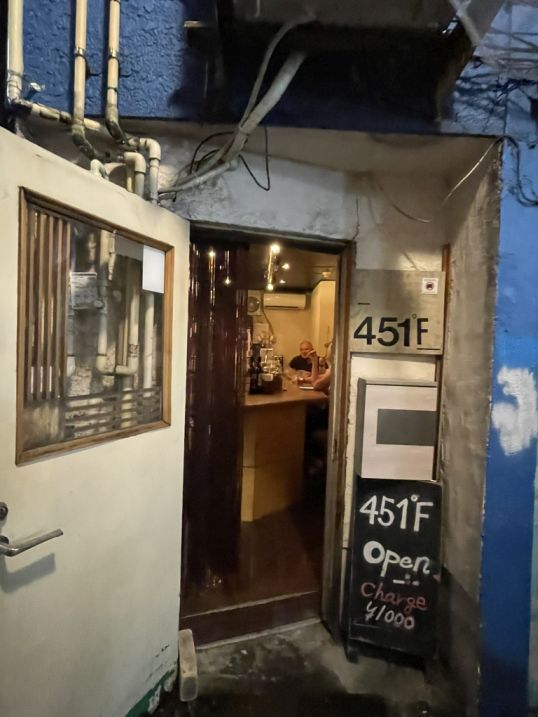 |
Most bars only seat 4–8 people. It’s famous for its retro "Showa-era" atmosphere, which feels like a time capsule compared to the neon skyscrapers of modern Shinjuku.
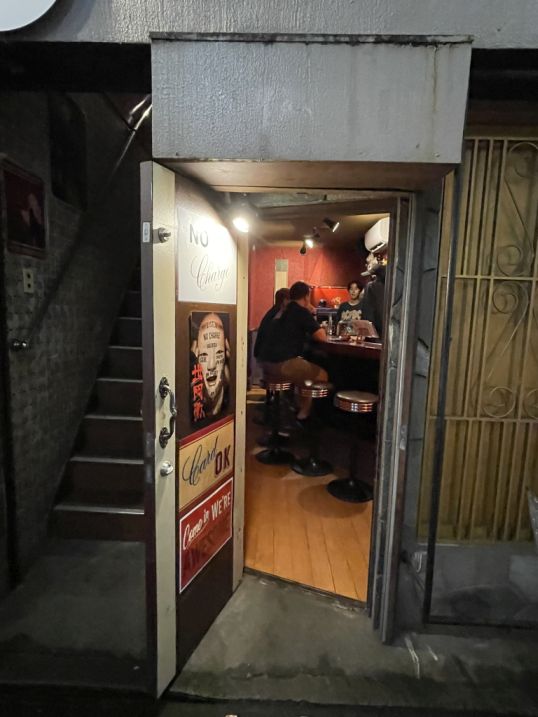 |
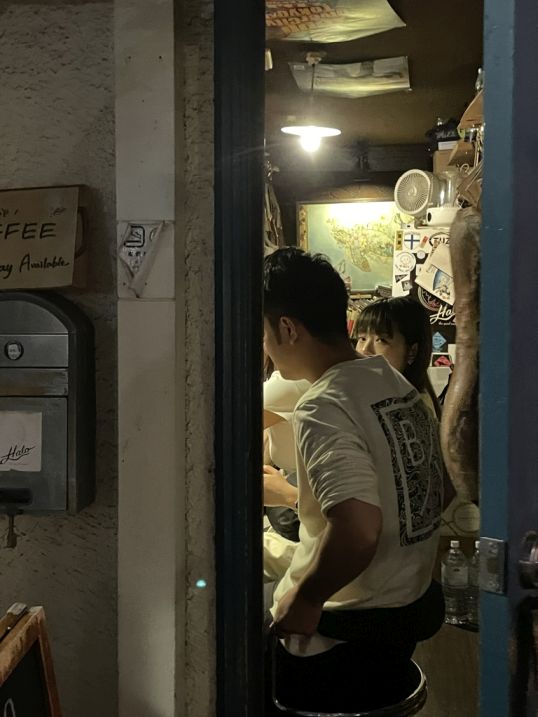 |
Most establishments only seat 5 to 10 people at a counter, creating an intimate, "secret hideout" vibe.
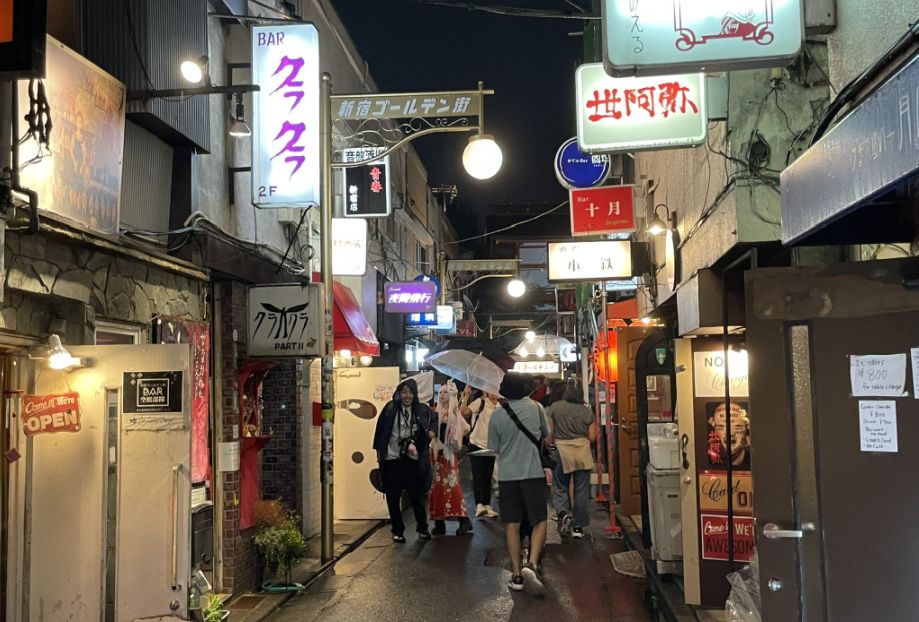
Originally a post-World War II black market and red-light district, it evolved in the 1960s into a beloved hangout for artists, writers, and intellectuals. Unlike the rest of Shinjuku, this area remained largely untouched by modern development, preserving a "Showa-era" (mid-20th century) atmosphere with weathered, low-rise wooden buildings.
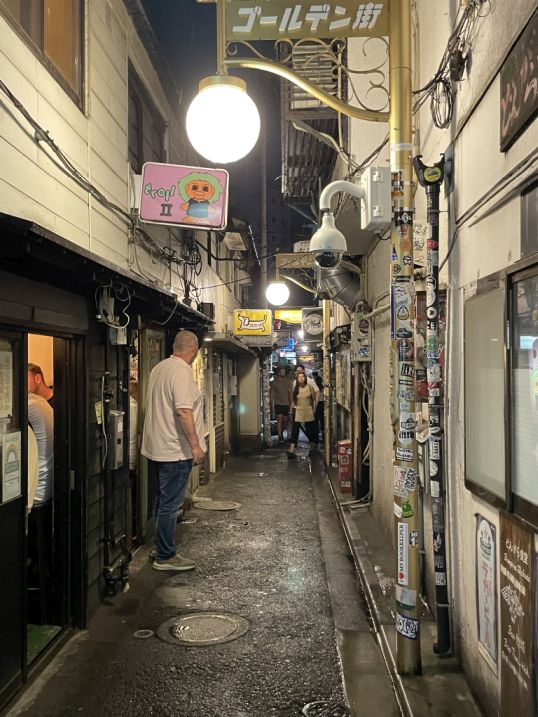 |
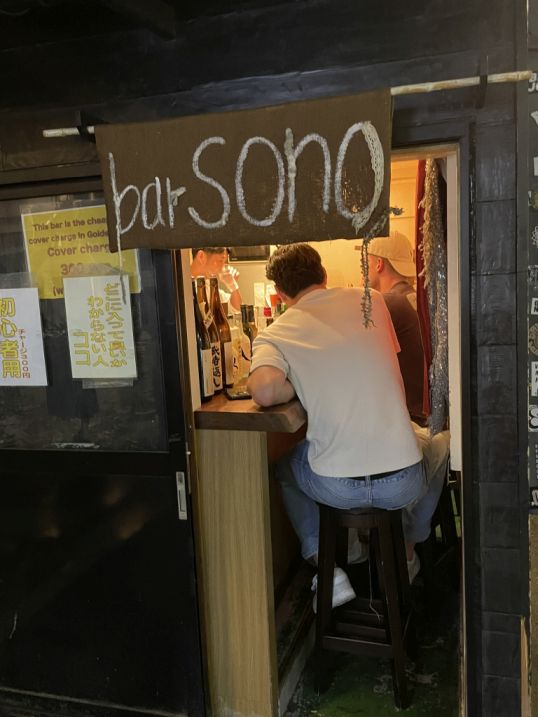 |
Each door led to a bar, hundreds of them , most with space for only a handful of guests. From inside came soft jazz, rock music, quiet conversations, bursts of laughter, the clink of glasses.
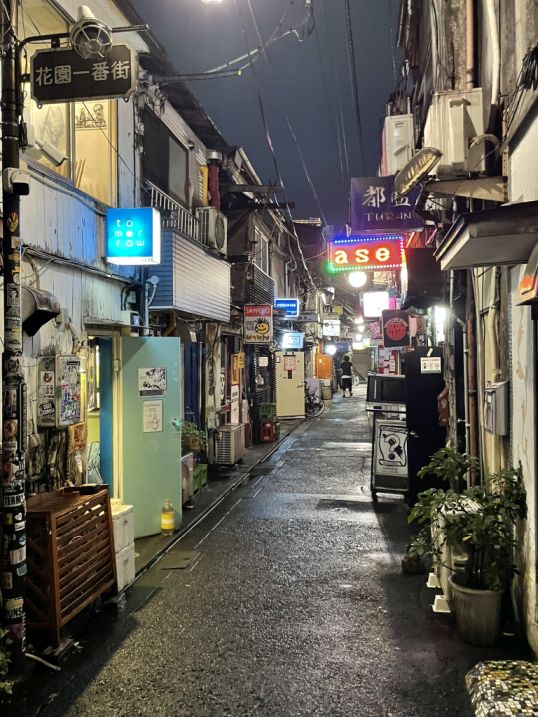 |
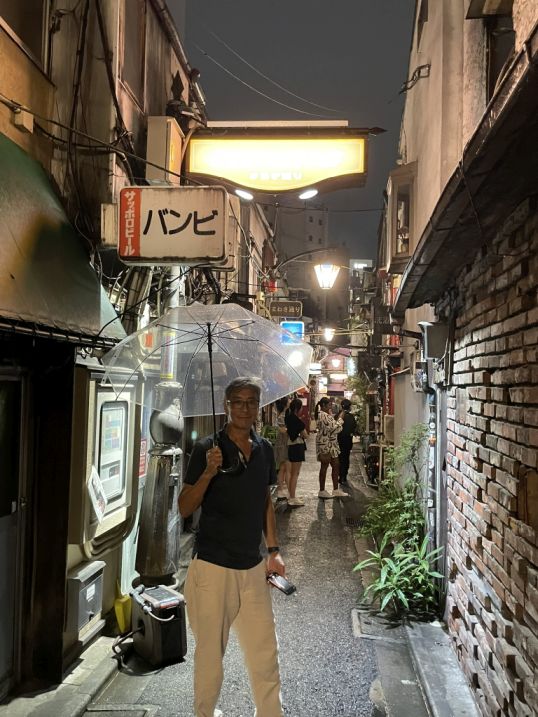 |
Not all the alleys are busy, some are quieter like this one. Faded signs hinted at decades of late nights and untold conversations. Some doors were barely wider than a closet, with a single warm bulb glowing above them.
 |
 |
Some bars welcomed everyone, others reserved their few seats for regulars only. It felt secretive, intimate, and timeless, like stepping into a preserved fragment of post-war Tokyo.
 |
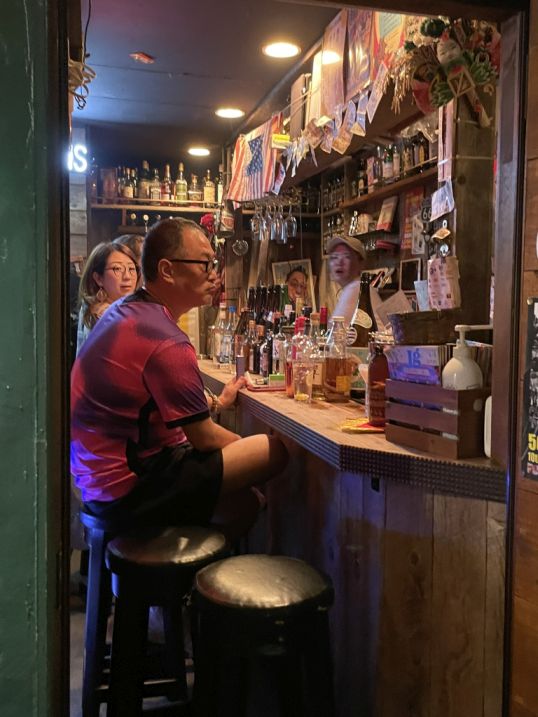 |
We had to be mindful that taking photos or videos in often prohibited to protect the privacy of the patrons.
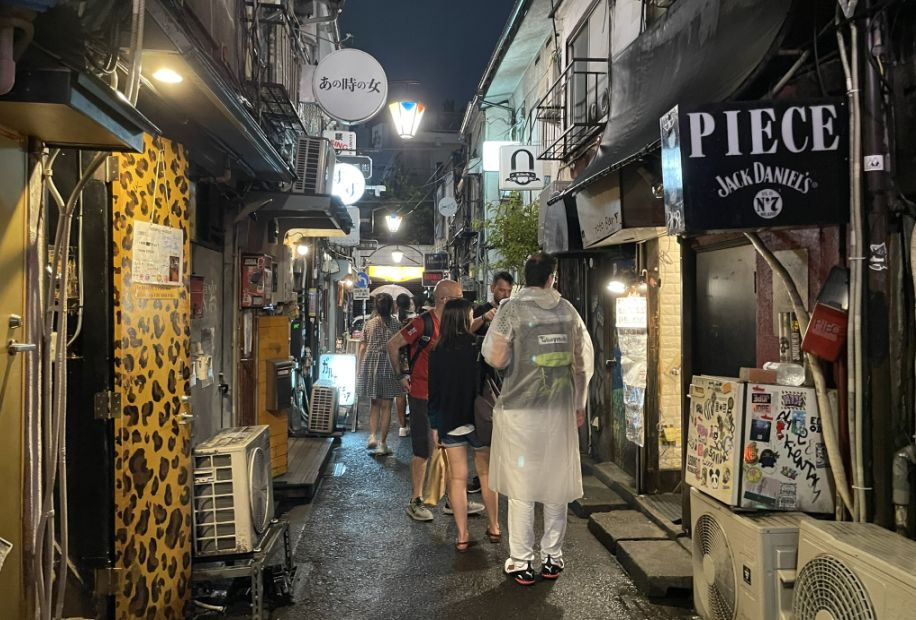
One of the 6th alley in Golden Gai.
 |
 |
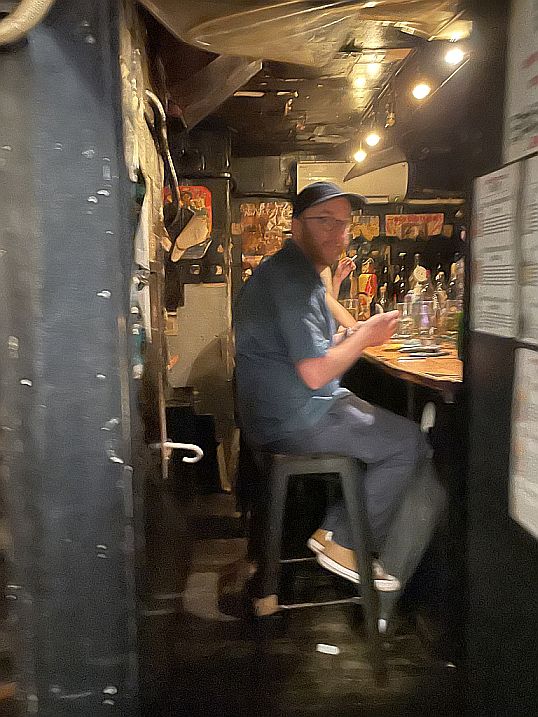
Tiny bar with only a few seats.
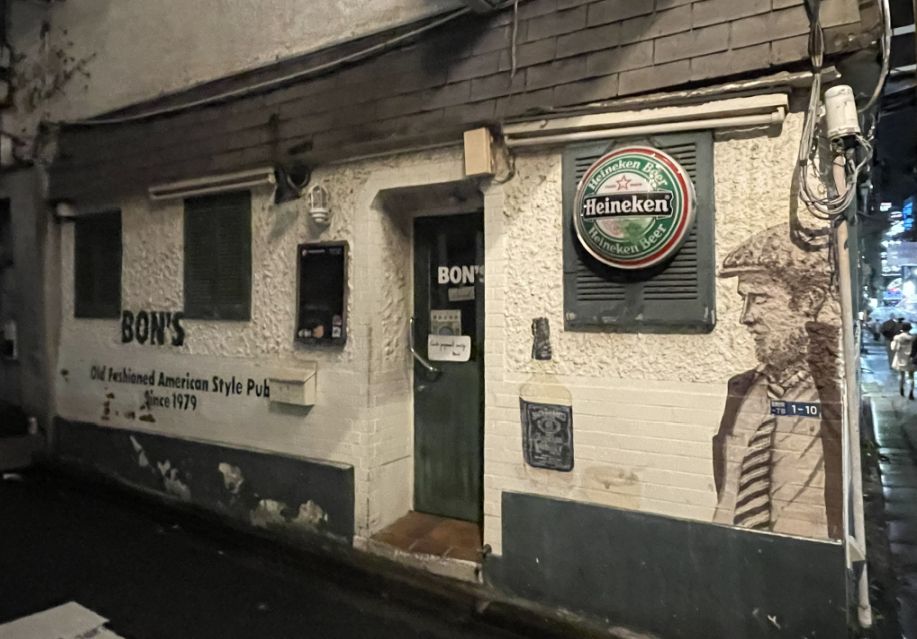
As we wandered through the narrow alleys, we passed by Bon’s, one of Golden Gai’s most legendary little bars, though it was already closed for the night. From the outside it looked humble and almost easy to miss, a tiny wooden doorway, a small sign, barely any space at all. But Bon’s is a place with real history. It opened in the 1950s and became a gathering spot for writers, filmmakers, actors, and artists during the post-war years, when Golden Gai was emerging as Tokyo’s creative underground.
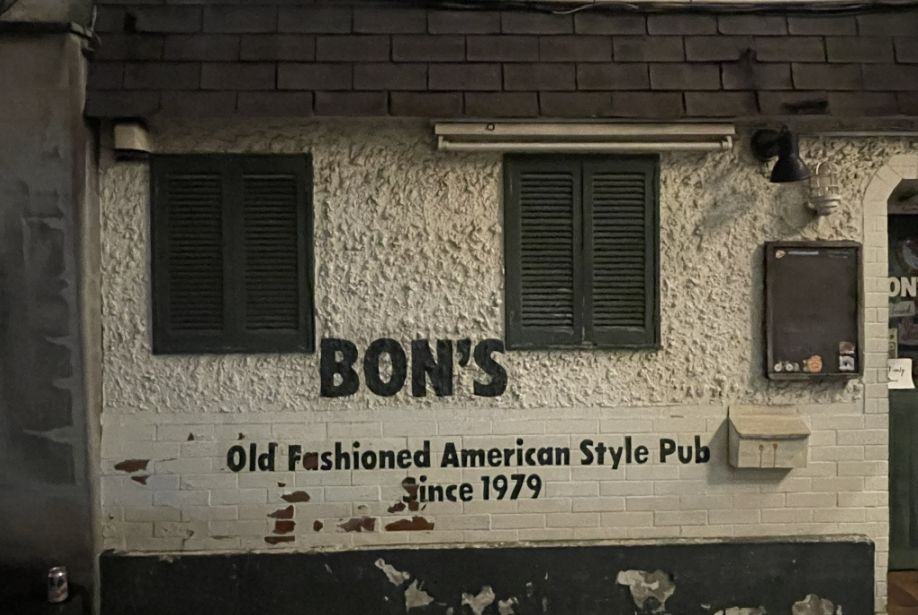
In front of Bon’s, a small sign read: “Old fashioned American style pub since 1979.” It felt a little unexpected in the middle of this very Japanese maze of alleys, yet somehow perfectly fitting. The words suggested a place that valued simple drinks, quiet conversations, and character over trends, a bar shaped by time rather than fashion. Even closed, it carried the feeling of somewhere that had welcomed generations of night wanderers, writers, and regulars, offering them the same dim light and familiar comfort for decades.
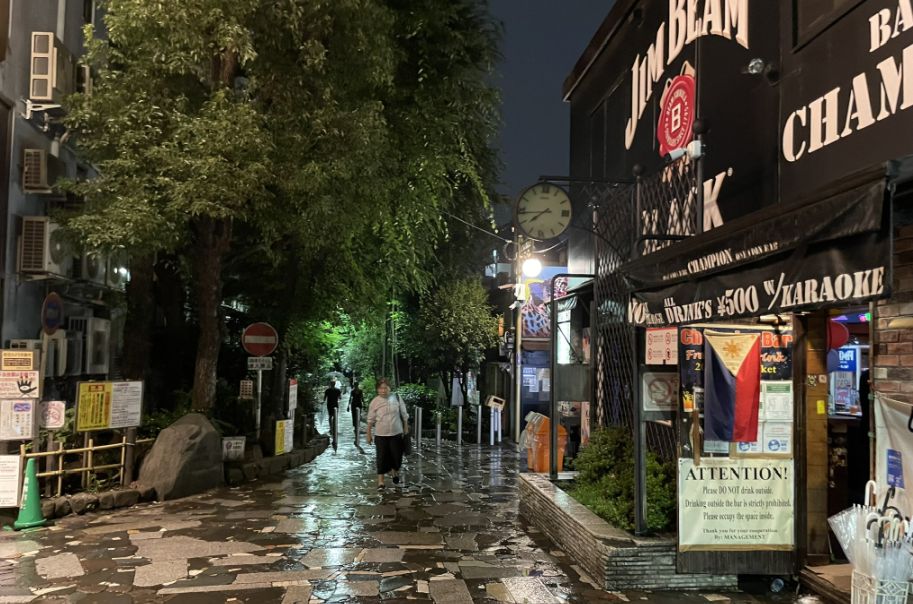
We are now leaving the area.
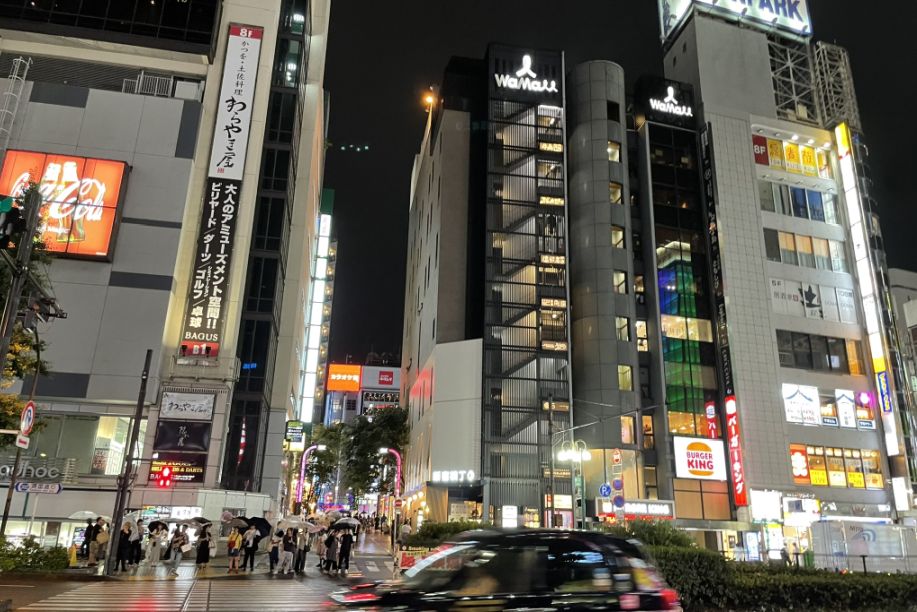
We stepped back out of Golden Gai and onto the main street of Kabukicho, and it felt like crossing a boundary between two worlds.
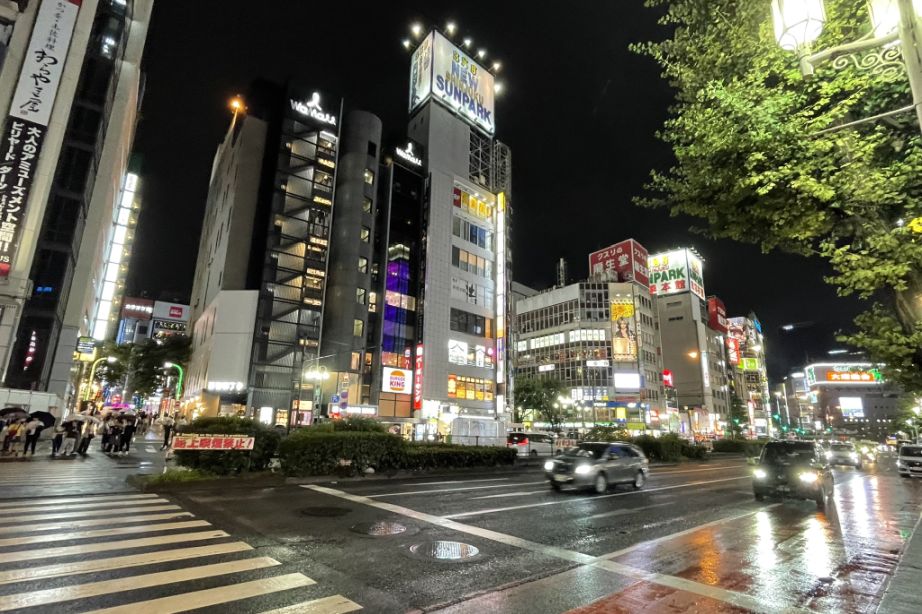
The quiet, shadowed alleys were instantly replaced by bright neon towers.
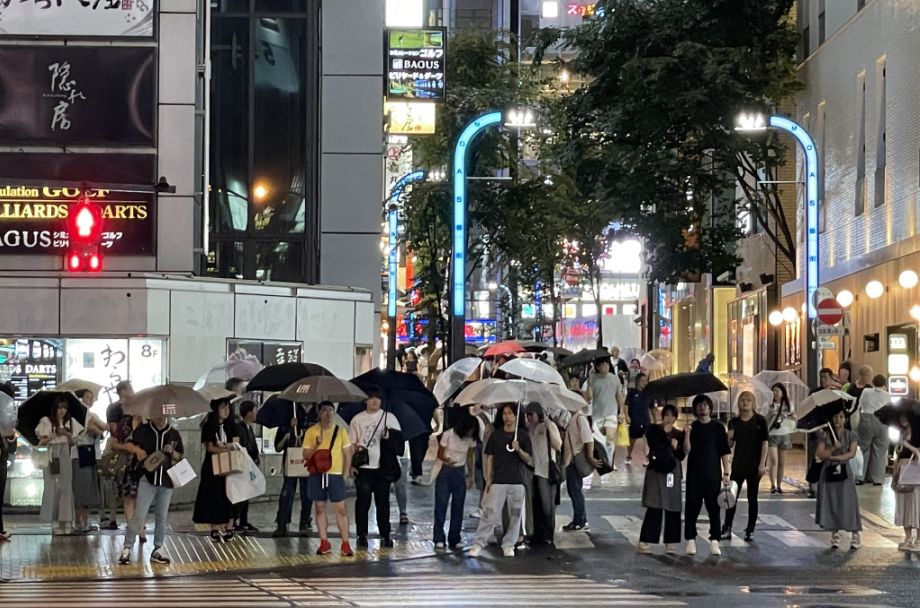
Crowded sidewalks, and the constant movement of the city at night. Huge signs pulsed overhead, music drifted from open doors, and streams of people flowed past us in every direction.
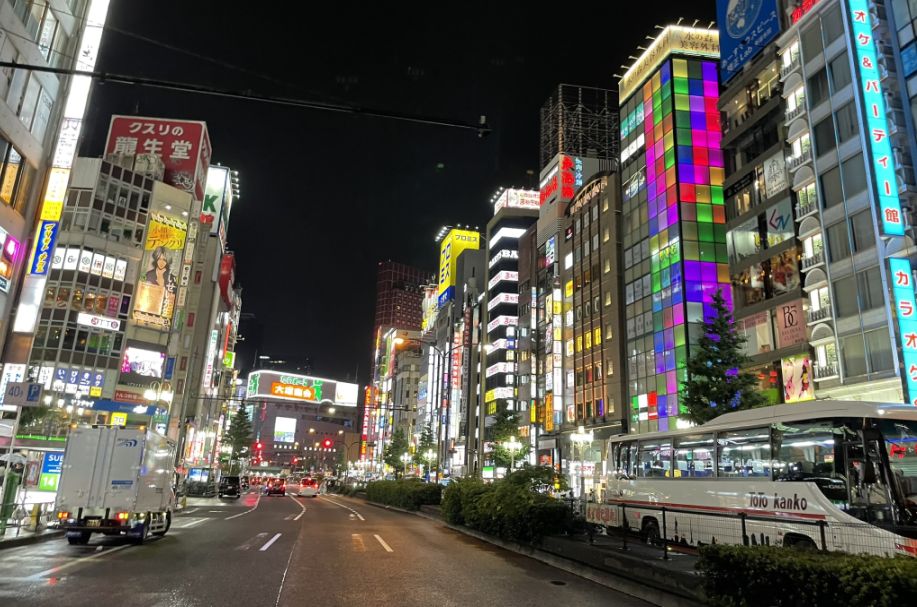
After the low-key, intimate charm of Golden Gai, Kabukicho felt loud and restless, dazzling and slightly overwhelming, but alive in a way only Tokyo can be. Walking there, surrounded by light and noise, it was hard to believe that just a few steps away hid those tiny wooden bars and narrow lanes, still holding onto their secrets in the dark.
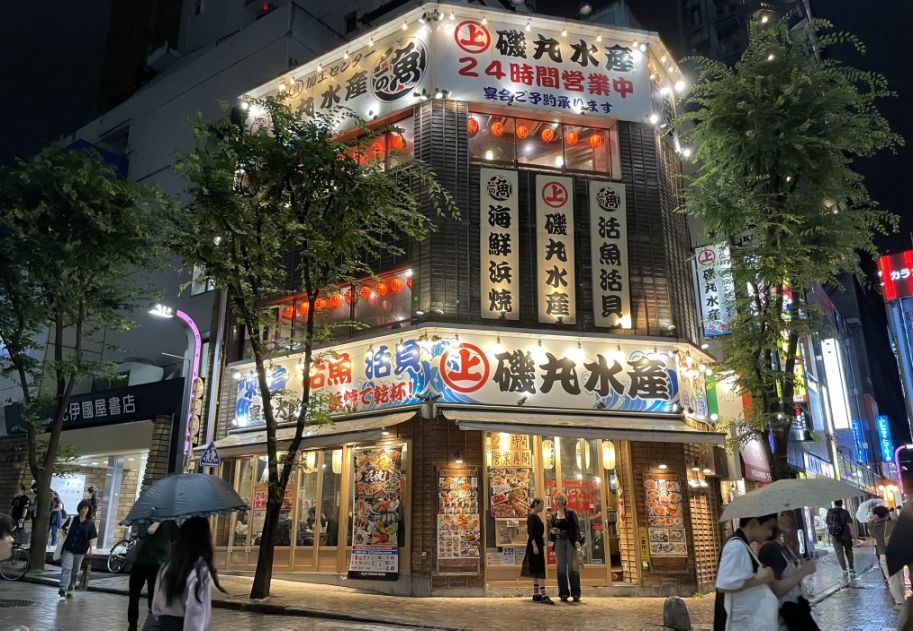
The large, brightly lit building is Isomaru Suisan, a very popular 24-hour seafood izakaya chain in Japan. Unlike the tiny, specialized bars in Golden Gai, this is a high-energy, spacious restaurant where you can sit at large tables and grill your own food.
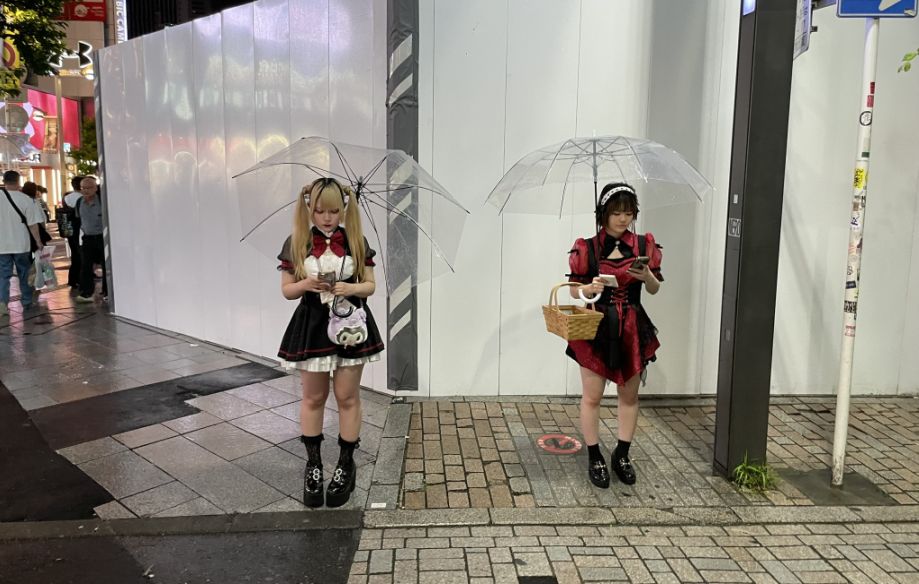
Girls are dressed as Maids, which is a popular subculture style in Japan often associated with Maid Cafes. Their clothing features classic elements like frilly aprons, headpieces, and bows, which are standard uniforms for these themed cafes. This particular look, mixing dark reds, blacks, and gothic elements is a variation often called Gothic Lolita or a "dark maid" aesthetic, which is common in districts like Akihabara and Shinjuku.
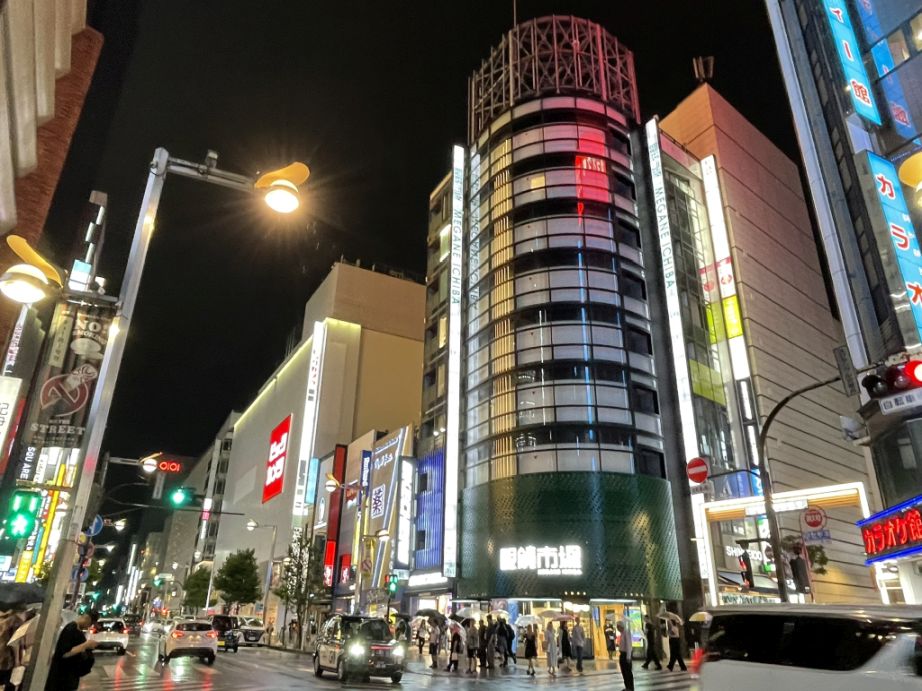
We were surrounded by high-rise buildings wrapped in light. Even with a light rain falling, the streets were crowded, people moving under umbrellas, laughter drifting out of doorways, taxis gliding past, music pulsing from somewhere above.
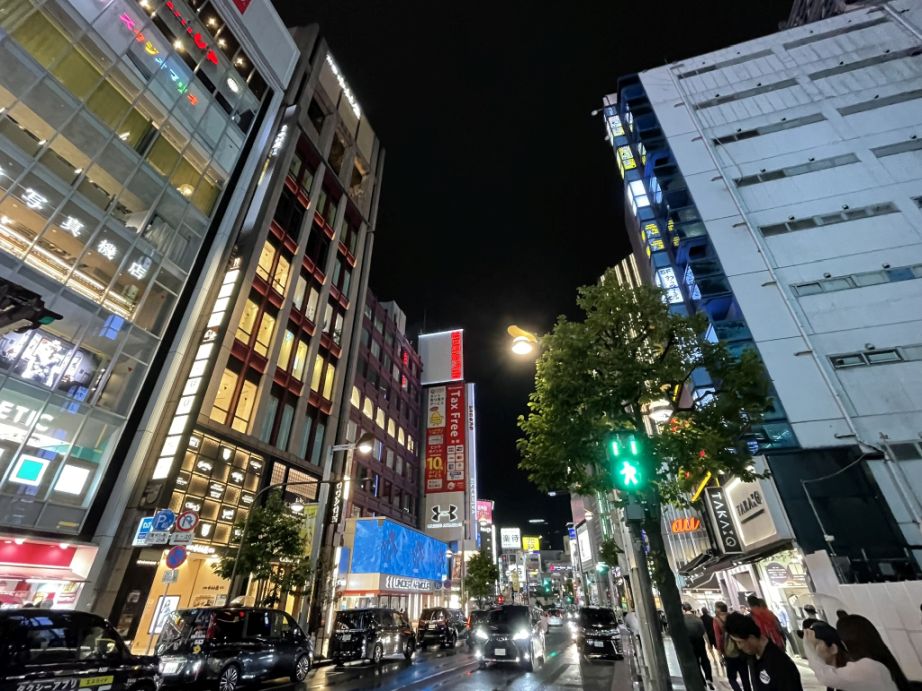
The rain only seemed to sharpen everything: the reds brighter, the blues deeper, the city more cinematic.
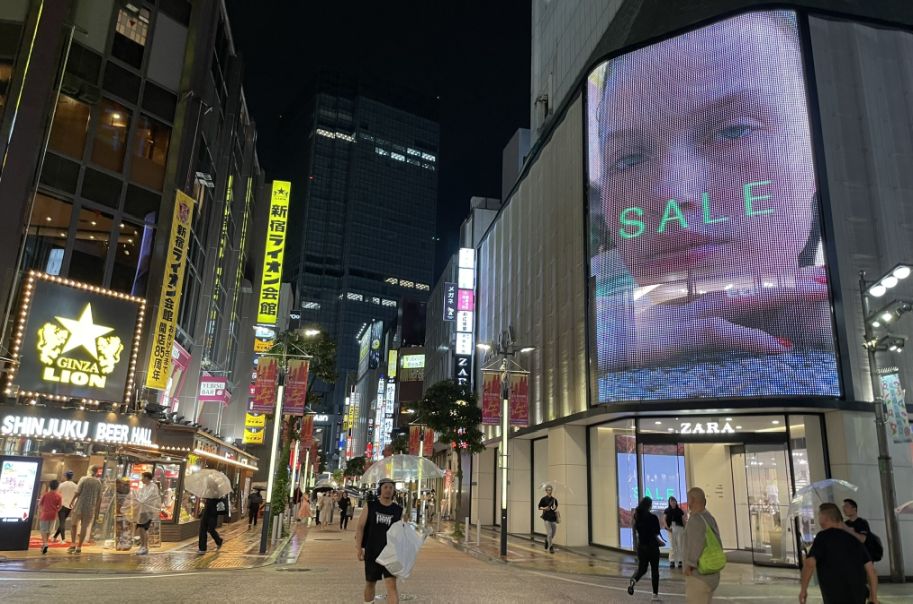
We found ourselves near the ZARA store, its massive electronic screen towering over the street. A model’s face filled the panel, flawless and larger than life, the word “SALE” flashing beside her in bold letters.
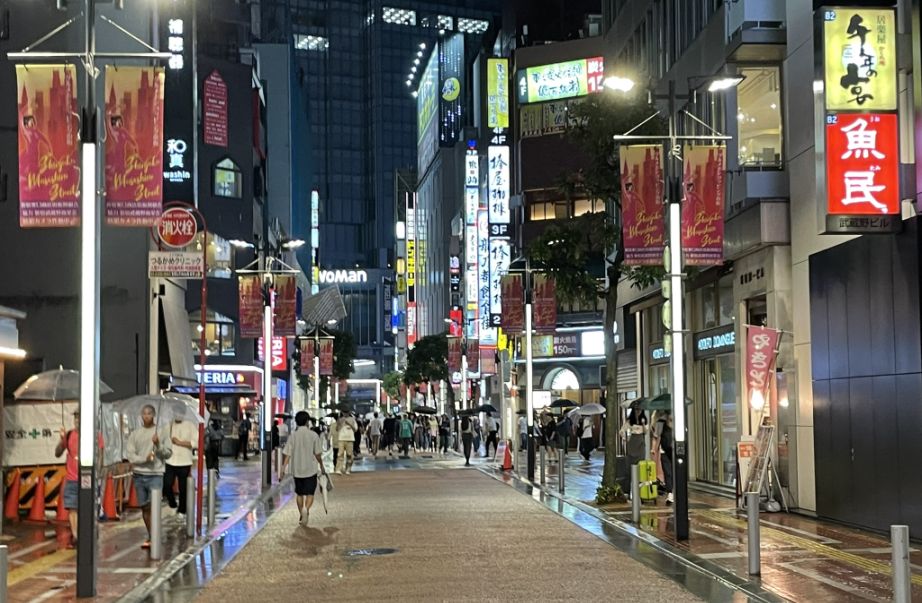
This area is very lively at night.
 |
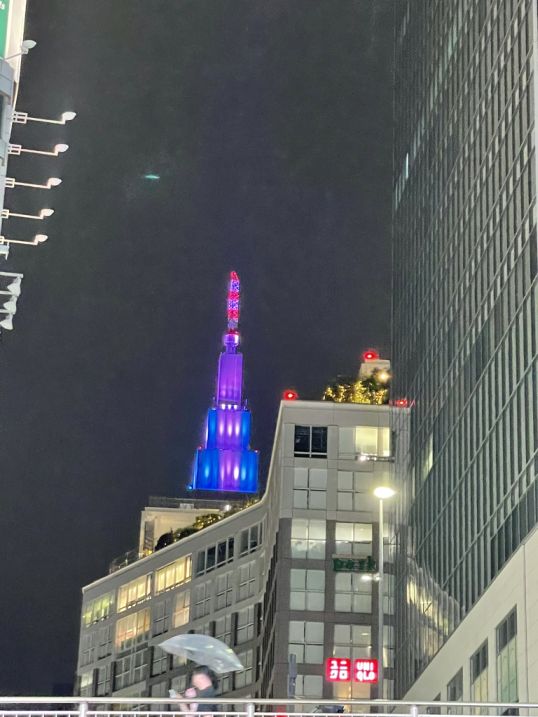 |
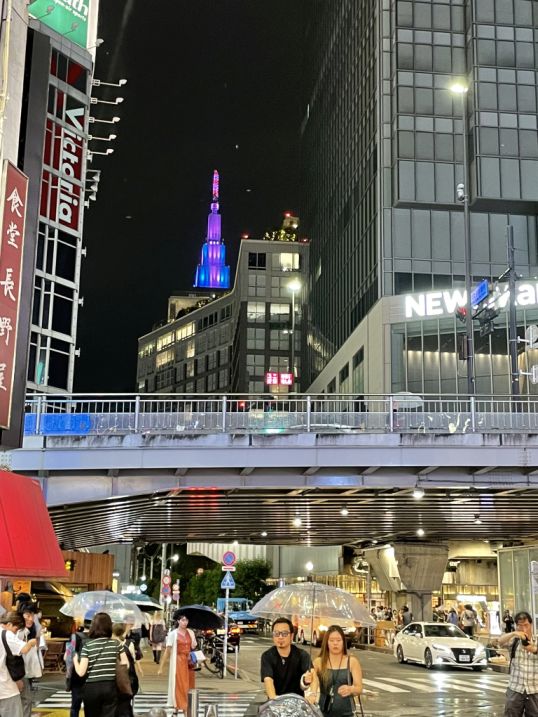
In the distance the brightly lit structure is the NTT Docomo Yoyogi Building, which looks a bit like the Empire State Building, it is actually a prominent telecommunications skyscraper in the Sendagaya district of Shibuya.
NEXT... Day 9- Tokyo Metropolitan Government Office