9 days in Japan- 6/23- 7/1/2024
| Day
1-Niigata Arrival In Niigata Dinner at Echigo Banya |
Day
2-Niigata Fish Market Downtown/Lunch Dinner at Sushi Arai |
Day
3-Niigata Hakusan Shrine Sake Brewery Tour Lunch/Dinner |
Day
4-Niigata Northern museum Farm Land |
Day
5-Niigata Fukushimagata Walking around Dinner at Ebisudai |
Day
6-Tokyo Dinner at Jomon |
Day
7-Tokyo Arakawa Arakawa Cont. Ginza Dinner at les Copains |
Day
8-Tokyo Yoyogi Park Uneno Park Dinner at Uoshin Golden Gai |
Day
9-Tokyo Metropolitan office |
Day 9-Tokyo Metropolitan Government office, Tokyo -7/1/2024
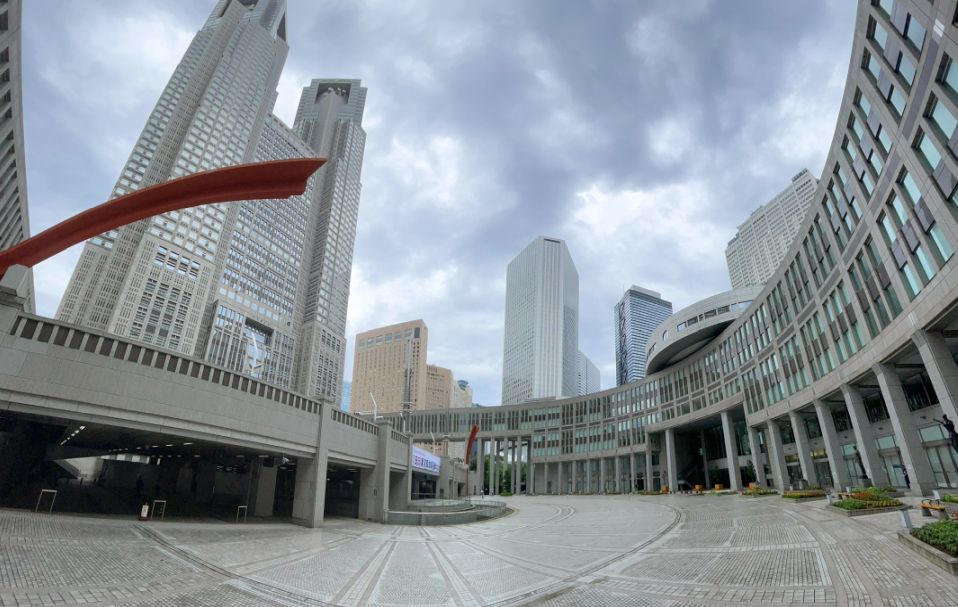
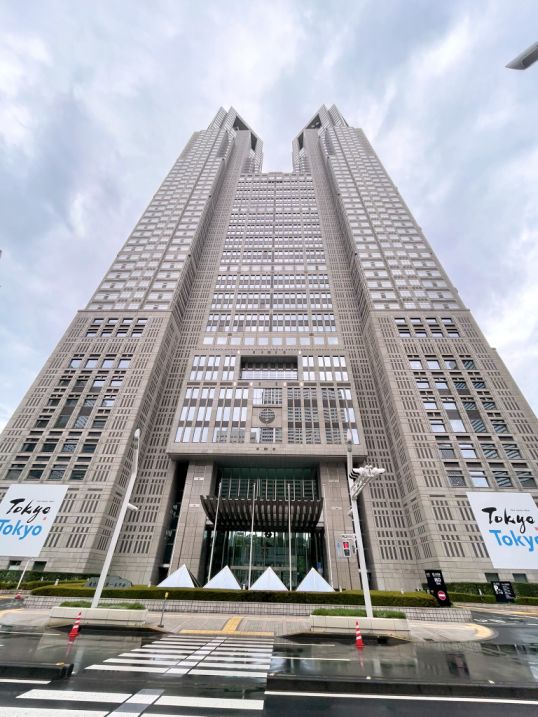
On our last morning in Tokyo, we walked a short distance from the Keio Plaza to the Tokyo Metropolitan Government Building, its twin towers rising quietly above the surrounding streets. From far away it already looked imposing, but stepping closer, the scale became even more striking , clean lines of steel and glass stretching upward into the sky, calm and authoritative.
Inside the complex, we entered a circular inner courtyard, and the atmosphere shifted.
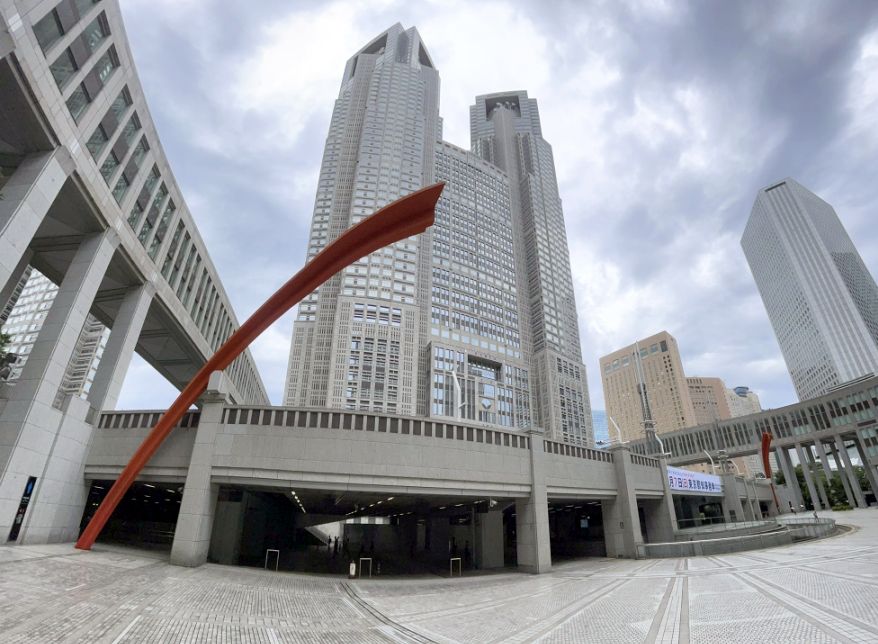
The space felt open and architectural, almost futuristic. A sweeping red, curved metal structure wrapped partway around the circle like a ribbon, bold against the neutral tones of concrete and glass. It guided the eye around the courtyard, softening the rigid geometry of the towers.
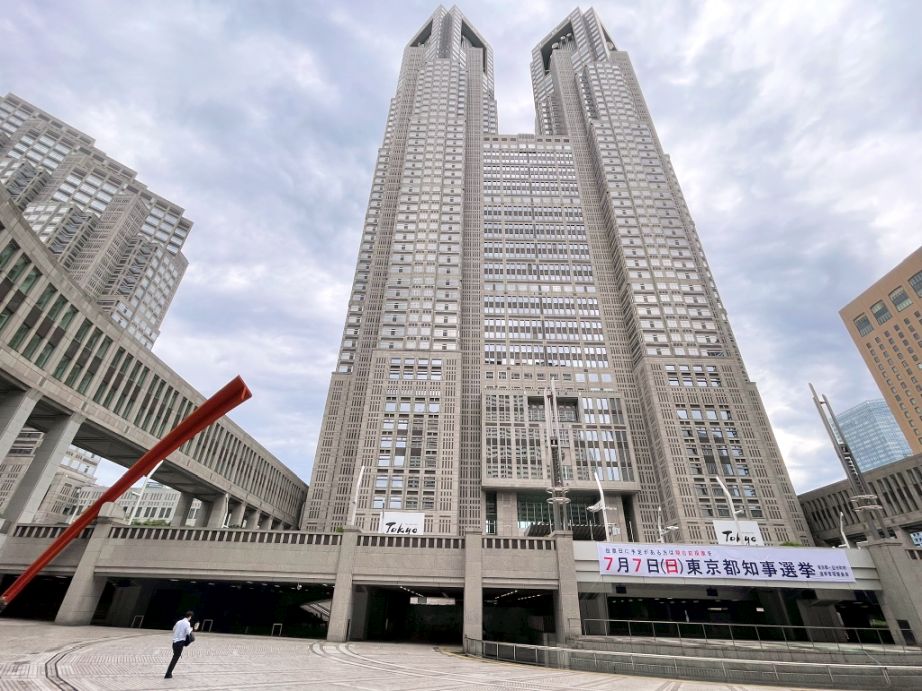
The Tokyo Metropolitan Government Building rose like a modern cathedral. Its twin towers stood tall and symmetrical, built of steel and glass in cool shades of gray. The architecture felt both futuristic and slightly Gothic with sharp vertical lines, narrow window patterns, and a strong, almost solemn presence that set it apart from the surrounding hotels and office blocks.
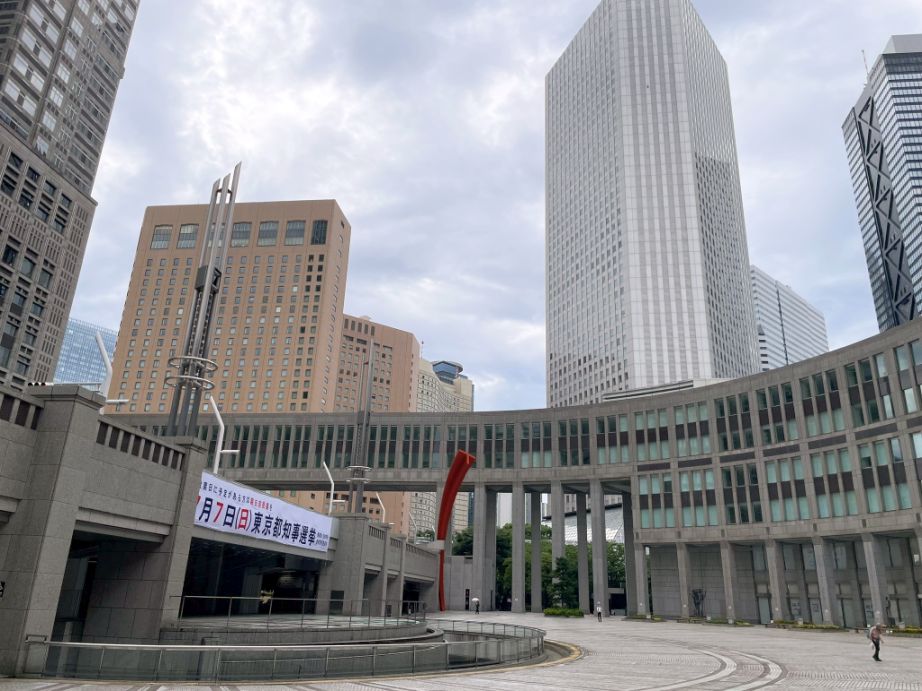
Within the circle stood smaller office buildings and walkways, neatly arranged, their windows reflecting the morning light.
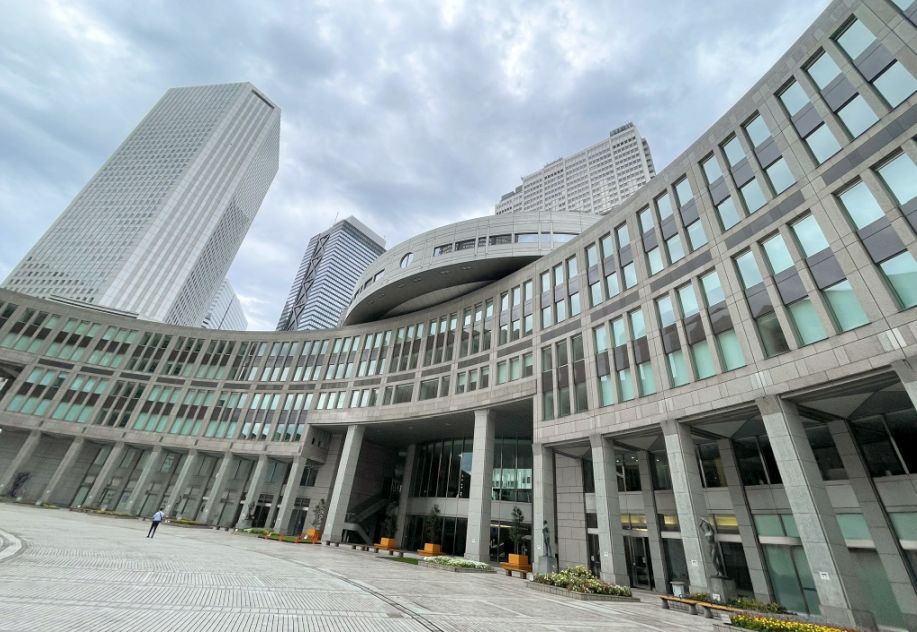
Everything felt orderly and quiet, a sharp contrast to the neon chaos of Kabukicho the night before.
 |
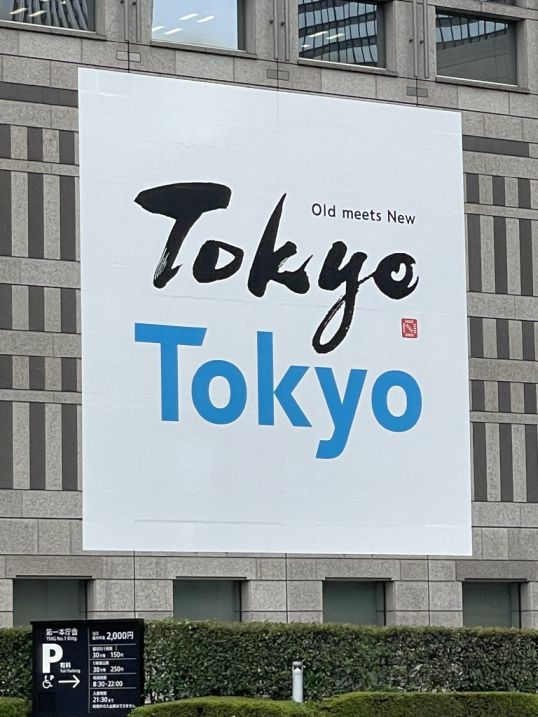 |
As we walked closer, the scale became more impressive. The towers seemed to stretch endlessly upward, calm and powerful, as if quietly watching over the city. Despite its size, the building didn’t feel flashy, more dignified than dramatic, designed to represent the city itself: efficient, modern, and serious.
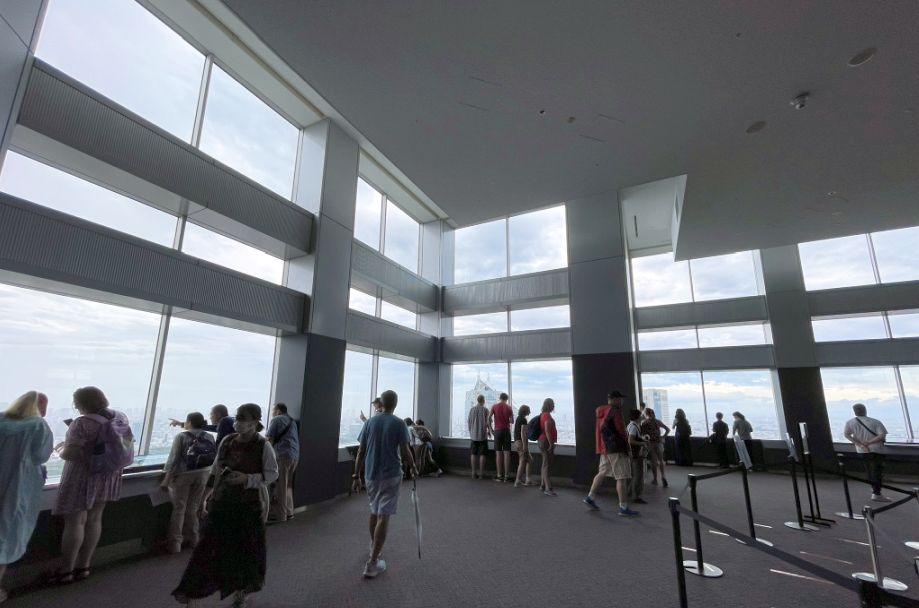
After entering the complex, we followed the signs to the elevators for the observation deck. In just seconds, the elevator lifted us smoothly skyward to the 45th floor, where the free observation decks are located in both towers.
 |
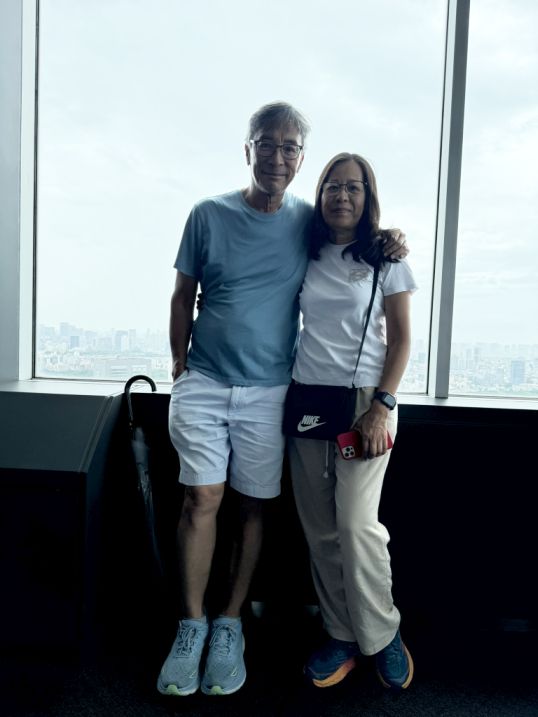 |
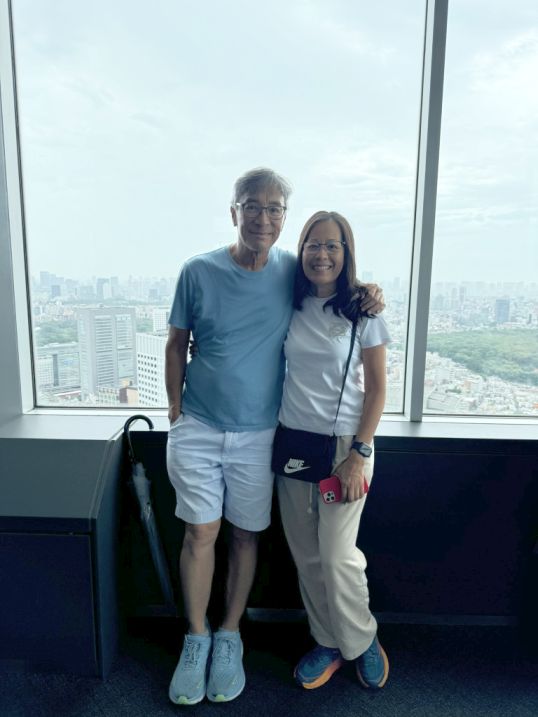
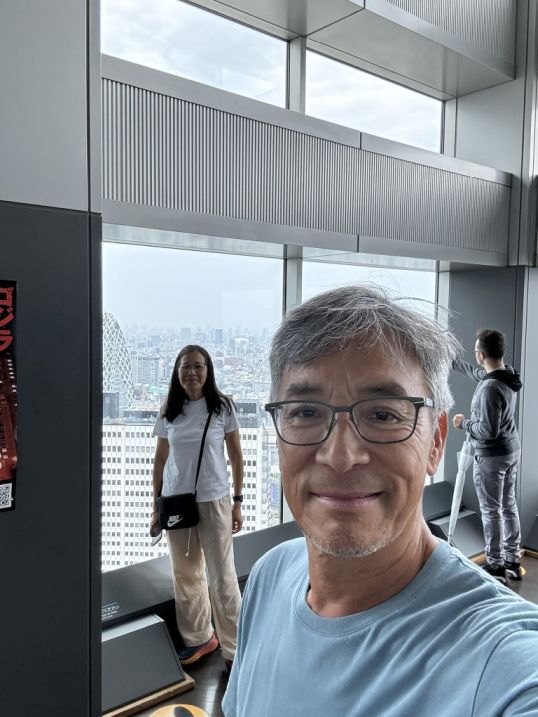
Us on the 45th floor.
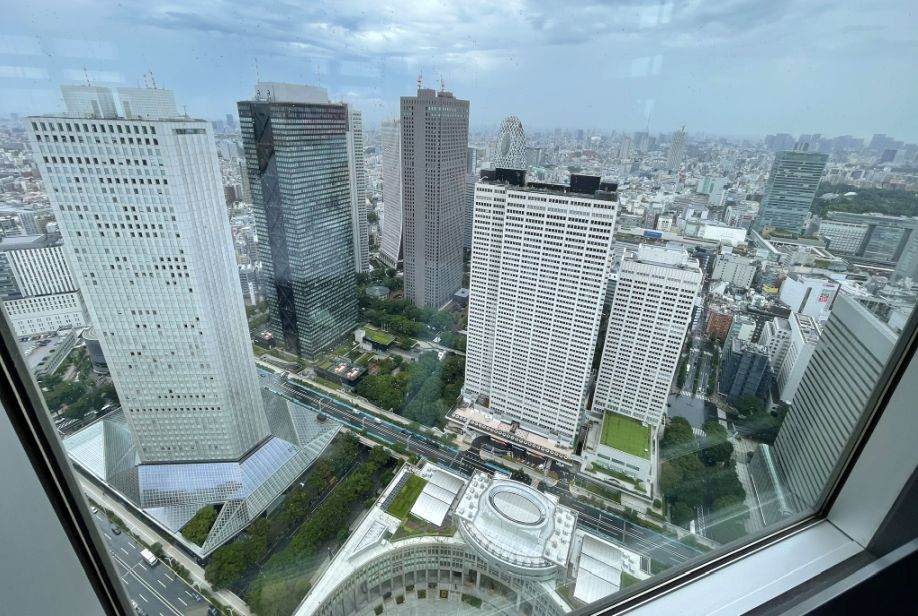
Through the wide glass windows, the city spread out in every direction, an endless sea of buildings, highways threading between them like silver ribbons. On clear days, Mount Fuji can sometimes be seen in the distance, but even without it, the view was breathtaking: dense neighborhoods fading into softer greens, distant suburbs dissolving into haze, and the immense scale of Tokyo made suddenly visible.
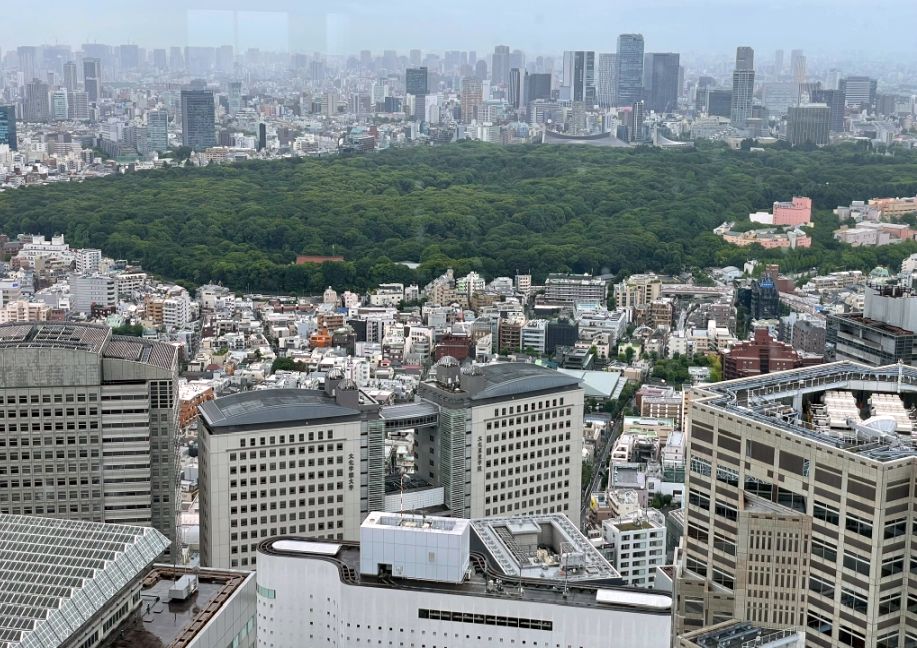
From the windows, we could clearly pick out Yoyogi Park, a wide patch of deep green surrounded by a dense ring of buildings. From above, it looked like a quiet island of trees floating in a gray ocean of concrete and glass. Paths curved gently through the canopy, and the open lawns appeared like soft brushstrokes between darker clusters of forest.
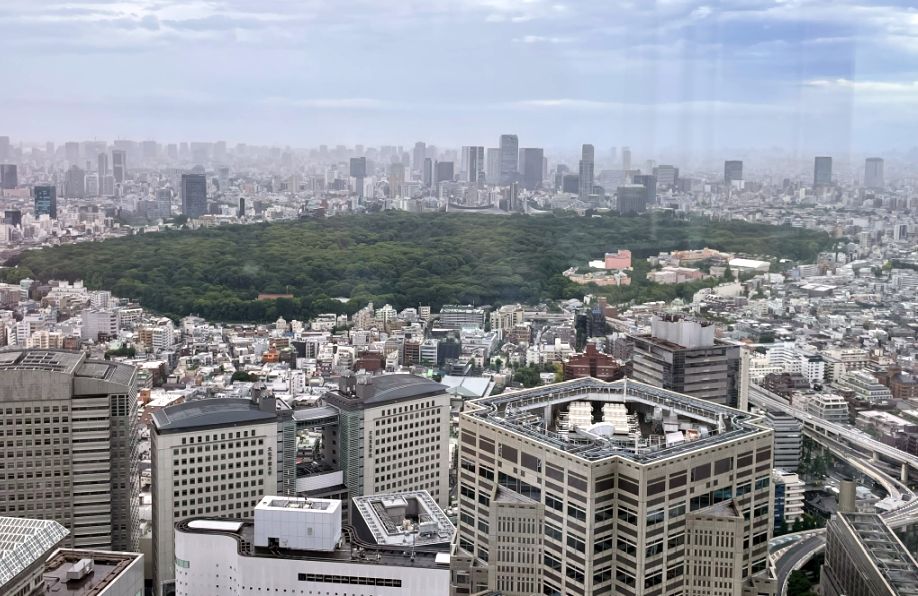
Beyond the park, high-rise buildings stood in layers, their rooftops packed tightly together, fading into the pale distance. Seeing the place where we had walked just days before, the rose gardens, shaded paths, and quiet ponds, now reduced to a calm green shape in the vast city, made Tokyo feel both immense and surprisingly intimate at the same time.
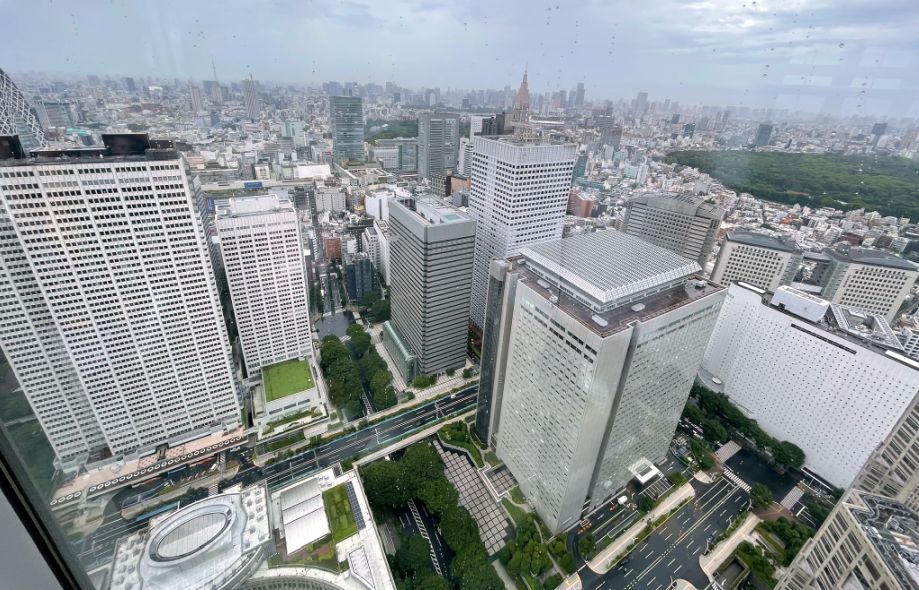
The Tokyo Metropolitan Government Building is not just a landmark, it is the administrative heart of the city, where the offices of the Governor of Tokyo and the metropolitan government are located. Behind its quiet, imposing exterior, thousands of people work each day managing transportation, urban planning, disaster response, public services, and everything required to keep a city of nearly forty million people running.
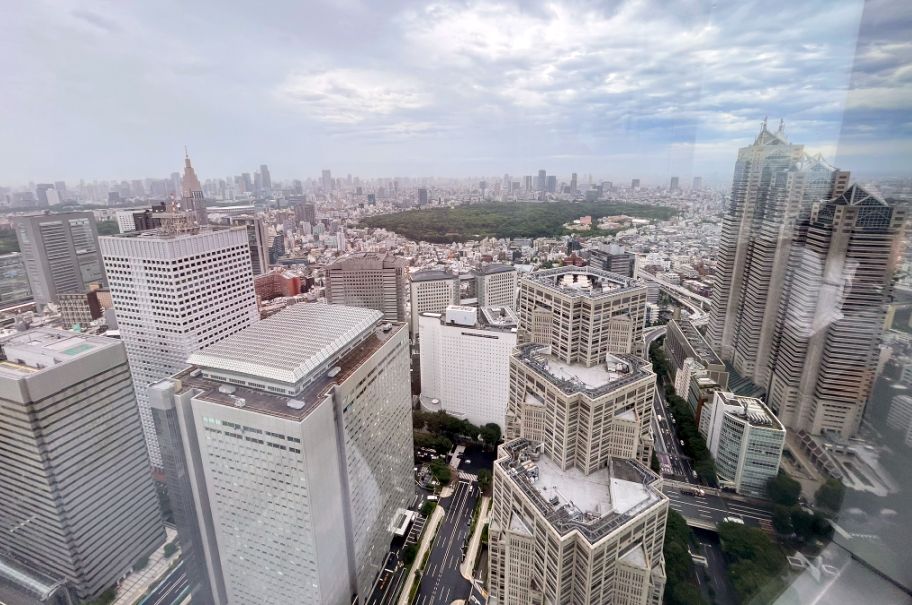
The observation deck on the 45th floor felt surprisingly relaxed for such an important building. The space was wide and bright, lined with tall glass windows that wrapped around the tower, offering views in every direction.
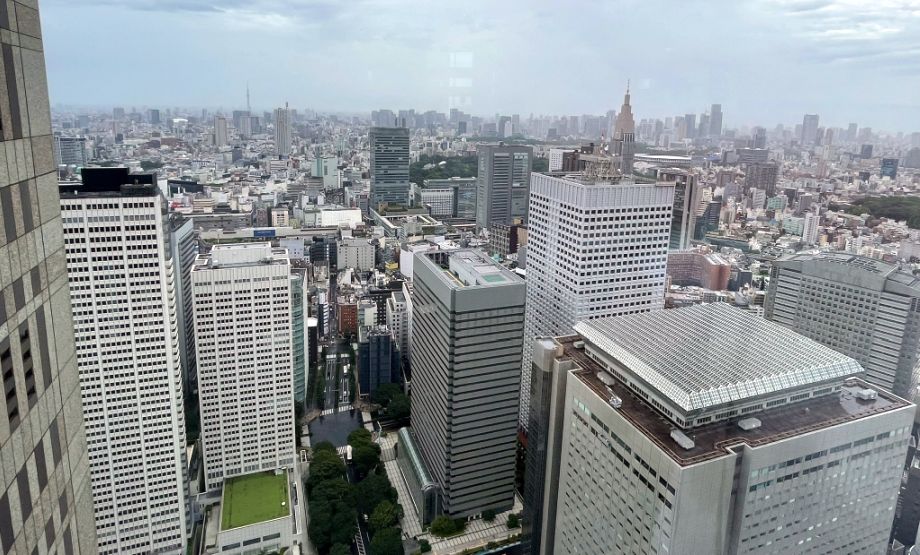
From the windows, familiar landmarks began to stand out among the dense skyline. Nearby, one skyscraper caught our attention in particular, its stepped crown and vertical lines resembled the Empire State Building, a touch of Art Deco styling standing quietly among Tokyo’s ultra-modern towers.
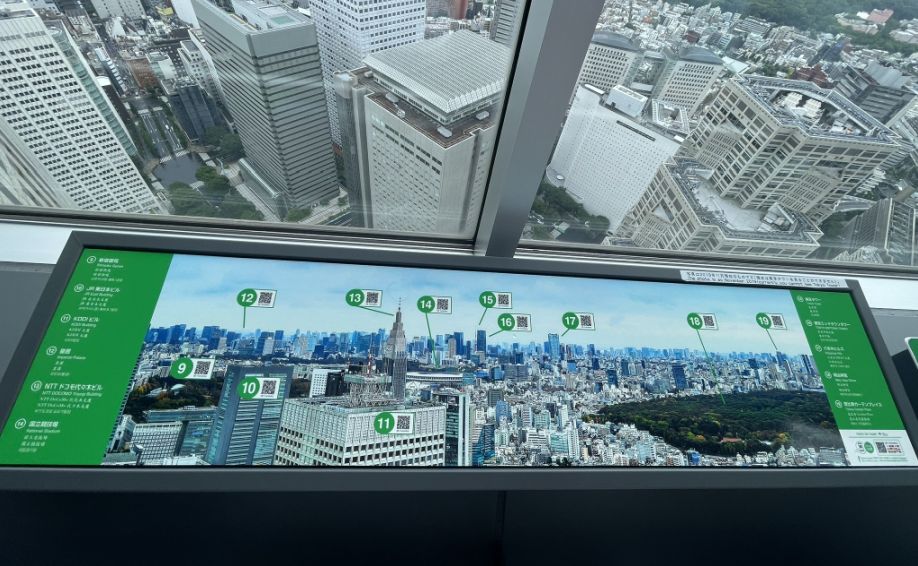
Map of the buildings surrounding the area.
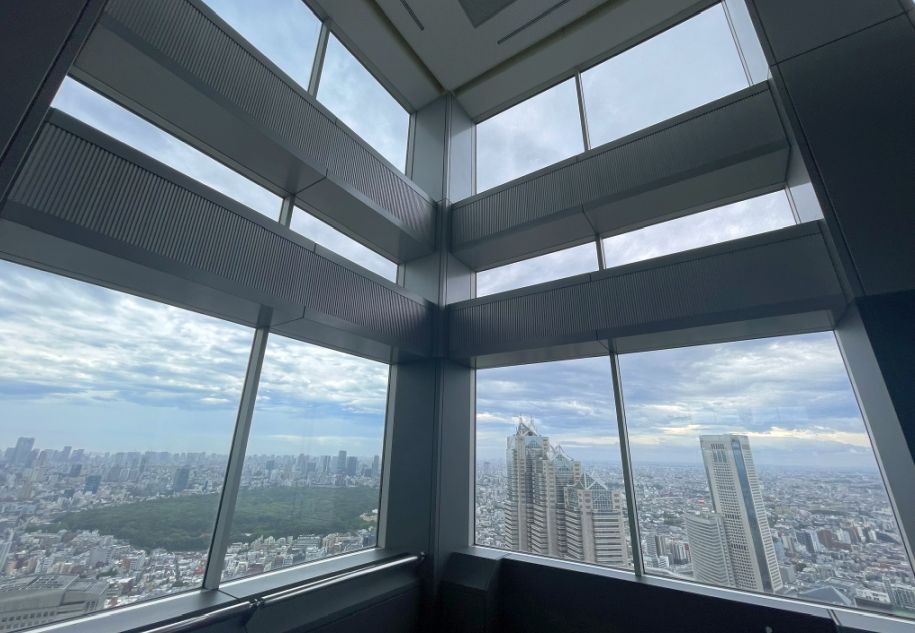
We could clearly see the Shinjuku Park Tower, their tall, elegant forms rising confidently above the surrounding buildings.
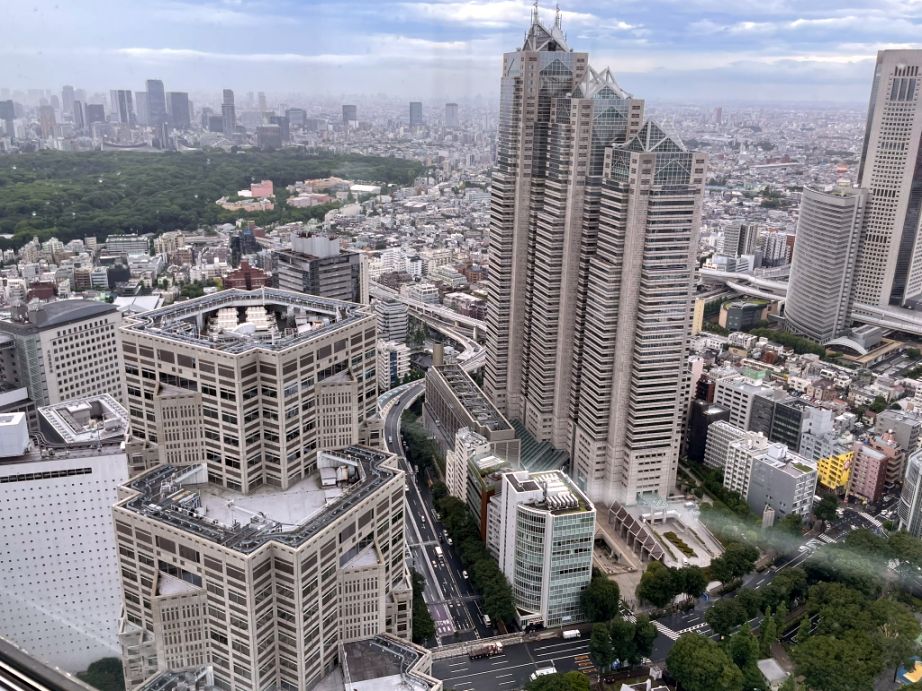
The Shinjuku Park Tower stood out immediately with its distinctive shape, tall and gently tapering as it rose, its dark glass sides narrowing slightly toward the top like a modern mountain peak carved in steel. The building looked both elegant and powerful, its silhouette clean and purposeful against the pale sky.
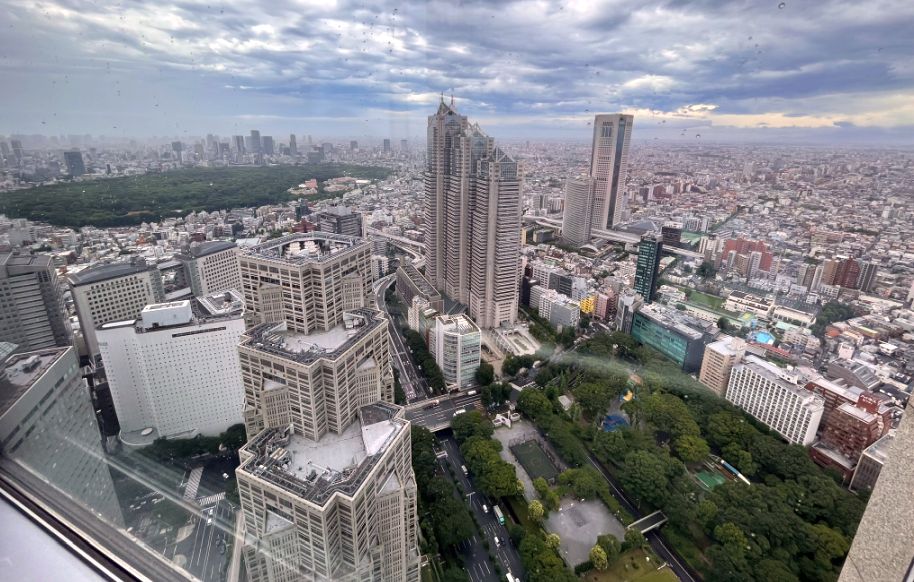
Next to it was a shorter building that drew our eyes for a different reason: its roof stepped upward in three clear layers, each terrace stacked neatly on top of the other. From above, it looked almost sculpted, like a tiered wedding cake made of glass and concrete. The geometric design added texture to the skyline, breaking up the forest of flat rooftops and sharp spires.
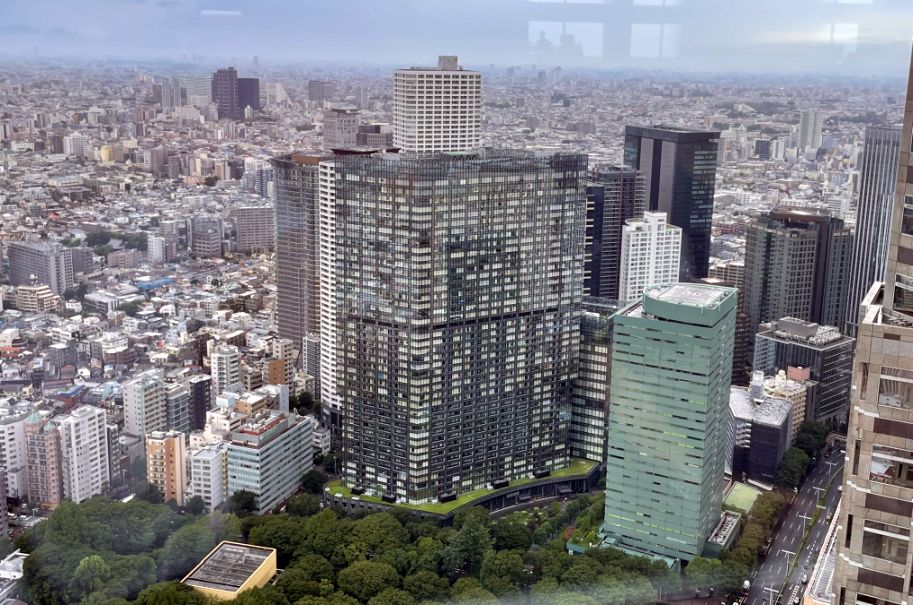
The building in the center is the Central Park Tower La Tour Shinjuku is Ca prominent luxury residential skyscraper located in the Nishi-Shinjuku district of Tokyo. Completed in 2010, it is part of the prestigious "La Tour" series managed by Sumitomo Realty & Development, known for catering to high-net-worth individuals and the expat community. Unlike many nearby Shinjuku towers that are strictly office buildings, this is primarily a high-end rental apartment complex with over 800 units.
 |
 |
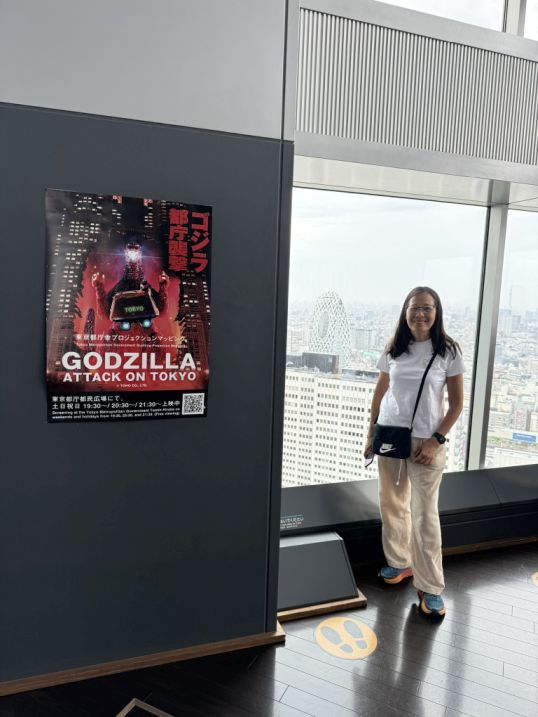
Near one corner, we noticed a sign about Godzilla’s attacks on Tokyo, a playful reference to the many films where the giant monster famously battles through the city, sometimes even destroying this very building. It was a small, humorous touch that reminded us how deeply Tokyo lives not only in reality, but also in imagination and cinema.
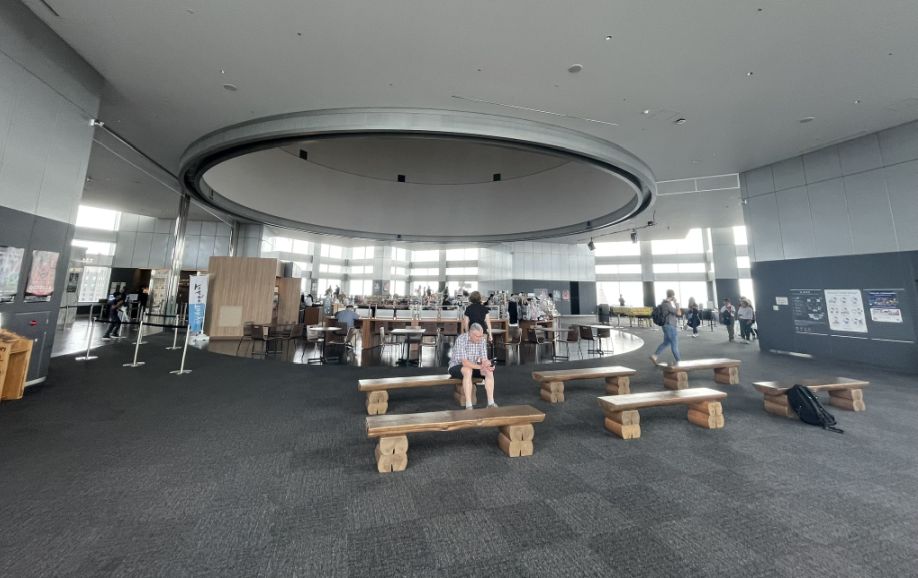
In the center sat a small coffee shop, simple and calm, where visitors could buy a drink and linger a little longer with the skyline spread out before them. Benches were placed along the windows, and people sat quietly, some studying maps, others resting their feet, many simply staring out in silence. There was no rush, no loud music, no flashing lights. Just soft footsteps, low voices, and the distant hum of the city far below.
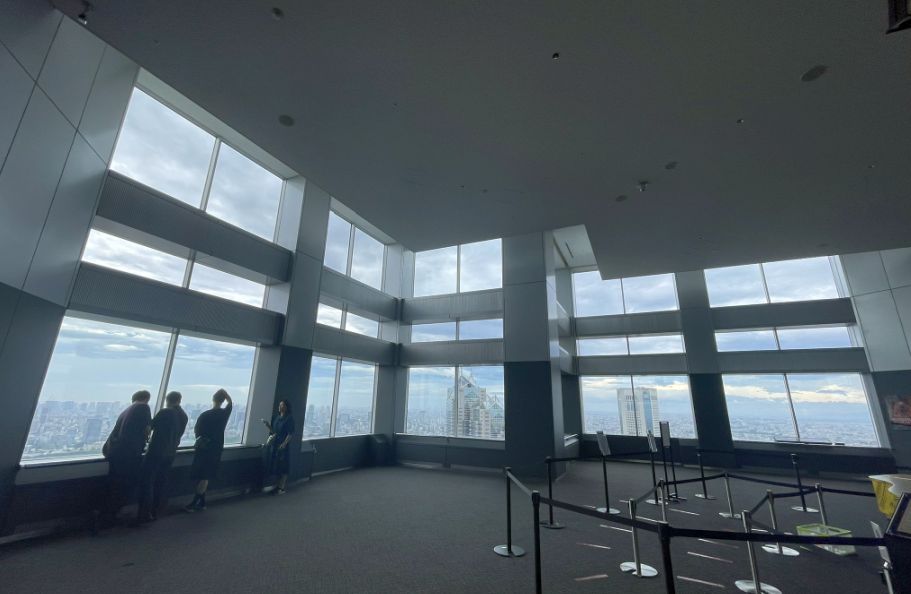
Standing there, coffee in hand, watching the city stretch endlessly toward the horizon, the observation deck felt less like a tourist attraction and more like a quiet balcony over one of the largest cities on Earth, a peaceful final pause before our journey home.
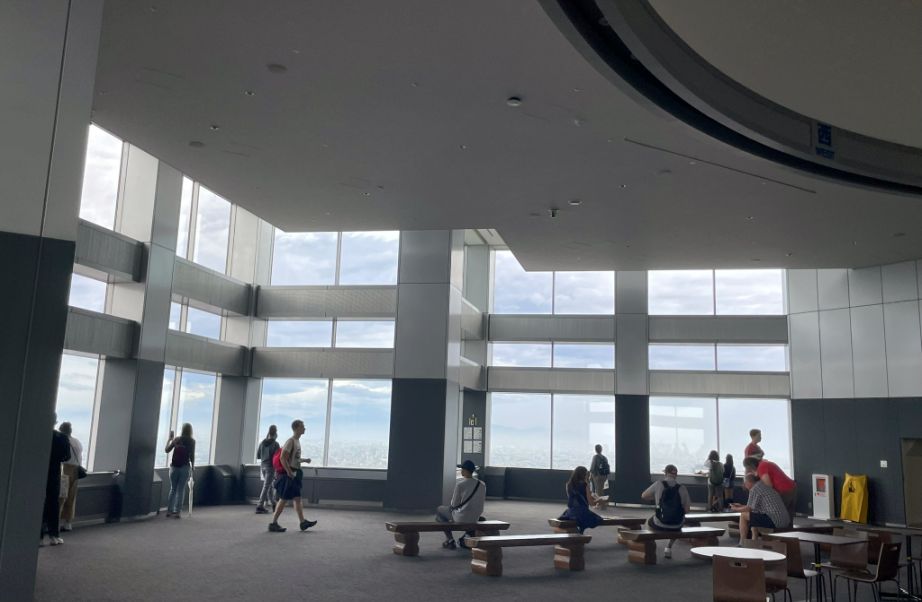
From the center of the observation deck, the view through the windows was especially stunning. The glass rose high above us, tall and seamless, framing Tokyo like a living mural. Modern towers stood shoulder to shoulder in every direction, their clean lines and silver surfaces catching the light, stretching endlessly toward the horizon.
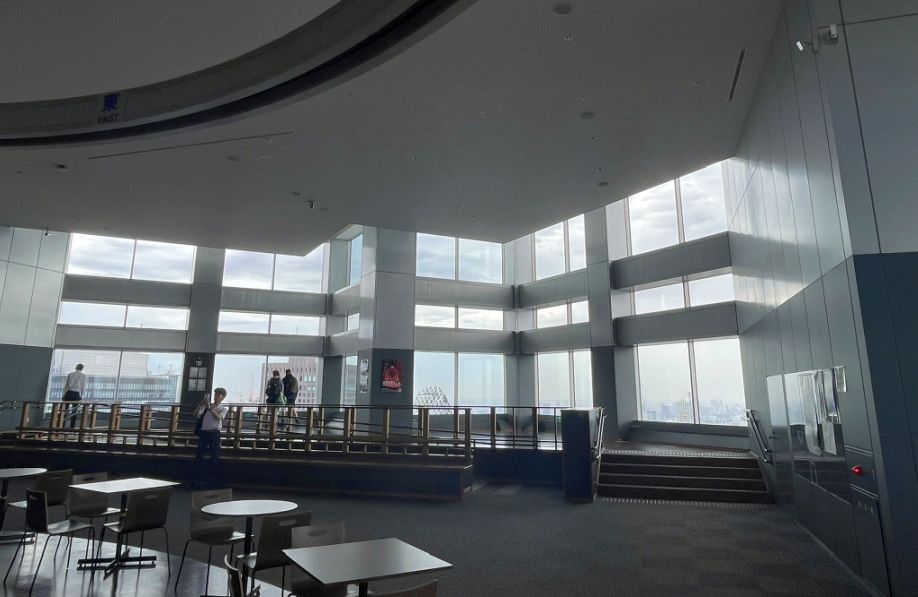
Looking out from that quiet, circular space with the soft murmur of visitors behind us and the coffee counter nearby , the city felt vast yet perfectly ordered, complex yet calm. It was a powerful final image of Tokyo: modern, immense, and quietly beautiful.
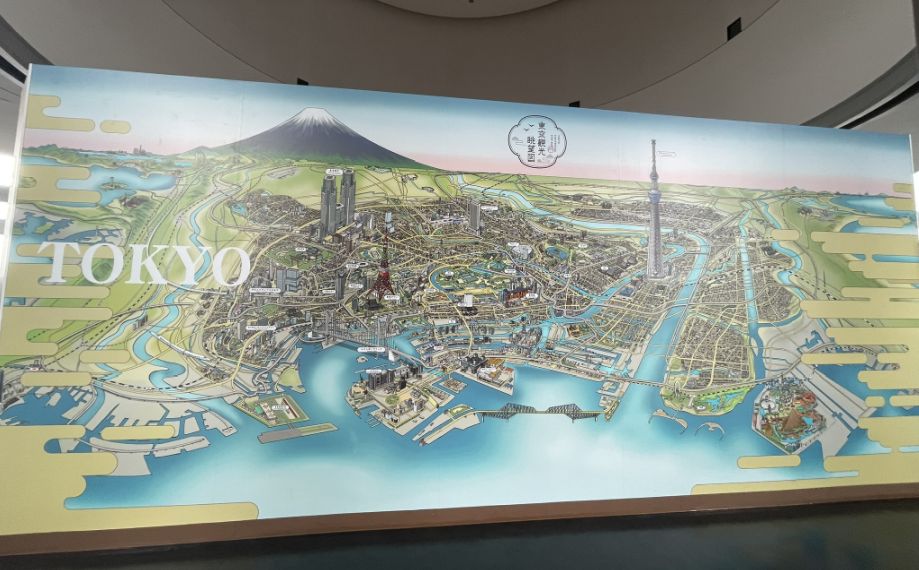
Map of Tokyo that shows Mountain Fujii in the distance, and on the right Tokyo tower.
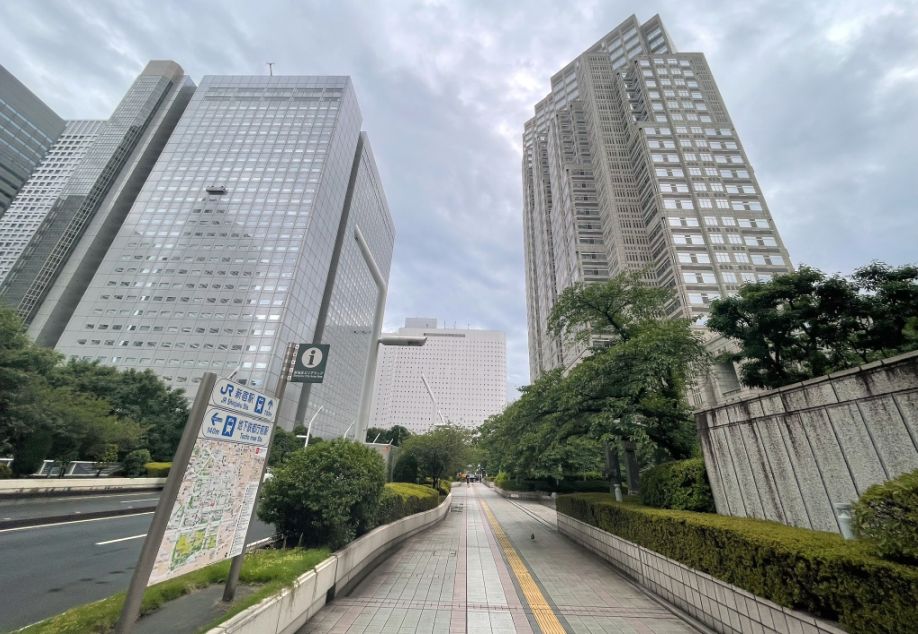
We are now done with our visit and walking around the area.
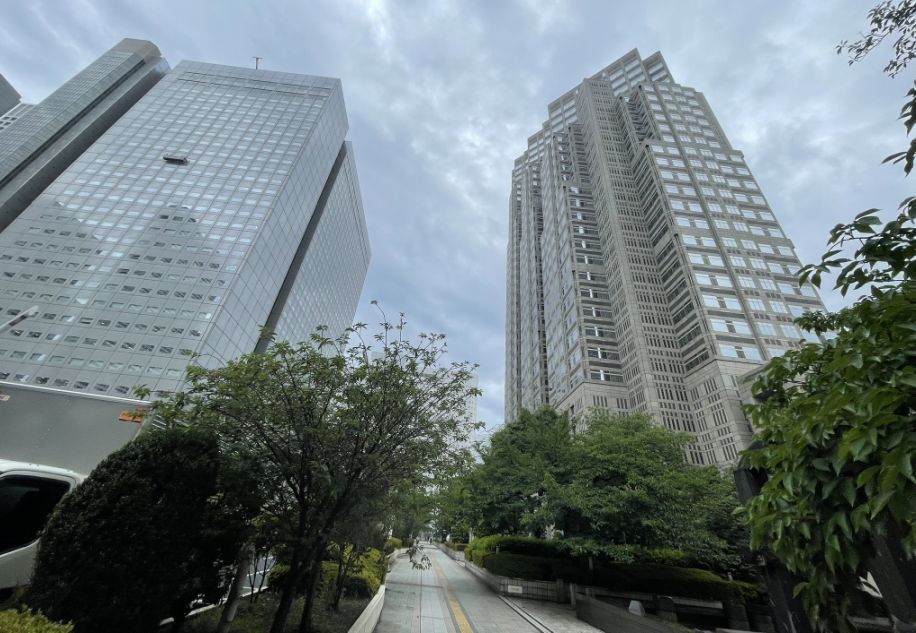
It was a very quiet and relaxing walk as there was nobody around.
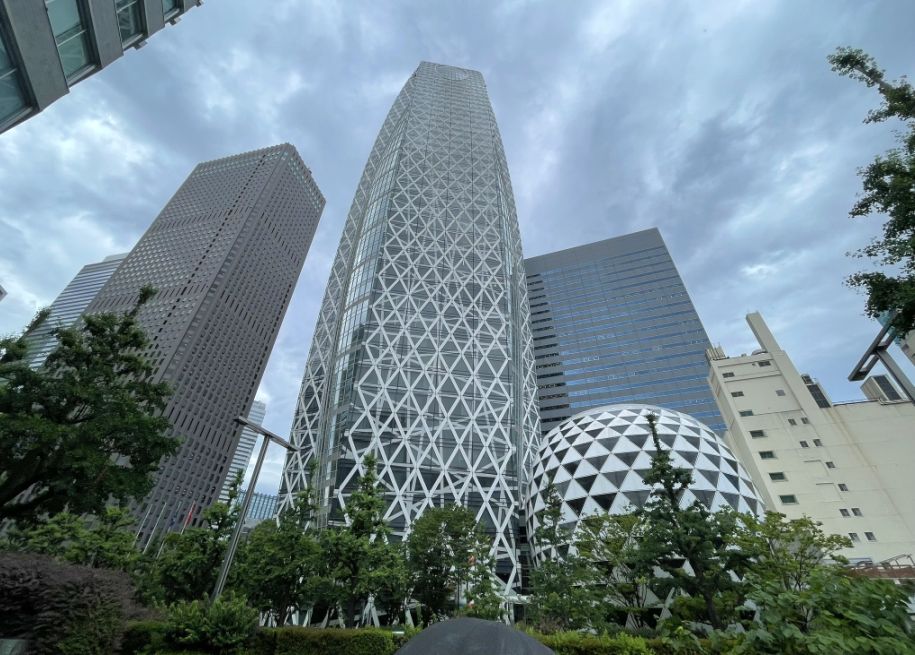
The last look at the Shinjuku area before heading to the airport.
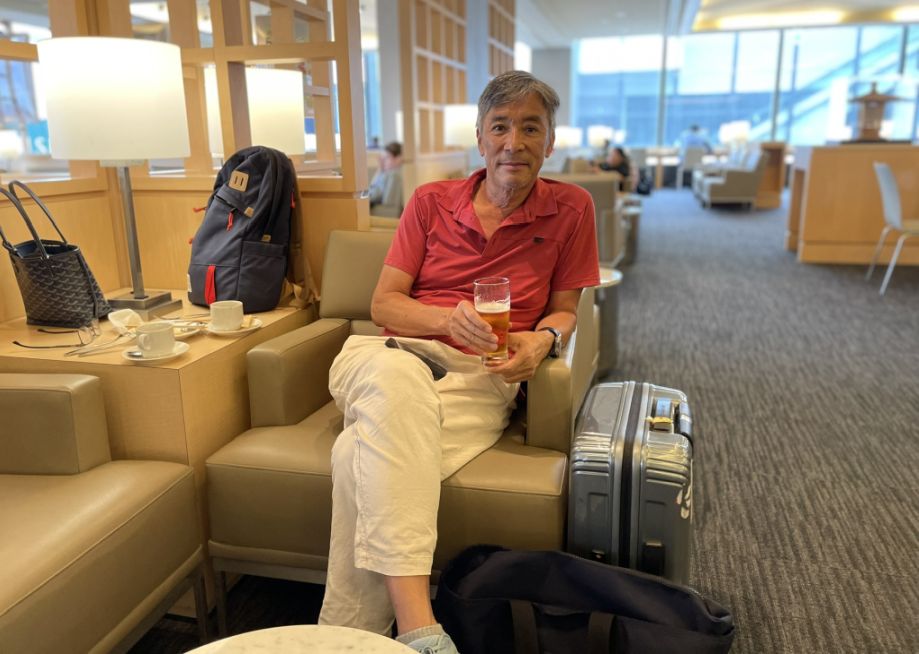
As our time in Japan came to an end, we made our way to the airport, moving quietly through the familiar rhythm of trains, terminals, and soft announcements. In the lounge, with a final drink in hand, we are finally ending our 2 months and a half of travel.
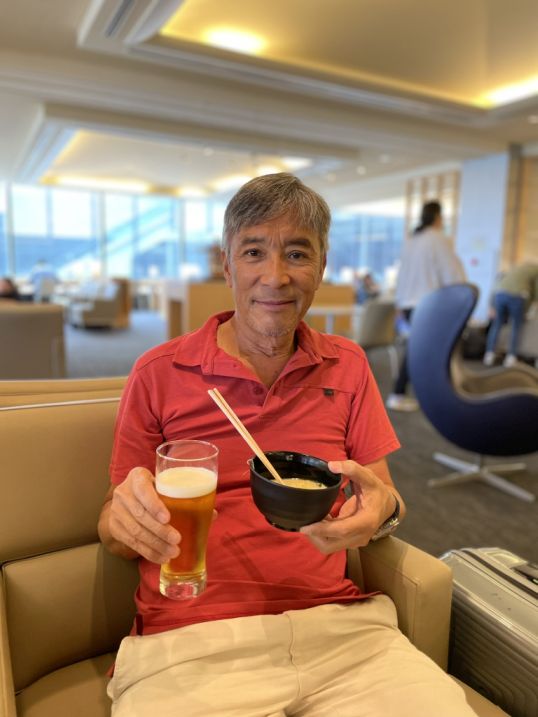 |
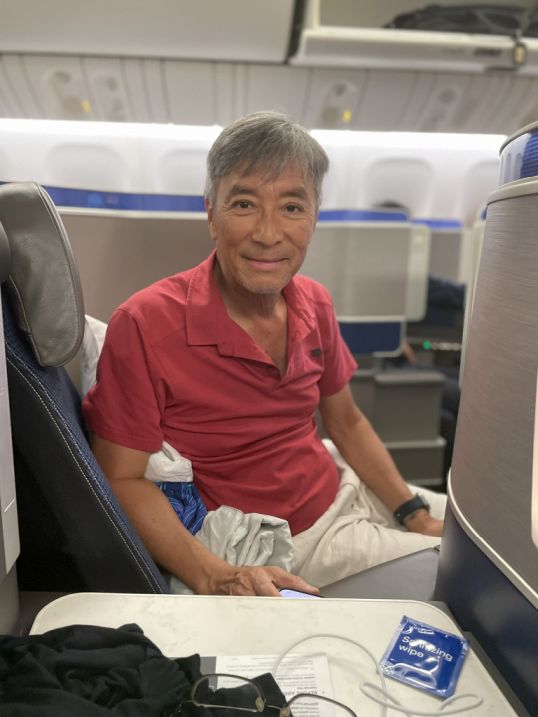 |
After a quick snack we boarded our plane.
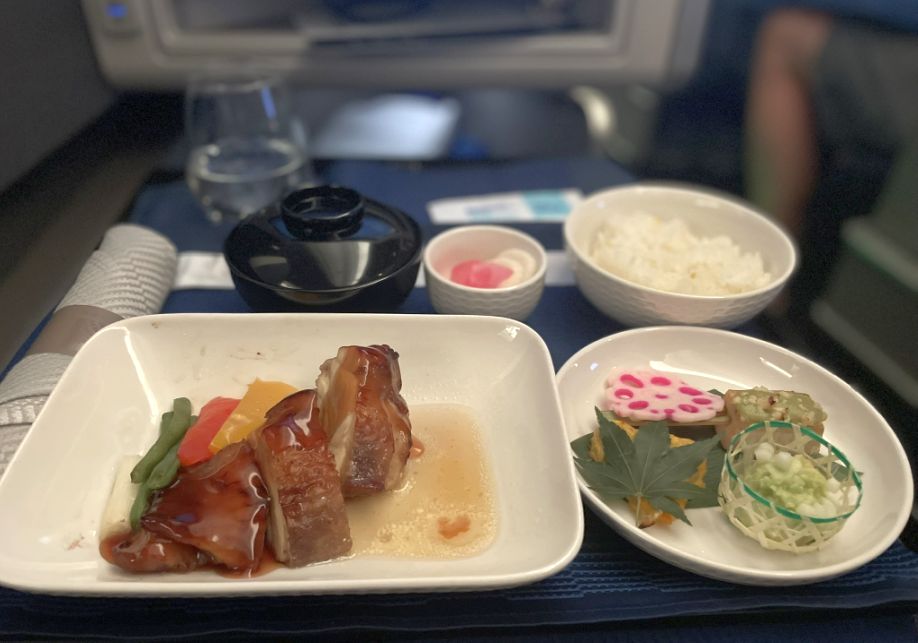
We had a wonderful meal on the plane.
On the plane, we looked back on everything this country had given us, the deep calm of Niigata’s wetlands and rice fields, evenings under neon lights in Tokyo, tiny alleyways filled with laughter, serene gardens, grand skylines, and meals that felt like small ceremonies. What stayed with us most was not only the beauty, but the feeling of everyday life unfolding gently around us, places without crowds, moments without urgency, a side of Japan that felt intimate and real. It was thoughtful, subtle, and deeply memorable, the kind of journey that lingers long after the suitcase is closed.
And this chapter was only one part of something even larger. For two and a half months, ever since Hoa retired, we had packed up our life in Shanghai and set out into the world, through the wide landscapes of New Zealand, the sunlit cities of Australia, the chaos and beauty of Bali, the flavors and warmth of Malaysia, and finally, the quiet depth of Japan. It was more than travel; it was a celebration of time newly claimed, of freedom long earned. Each country added its own color, its own rhythm, its own lessons. Now, as the plane lifted into the sky and turned toward home in Los Altos, we carried not just photos and souvenirs, but the rare gift of shared days without clocks, stories written across oceans, and the knowledge that this journey marked the beginning of a new season of life, one defined not by work schedules, but by curiosity, togetherness, and the simple joy of moving through the world side by side.