9 days in Japan- 6/23- 7/1/2024
Day 7-Arakawa, Tokyo -6/29/2024
This morning we took the train from Shinjuku to Arakawa that is located on the northeastern side of Tokyo, a quieter, more residential ward that feels far removed from the neon rush of Shinjuku even though it is not far at all. From Shinjuku Station, the ride takes about 25–35 minutes by train, depending on the route and transfers. It is close in distance, yet emotionally it feels like stepping into another era of Tokyo. slower, more intimate, and deeply local.
Arakawa City is one of the 23 special wards of Tokyo. These wards function much like individual cities, but together they make up the core of metropolitan Tokyo. So even though Arakawa feels quieter and more traditional, especially around areas like Yanaka with its old shopping street, temples, and small local shops, it is still officially within Tokyo, just a very different side of it compared to places like Shinjuku or Shibuya.
|
|
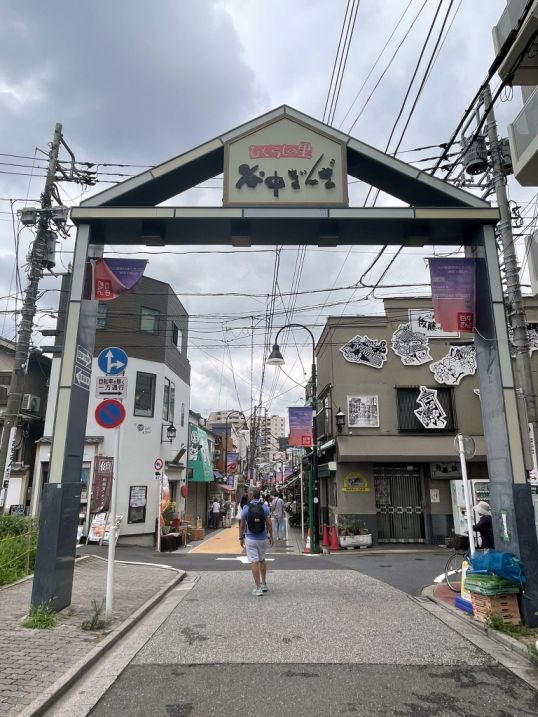
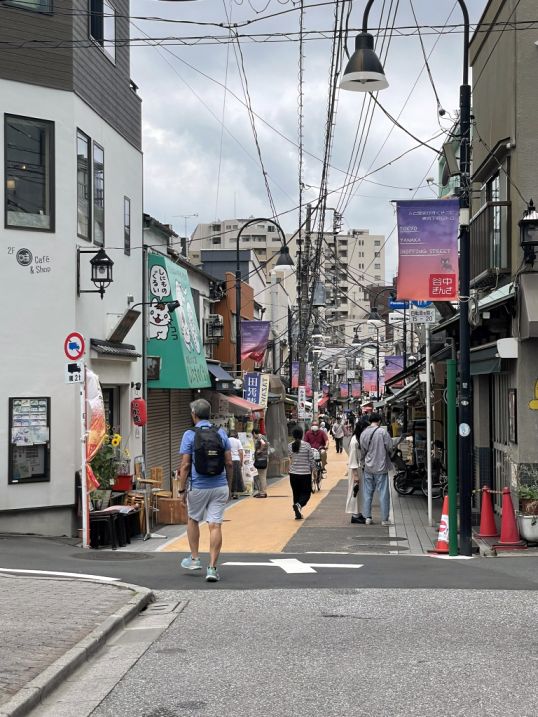
Our first stop was Yanaka Ginza Shopping Street, often called Tokyo’s old-town shopping street. The narrow road slopes gently downhill, lined with dozens of small family-run shops packed tightly together.
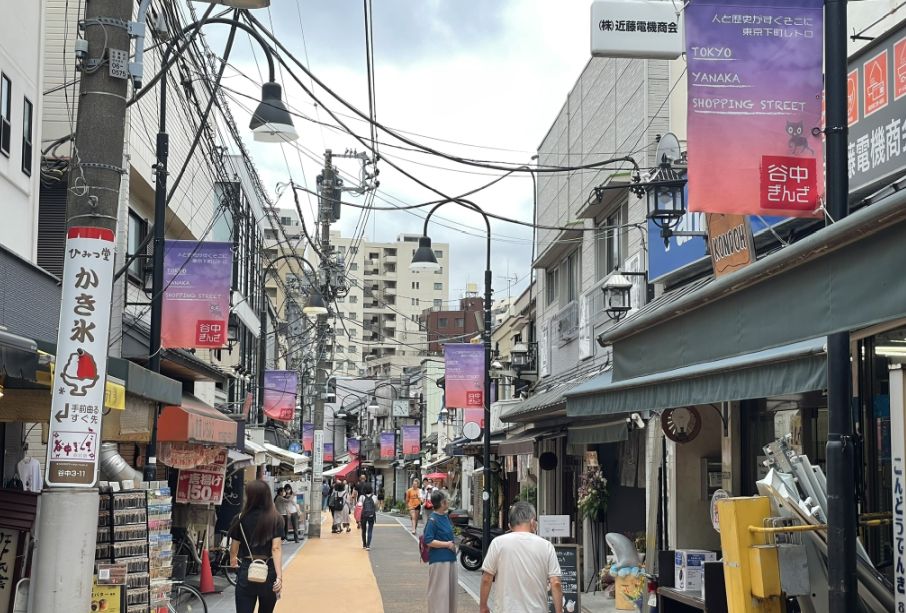
Instead of glass towers and chain stores, there are wooden storefronts, hand-written signs, and the warm smell of food drifting through the air.
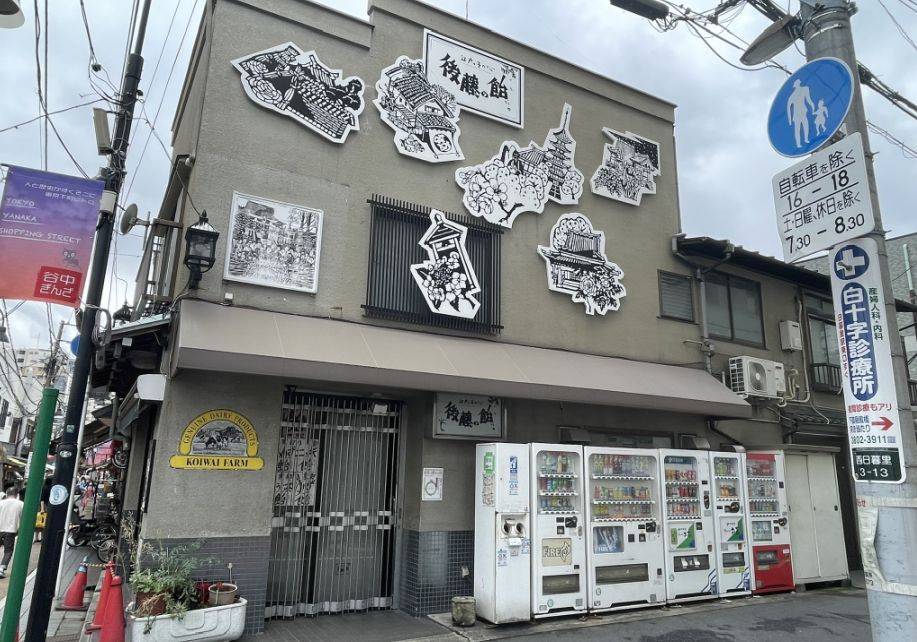
This store is the historic Seishin Milk Shop, often referred to locally as
Seishin Nyuryo), a fixture of the

The "Genuine Dairy Products" sign is a nostalgic architectural feature. While the neighborhood has become popular tourist spot known as "Cat Town," this shop remains a quiet reminder of the area's origins as a local residential market.
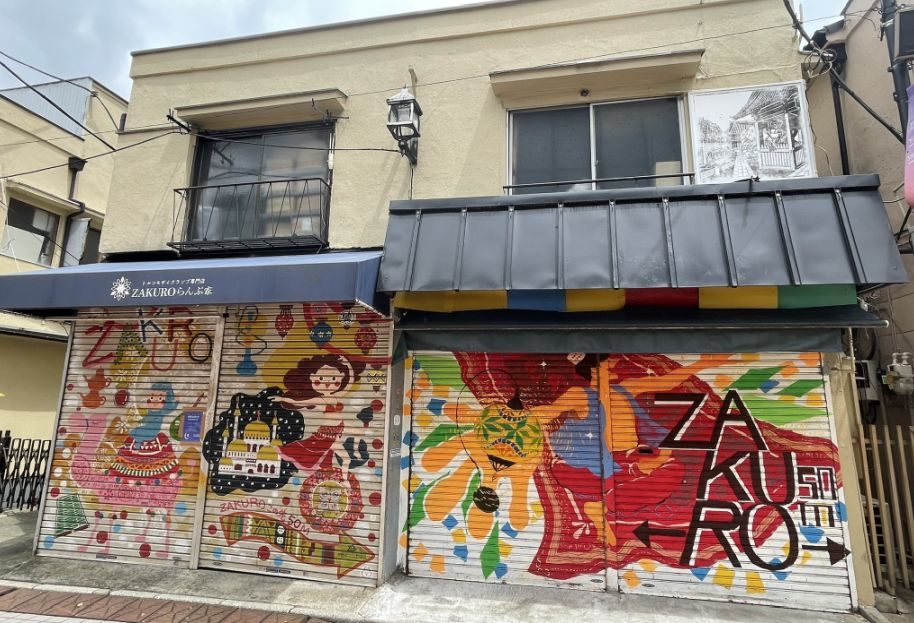
A vibrant paintings on the metal shutters of Zakuro store front. ZAKURO is a Middle Eastern restaurant and bazaar that specializes in Persian, Turkish, and Uzbek culture.
The paintings on the left depict scenes from the Middle East, camels, desert landscapes, and intricate patterns reminiscent of Persian carpets.
The murals are usually hand-painted, often by the staff or local artists commissioned by the owner to make the storefront stand out even when it is closed. It serves as a colorful "canvas" that brightens up the traditional Japanese "Shitamachi" (old town) vibe of Yanaka.
 |
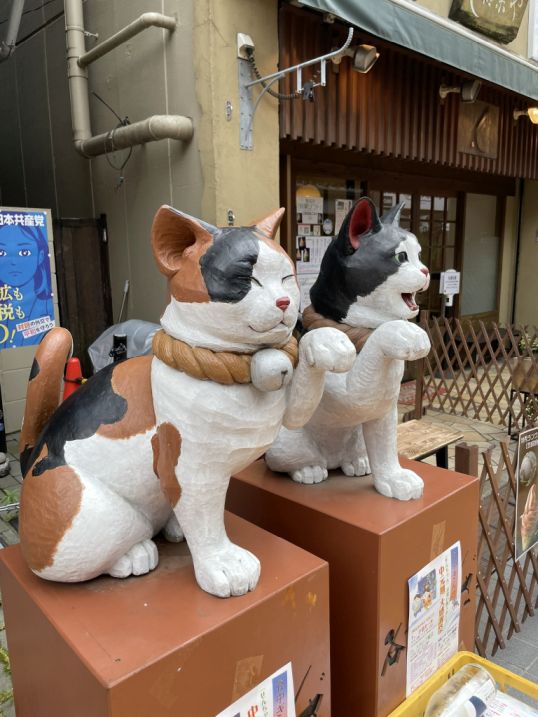 |
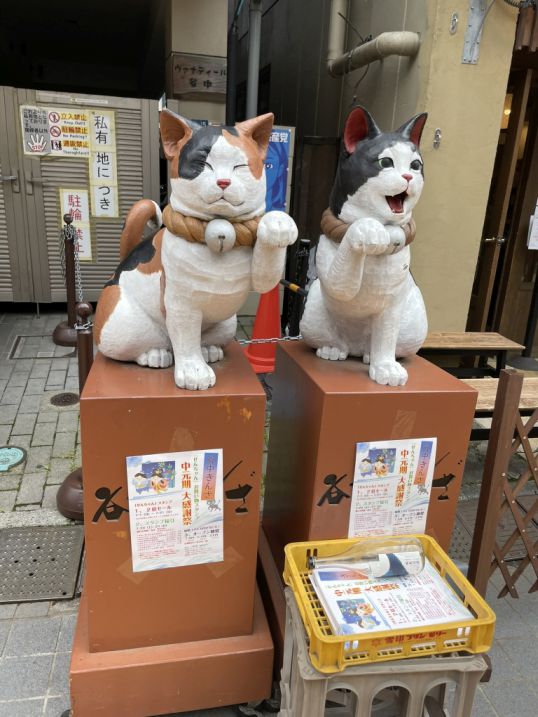
The two statues are the stars of Yanaka Ginza
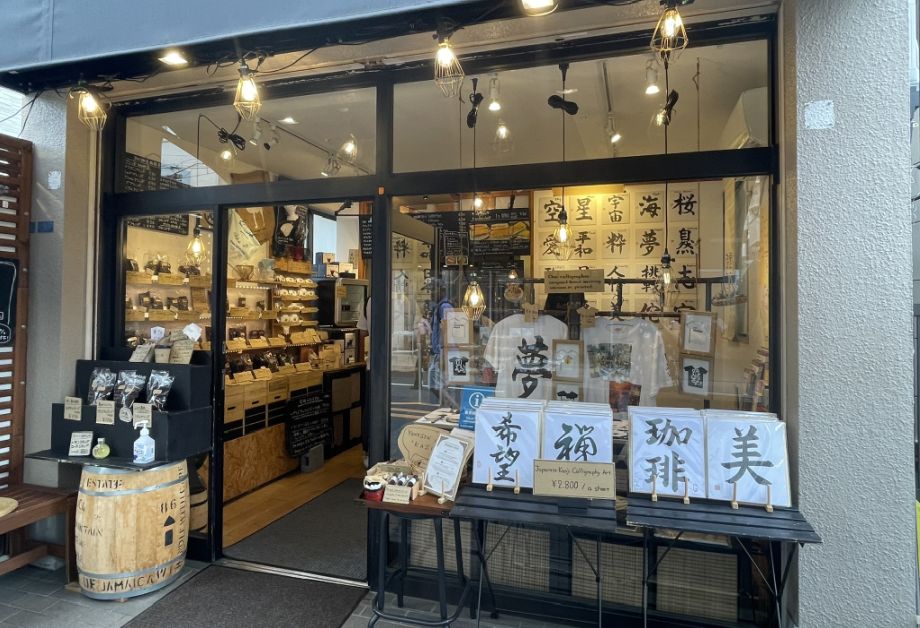
All the shops in this street are not big franchises. Usually, the person behind the counter is the artist themselves, which is why the street feels so personal and authentic. This whole area is one of the last remaining "Shitamachi" (old downtown) districts where the community still feels like a small village rather than a big city.
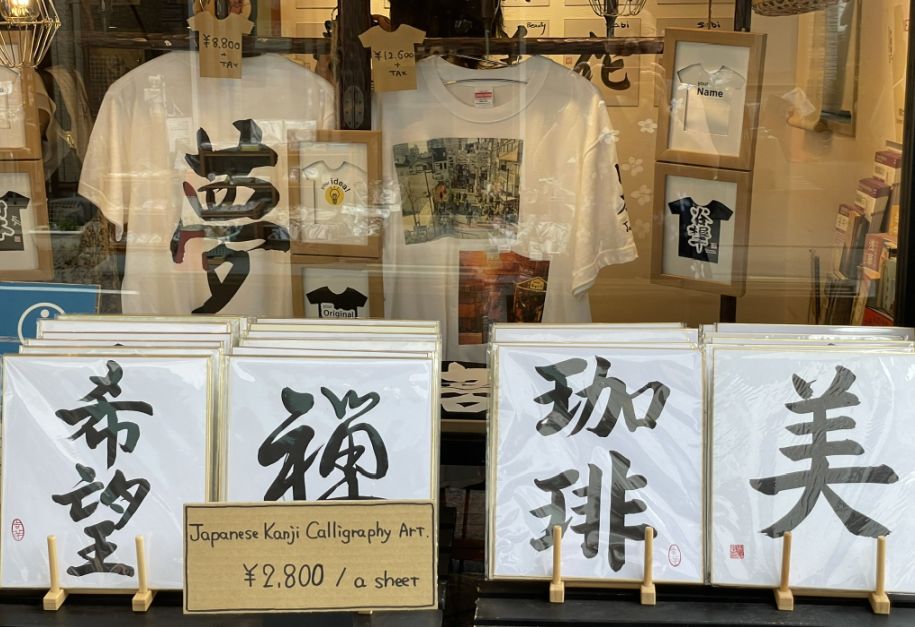
This shop sells Japanese Kanji Calligraphy, and they can also hand-paint a Kanji character that represents your name, a personality trait, or a wish (like "Health" or "Success") directly onto the fabric.
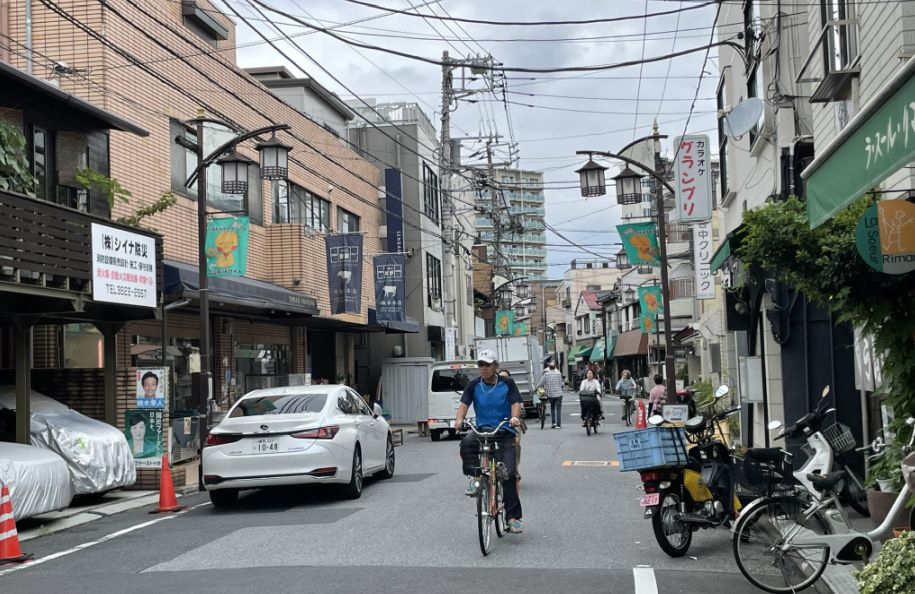
Locals riding their bikes through the street is a sign that this isn't just a "tourist museum", it’s a living neighborhood.
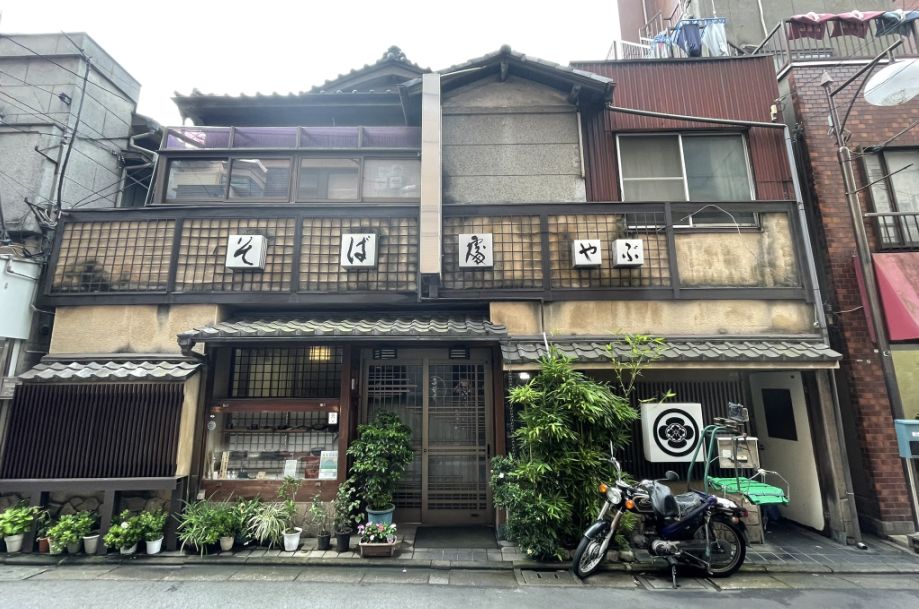
A local restaurant along the way...
 |
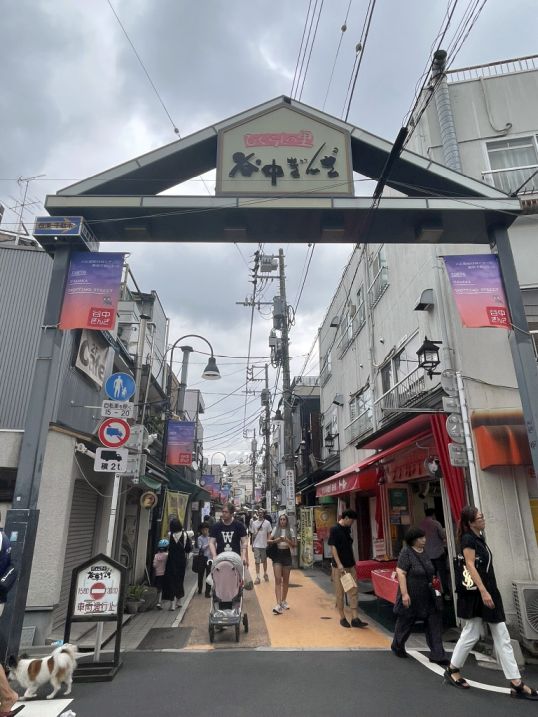 |
Yanaka Ginza is surprisingly short, it’s only about 550 feet long, and it does not take very long to walk the whole street, so we turned back.
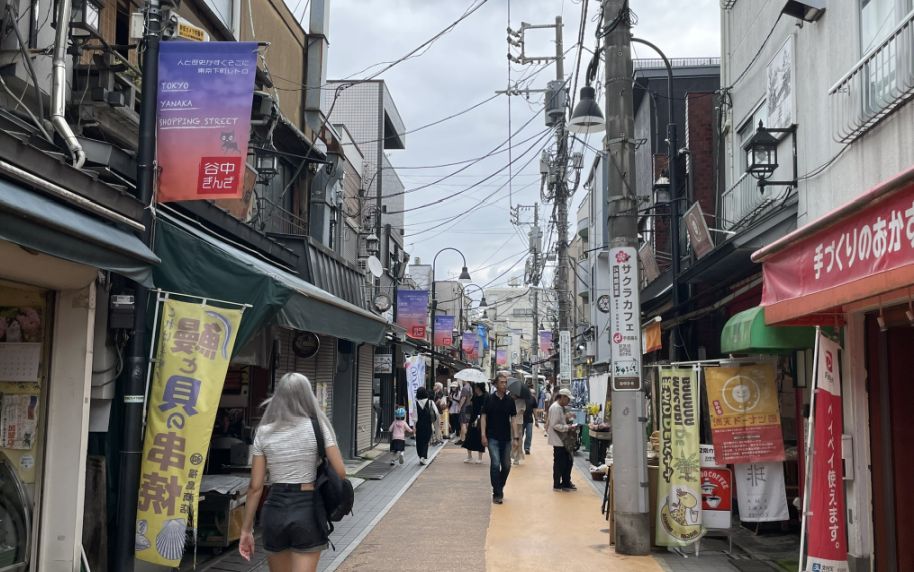
This area is pretty contained and it was designed as a "neighborhood kitchen" rather than a sprawling mall. There are about 60 small shops packed into that 550 ft. stretch. The "action" is very dense, so even though the walk is short, your eyes are constantly moving from one shop sign to another.
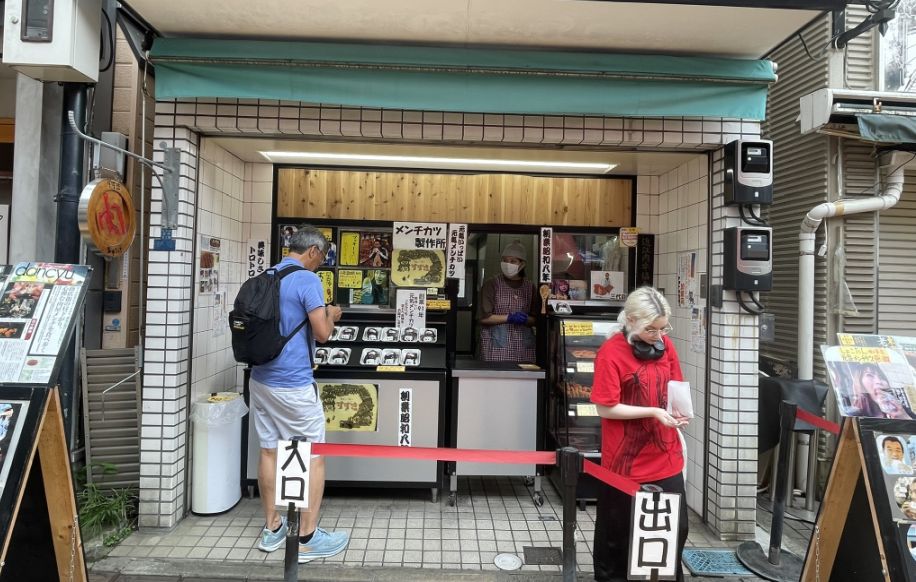
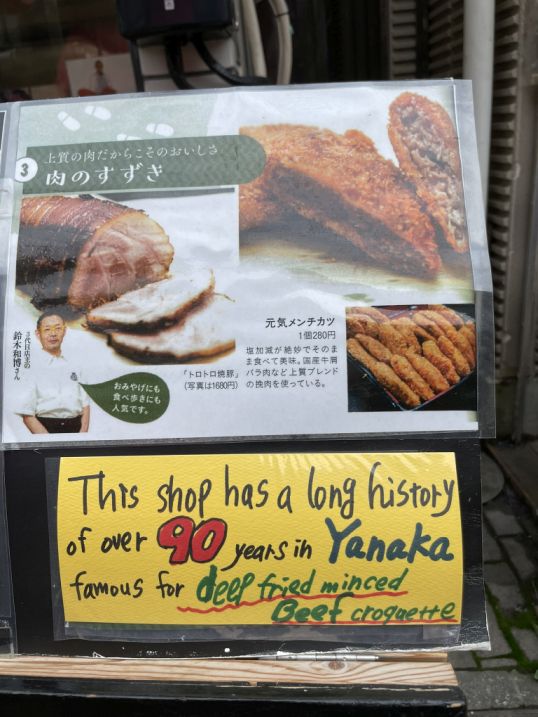
We stopped at Niku no Suzuki (founded in 1933) to buy a "Menchi-katsu" (Minced Beef Croquette). This store is famous for their minced beef croquette on this street for nearly a century.
 |
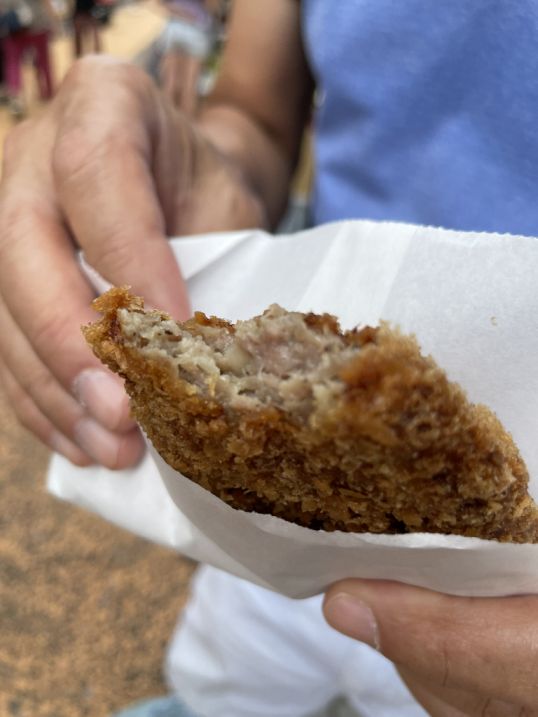 |
The shop typically use a mix of high-quality beef (sometimes even Wagyu or Koshihikari beef) and Australian beef, blended with plenty of chopped onions to make it sweet and juicy. They also they use high-quality lard for frying, which gives the breadcrumbs (panko) that incredibly light, golden-brown crunch we experienced.
 |
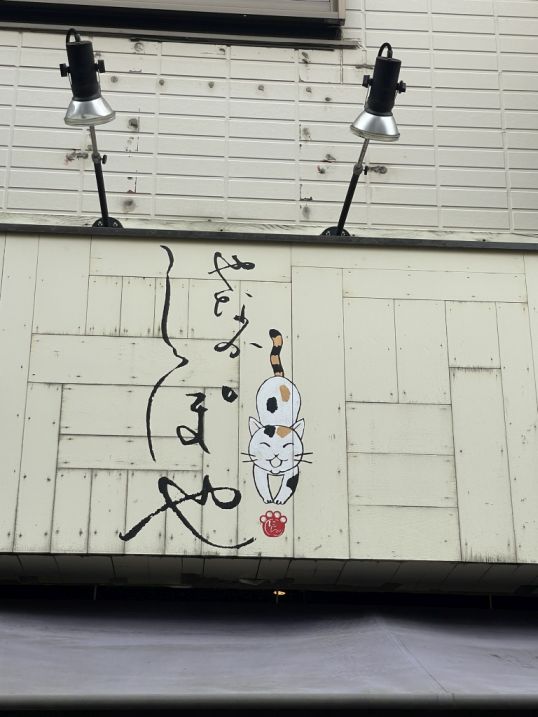 |
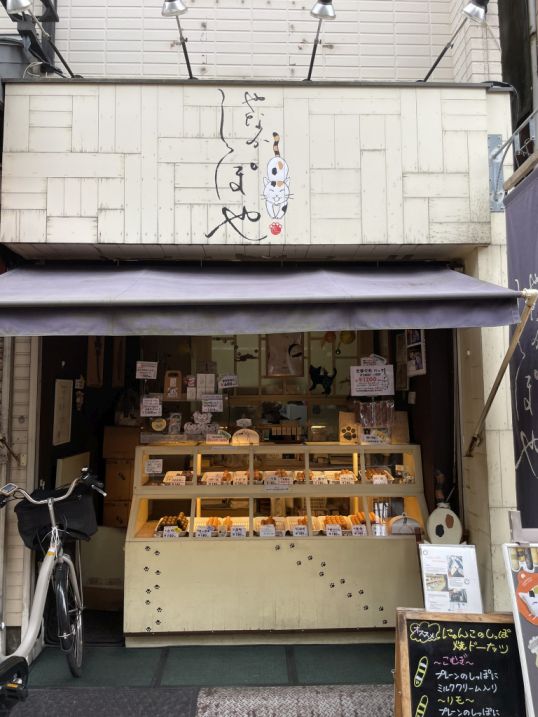
Yanaka Shippoya (meaning "The Tail Shop") is one of the most famous stops in the district. They are famous for "Nyanko no Shippo" (Kitten Tails). These are long, baked donuts (not fried) that are shaped specifically to look like the tails of different types of cats.
The drawing of the white cat with black and brown markings is actually a Calico cat (known as Mike-neko in Japanese), which is considered very lucky.
 |
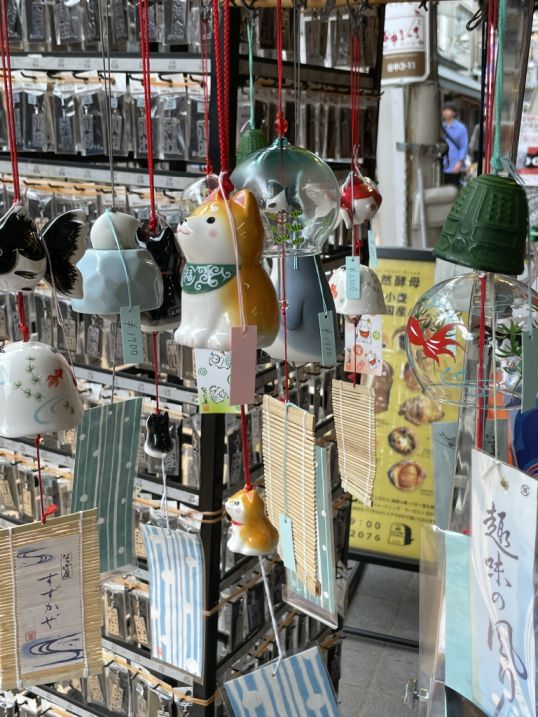 |
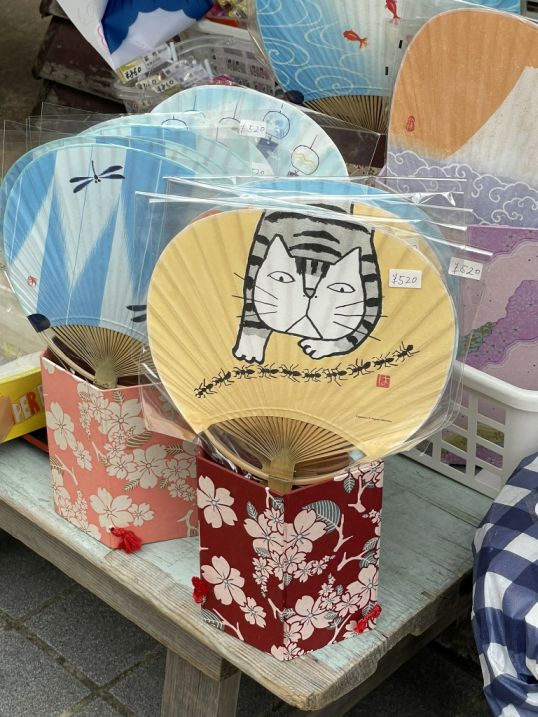
As we noticed, the further we walk, the more "cat-themed" everything becomes. This phenomenon has a specific name in Japan: "Neko-machi" (Cat Town).
These merchandises with the cats theme, and on the right, the statues hanging from eaves, the charms, and the drawings, isn't just for tourists; it's a neighborhood identity.
In Japanese culture, the cat is a symbol of "shofuku" (inviting luck). Because Yanaka survived the fires of WWII and the Great Kanto Earthquake, locals feel a strong connection to the idea of "luck" and "protection," which the cats symbolize.
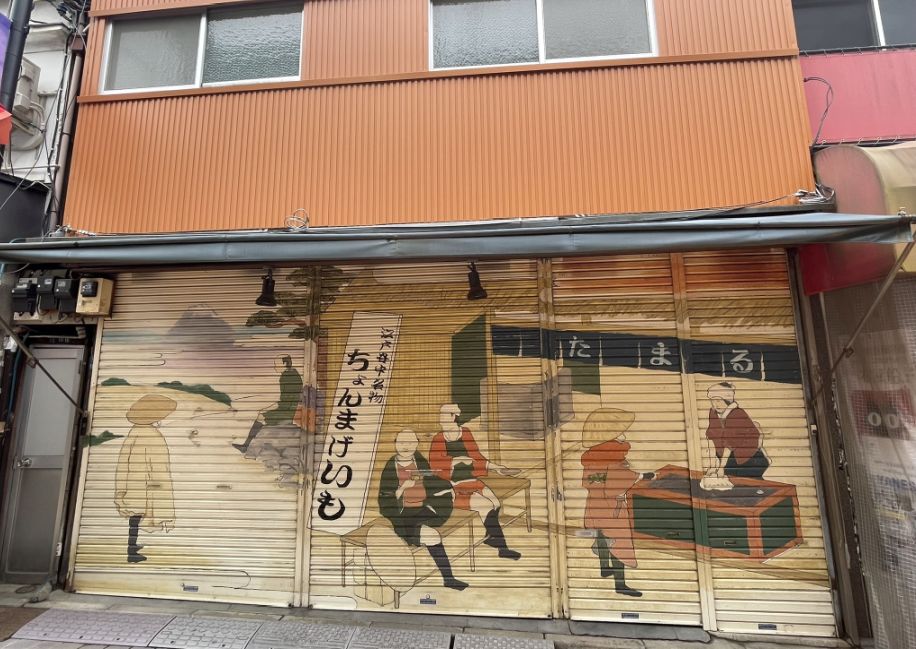
This is the Yanaka Matsunoya, one of the traditional craft shop, a beautiful painting that depict "ordinary" life from the Edo Period (1603–1867). In a neighborhood like Yanaka, which is famous for its "temple town" history, these murals are a tribute to the people who would have walked these exact same streets hundreds of years ago.
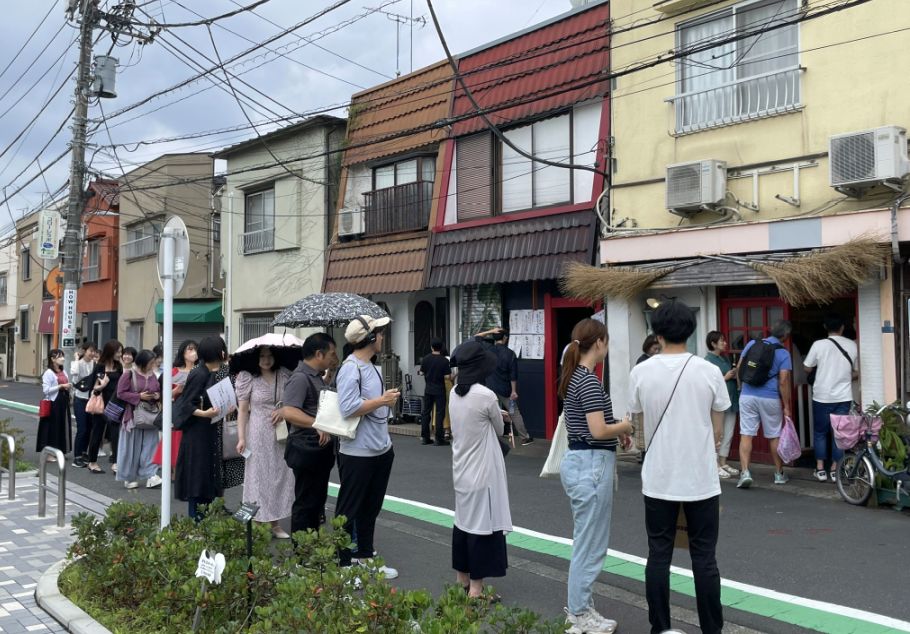
A very long line of people in front of Himitsudo
 |
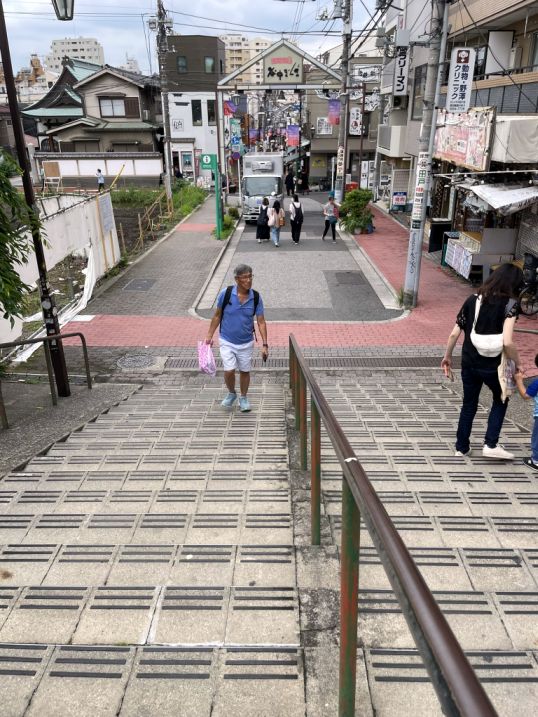 |
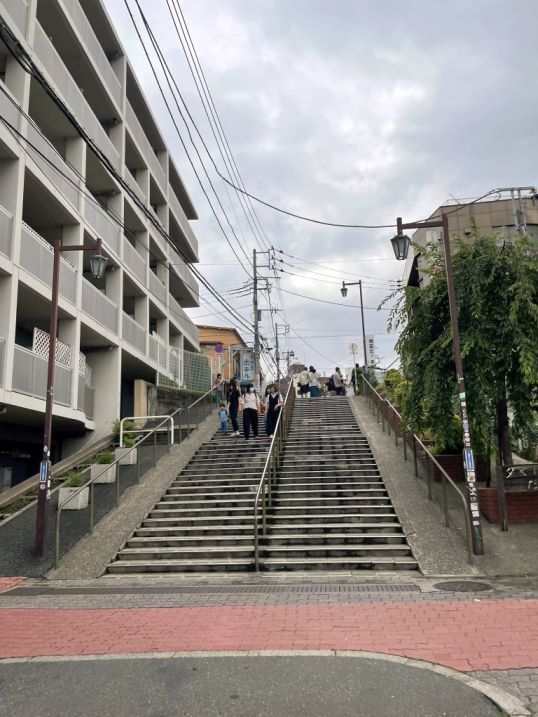
We left Yanaka Ginza Shopping Street, and in front of us is the Yuyake Dandan" (Sunset Stairs) or one of the smaller stone paths leading toward Sendagi Station.
When we are at the bottom of the stairs, we are in the "low town" (Shitamachi). As we climbed up, we are entering the "high town" (Yamanote).
 |
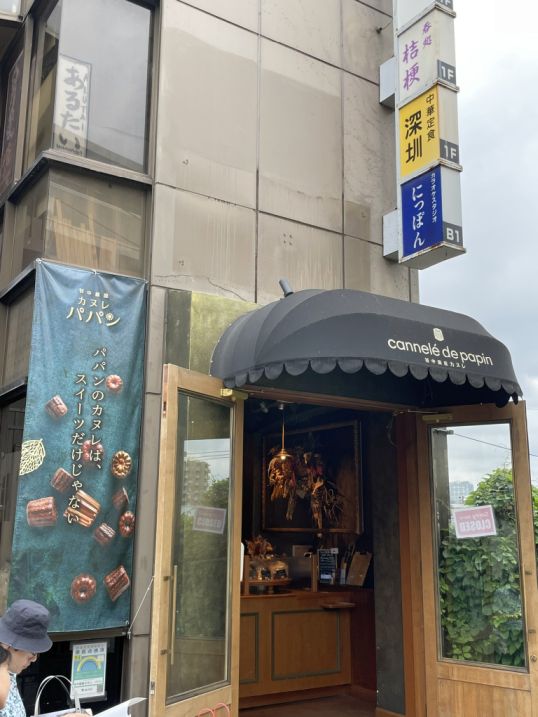 |
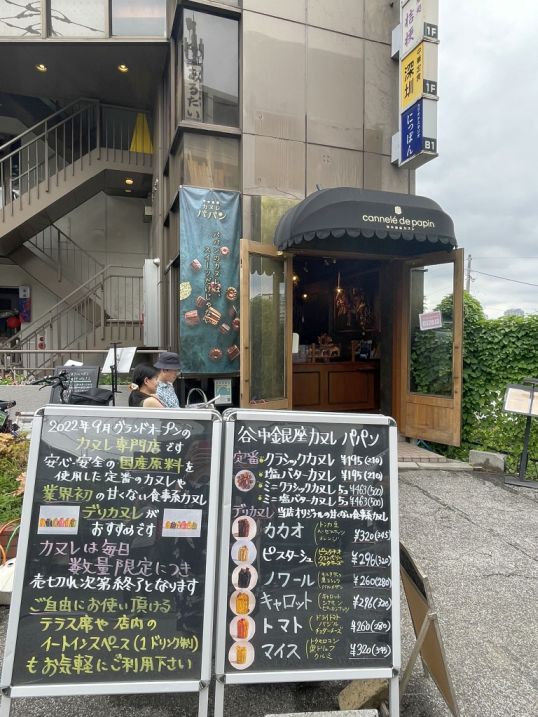
We were surprised to see Cannele de Papin here since it is 100% French. This is a perfect example of the "New Yanaka" movement. While the area is famous for 90-year-old butcher shops and traditional rice crackers, a new generation of artisans has moved in, blending French techniques with Japanese precision.
The area of Yanaka, Nezu, and Sendagi is affectionately called Yanesen. It has become a magnet for young pastry chefs who want to open small, independent boutiques rather than large commercial bakeries.
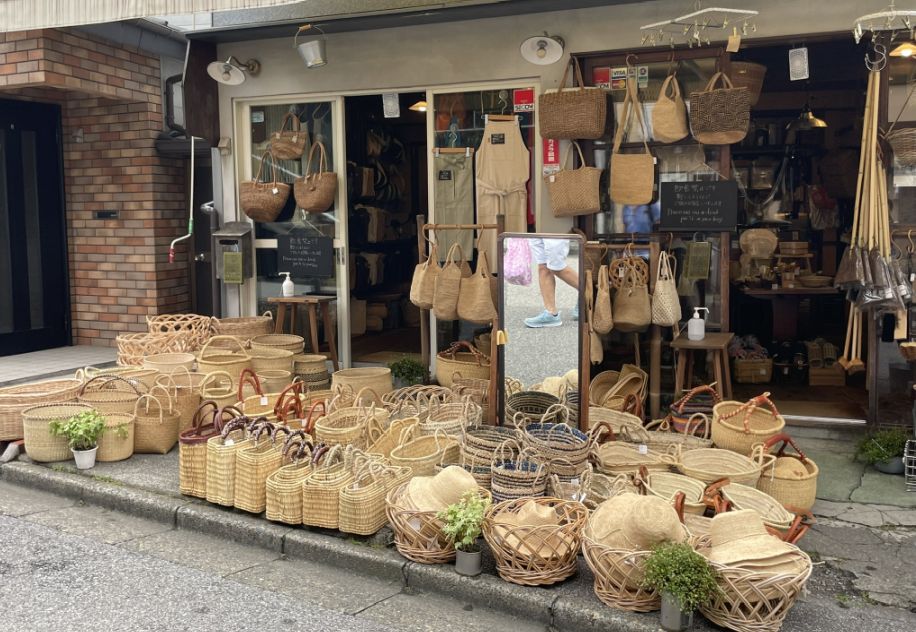
A boutique selling weave baskets, and other hand made baskets.
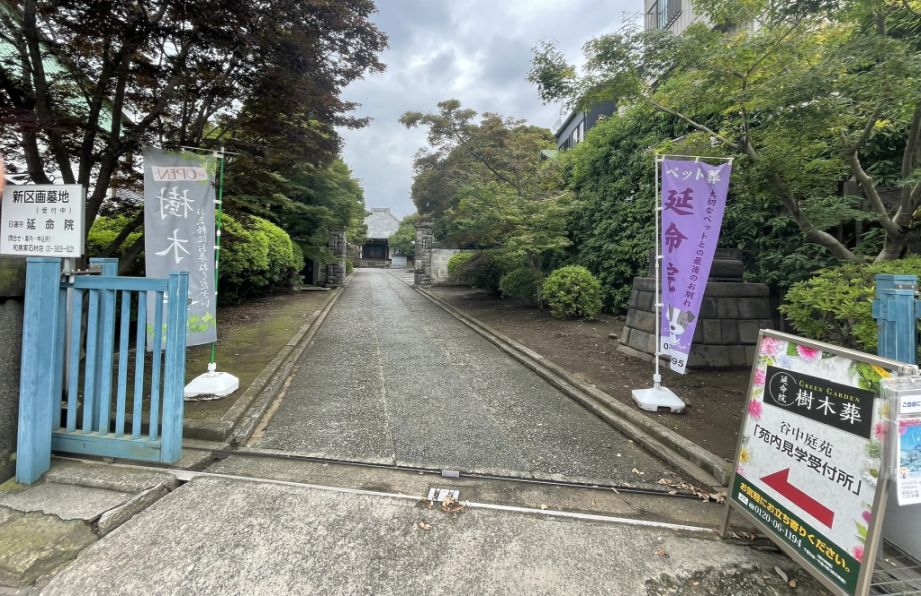
Along the way we stumble on Shōjō-in temple.
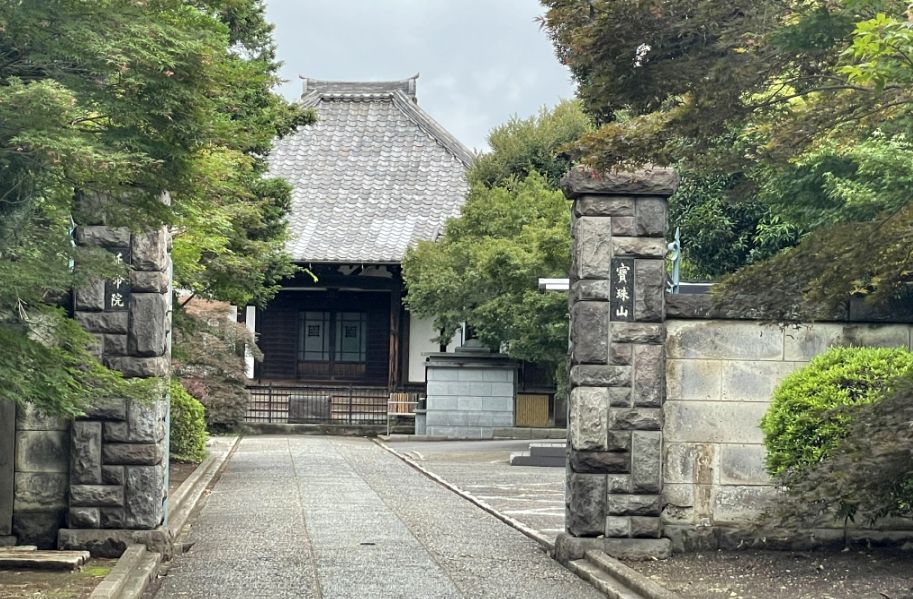
The gate was opened and we just walked in. This temple is famous for the Enmei Jizō (Statue of Enmei Jizō).
 |
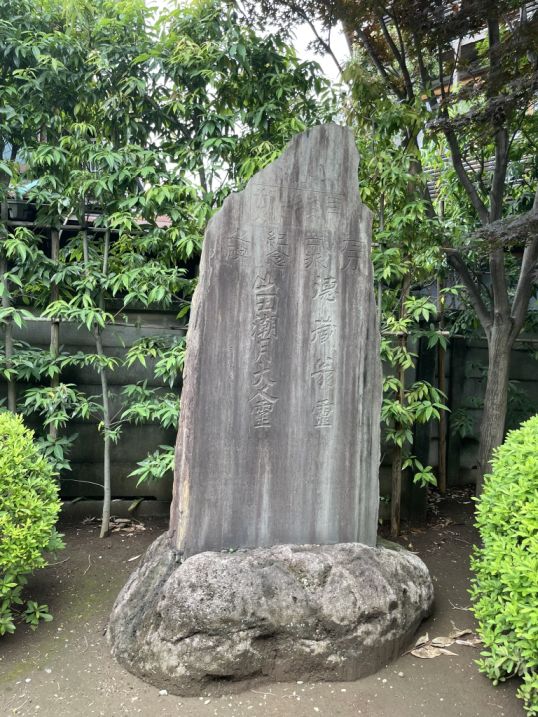 |
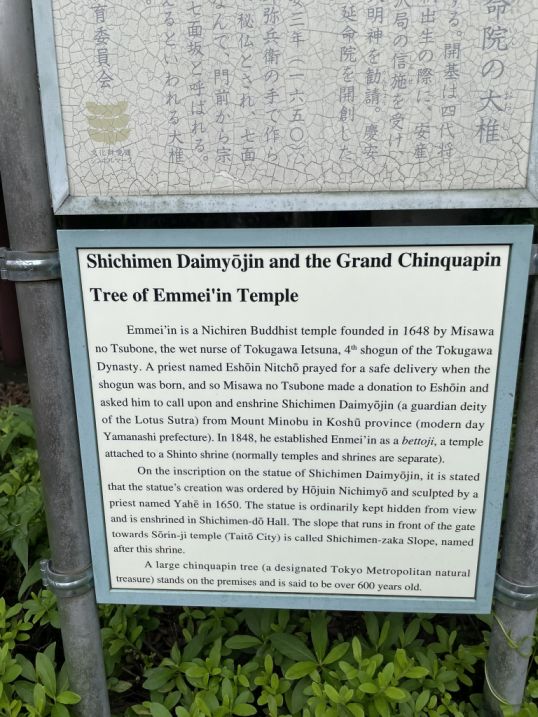
The sign "Tree of Emmei" refers to a sacred tree on these grounds associated with Enmei, which translates to "prolonging life" or "longevity."
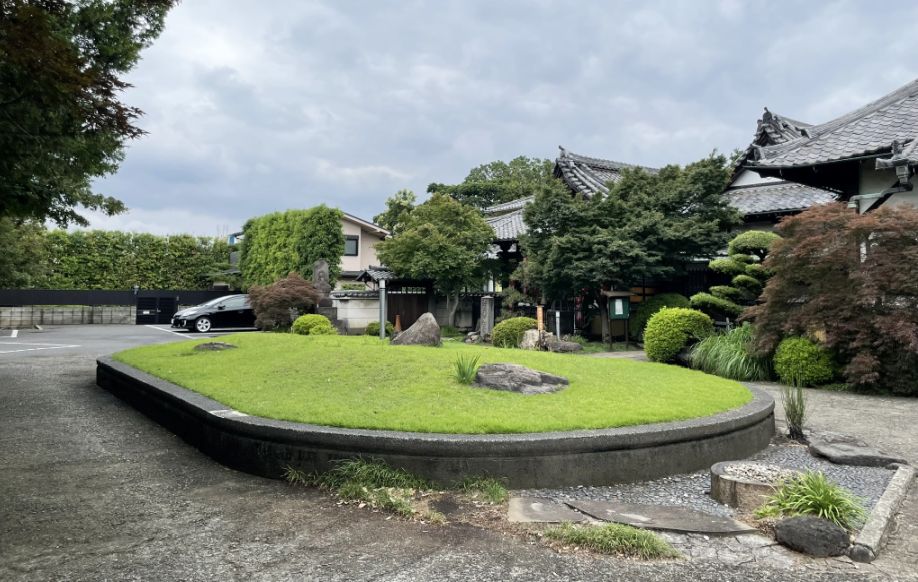
Shōjō-in belongs to the Jōdo (Pure Land) sect of Buddhism. It is a much more intimate, "hidden" temple compared to the larger ones nearby, which explains why it felt so quiet when we walked in.
 |
 |
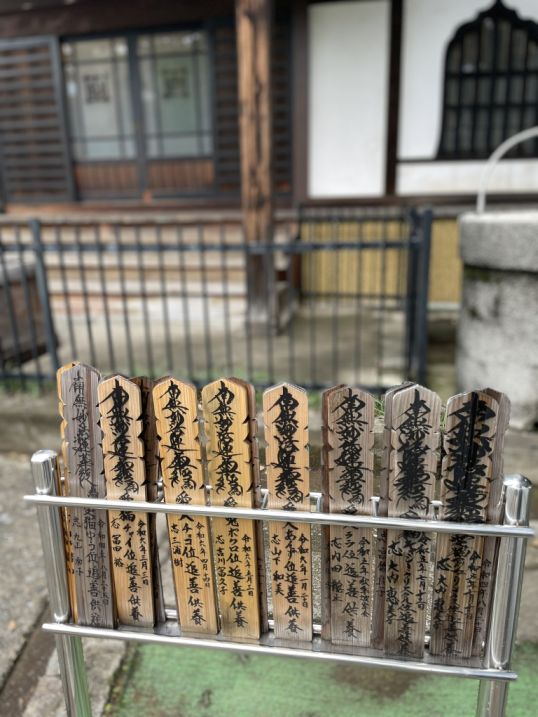
The wooden plaques shaped like arrows (or pointed sticks) are called Sotoba. They are a simplified, wooden version of a traditional stone pagoda. Family members buy these as a merit-offering to help the spirits of their loved ones reach enlightenment. Placing them in the temple grounds is considered a final act of kindness for the departed.
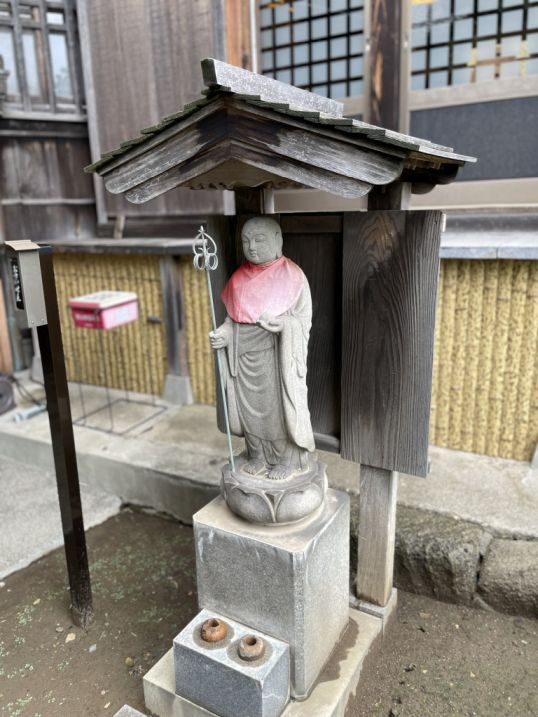
The statue standing on a lotus and holding a stick is almost certainly the Enmei Jizō, it is a specific manifestation of Jizō Bodhisattva, one of the most beloved figures in Japanese Buddhism. While Jizō is generally known as the protector of travelers and children, the "Enmei" version focuses on the preservation and extension of life.
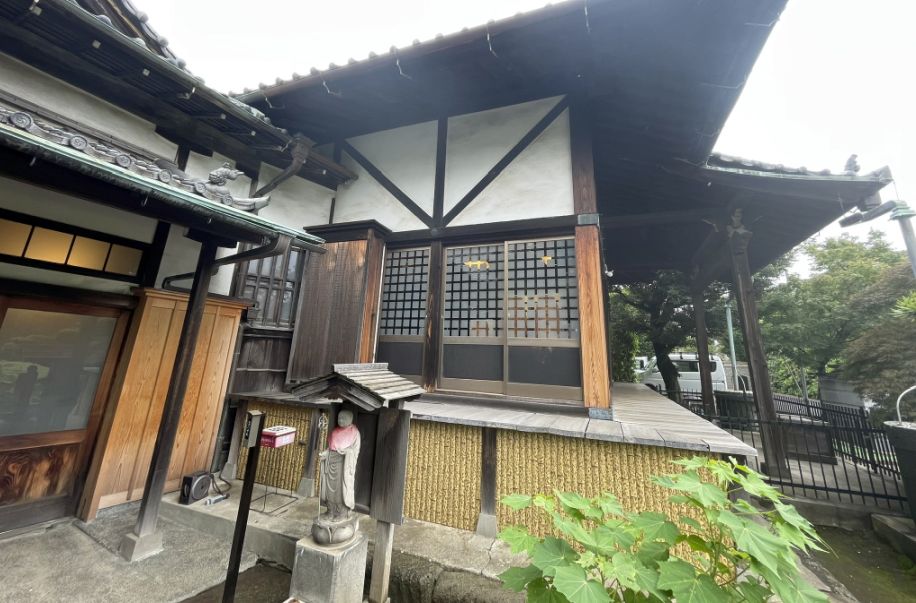
Because Enmei Jizō is associated with vitality, his statues are frequently found at the entrances of temples or along roadsides, serving as a spiritual "guardian" for the community. At Shōjō-in, he acts as a quiet, compassionate figure overseeing the temple grounds and those who visit seeking health and peace.
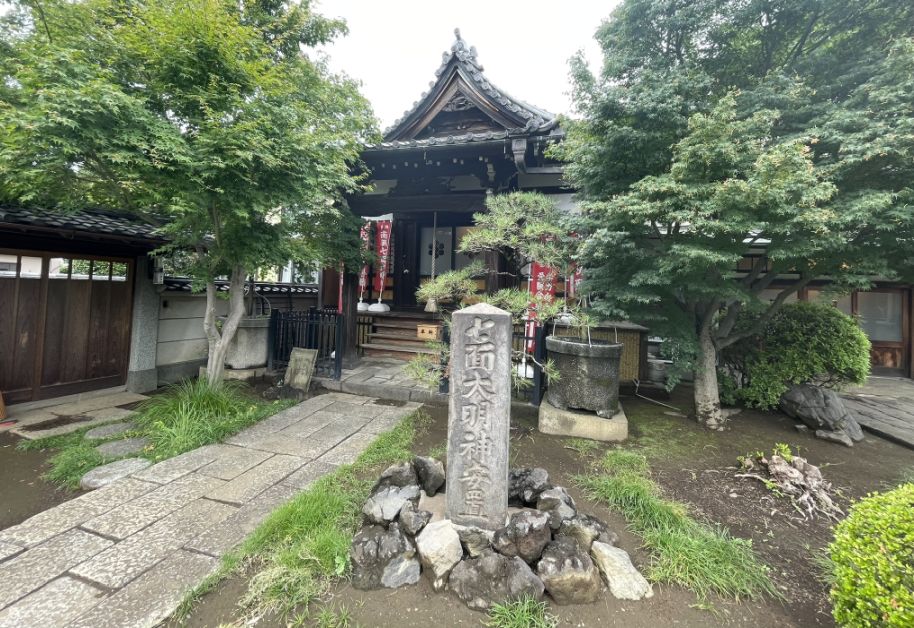
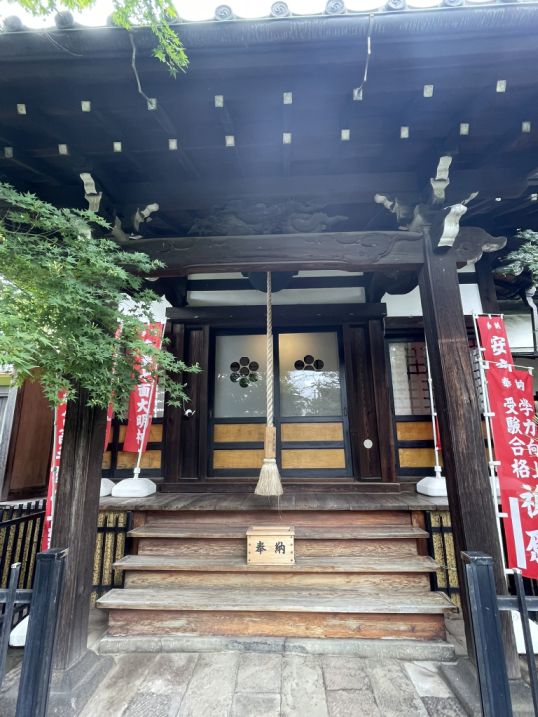
This shrine is the Suwa Jinja Shrine, a very old and important spiritual spot in the Yanaka/Nishi-Nippori area.
 |
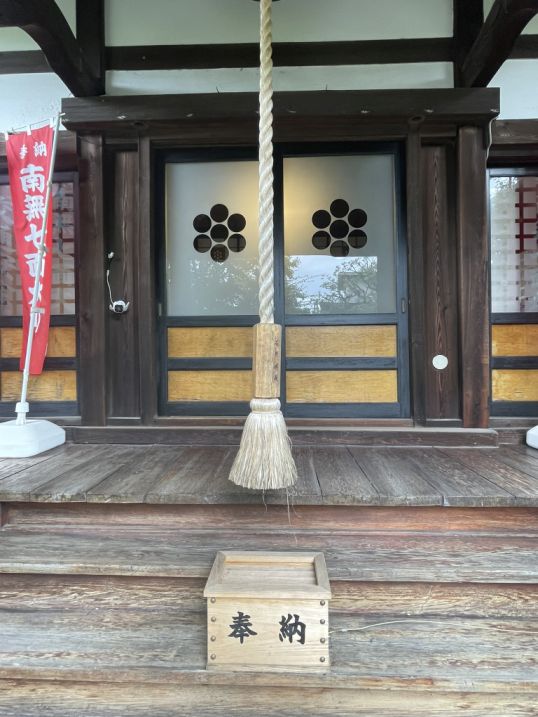 |
When people visit a Shinto shrine, they pull that cord to ring the bell. The sound is meant to wake up the Kami (deity) and purify the heart of the person praying.
 |
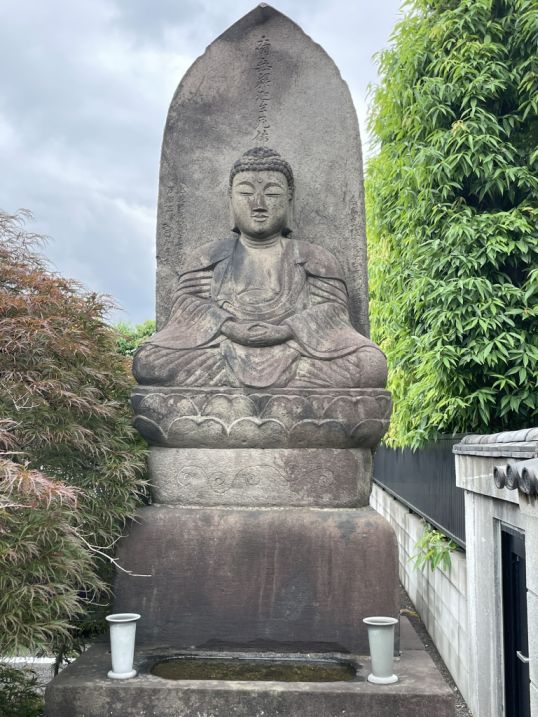 |
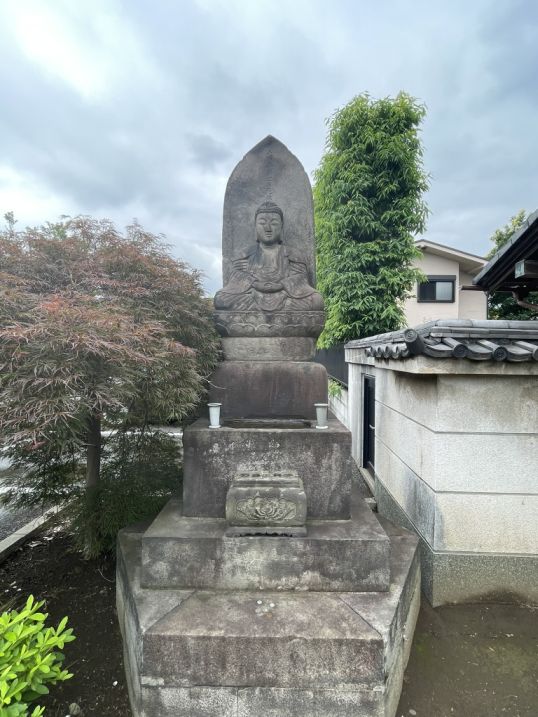
Buddha statue in the garden.
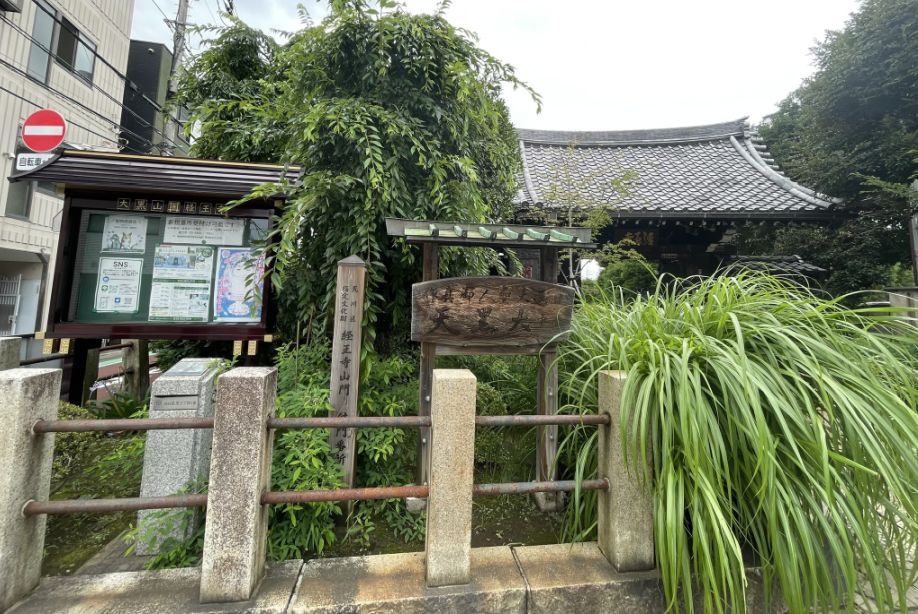
After we left the temple, and a few steps from Shōjō-in temple, we saw sign for another temple.
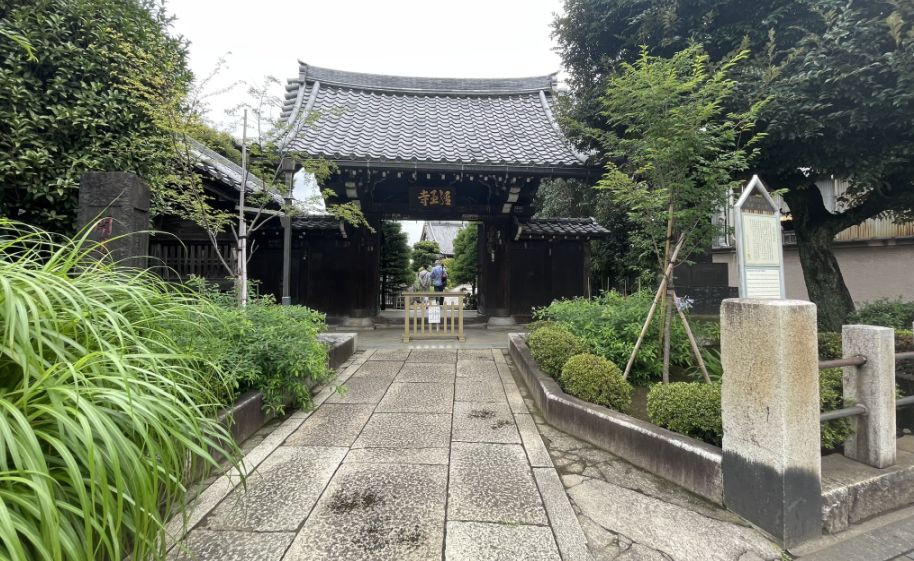
The entrance of Daikokuten Kyoo-Ji Temple.
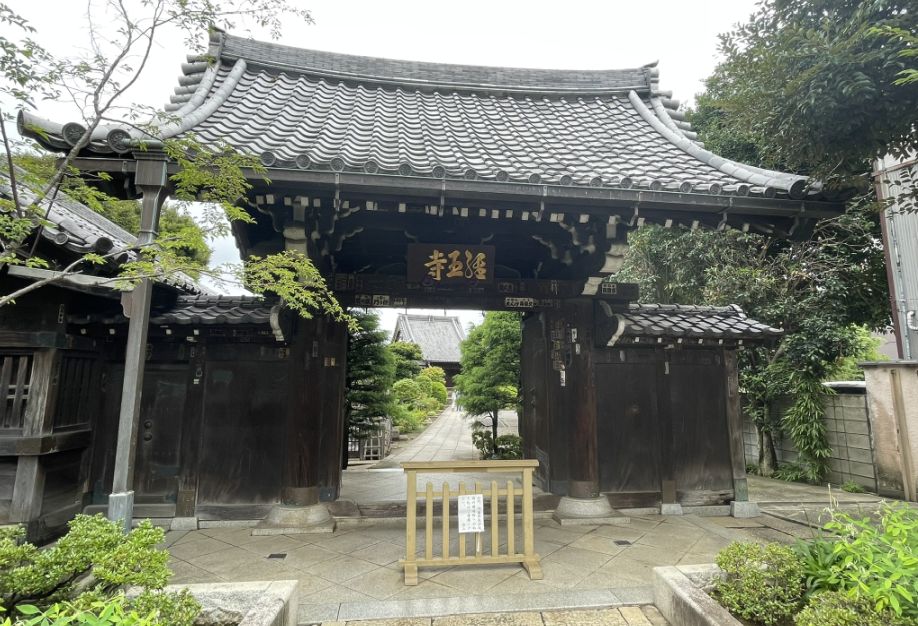
It is a small but deeply atmospheric Buddhist temple tucked quietly among the streets near Yanaka. It is dedicated to Daikokuten, one of Japan’s Seven Lucky Gods, known as the deity of wealth, food, and good fortune. Because of this, many local people stop here to pray for prosperity, good business, and a stable life.
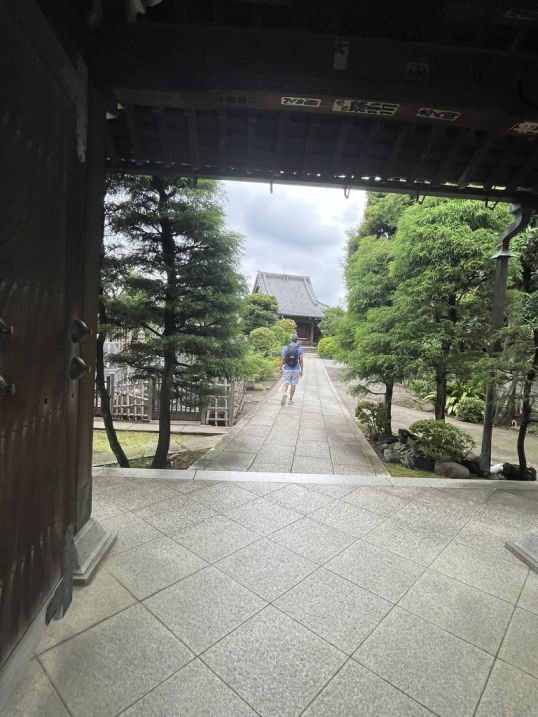
The entrance is modest, marked by a simple gate and stone steps that lead into a peaceful courtyard.
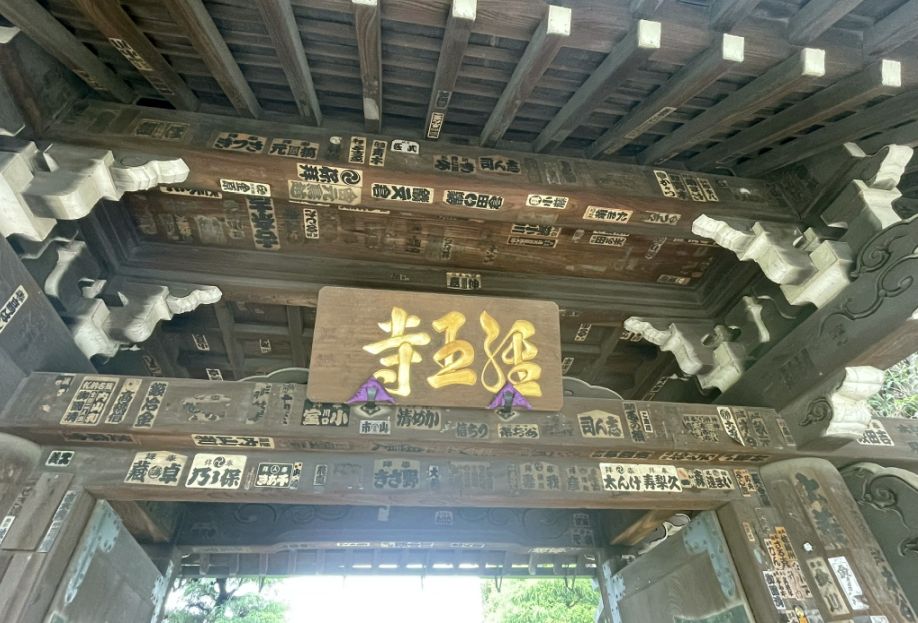
As we stepped through the gate, I instinctively looked up. The tall wooden ceiling above me was covered with rows of Chinese characters, brushed in black ink on pale wooden boards. They listed donors’ names and Buddhist inscriptions, layered one beside another like quiet records of devotion left over many decades. The wood had darkened with age, and the calligraphy felt solemn and intimate, as if the gate itself were a book of memories written by the community.
 |
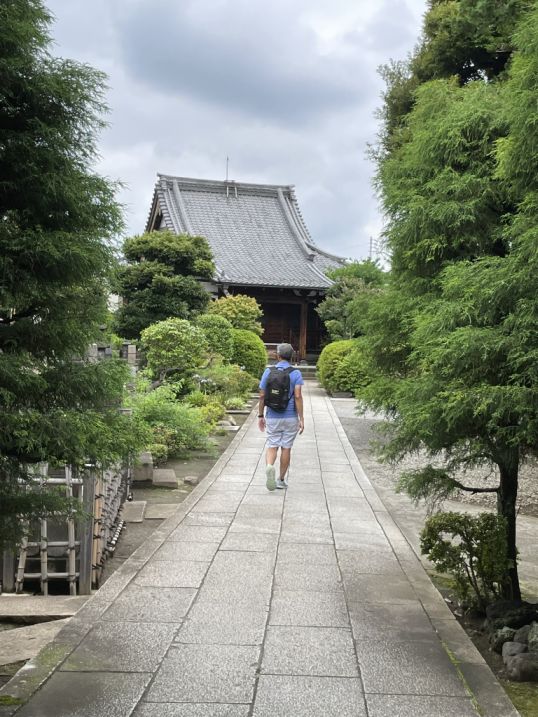 |
Compared to the busy shopping street nearby, the temple grounds feel immediately calmer, as if the noise of the city has been gently turned down.
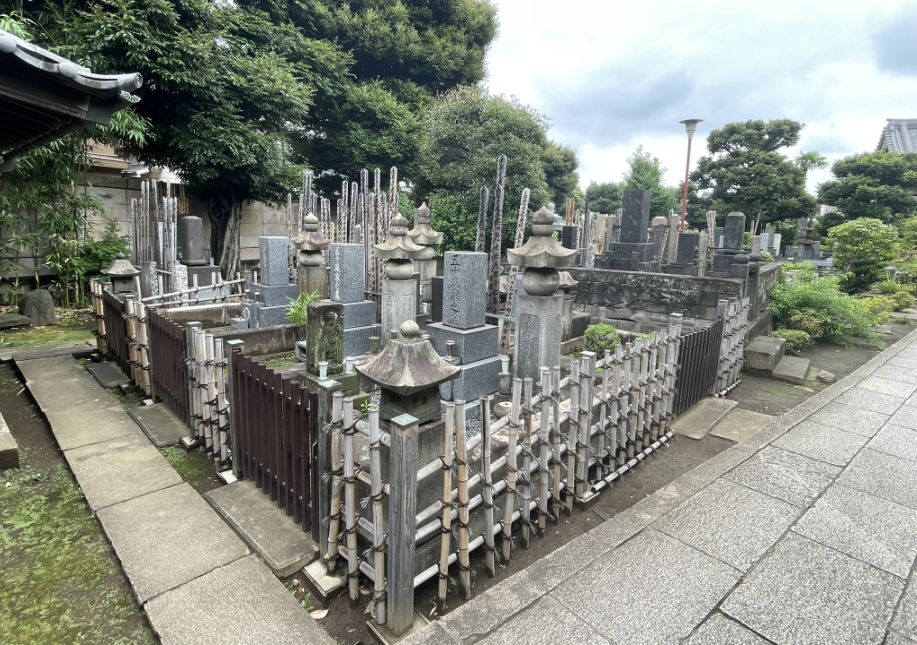
Inside, visitors often leave small offerings, coins, rice, or sake, symbolic gifts to Daikokuten, who is traditionally depicted carrying a sack of treasures and standing on bales of rice. Stone statues and lanterns sit scattered around the grounds, softened by moss and weather, adding to the feeling that this temple has been quietly watching over the neighborhood for generations.
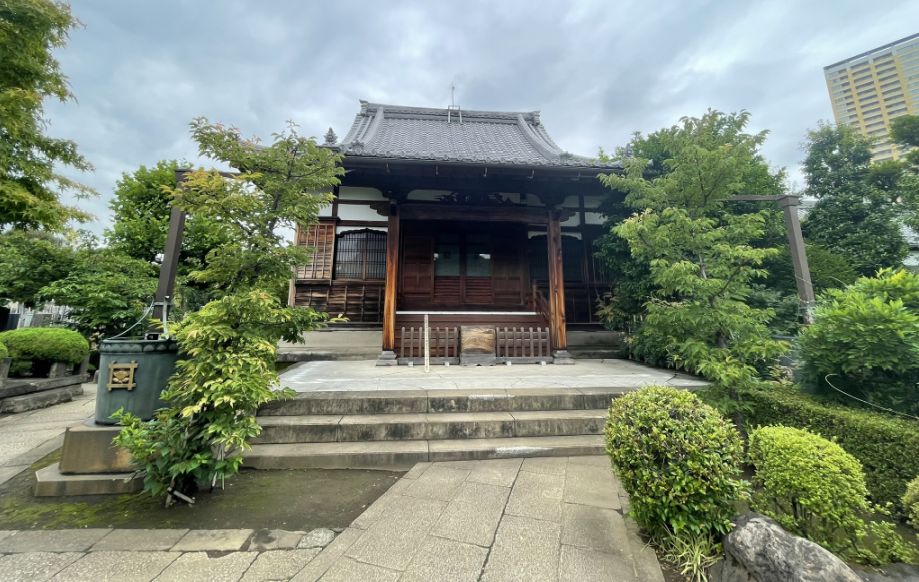
Inside the grounds stood a small shrine hall.
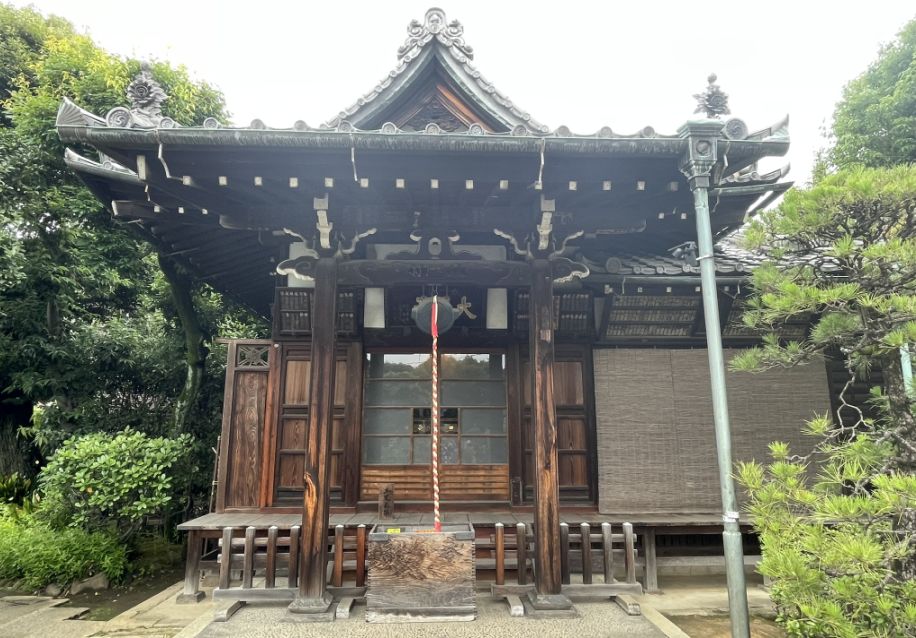
From its entrance hung a thick braided rope with a bell attached at the top. Visitors would gently pull the cord, letting the bell ring once before bringing their hands together in prayer, a simple sound meant to wake both the spirit and the heart before making a wish.
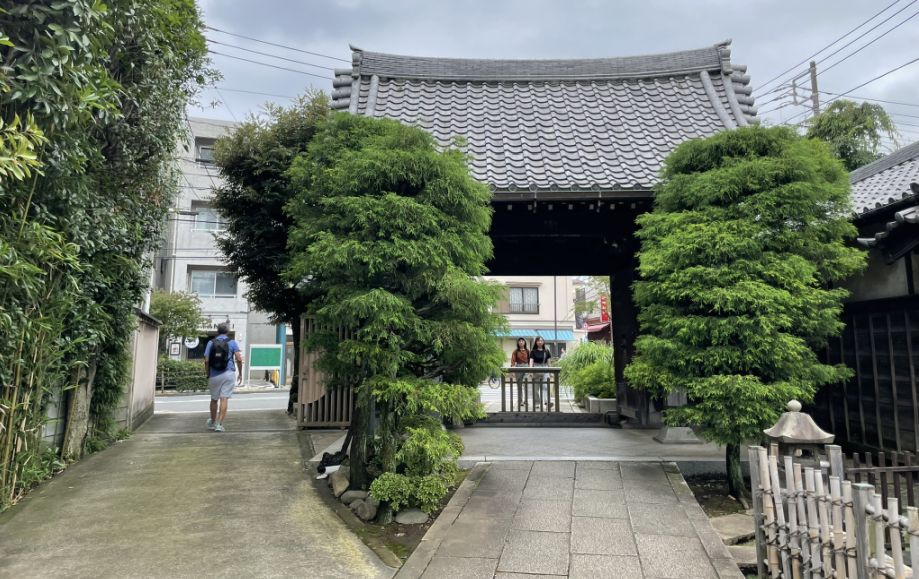
we are now leaving the temple. Kyōō-ji does not try to impress with size or decoration. Instead, its charm lies in its simplicity and its closeness to everyday life. It feels less like a tourist site and more like a spiritual resting place for the community, a spot where shop owners, residents, and passersby pause for a moment of gratitude or a small wish for the future.
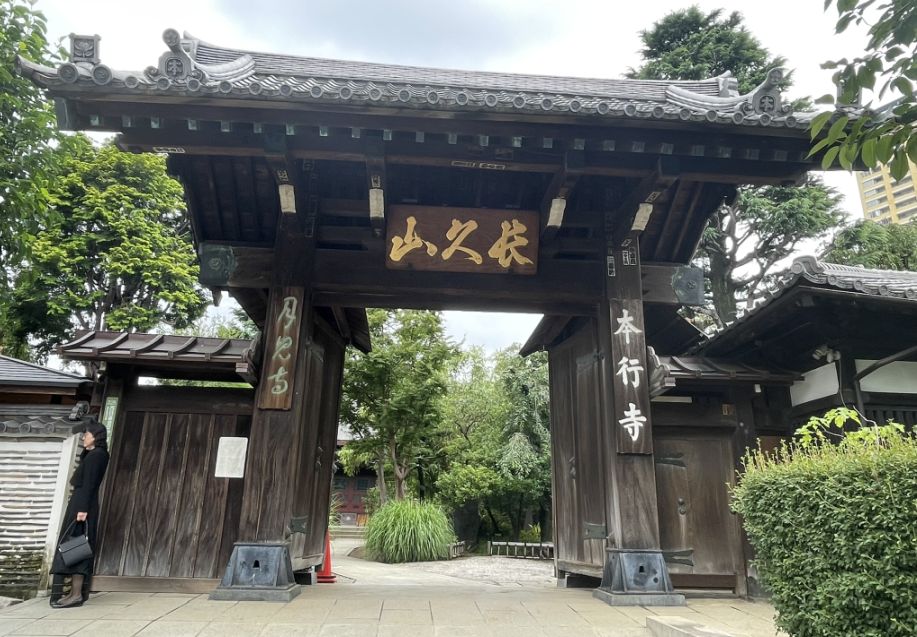
We passed by another temple named Hongyo-Ji with an empressive wooden gate, and founded in 1526 by theNichiren sect.
NEXT... Day 7- Yanaka continuation