9 days in Japan- 6/23- 7/1/2024
| Day
1-Niigata Arrival In Niigata Dinner at Echigo Banya |
Day
2-Niigata Fish Market Downtown/Lunch Dinner at Sushi Arai |
Day
3-Niigata Hakusan Shrine Sake Brewery Tour Lunch/Dinner |
Day
4-Niigata Northern museum Farm Land |
Day
5-Niigata Fukushimagata Walking around Dinner at Ebisudai |
Day
6-Tokyo Dinner at Jomon |
Day
7-Tokyo Arakawa Arakawa Cont. Ginza Dinner at les Copains |
Day
8-Tokyo Yoyogi Park Uneno Park Dinner at Uoshin Golden Gai |
Day
9-Tokyo Metropolitan office |
Day 5-Walking around Niigata-6/27/2024
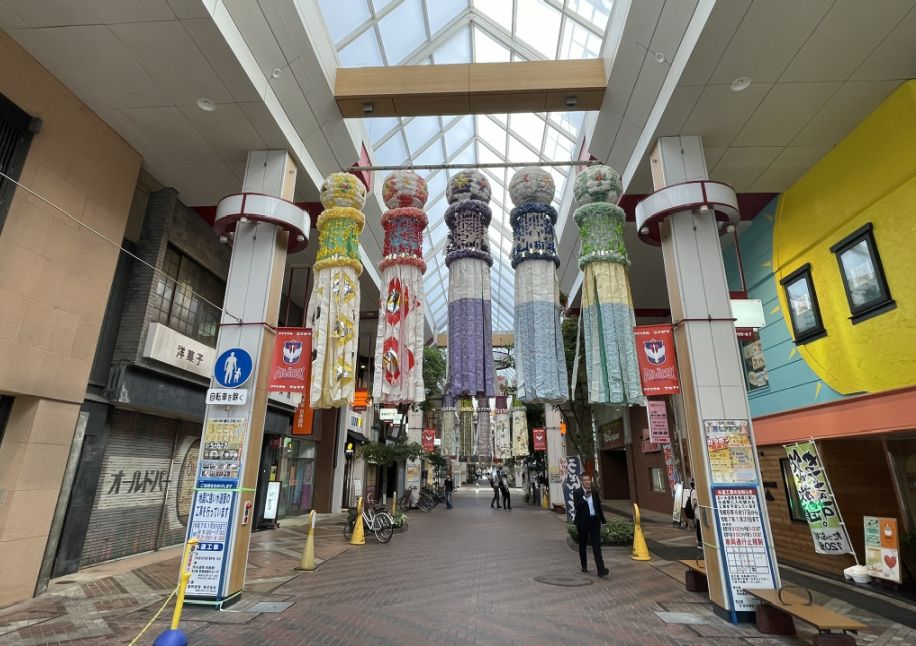
Today is our last day in Niigata and after the wetland we are back in town, and we are walking through the heart of Furumachi, Niigata’s old entertainment and geisha district.
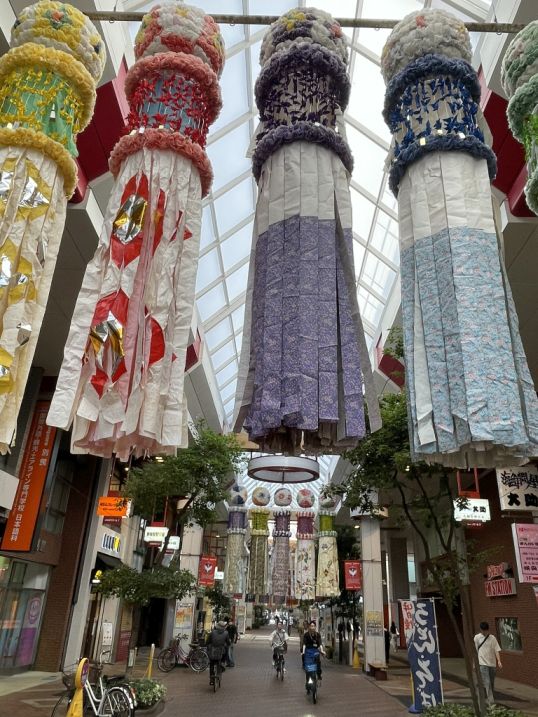
This long street with the colorful hanging decorations is one of its most charming sights, and it often referred as Furumachi Mall.
 |
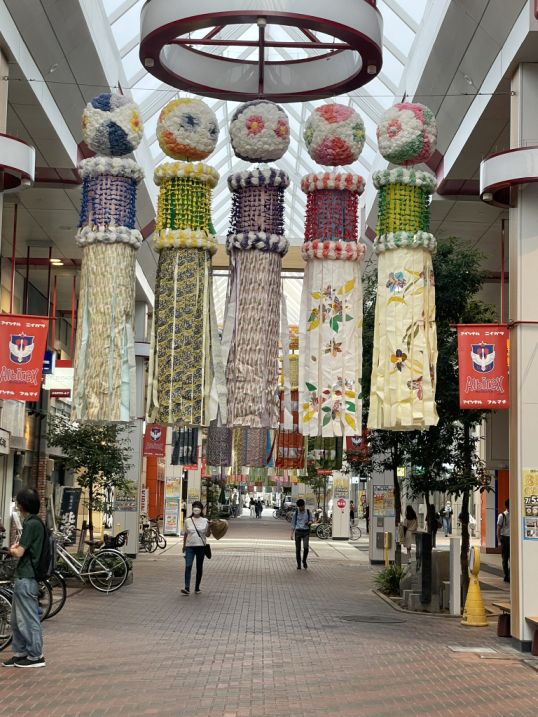 |
These huge, bright tassels (often made of silk or fabric cords) are a local symbol of the area’s traditional culture.
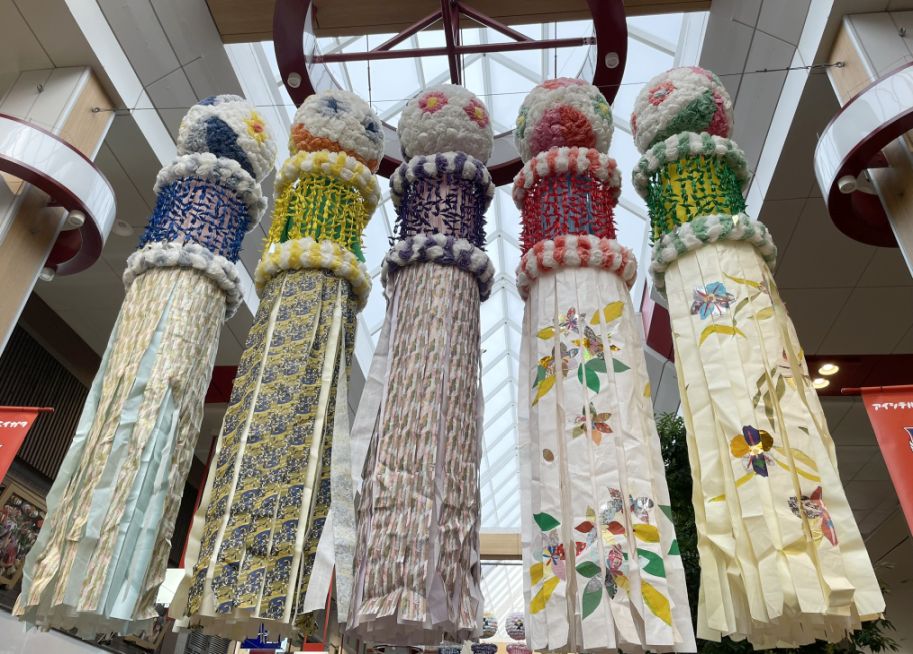
They’re inspired by the ornaments once used in teahouses and on kimono accessories, and today they serve as a quiet reminder that this neighborhood was, for centuries, where merchants, artists, and geisha gathered after sunset.
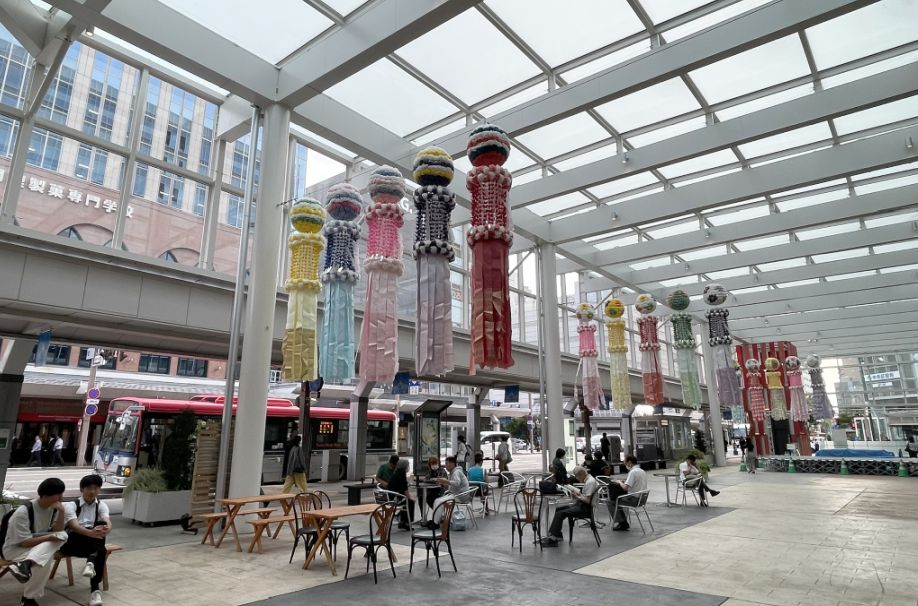
The street between Nishibori-dori and Higashibori-dori is lined with small restaurants, bars, and old wooden buildings, and the tassels add a soft, festive touch, especially in the evening when the lights come on and they sway gently in the breeze.
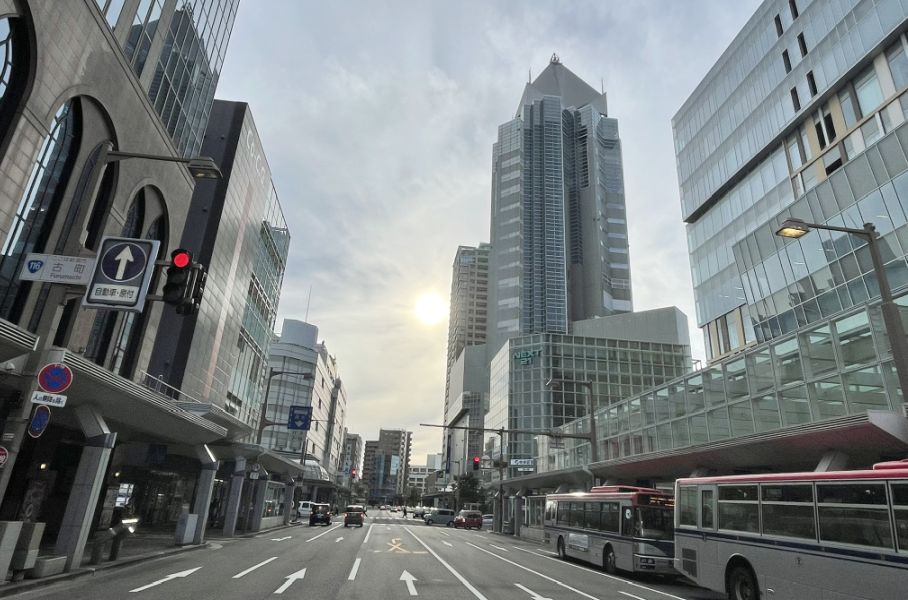
We are on the intersection of Furumachi-dori and Route 116, and the building with the distinctive pyramid-shaped glass structure at the very top of the tower is a multi-purpose complex and is a central part of the Furumachi district's skyline. It is called the NEXT21, a 410 ft. tall skyscraper that is one of the most recognizable landmarks in Niigata City.
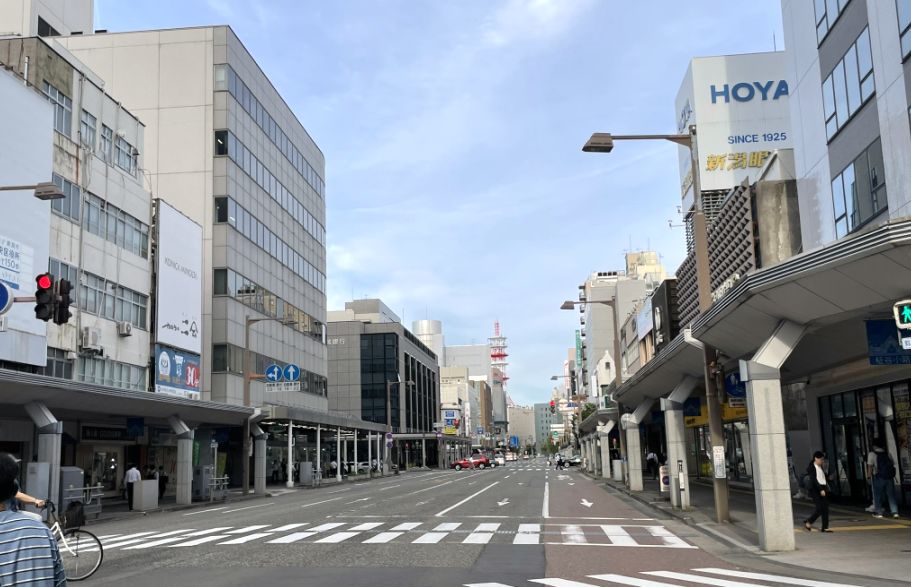
I am now walking on route 116, also known locally as Masaya-koji, this section is lined with a mix of large department stores, banks, and smaller specialty shops. It acts as the main artery connecting the "old" Furumachi district to the "new" Bandai City area across the bridge.
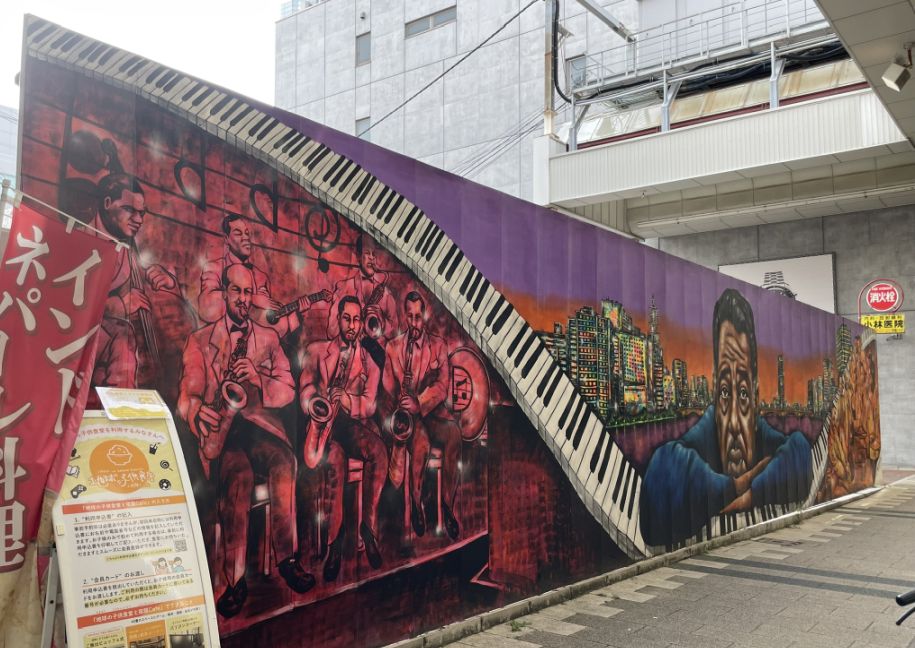
This mural captures the legendary jazz musician Duke Ellington, and its presence on Furumachi-dori is a tribute to a deeply moving moment in Niigata's history.
The mural, titled "Duke Ellington Mural Art," was
created by the Japanese artist NOVOL
in October 2020.
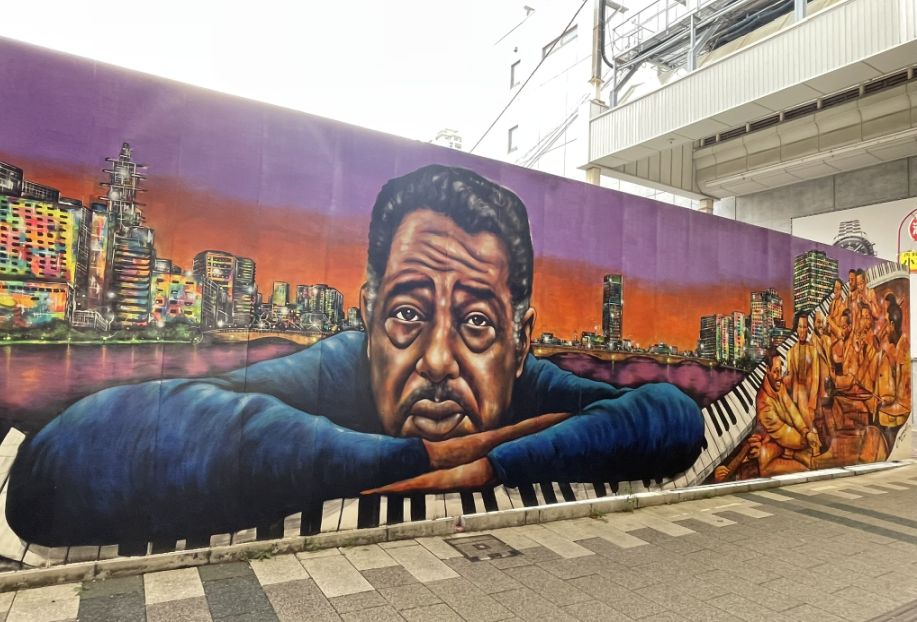
In June 1964, a massive 7.5-magnitude earthquake struck Niigata, causing
widespread destruction. Duke Ellington was touring Japan at the time and was
so moved by the tragedy that he organized a benefit concert in Tokyo
specifically to aid the victims. Ellington donated the entire proceeds from
the concert to the relief and reconstruction efforts in Niigata. His gesture
of solidarity during such a difficult period left a lasting impression on the
city. In 1966, during a return visit, the city
officially recognized his kindness by naming him an International Goodwill
Honorary Citizen of Niigata.
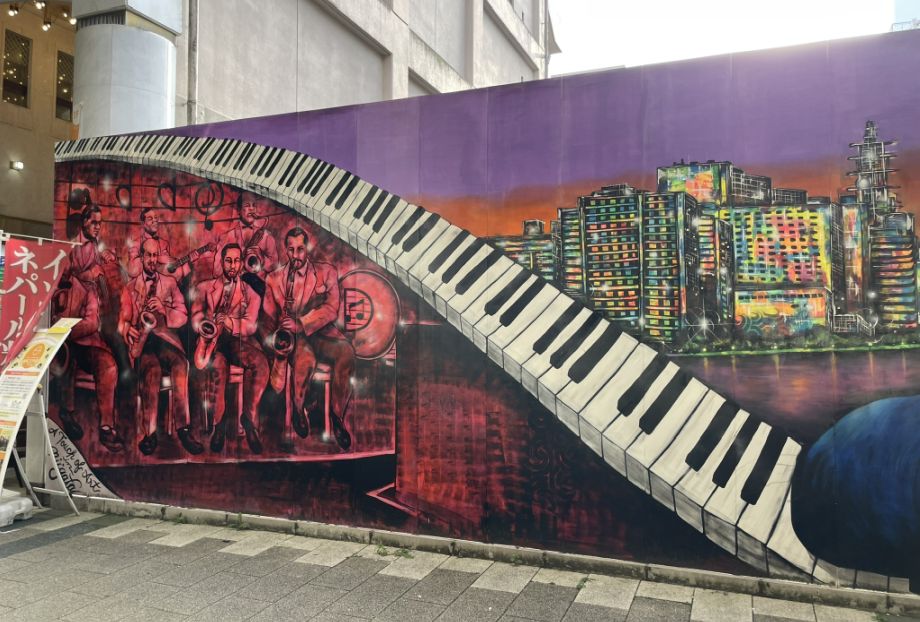
Measuring approximately 55 ft. long, the mural depicts a dapper Ellington leaning against piano keys, reflecting the "cool" and sophisticated atmosphere of the jazz era. This mural ensures that the story of Ellington’s compassion remains a visible part of the city’s identity.
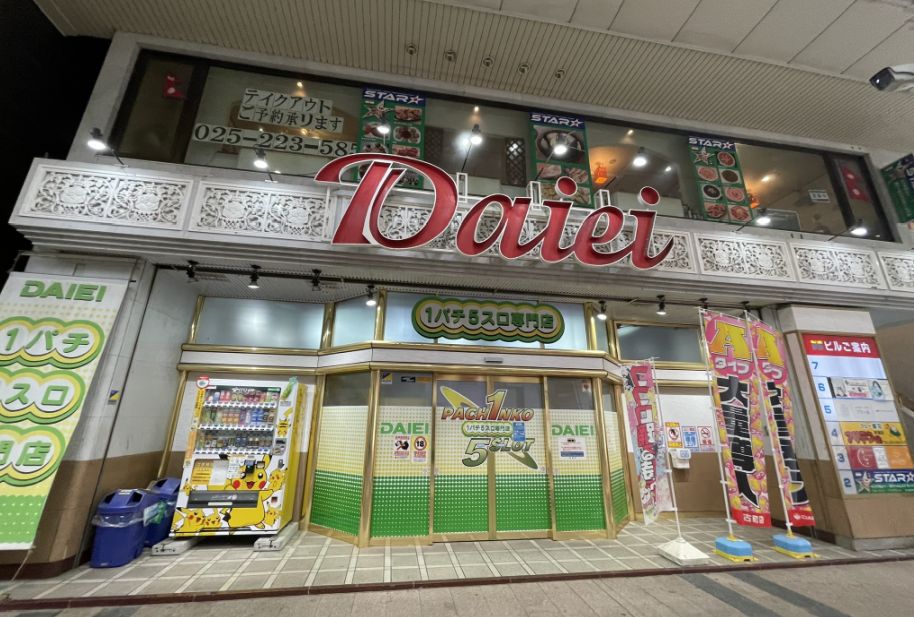
In the Furumachi area, the Daiei parlor is quite prominent. It’s "popular" in the sense that it is a frequent haunt for locals, especially during the day. Pachinko is a massive industry in Japan, often described as a national obsession, and parlors like this one are common social hubs for older residents and dedicated players. Even though gambling for cash is technically restricted in Japan, pachinko thrives through a famous loophole where players trade their "ball" winnings for small tokens or prizes, which they then exchange for cash at a separate, tiny window located just outside the building.
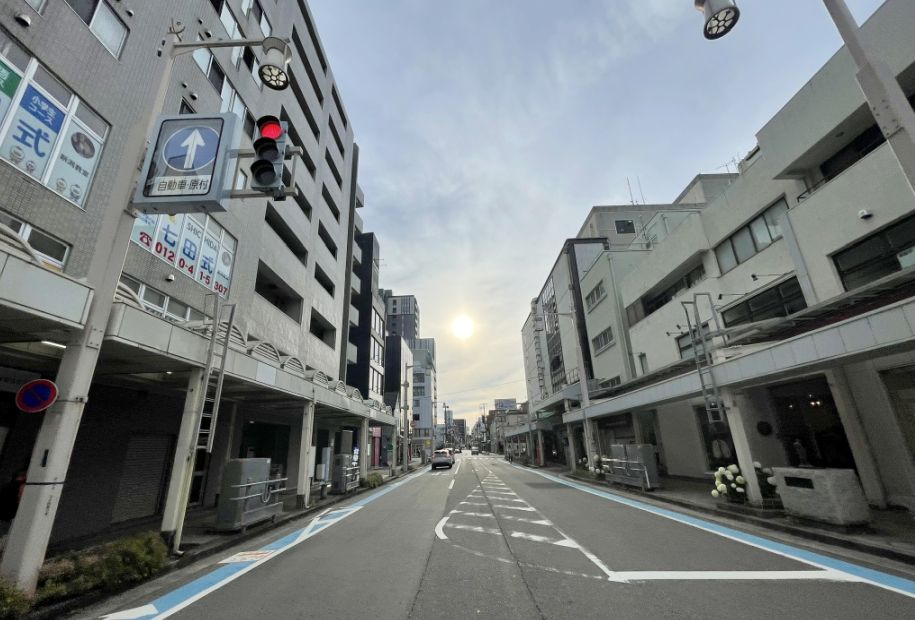
The sun is setting in the distance as we are walking around.
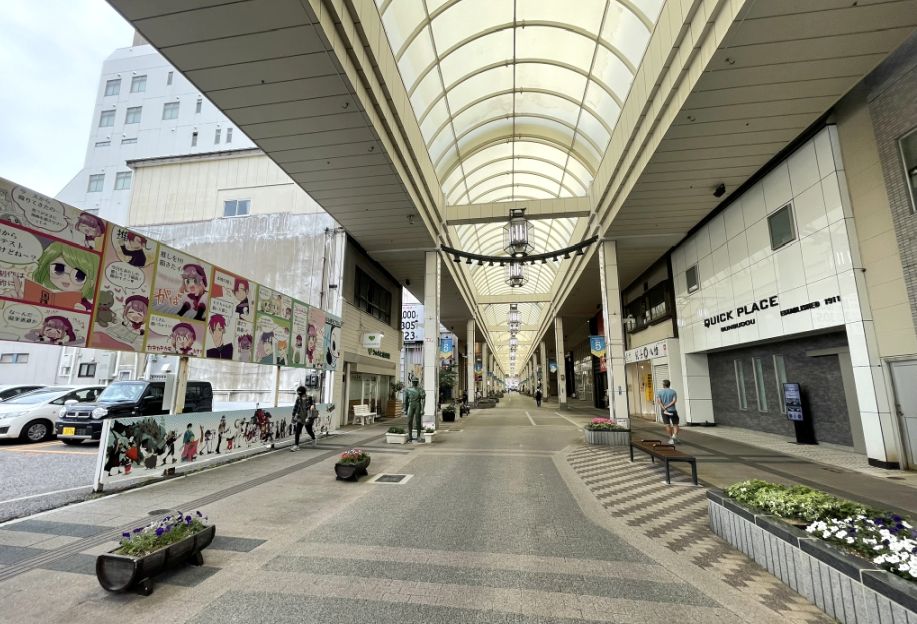
We are at the intersection of Niitsuya-koji and Furumachi-dori, which is a gateway to what locals call the "Manga Road."
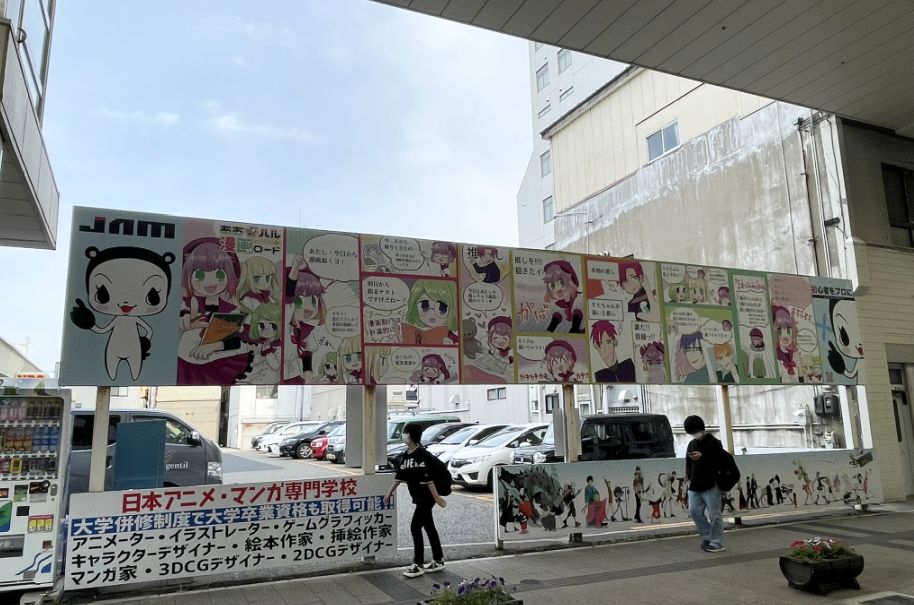
This long panel you see is part of a tribute to Niigata’s rich history as the "City of Manga and Anime"
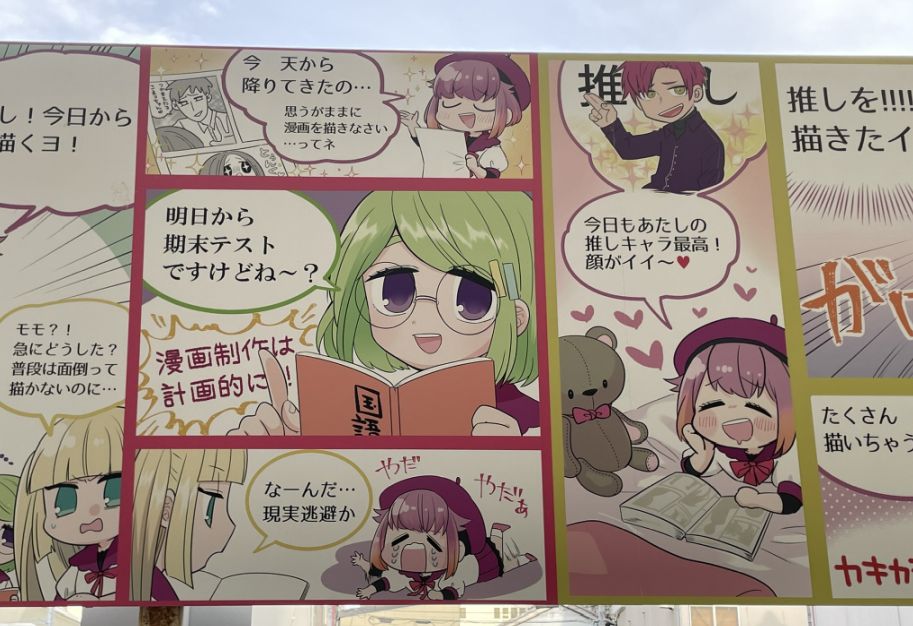
Niigata has produced an incredible number of famous manga artists, including Rumiko Takahashi (Inuyasha, Ranma 1/2) and Shinji Mizushima (Dokaben).
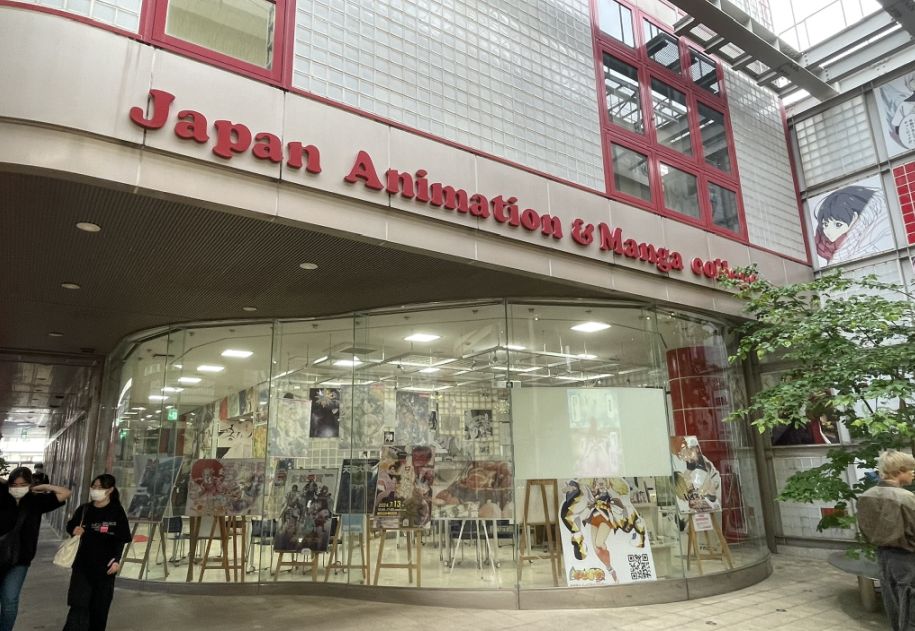
We are now inf front of the Japan Animation & Manga College (JAM). While it is a vocational school for aspiring artists, its ground floor often looks like a shop or gallery because it is a major landmark in Niigata’s "Manga Island" district.
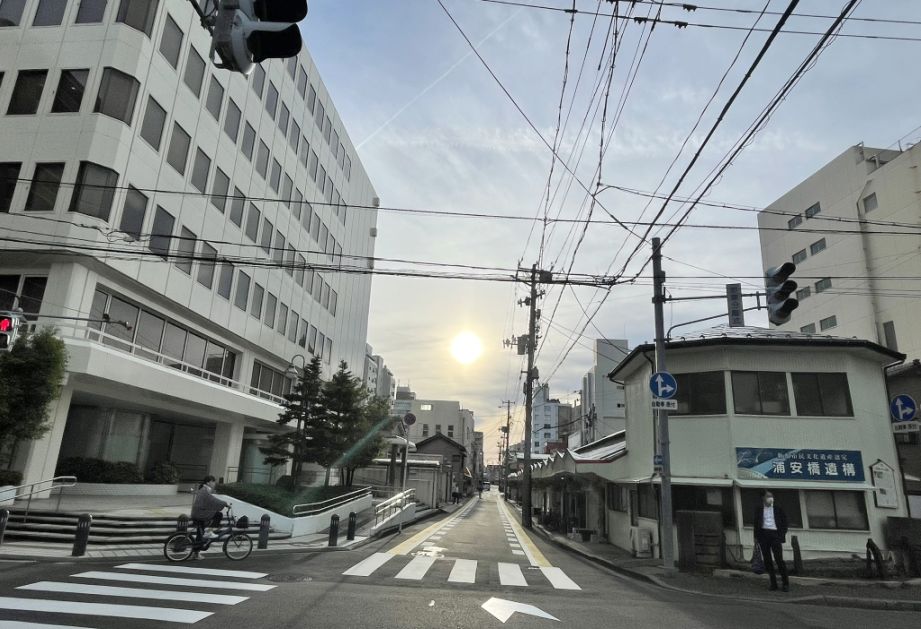
Kamiokawamae-dori is historically where the merchant residences and storehouses were built, away from the noise of the main shopping arcades. Many of the "tall buildings" here are quiet office spaces or banks, which contributes to the subdued, orderly feel compared to the colorful tassels of the shopping mall.
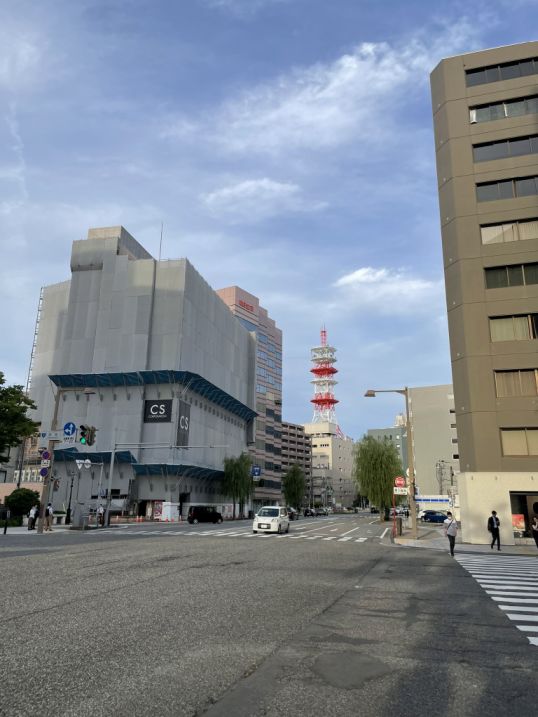 |
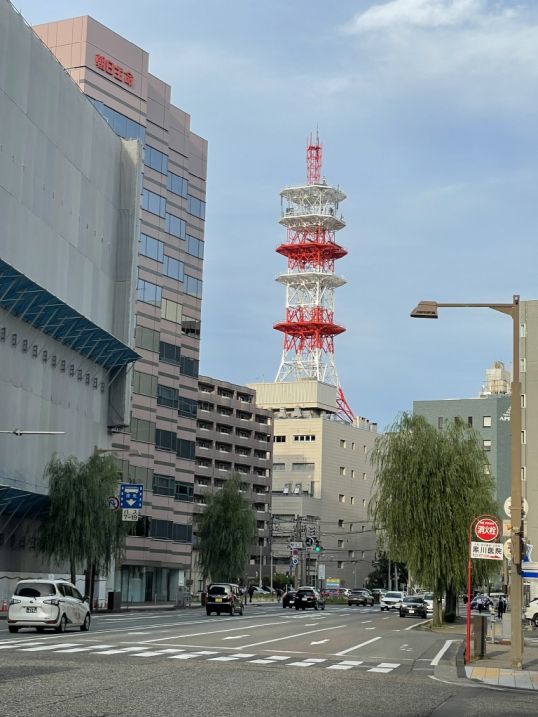 |
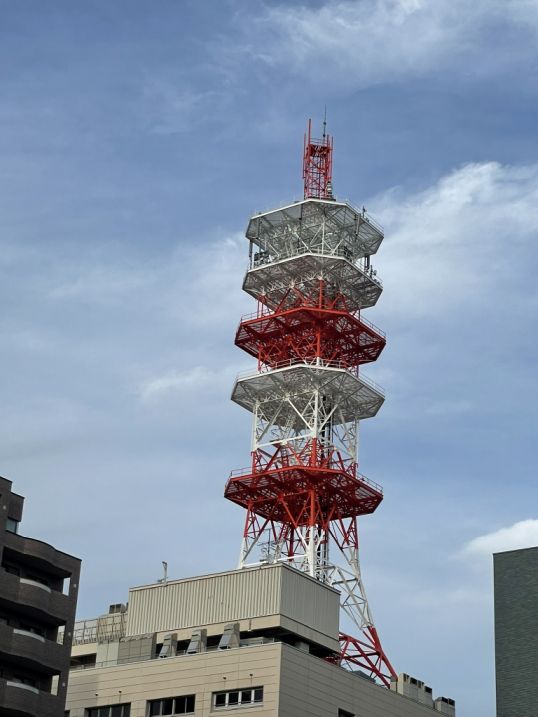
We are now walking on Route 7 and ahead is the NHK Niigata tower.
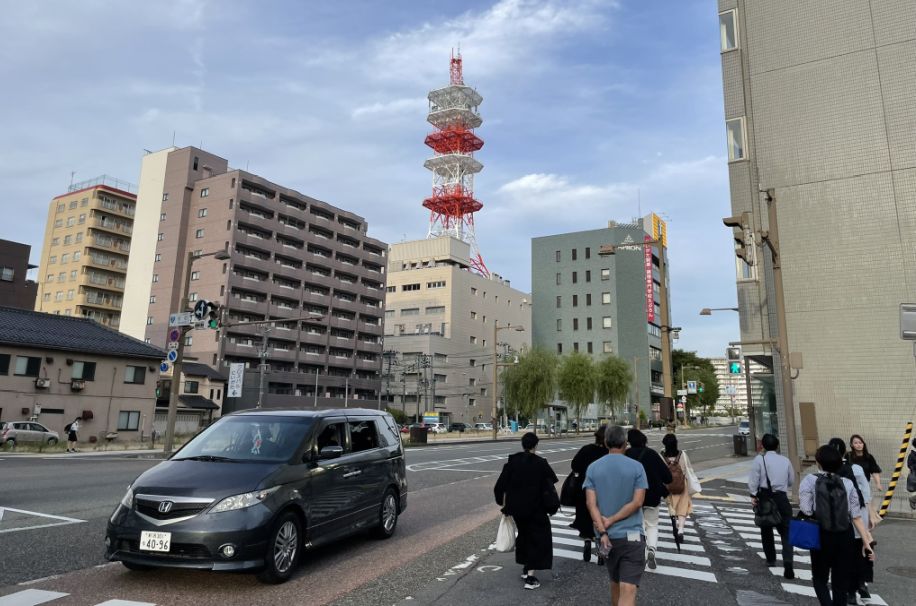
The tower is painted International Orange and White (appearing red and white). In Japan, any structure taller than 196 ft. must be painted this way or have high-intensity lighting to warn low-flying aircraft.
 |
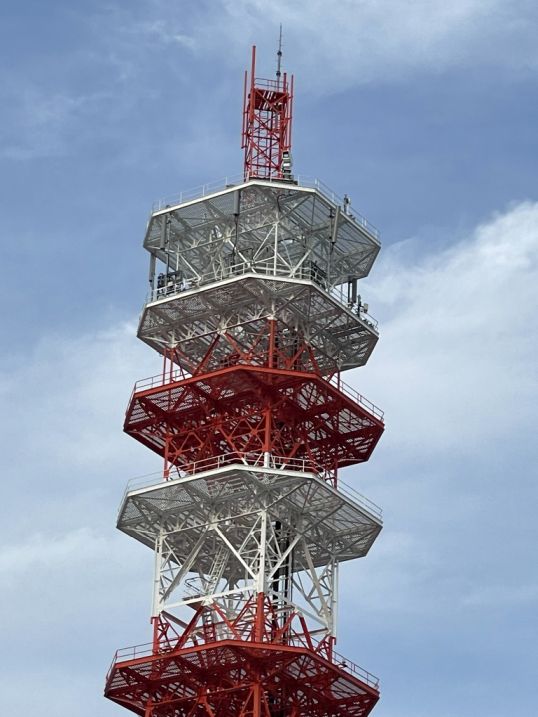 |
It is a telecommunications and broadcast mast for NHK, Japan's national public broadcaster. The building at its base is the NHK Niigata Broadcasting Station. Because it sits near the intersection of several major roads and the bridge, locals often use it as a "north star" to find their way back toward the city center or the river.
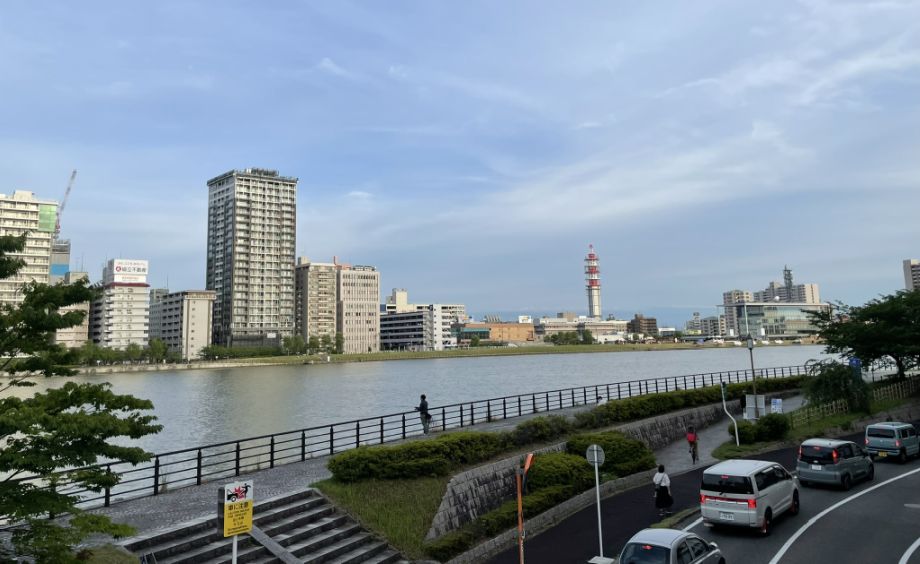
From the riverbanks near the Bandai Bridge, we have one of the best views in the city. The landscape changes here from the historic Furumachi side to the modern Bandai and Bandaijima districts.
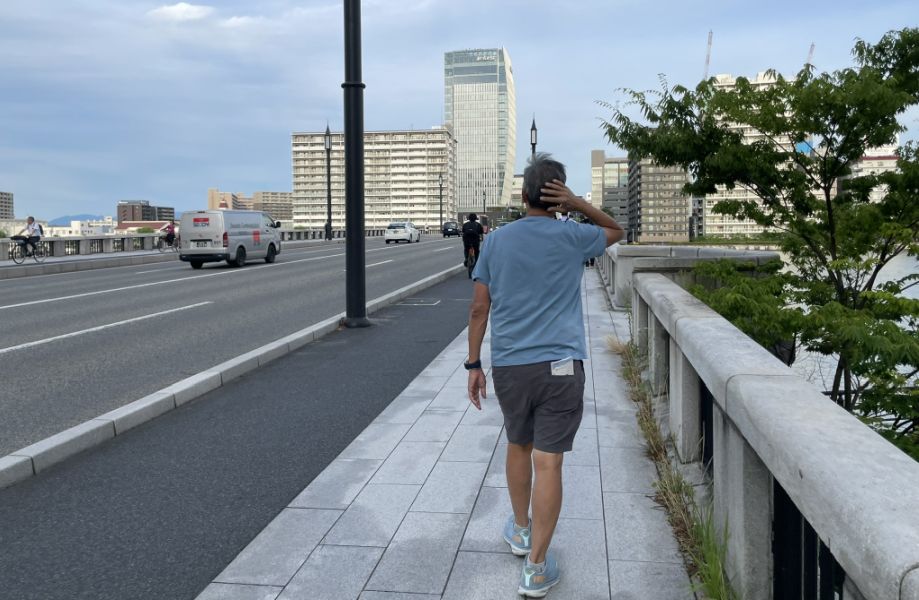
We are crossing the Bandai bridge.
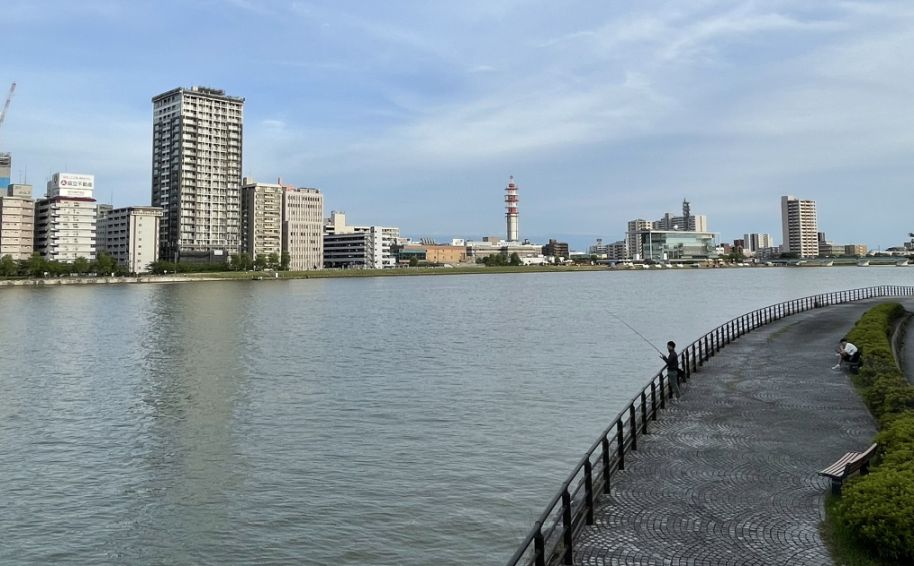
View from the bridge.
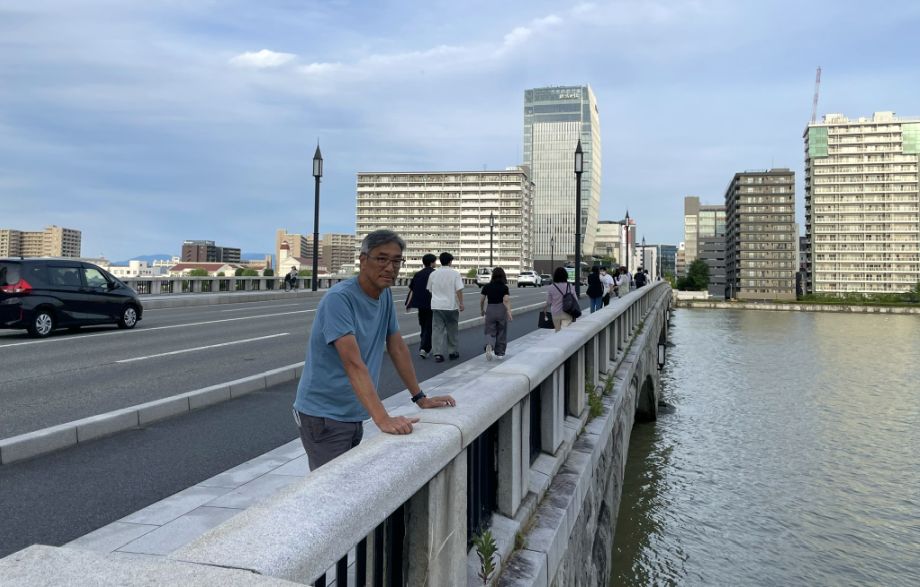
The current Bandai bridge is the third version, completed in 1929. Its predecessor was a long wooden bridge that famously survived the Great Niigata Fire but was later replaced by this sturdy concrete and stone structure. It is celebrated for its incredible engineering; it remained standing and functional during the massive 1964 earthquake, while other bridges collapsed. The bridge is faced with granite, which gives it a classic, elegant appearance that contrasts beautifully with the modern steel and glass buildings you see across the water.
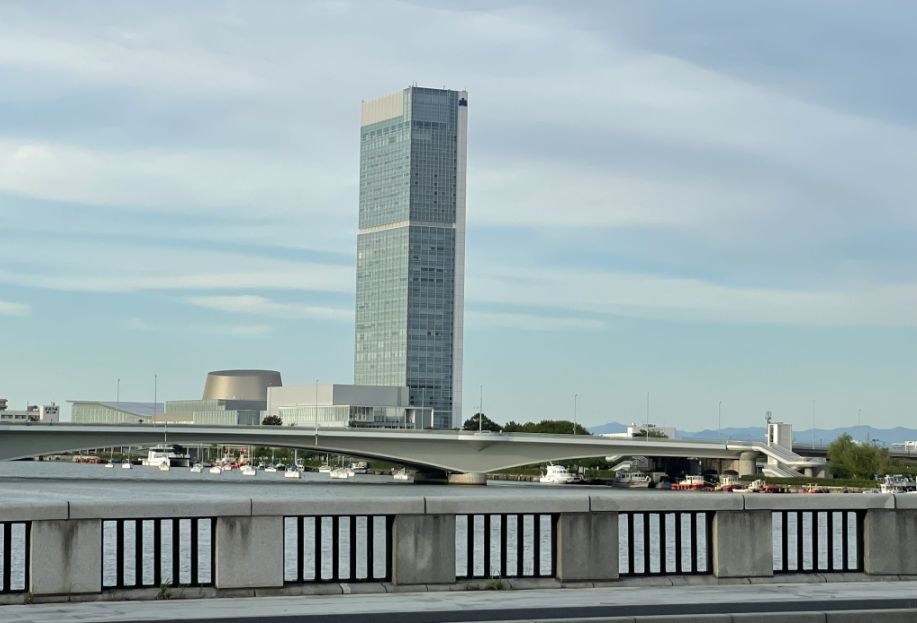
The tall, modern tower rising above the water is the Bandaijima Building, which houses the Nikko Hotel (where we are staying). It is the tallest building on the Sea of Japan coast.
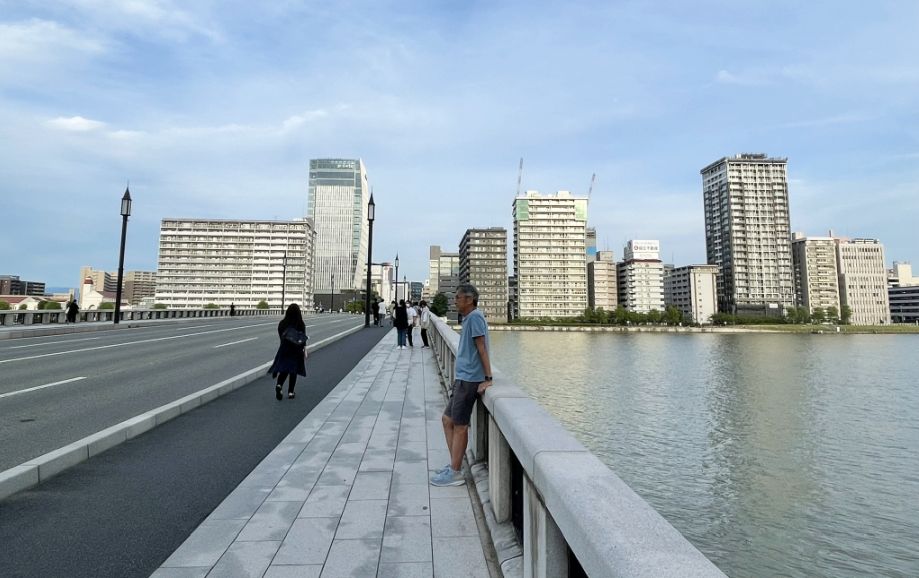
Standing on the bridge, and looking straight ahead and toward the end of the bridge is the Bandai area (New Town).
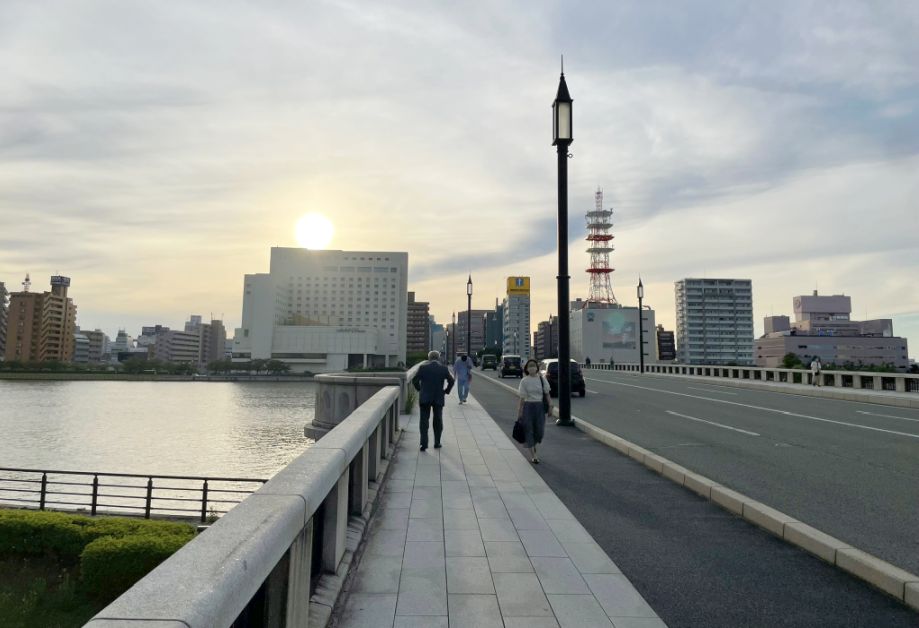
As we are crossing the bridge I am looking back at the Furumachi District (Old Town).
NEXT... Day 5- Dinner at Ebisudai