9 days in Japan- 6/23- 7/1/2024
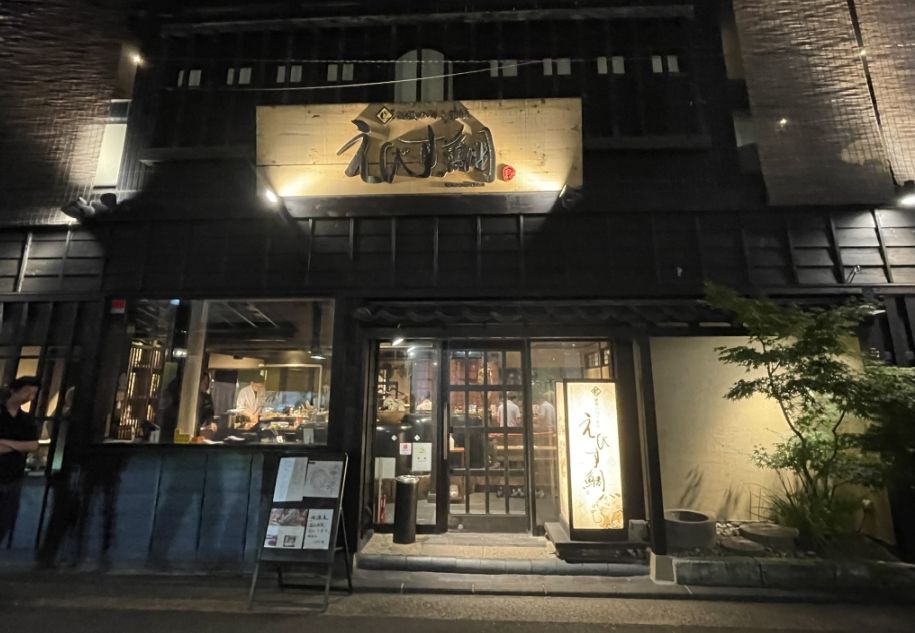
Day 5-Dinner at Ebisudai, Niigata-6/27/2024
Tonight we are dining at Ebisudai. best known in Niigata for its ultra-fresh local seafood and for showcasing ingredients that come straight from the Sea of Japan and nearby rivers. Locals come here especially for Sashimi and grilled fish made from the day’s catch, traditional Niigata-style seafood dishes, lightly seasoned to let the natural flavor stand out.
We did not have a reservation but we were so lucky to get a table as this restaurant is very popular.
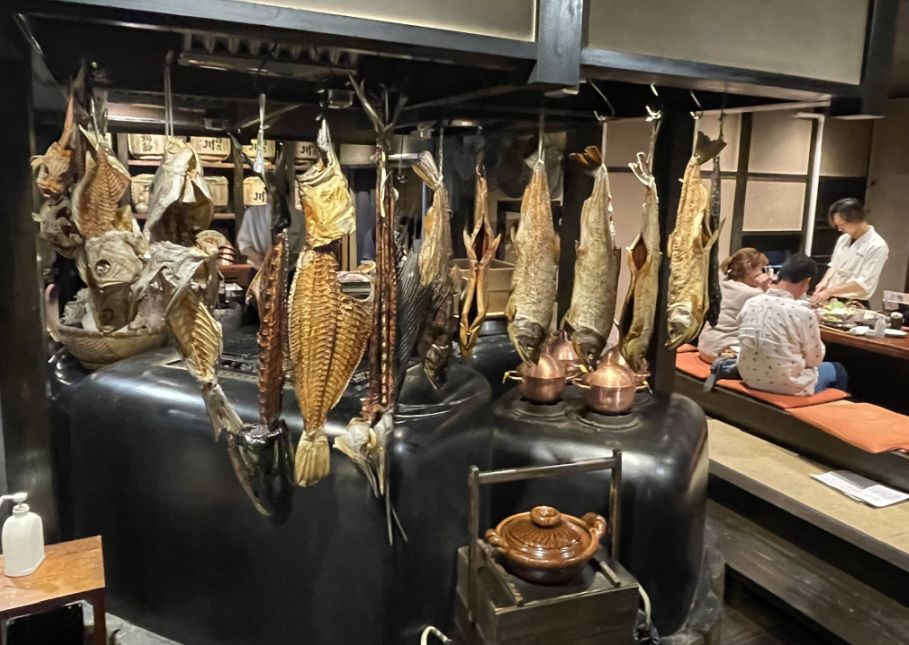
At Ebisudai, the first thing that catches your eye is in the center of the room, rows of large dried fish hanging overhead like quiet sculptures. They’re not just decoration, but a statement of what the restaurant is about: the deep fishing culture of the Sea of Japan and Niigata’s long tradition of preserving seafood.
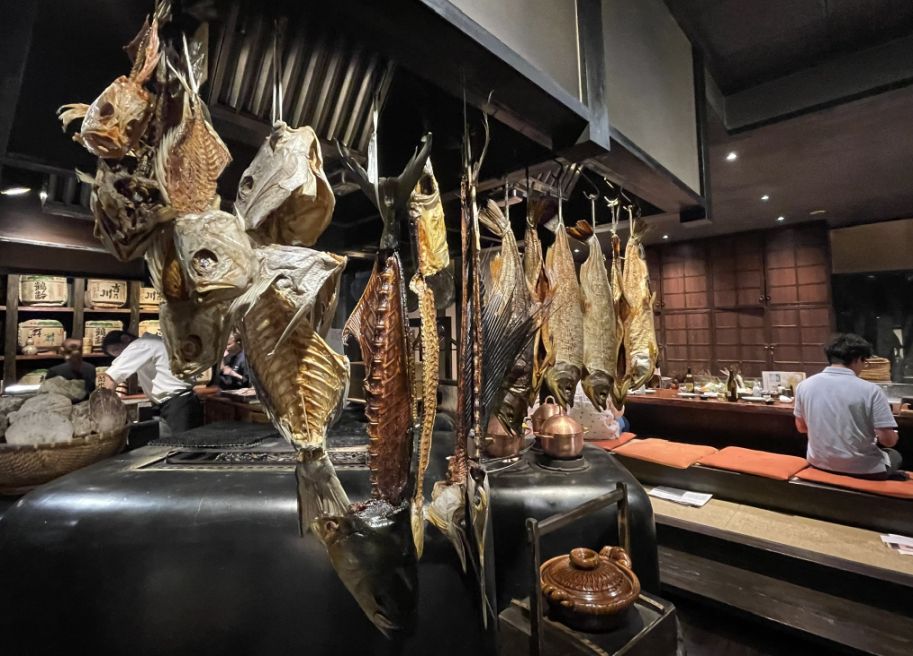
In the past, drying fish was essential for surviving long winters, and many izakaya adopted this style to show the quality and abundance of their catch. Here, the hanging fish create a rustic, almost theatrical atmosphere, part storehouse, part fisherman’s kitchen. The air feels warm and smoky, the wood darkened with age, and the space filled with the soft clatter of dishes and low conversation.
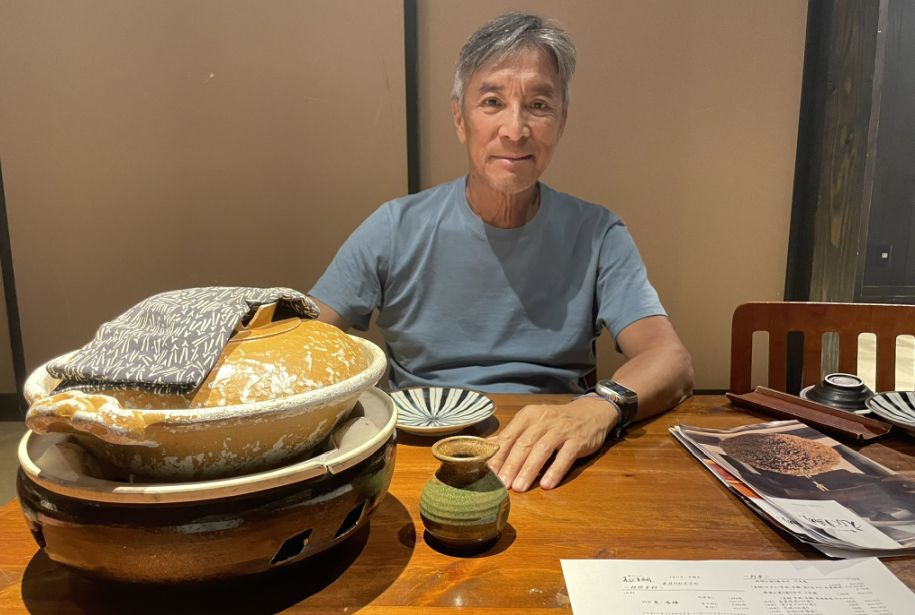
We were led upstairs to one of the many tatami rooms. There are no tourist here, only locals, which is an excellent clue that the food must be really good.
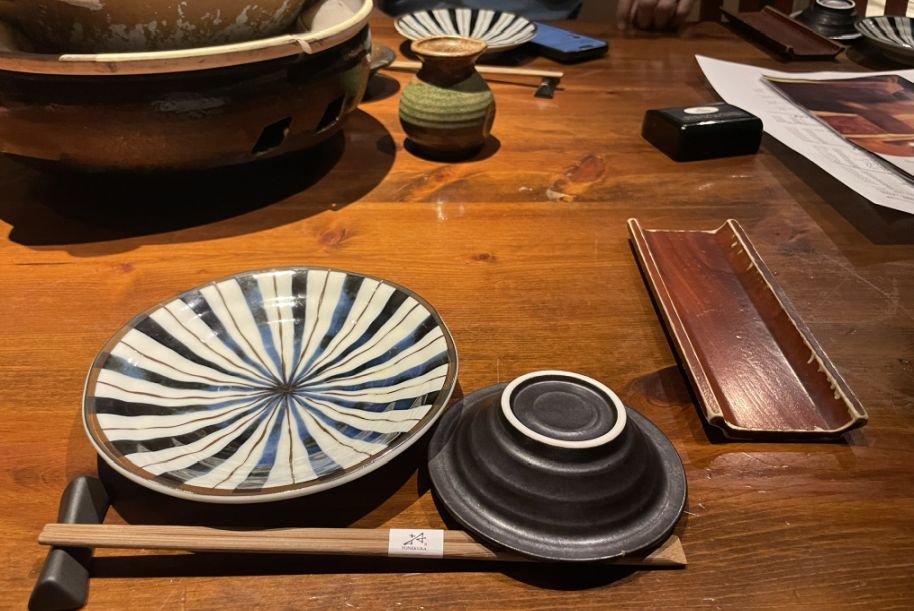
Simple traditional table set up with ceramic plates, small dipping bowls, chopstick rests, and a wooden tray.
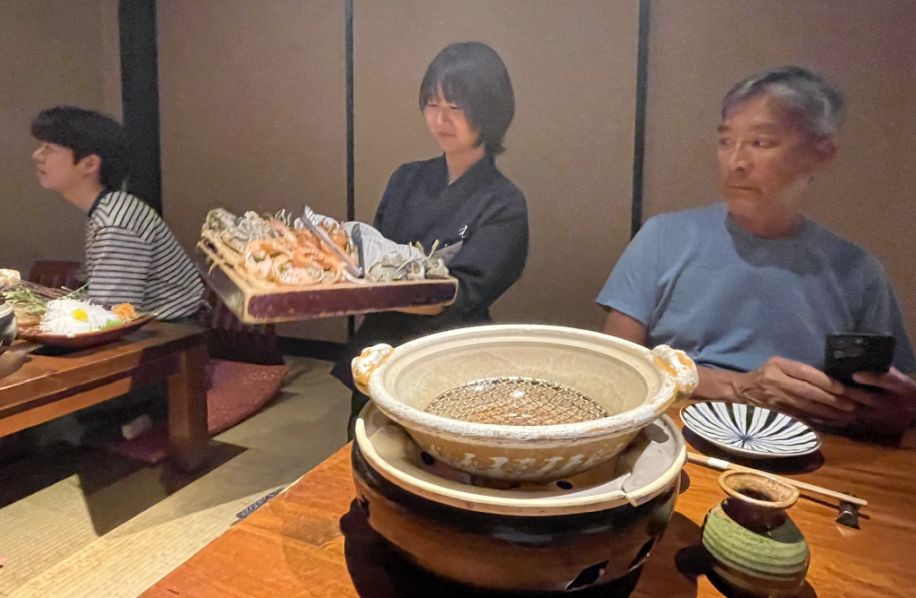
On our table was a donabe, a traditional Japanese earthenware pot sitting over a small round ceramic charcoal brazier called a shichirin. Together, they form a simple tabletop grill, the kind used long before modern stoves, perfect for gently cooking seafood without drying it out.
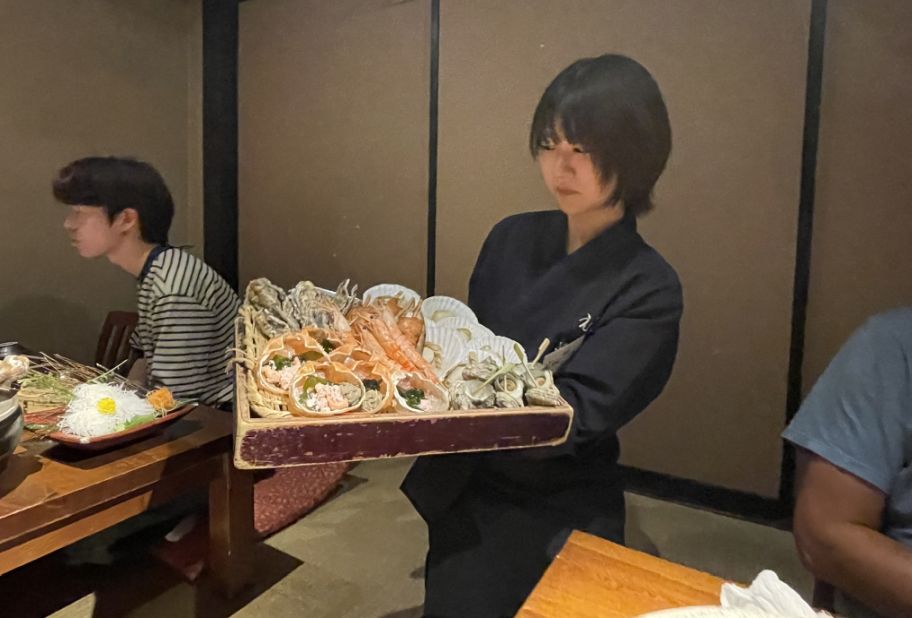
The waitress brought out that large tray of seafood and invited us to choose, that was the restaurant showing its pride in fresh, live ingredients. Letting guests select their own seafood is common in good coastal restaurants in Niigata, where freshness is everything.
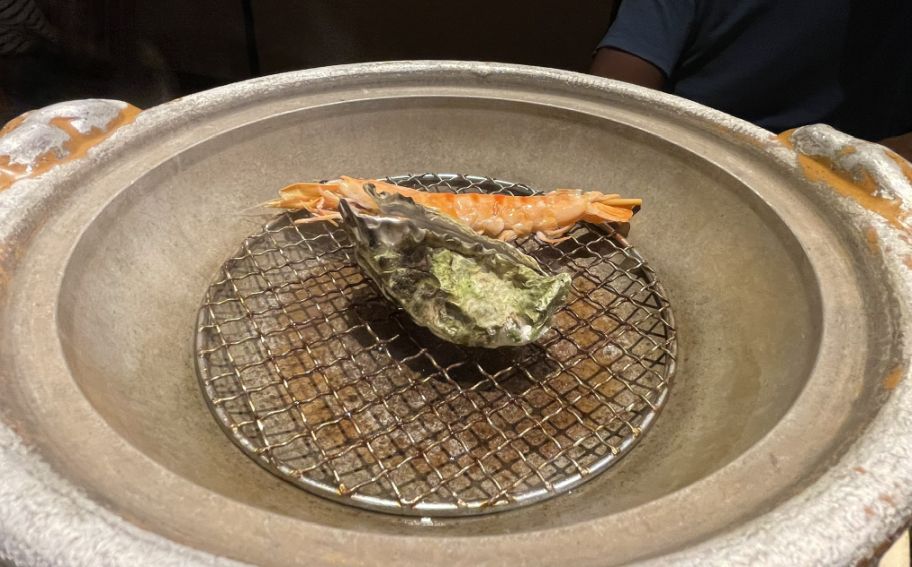
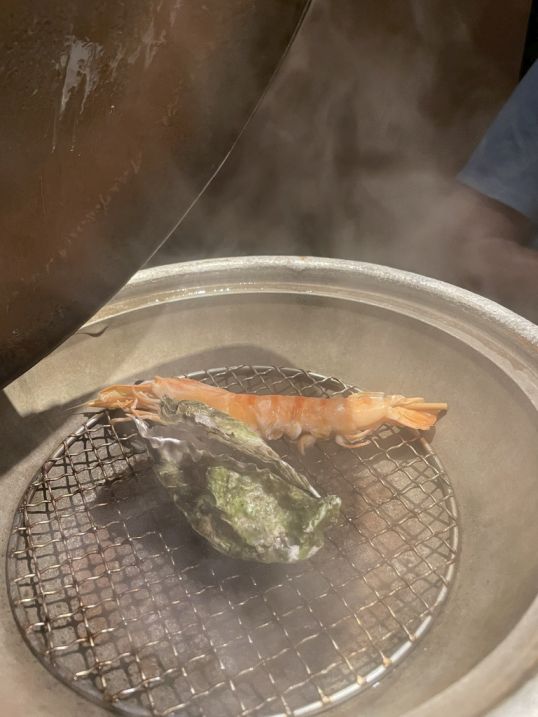
I picked a sweet prawn (ama-ebi) prized for its natural sweetness and soft texture. Grilling it lightly brings out a deeper, almost caramelized flavor while keeping the inside tender.
Hoa selected an Oyster. The waitress put both of them on the grill.
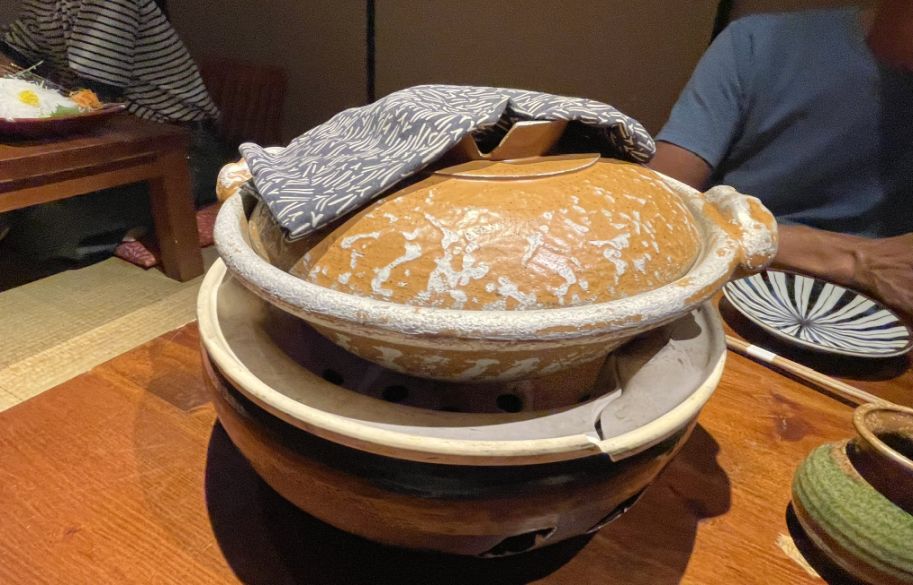
When she lifted the lid of the donabe to reveal the metal grill inside and placed the shrimp and oyster on top, it turned our table into a tiny open kitchen. We could hear the soft sizzle, smell the sea as it met the heat.
 |
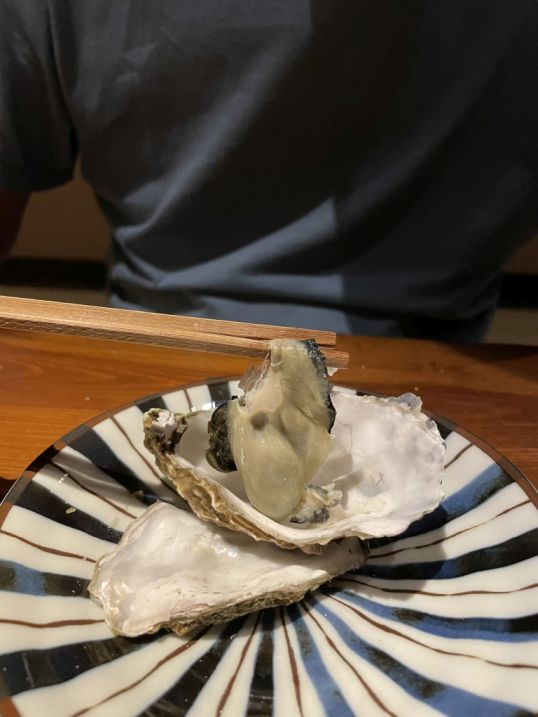 |
Then she lifted the lid and the shells of the shrimp had change color, the oyster is cooked.
It’s a very Niigata-style moment: simple tools, perfect ingredients, no rush. Just seafood, fire, and patience, and suddenly dinner feels less like something ordered and more like something crafted right in front of us.
 |
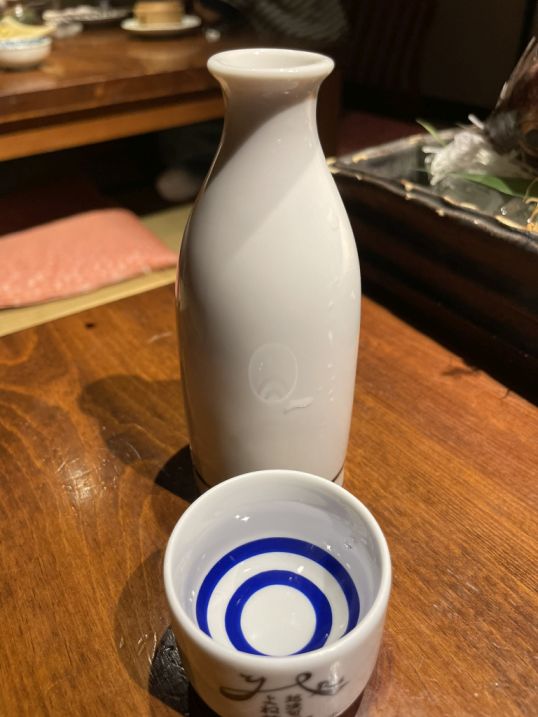 |
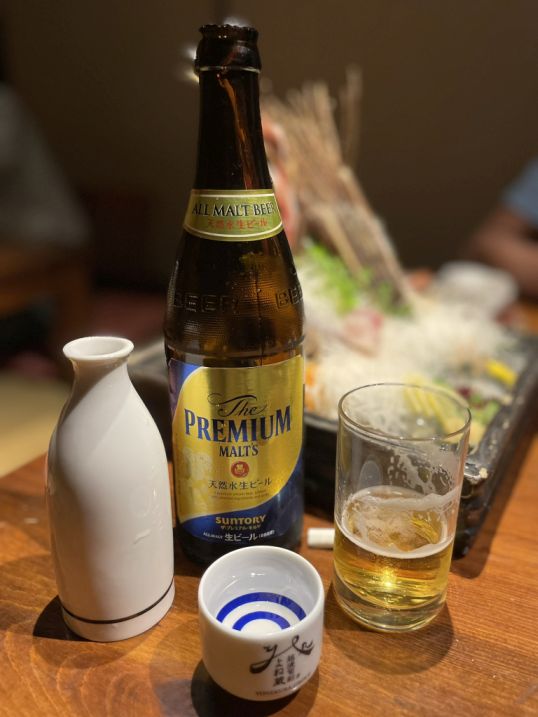
We ordered beer and sake.
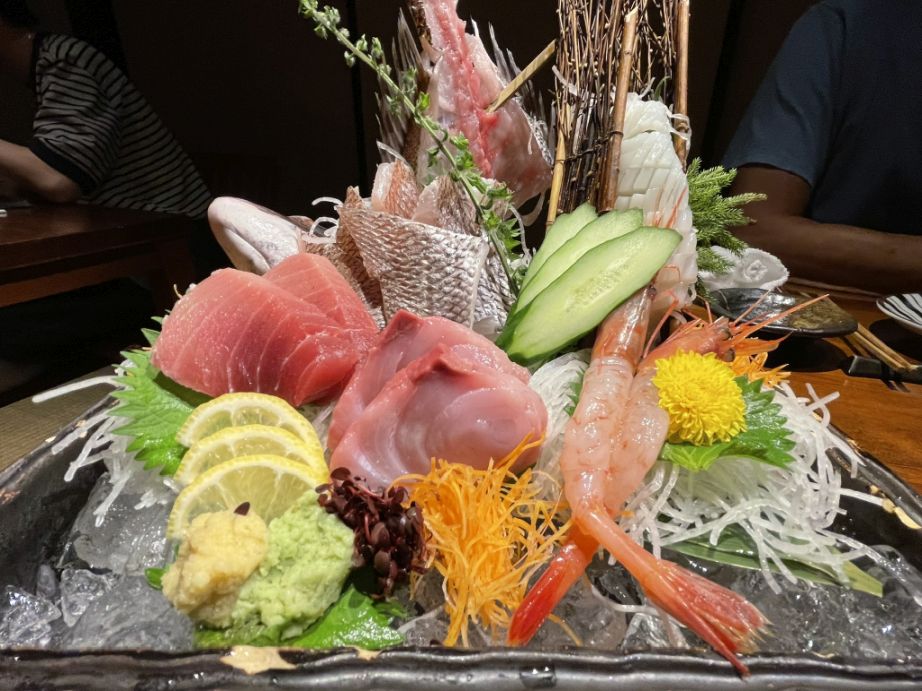
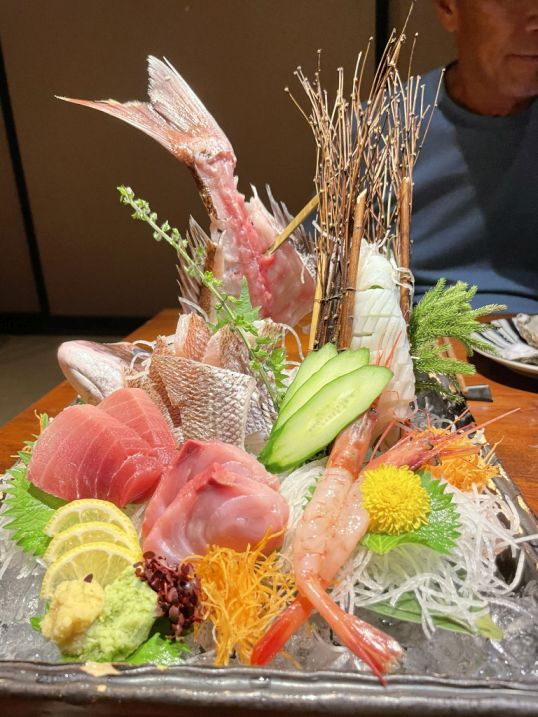
We ordered a variety of sashimi. Ebisudai is a master class in Japanese aesthetics, often designed to mimic a natural landscape. The presentation typically balances colors, textures, and height to create a "visual masterpiece". The presentation follows Mountain and River principle, meaning that the chef often place taller elements (like a garnish of shiso leaves or the "mountain") at the back and lower elements (the "river") at the front to create a sense of depth.
 |
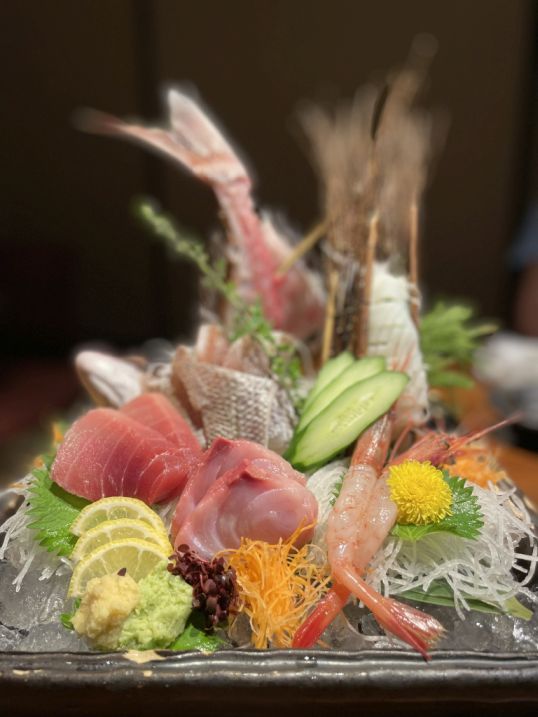 |
The sushi platter included Tuna (Magoro), Hamachi, Ama- Ebi, Squid, and red snapper and the bone of the red snapper standing tall and the back.
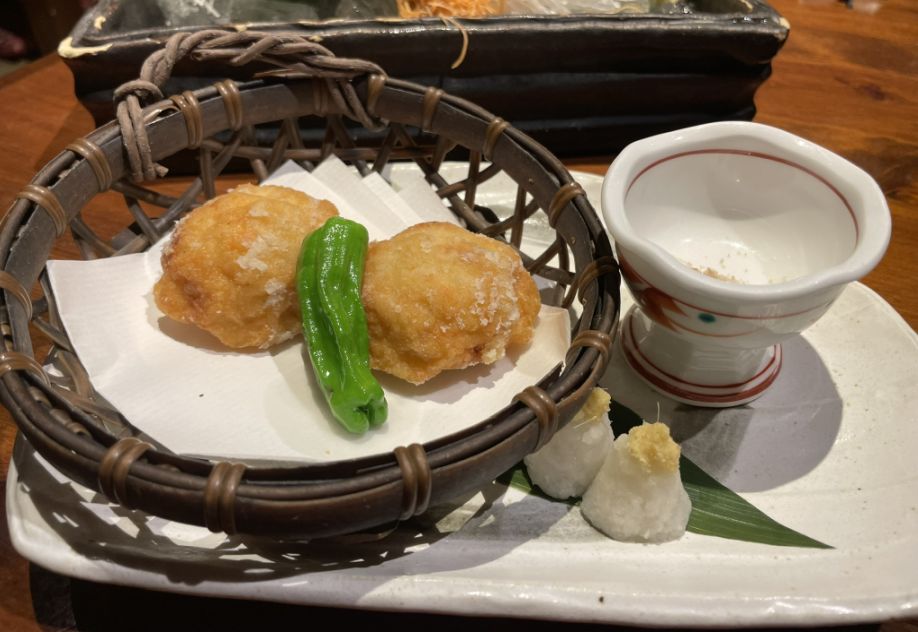
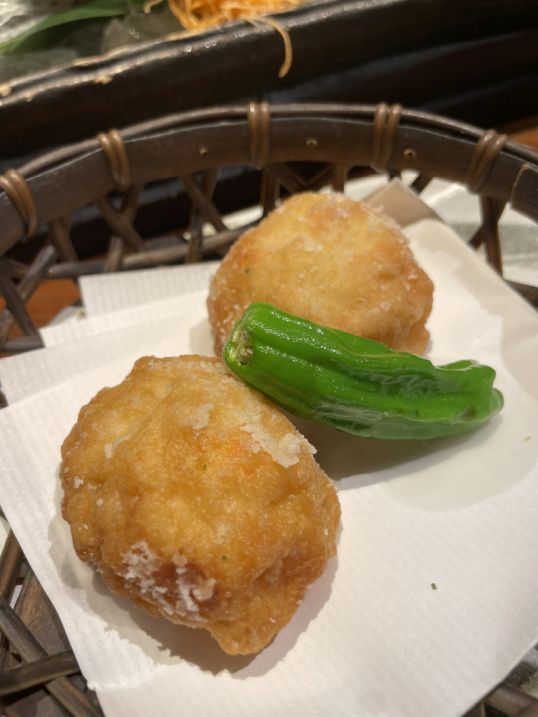
Ebi Shinjo (fried shrimp Balls), it is a prized Japanese delicacy made by blending minced shrimp with grated mountain yam (yamaimo) and egg whites to create an incredibly light, fluffy texture.
 |
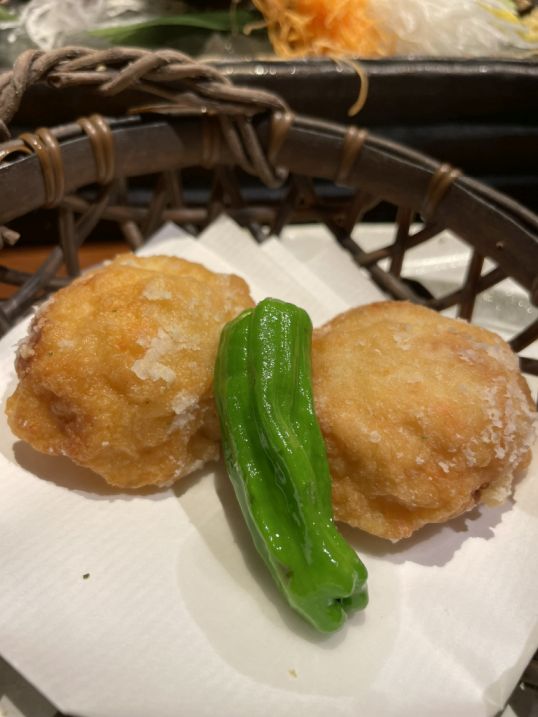 |
The outside is crispy and golden, while the inside remains soft and airy. The friend shrimp balls came with a flash fried shishito pepper to soften it and enhance its smoky flavor.
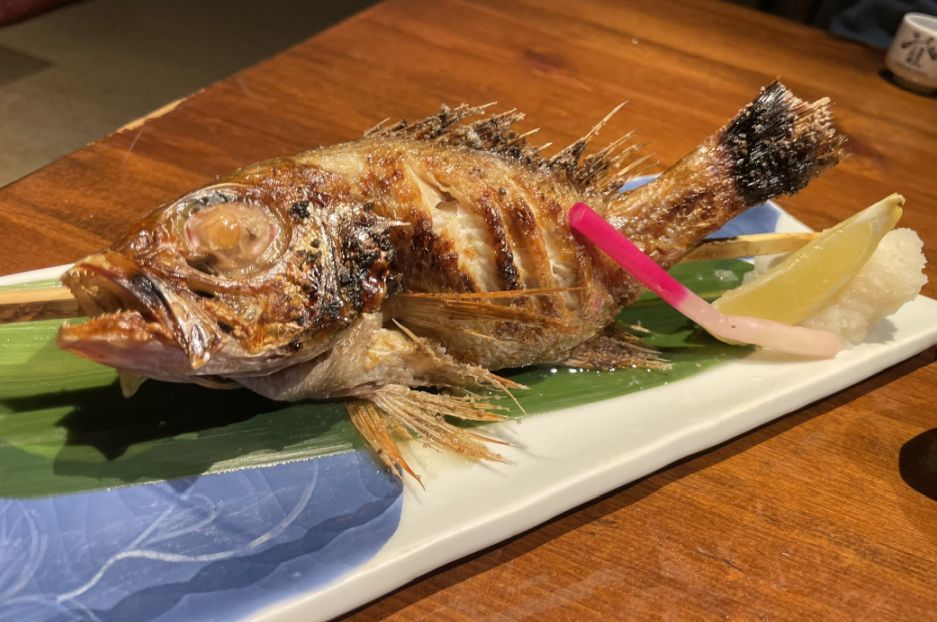
For our main, our waitress recommended a grilled black throat (Nodoguro). The fish is prepared in the traditional shioyaki (salt-grilled) style. You can see the coarse salt sprinkled on the tail and fins, a technique used by chefs to prevent these delicate parts from burning over the high heat of the charcoal. It is skewered and grilled in a wavy, three-dimensional "S" shape to make it look as if it is swimming across the plate, a hallmark of high-end Japanese fish presentation.
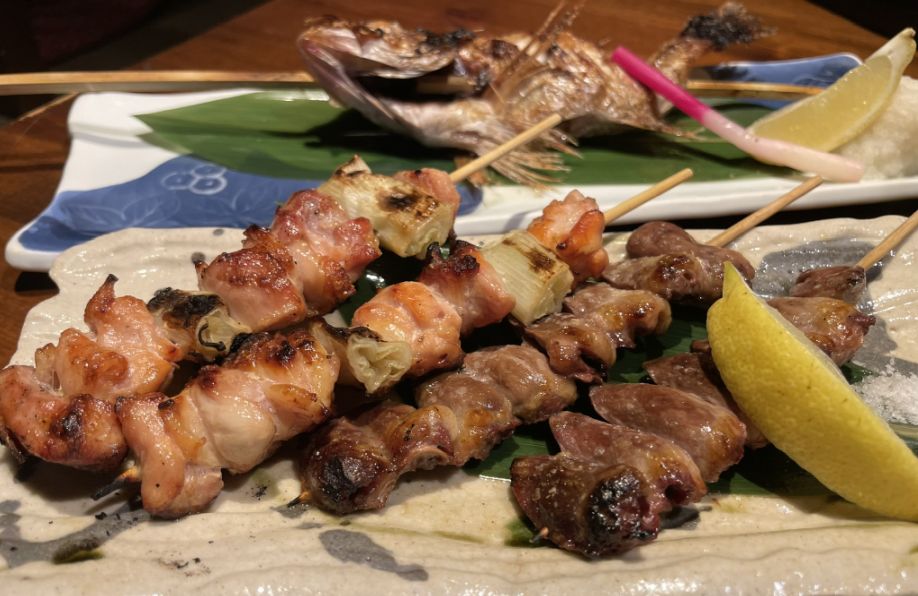
We also ordered a bunch of yakitori. Everything was so tasty.
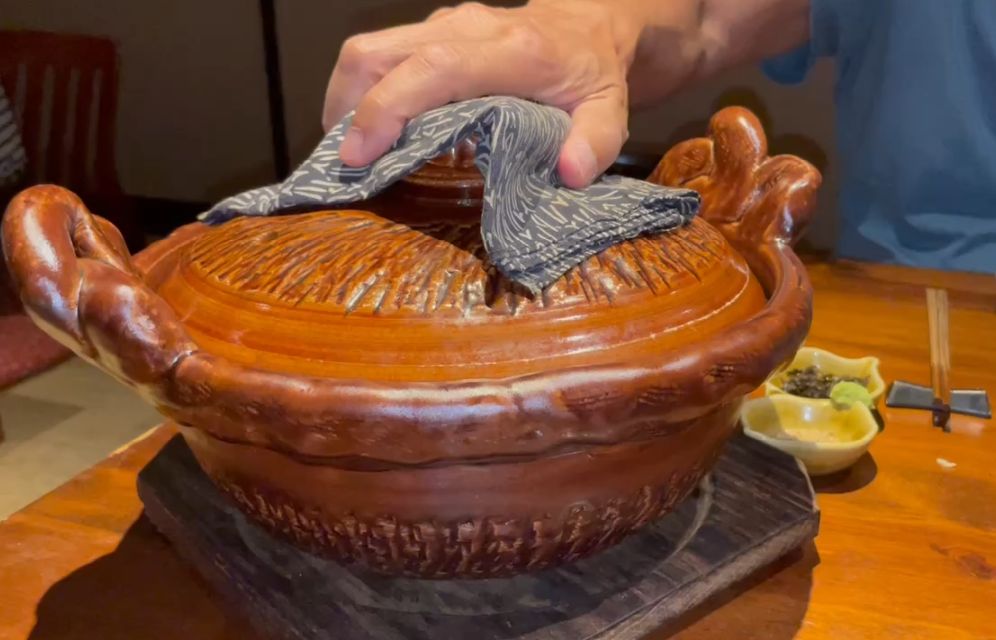
Ending the meal with is a classic Japanese culinary ritual called the "Shime" (the "finisher"),
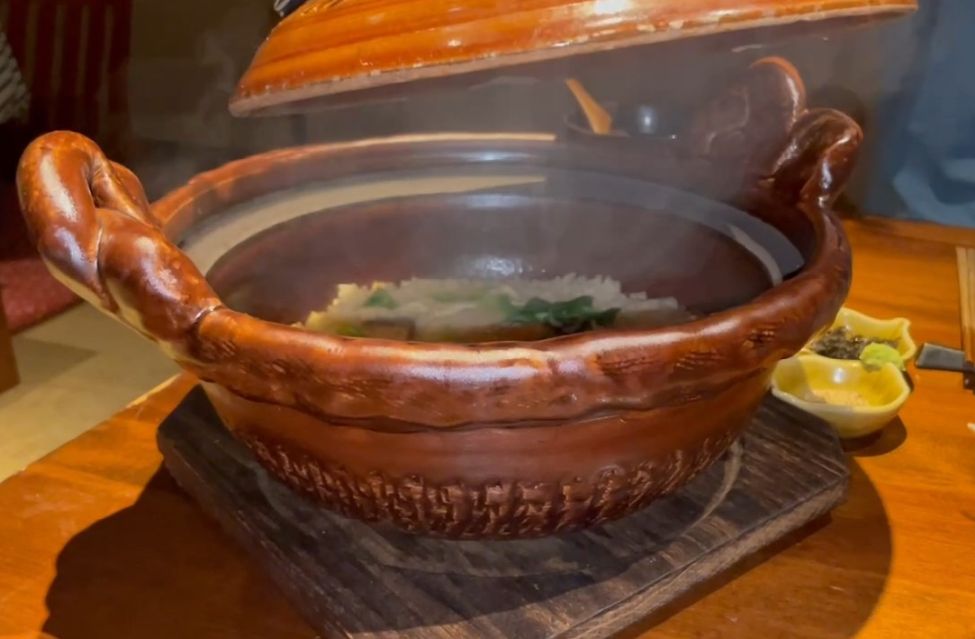
We ended the meal with a Kamameshi (clay pot rice) served in the Ochazuke style. When we lifted the lid, steams came out.
 |
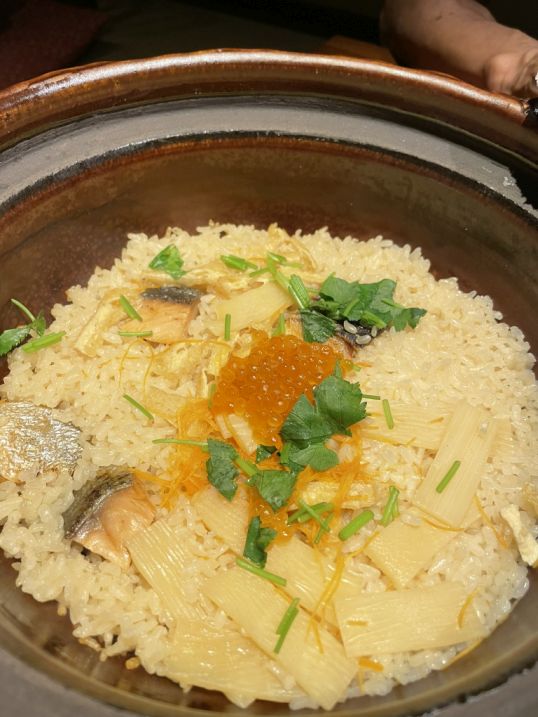 |
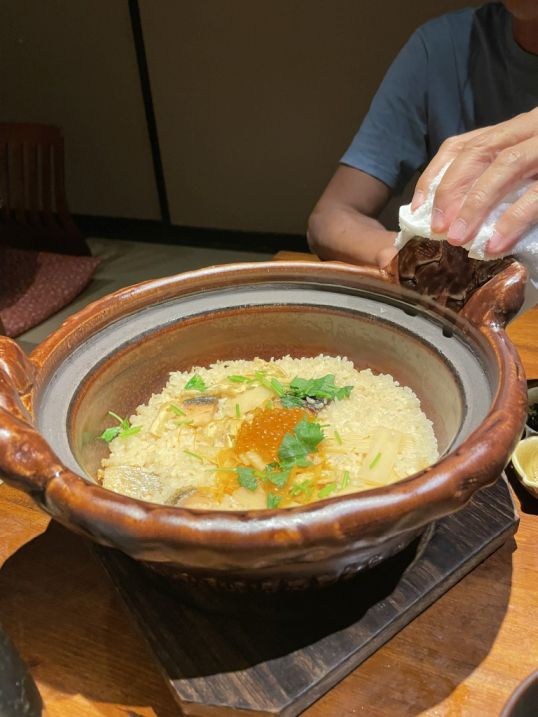
On top of the rice are Bamboo shoots are a classic addition to add a crunchy texture, while the salmon roe (ikura) provides a burst of salty, briny flavor that seasons the rice perfectly. One of the best parts of this dish is the okoge, the thin layer of crispy, caramelized rice that forms at the bottom of the clay pot.
 |
 |
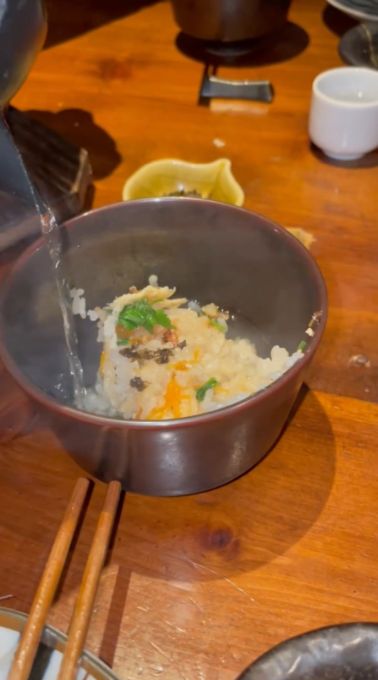 |
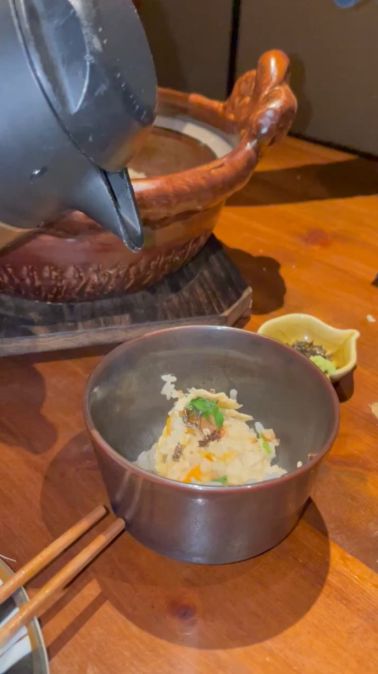
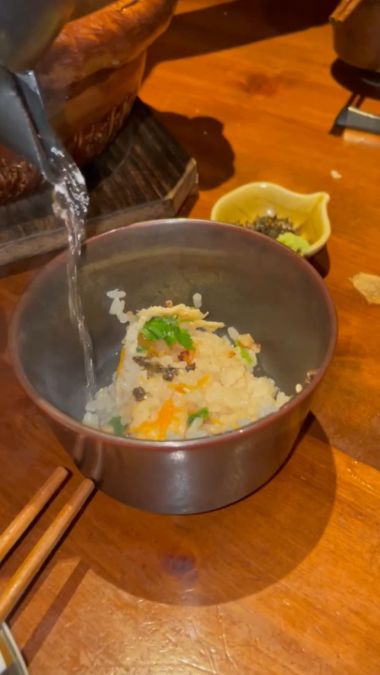
Next we scooped the rice into a small bowl and then we poured the broth from the kettle over the rice, is called Ochazuke. While "Ocha" means tea, in high-end restaurants, they usually provide a refined Dashi (fish and kelp stock) rather than plain tea. This helps lift the "okoge" from the bottom of the pot so you don't miss a single grain of that flavorful, crispy rice.
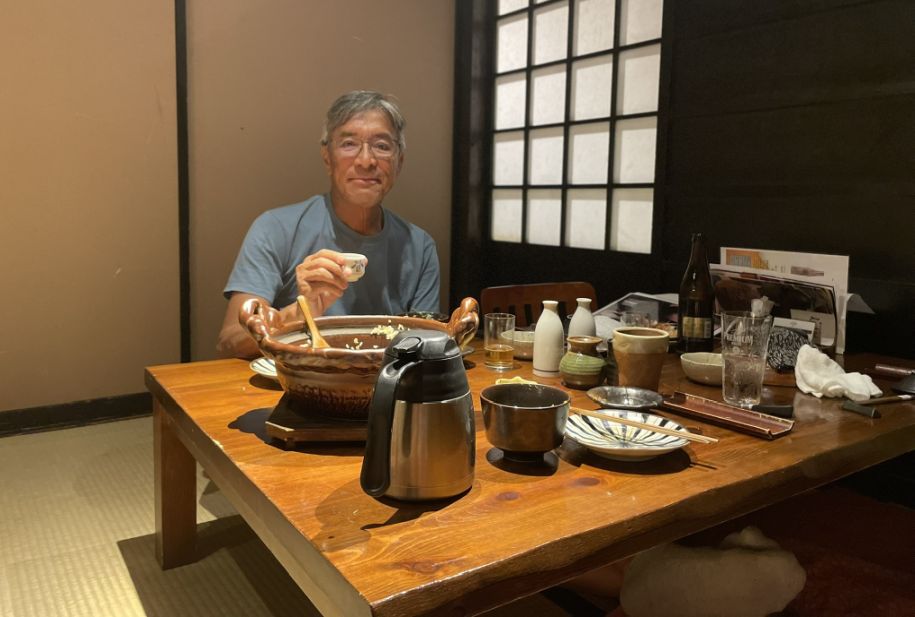
We really enjoyed our meal here. Cheers to great last evening in Niigata.
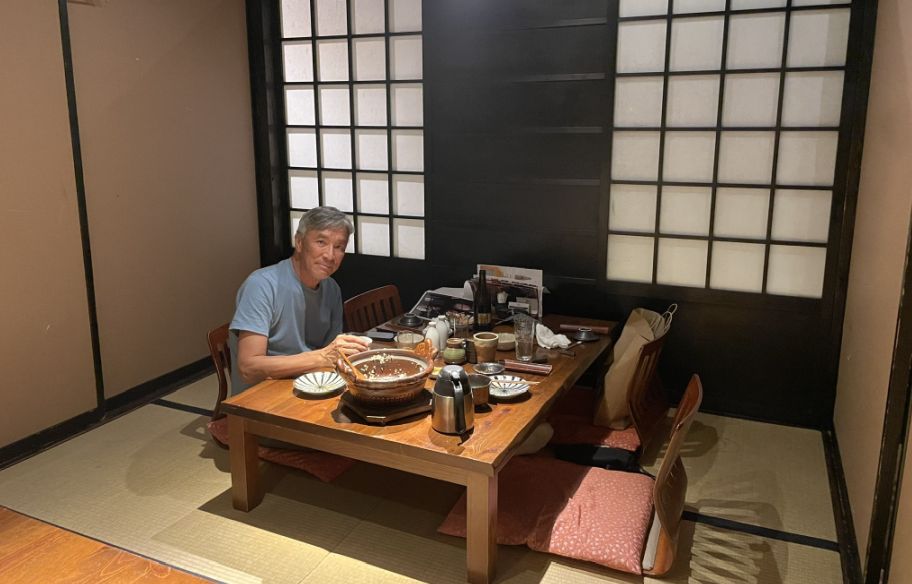
We really had a real Japanese experience sitting with our legs crossed under the table, which can be tough if you’re not used to it. The closeness of the room, with another table nearby, creates that cozy, shared atmosphere where conversations overlap softly and you feel like you’re dining inside someone’s home rather than a commercial restaurant.
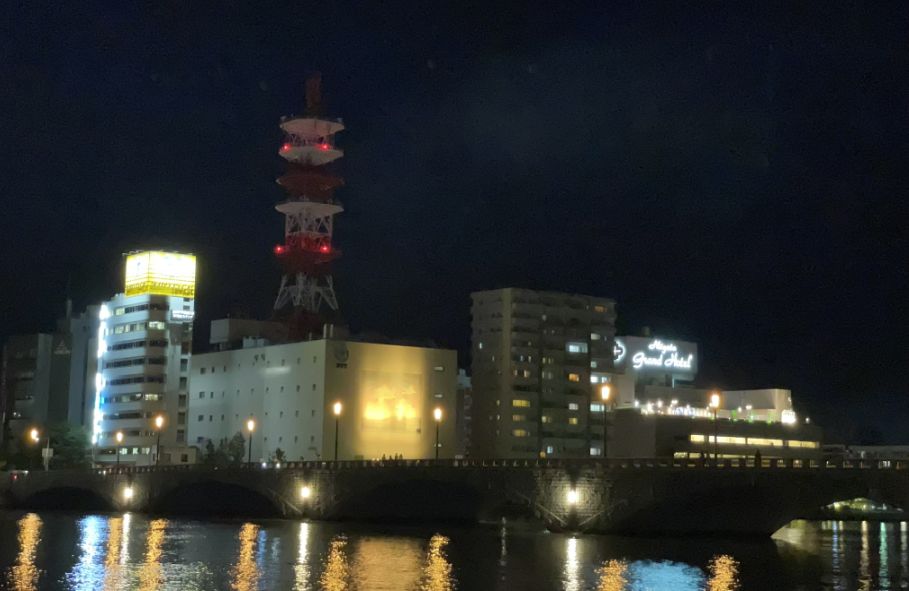
After the meal we walked back to our hotel by longing the bank of the river.
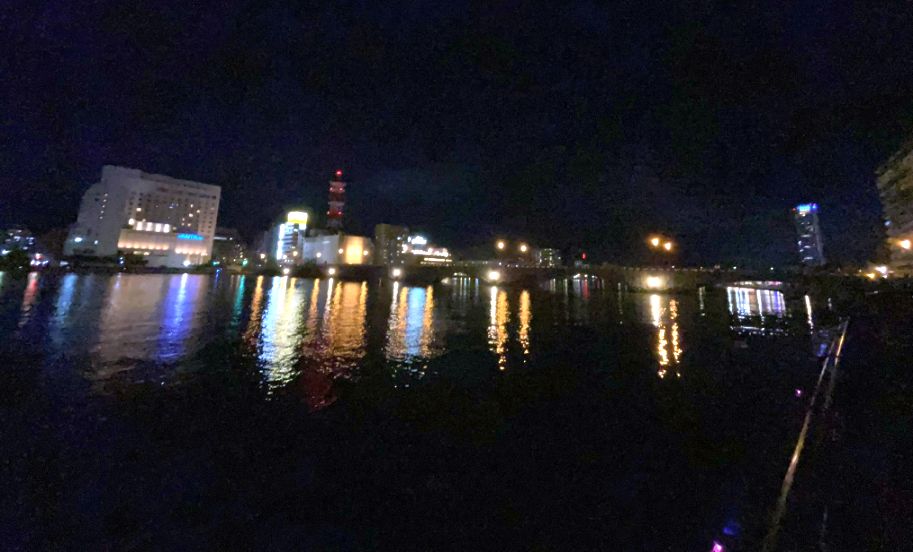
The lights are illuminating the shore of the river.
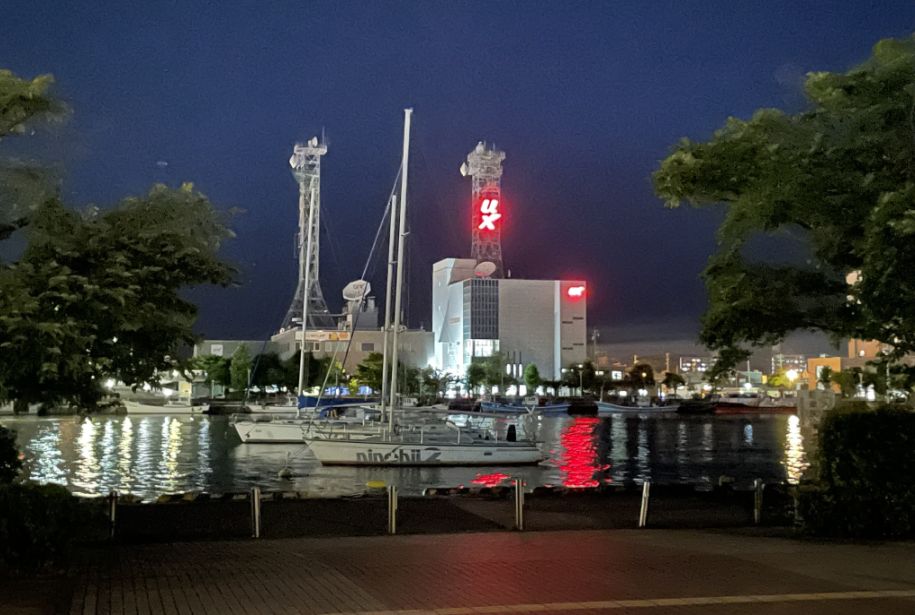
Boats docking at night.
Our five days in Niigata felt like discovering a different side of Japan, one that exists quietly beyond the usual tourist routes. There were no crowds, no lines, no rush. Most days, it felt like the towns, the wetlands, the museums, even the small restaurants were shared only between locals and us.
We walked through rice fields that stretched to the horizon, crossed still canals and rural bridges, and listened to the wind move through wetlands at Fukushimagata where birds and wildflowers outnumbered people. We wandered historic estates and wooden houses where time seemed to have slowed, and along riverfront paths where the only sounds were water and footsteps. Even downtown Niigata felt gentle and unhurried compared to Japan’s big cities.
Food became its own journey, conveyor-belt sushi by the harbor so fresh and affordable it felt unreal, tiny ramen and takoyaki shops tucked into side streets, and seafood grilled at our table in a tatami room beneath hanging dried fish. Every meal felt honest, local, and deeply connected to the land and the sea around us.
What stayed with us most was the feeling of calm. Niigata didn’t try to impress us loudly. It revealed itself slowly: in farmland at sunset, in empty bus stops facing wide fields, in quiet museums, in family gardens full of vegetables, and in conversations carried out mostly in gestures and smiles.
It felt like seeing the Japan that many travelers never reach, rural, peaceful, generous, and real. And in that quietness, we found something rare: space to breathe, to wander, and to feel not like tourists passing through, but like guests welcomed into everyday life.
NEXT... Day 6- Tokyo/Dinner at Jomon Roppongi