9 days in Japan- 6/23- 7/1/2024
Day 4-Farm Land, Niigata-6/26/2024
On the walk back to the bus station, the scenery slowly shifted from museum grounds to everyday rural life.
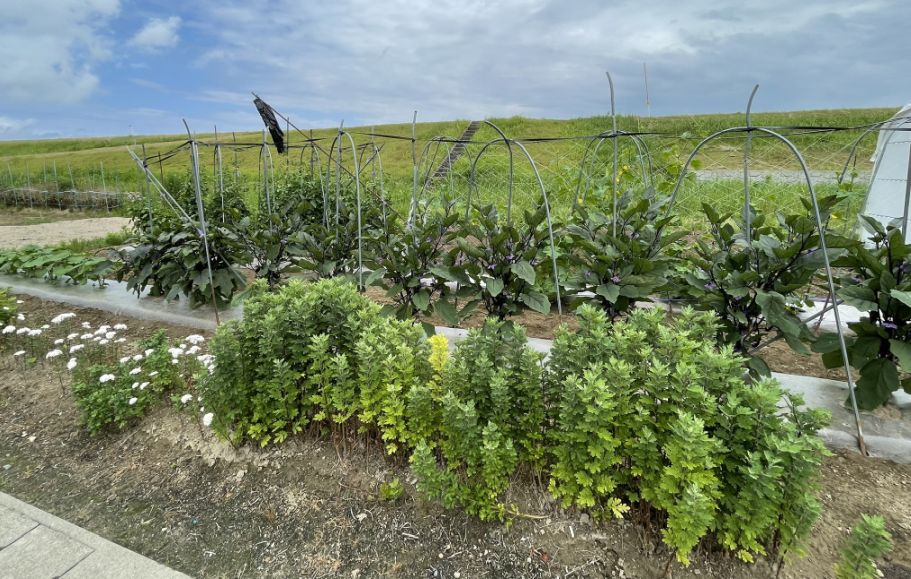
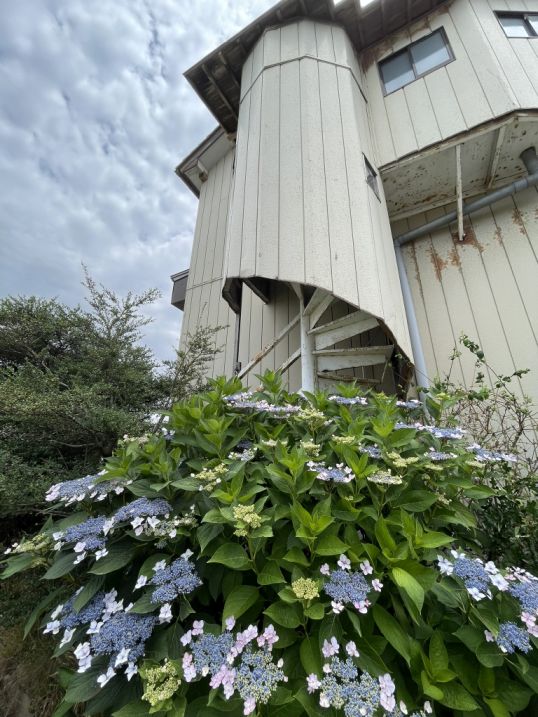
We passed quiet local houses, each with its own small yard carefully planted with fruit trees, flowers, and neat rows of vegetables. Nothing felt ornamental. These gardens were practical and alive, meant to be used, harvested, and tended daily.
 |
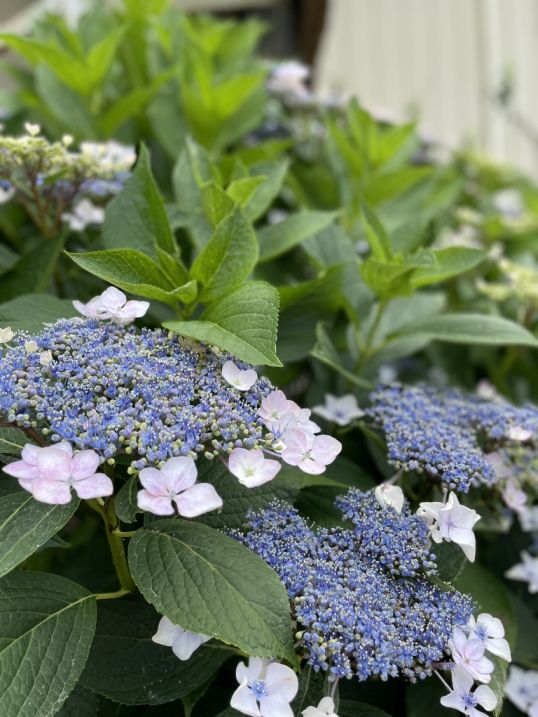 |
Penny Mac in bloom.
 |
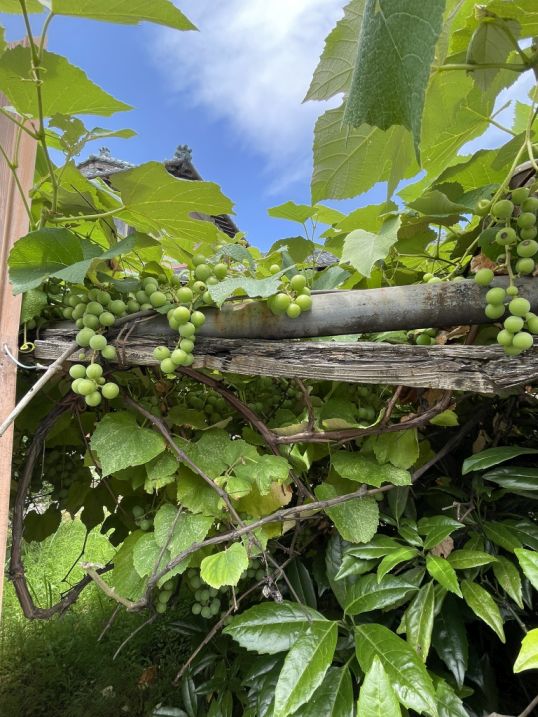 |
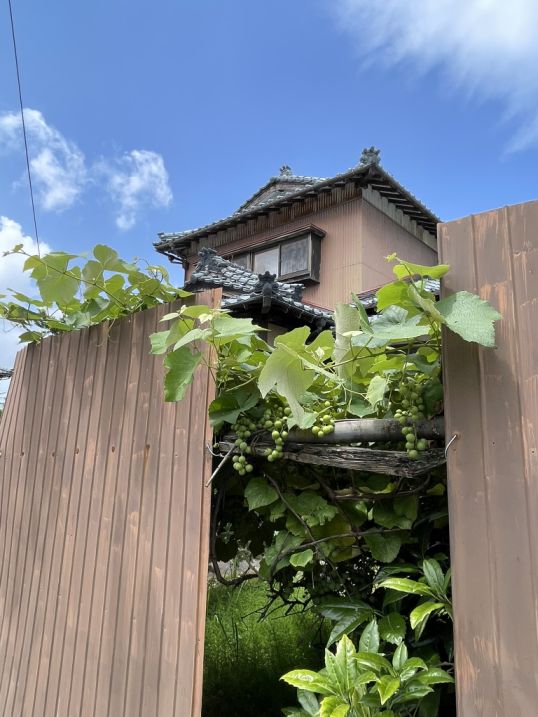
Grapes growing next to a fence.
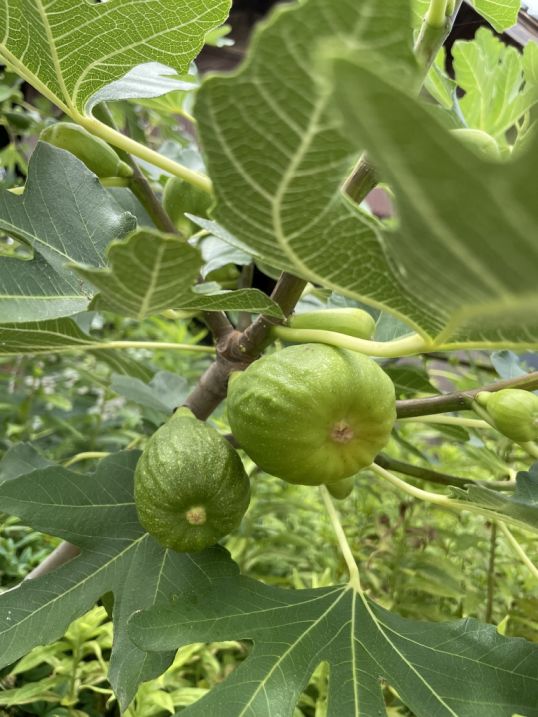 |
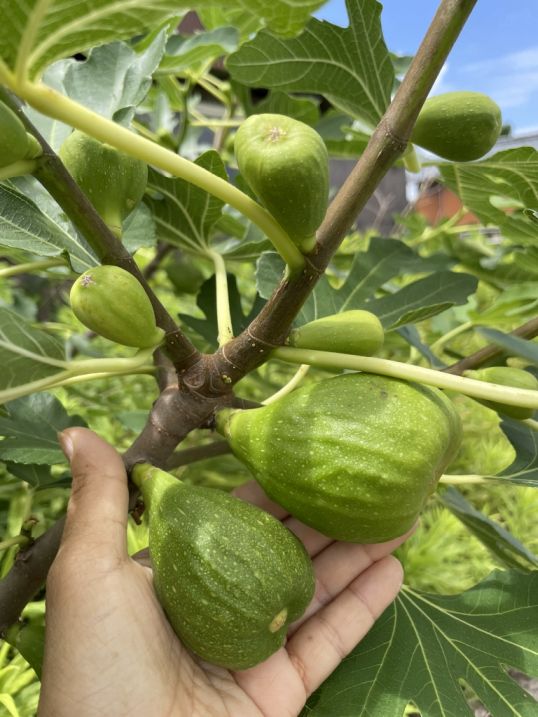 |
Beautiful green figs.
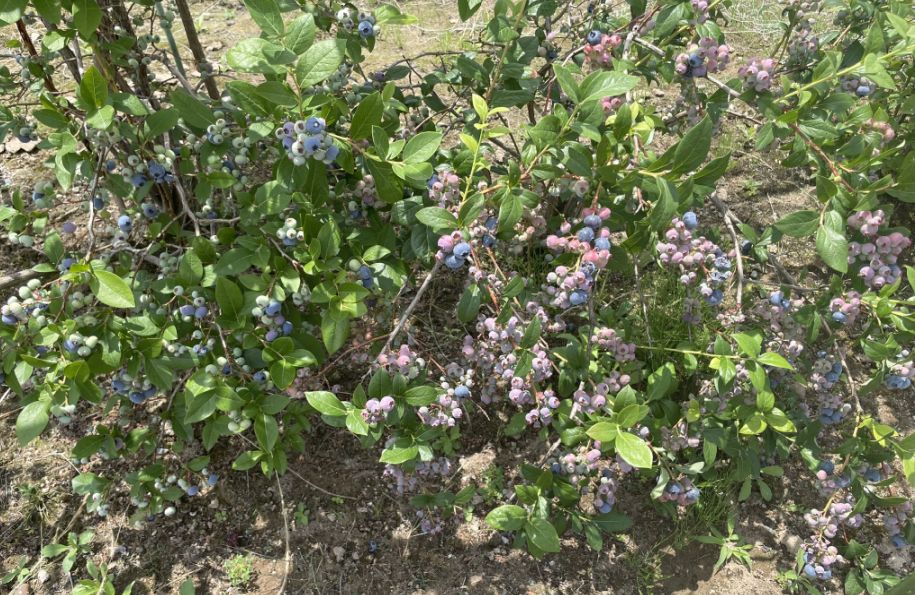
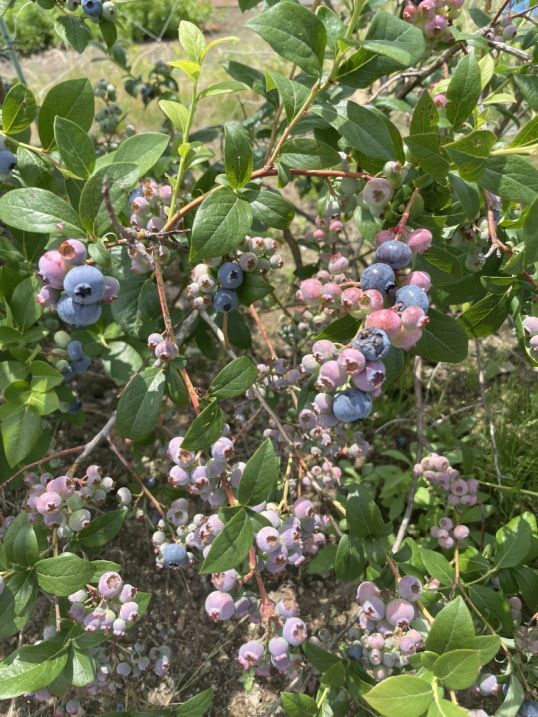
Blueberries bushes.
 |
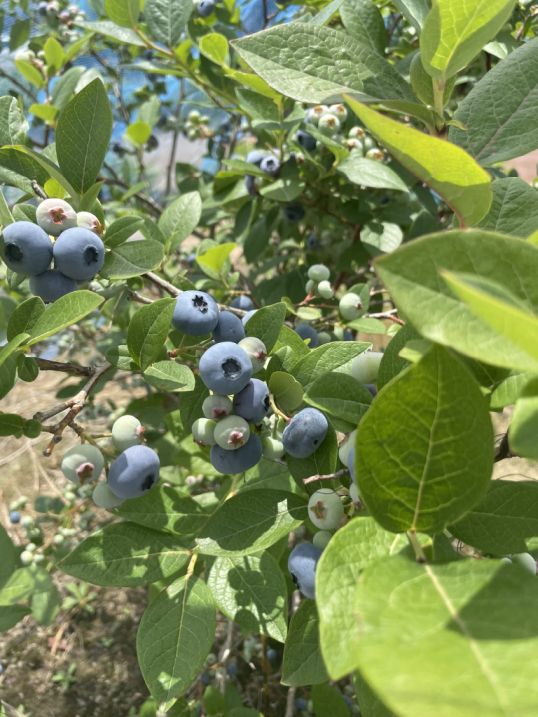 |
The blueberries are growing along a fences.
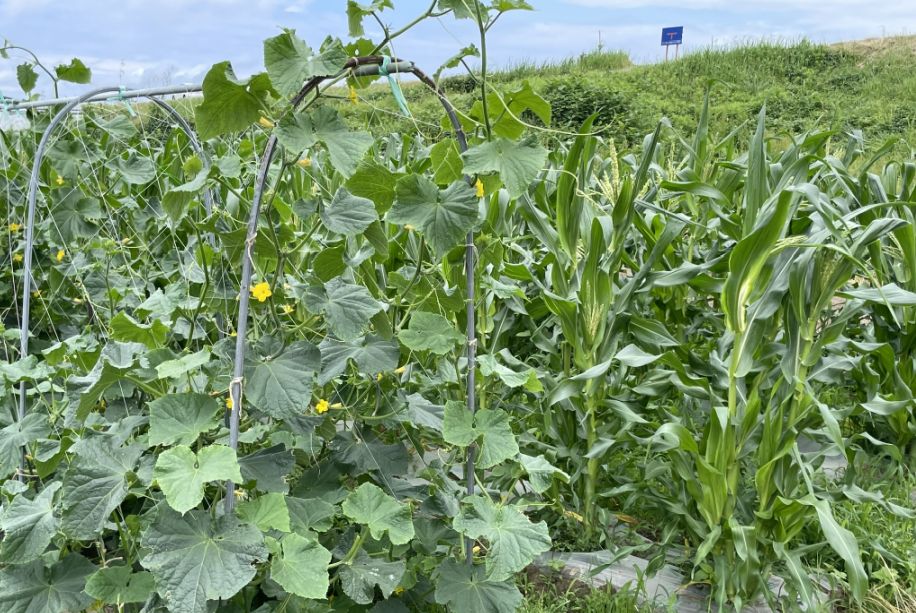
Every house that we passed by are growing something in the front or back yard. This family is growing some type of vegetable on a vine and corn next to it.
 |
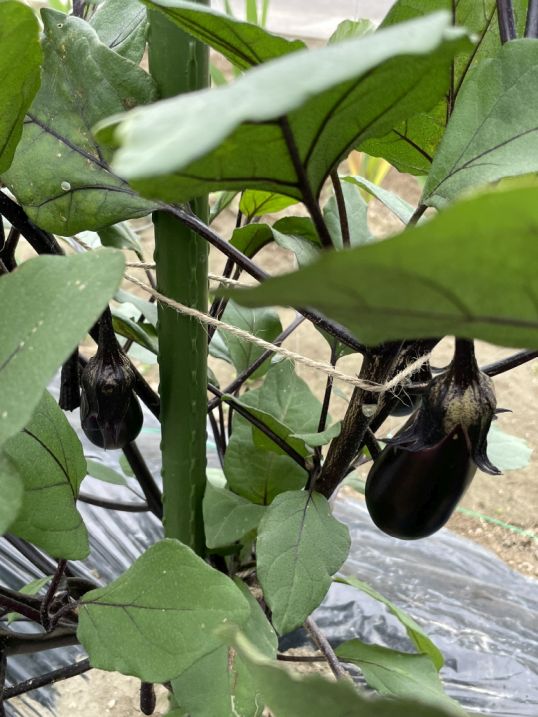 |
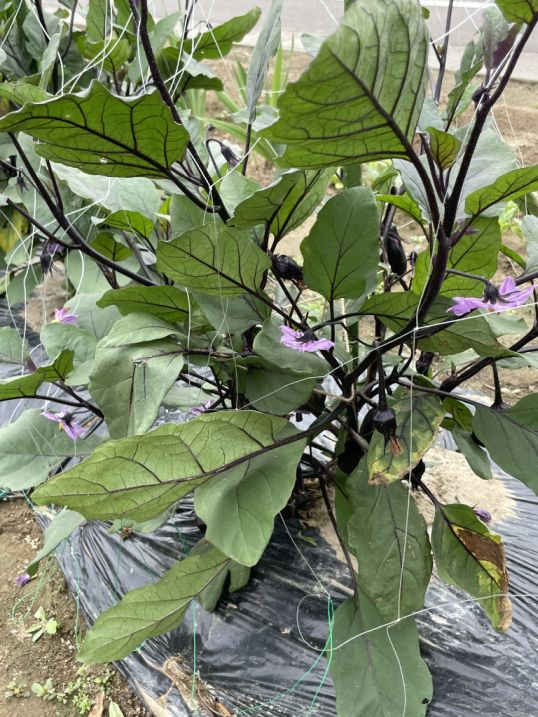
Eggplants.
 |
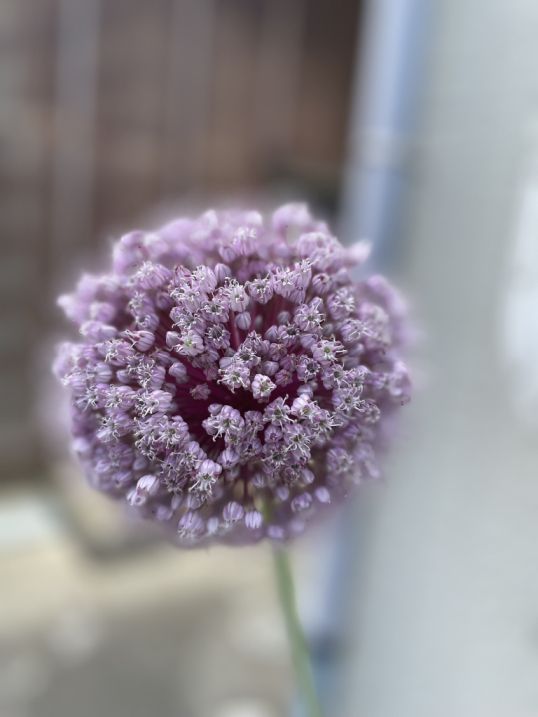 |
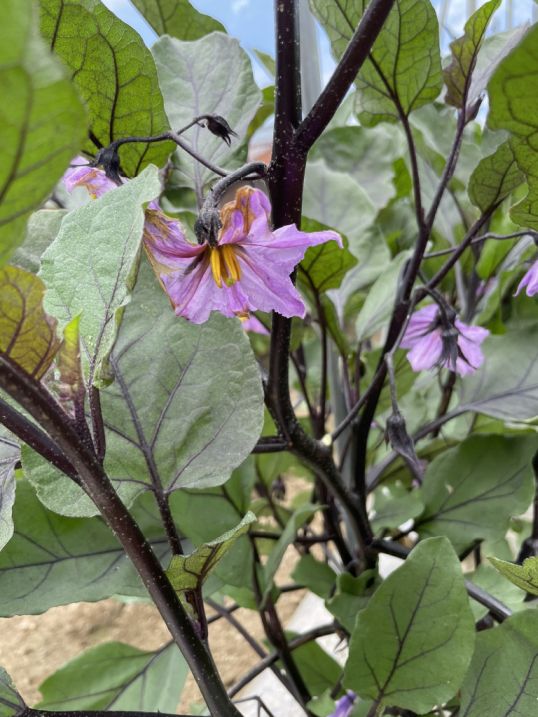
Eggplant flowers on the left and a beautiful purple flower on the right.
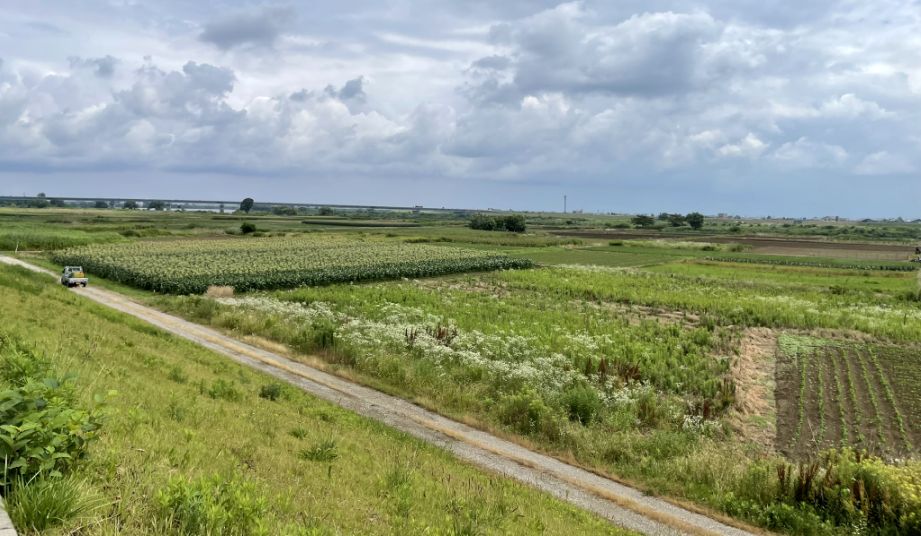
Closer to the bus stop, the view opened into a wide stretch of farmland across the road. From where we stood, we could see rows of different crops: tall corn, bundles of green onions or chives, low leafy plants that might have been peanuts, and long white daikon radishes pushing up through the soil.
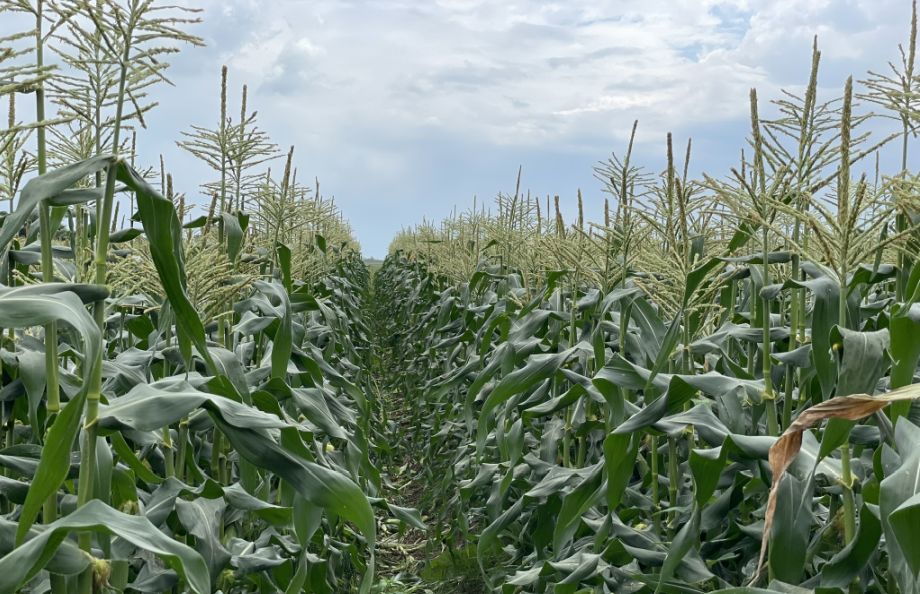
One field in particular stood out, planted entirely with corn. Long, straight rows of deep green stalks stretched across the land, repeating in perfect lines until they disappeared into the distance. The field felt immense and orderly, a quiet contrast to the delicate gardens we had just left behind, and it felt like we had stepped fully into the everyday working landscape of Niigata, where history and agriculture still exist side by side.
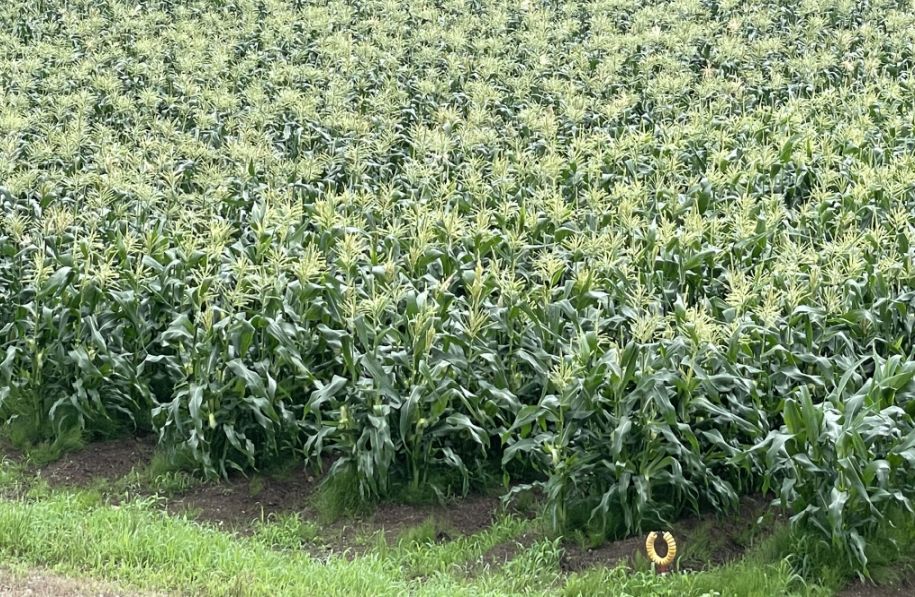
In Niigata, this kind of landscape is closely tied to the rice cycle. The region is famous for its rice, but rice is grown only part of the year. After the rice is harvested in autumn, many fields are replanted with vegetables or other crops to keep the soil healthy and productive. This practice, called crop rotation, helps prevent nutrient depletion and reduces pests while providing food and income through the colder months.
 |
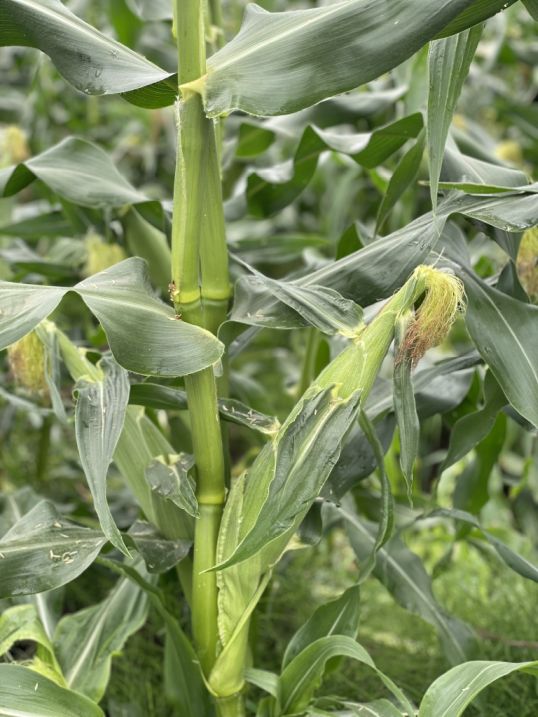 |
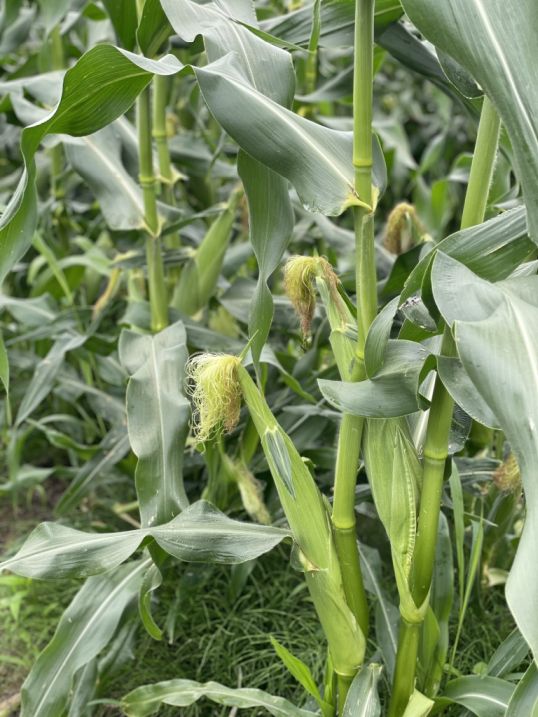
From many of the corn plants, pale yellow ears were already forming, wrapped tightly in their husks, just beginning to push outward.
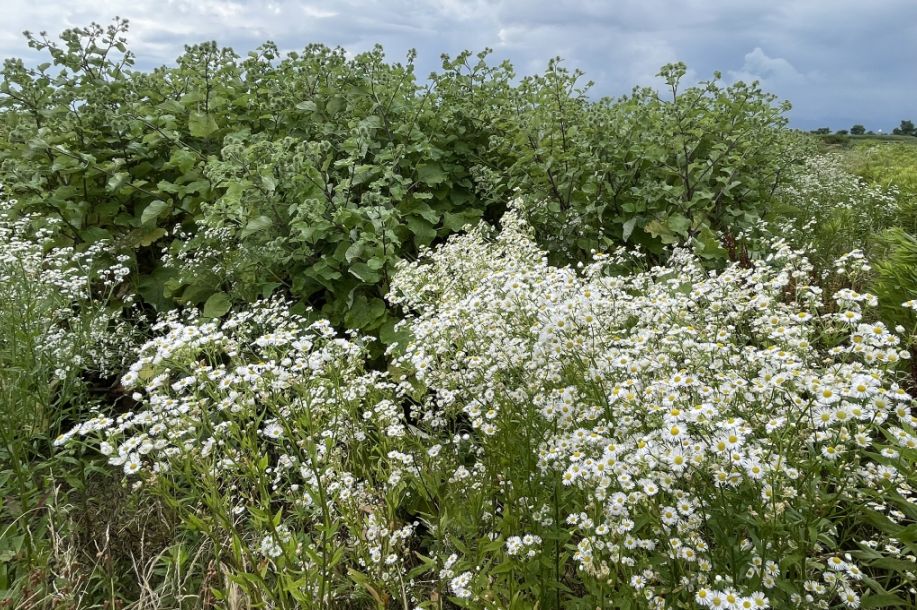
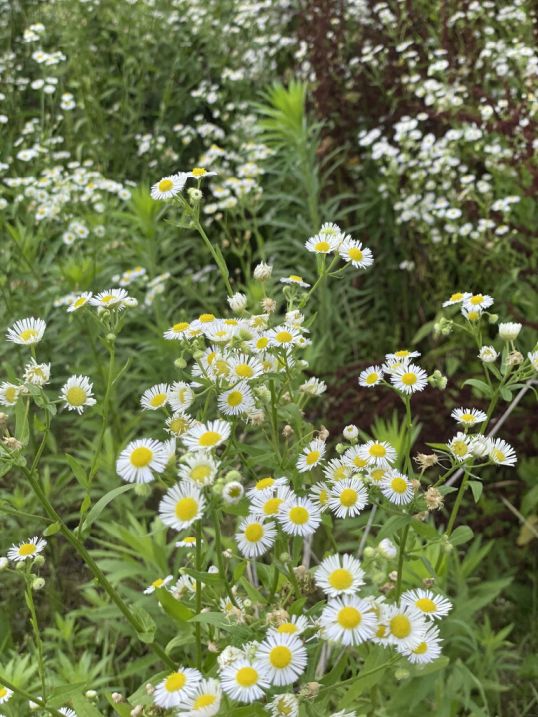
Along the edge of the fields, we noticed clusters of small chamomile-like flowers, their white petals circling bright yellow centers. They looked delicate against the dark soil and tall green crops.
 |
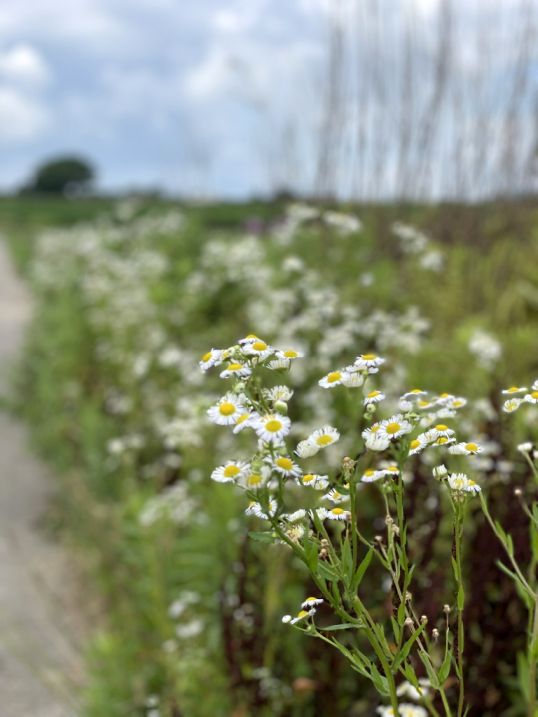 |
In rural Niigata, these flowers are most often wild, growing naturally along farm boundaries, irrigation paths, and unused strips of land. Farmers usually allow them to grow because they attract pollinators like bees and help create a healthy balance in the fields. Occasionally chamomile is planted intentionally for tea or herbal use, but large-scale cultivation is rare in this region.
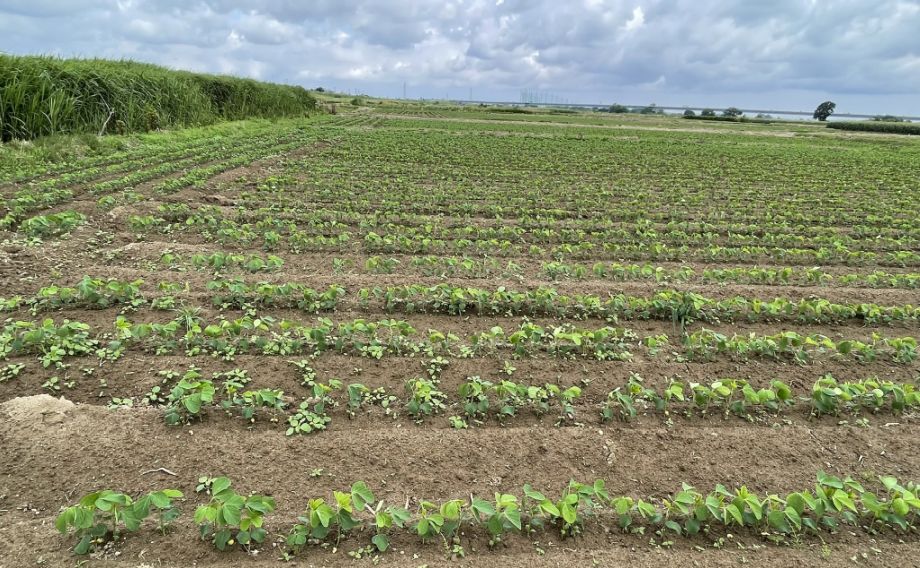
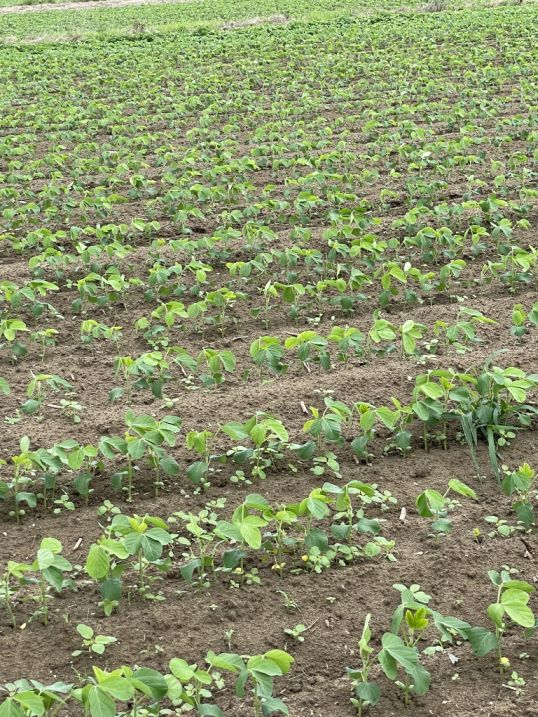
We passed a field of peanut plants, still low to the ground, their leaves bright and tender. Yes, this is exactly the kind of rotation crop grown after rice harvest. Peanuts are especially useful because they enrich the soil by adding nitrogen back into it, helping prepare the fields for the next rice season.
 |
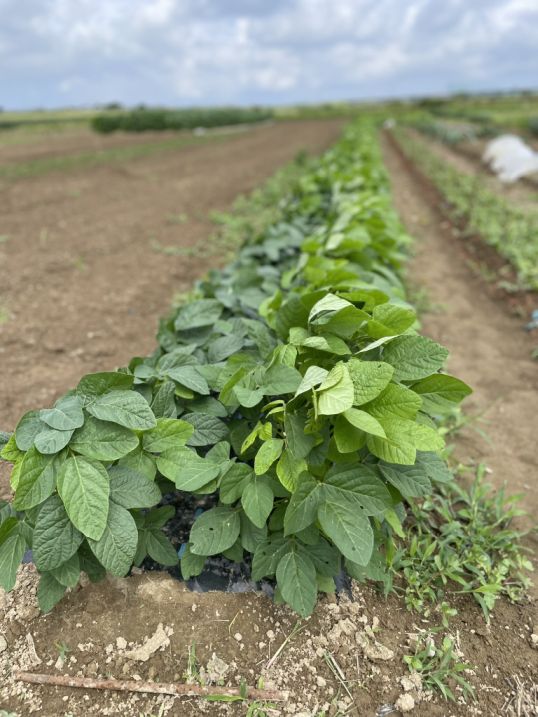 |
This is exactly the kind of rotation crop grown after rice harvest. Peanuts are especially useful because they enrich the soil by adding nitrogen back into it, helping prepare the fields for the next rice season.
 |
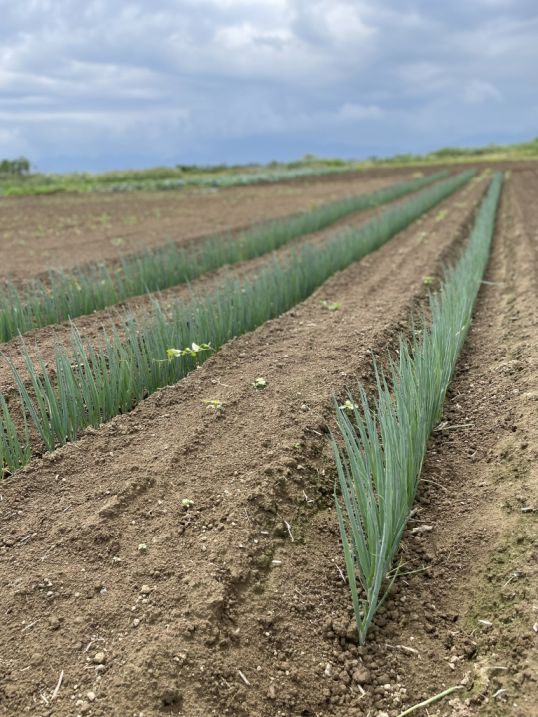 |
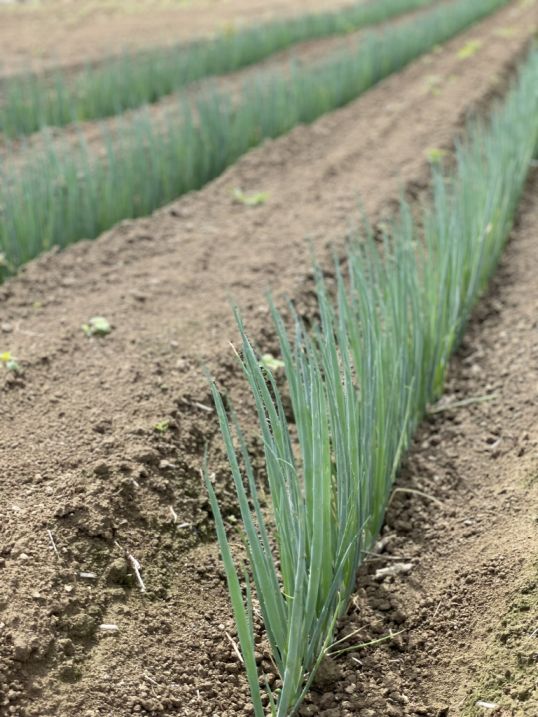
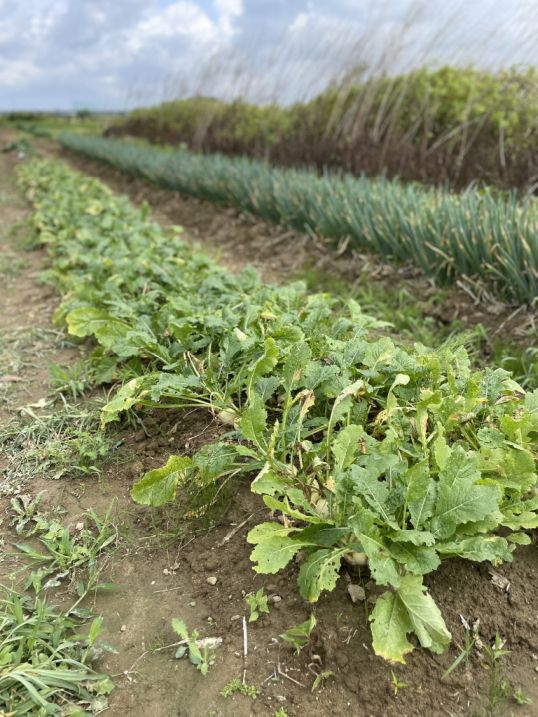
Nearby were long, orderly rows of onion plants, their thin green stalks standing straight like small flags.
 |
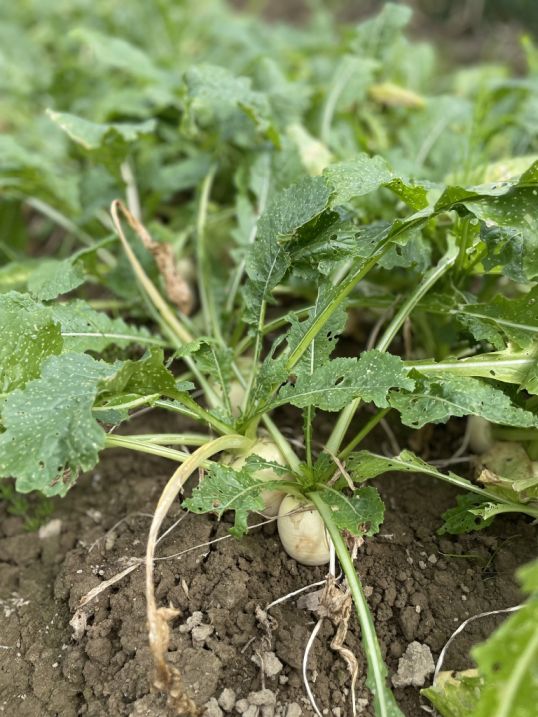 |
Beside the onion plants several neat rows of white daikon radishes, their broad leaves spreading outward while the thick roots grew hidden beneath the soil.
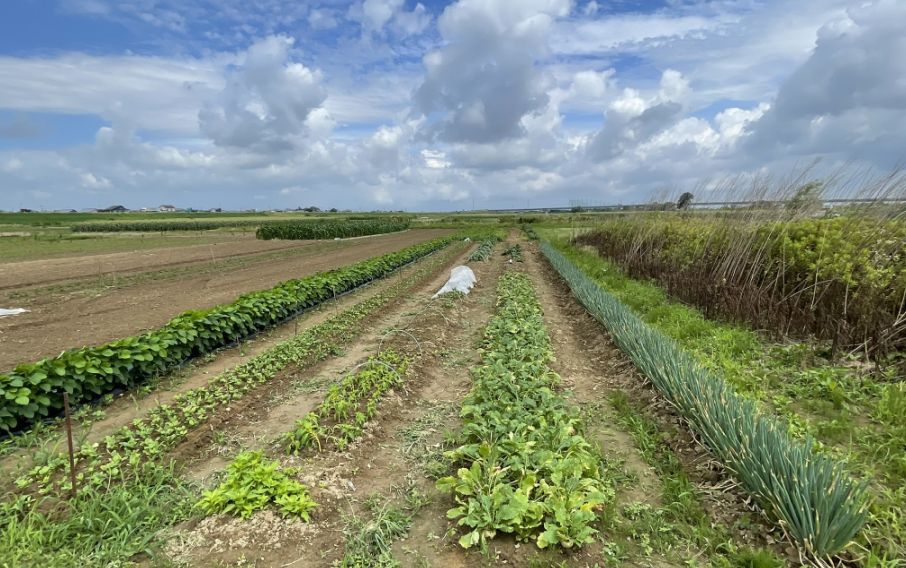
Seeing these different crops side by side made the farmland feel carefully planned, not random at all. Each plant had its role, some to restore the soil, some to feed the local community, all part of the quiet agricultural rhythm that continues long after the rice has been harvested.
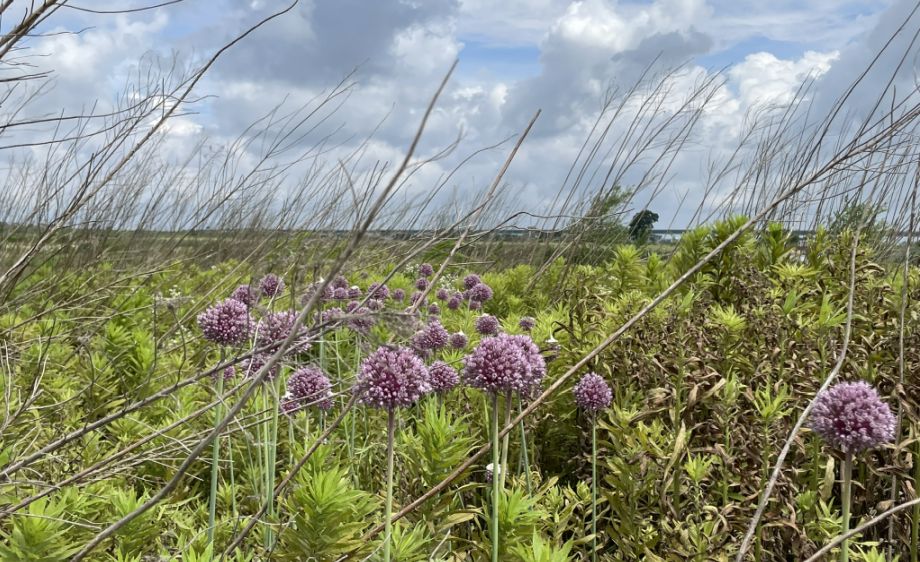
Not far from the peanut fields, we began to notice tall purple flowers rising above the grass. Each one stood on a long slender stem, topped with a large round bloom, almost like a soft violet globe. They did look very much like devil’s-bit scabious. In this part of Niigata, flowers like these are usually wild, growing naturally along field edges, irrigation channels, and uncultivated land. Farmers often leave them untouched because they attract bees and butterflies and help support the local ecosystem. Their deep purple color stood out beautifully against the pale soil and green crops, like small lanterns floating above the fields.
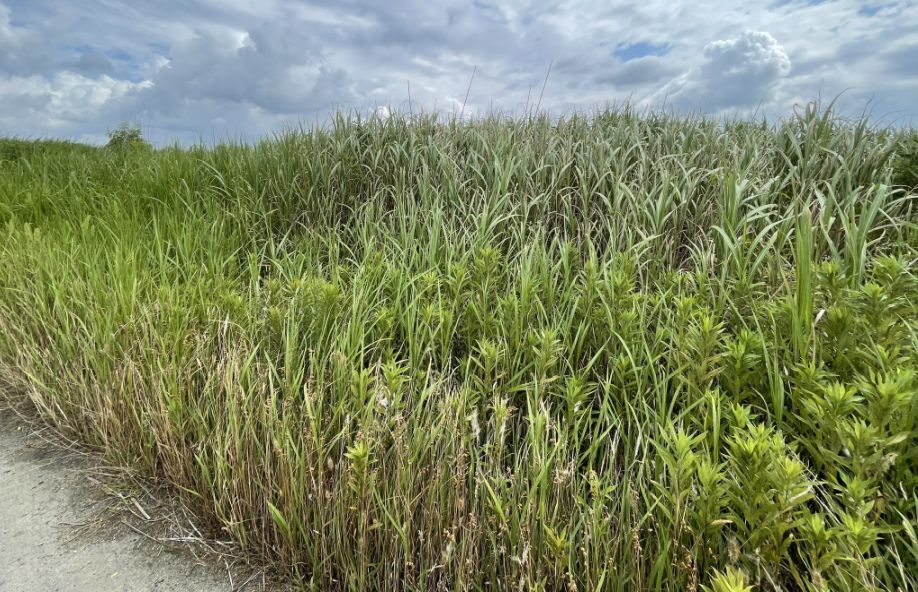
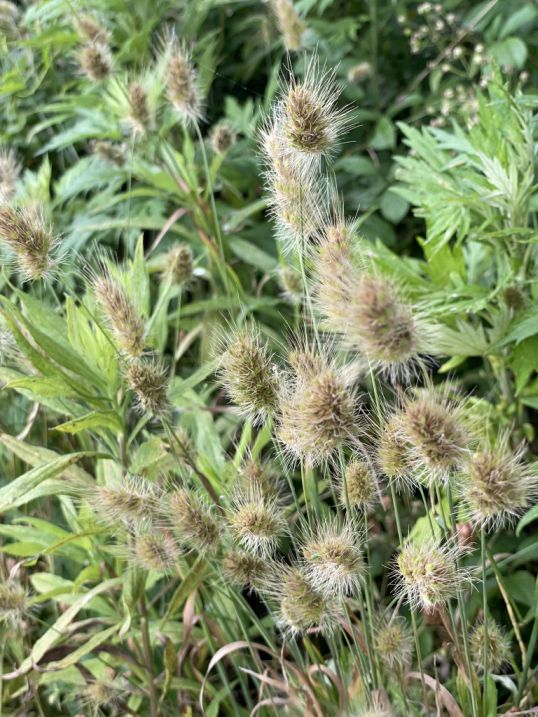
Wild grass along the way.
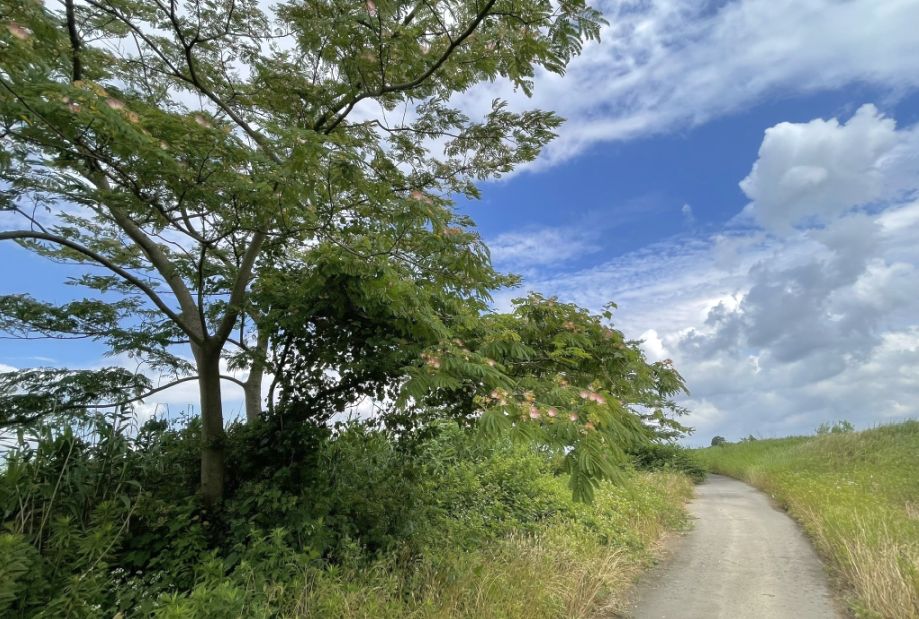
We continued along a narrow dirt road, framed on both sides by Persian silk trees.
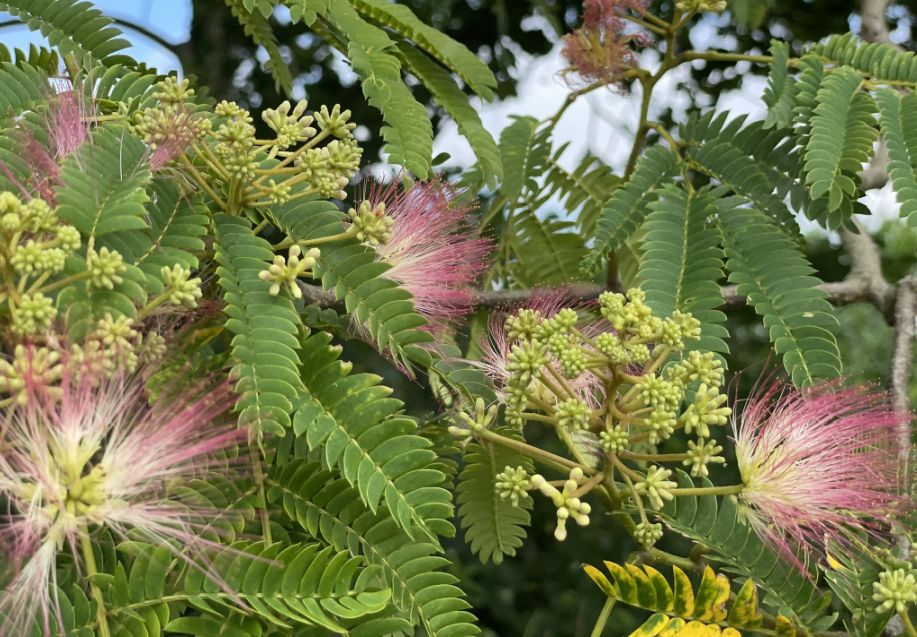
Their branches spread wide overhead, heavy with delicate pink blossoms that looked like soft feathers drifting in the air. Fallen petals dotted the ground like scattered confetti.
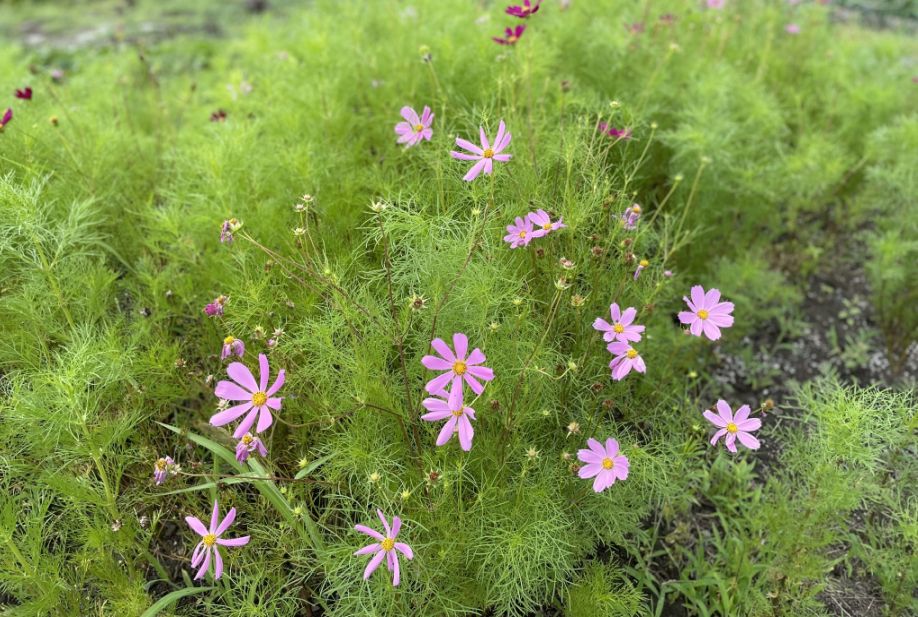
As we continued, the fields and roadside suddenly filled with garden cosmos flowers in full bloom.
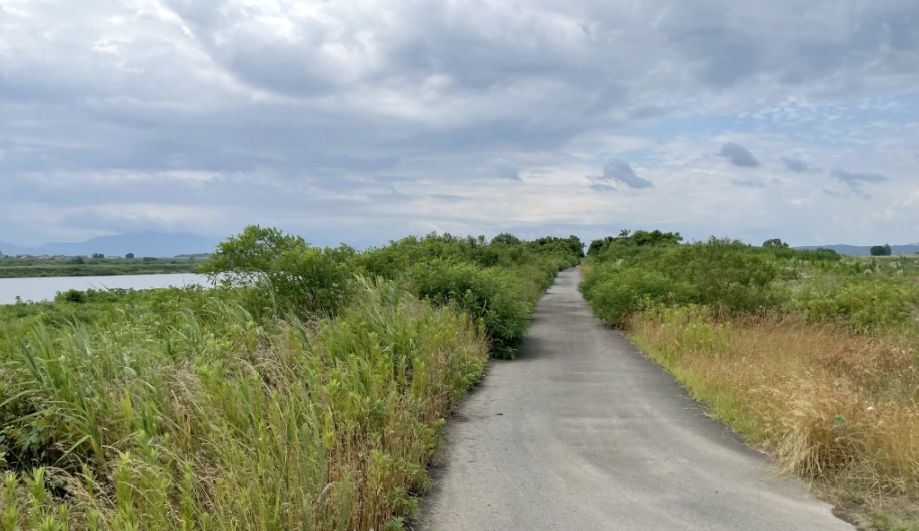
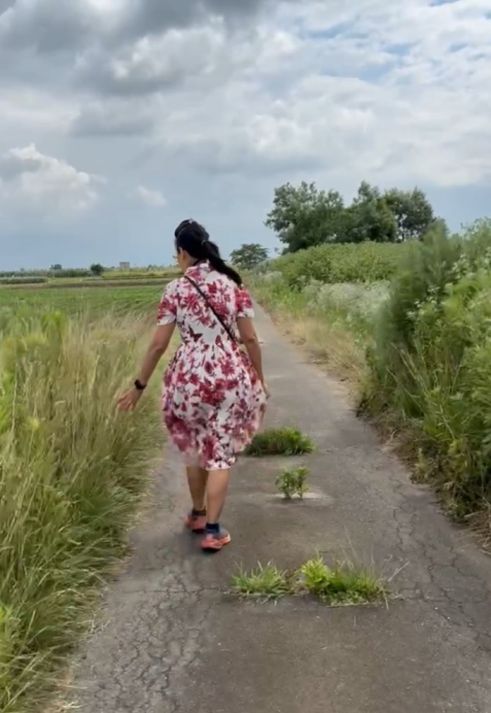
On either side of the path, wild grasses and plants grew thick and untamed. To one side, the land opened toward the Agano River, its wide, calm surface moving slowly beside the fields. The water reflected the sky in muted silver tones, adding a sense of coolness and space to the warm farmland.
 |
 |
I was so nice to walk between crops, wildflowers, and river water, where the museum’s history quietly gave way to the living countryside of Niigata.
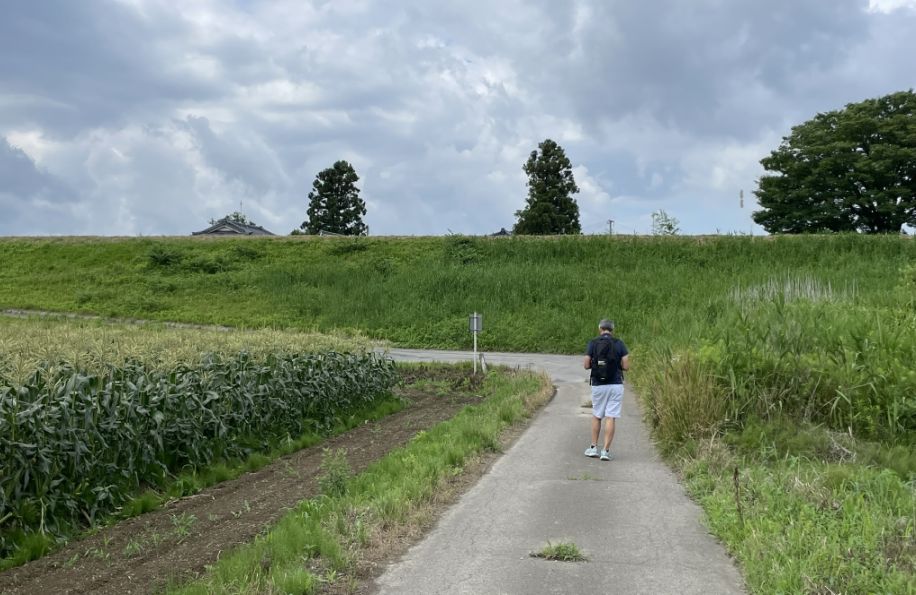
We are heading toward the bus station.
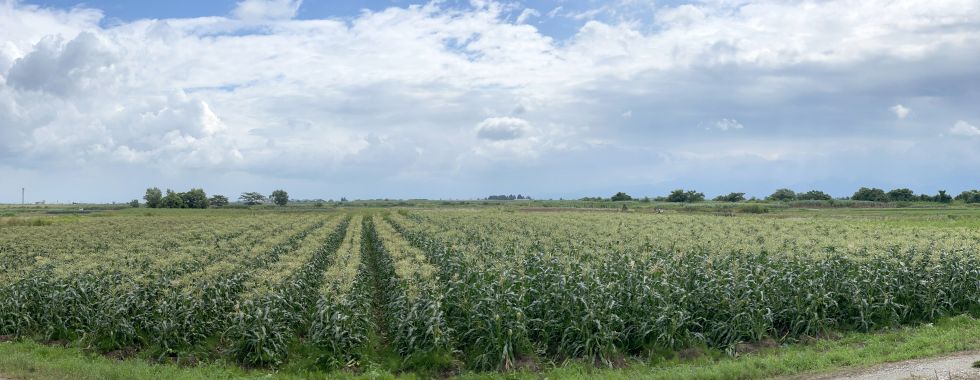
Walking by this immense field of corn.
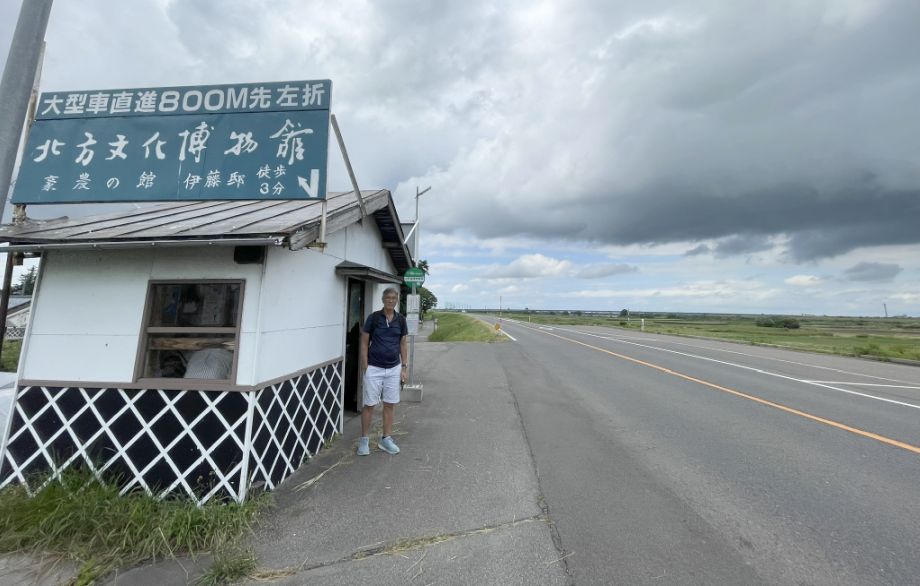
At the bus station, the world felt wonderfully simple. In front of us stretched nothing but open farmland, flat and green under the wide sky. No crowds, no noise, no tour buses. Just fields, a quiet road, and the two of us waiting. It felt special to be there, like we had wandered into a version of Japan that most travelers never see.
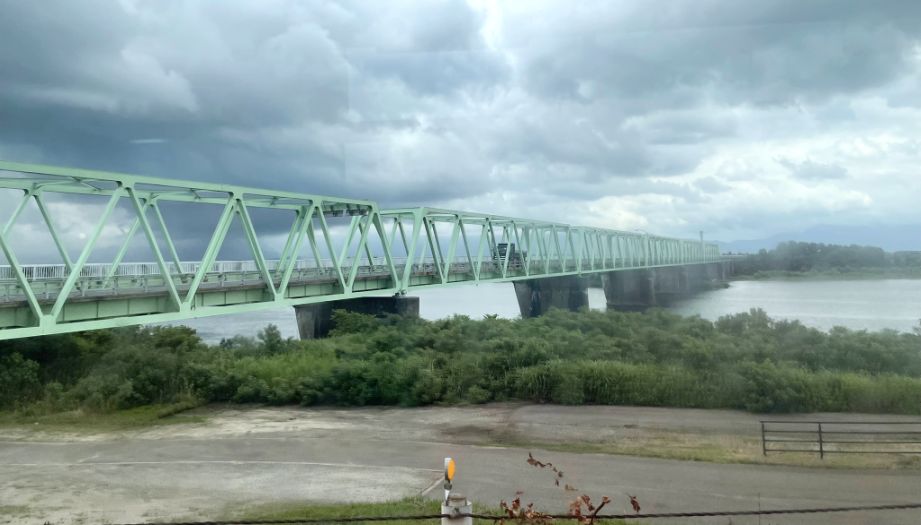
As the bus pulled away, we crossed a long green metal bridge spanning the river. Bridges like this are built mainly for practical use, connecting farming communities and allowing trucks to carry crops and supplies between villages and towns. They are designed to be sturdy rather than beautiful, but from the window, the lattice of green steel framed the water below like a moving picture, fields and sky reflected in its surface.
 |
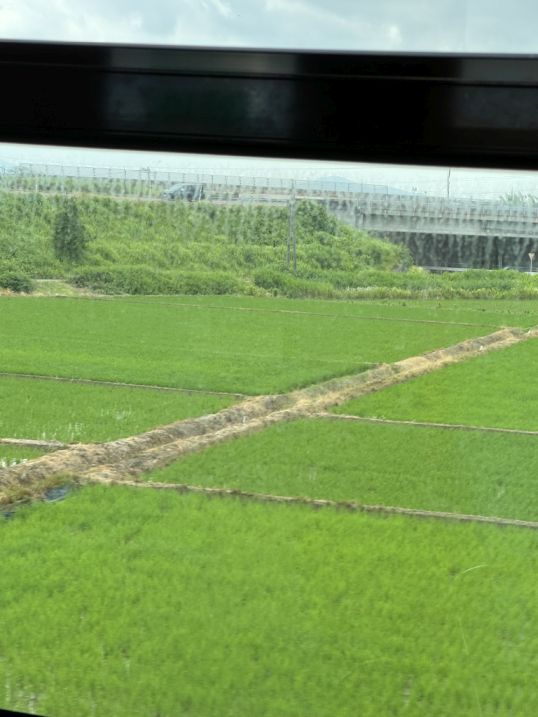 |
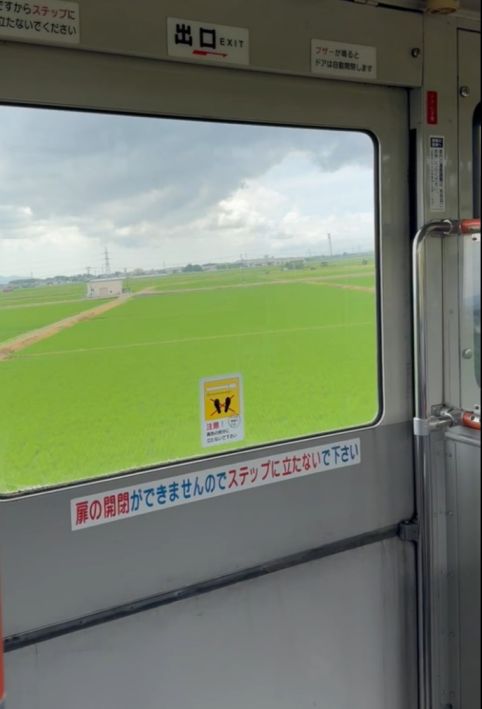
Later, on the train back toward downtown Niigata, the countryside unfolded again outside the windows. Rice paddies, vegetable fields, narrow canals, and scattered farmhouses passed by in slow, steady rhythm, a final glimpse of the rural world before the city returned.

Dinner
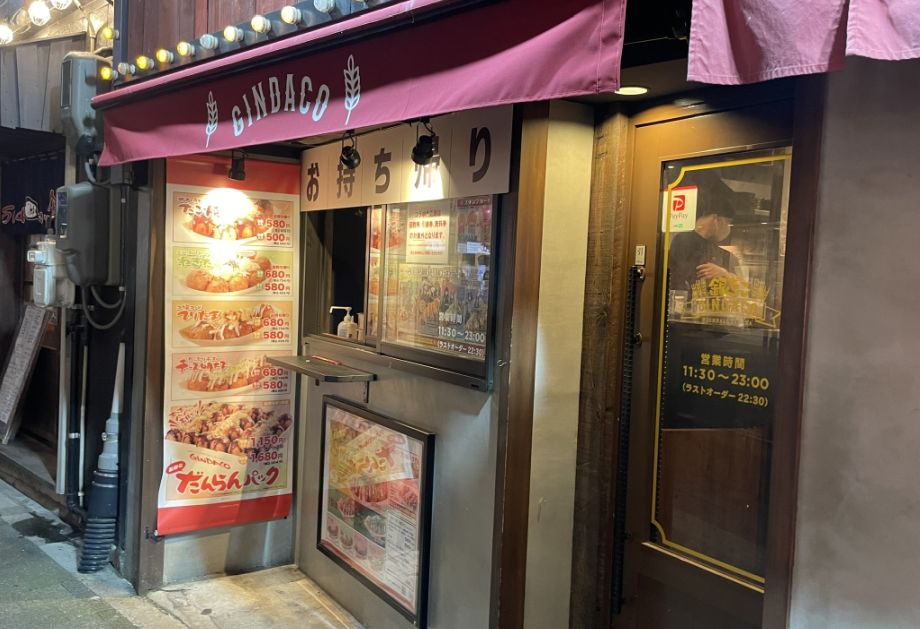
That evening, back in downtown Niigata, we wandered until we found Gindaco, a tiny takoyaki shop, barely more than a counter and a grill. The smell alone pulled us in.
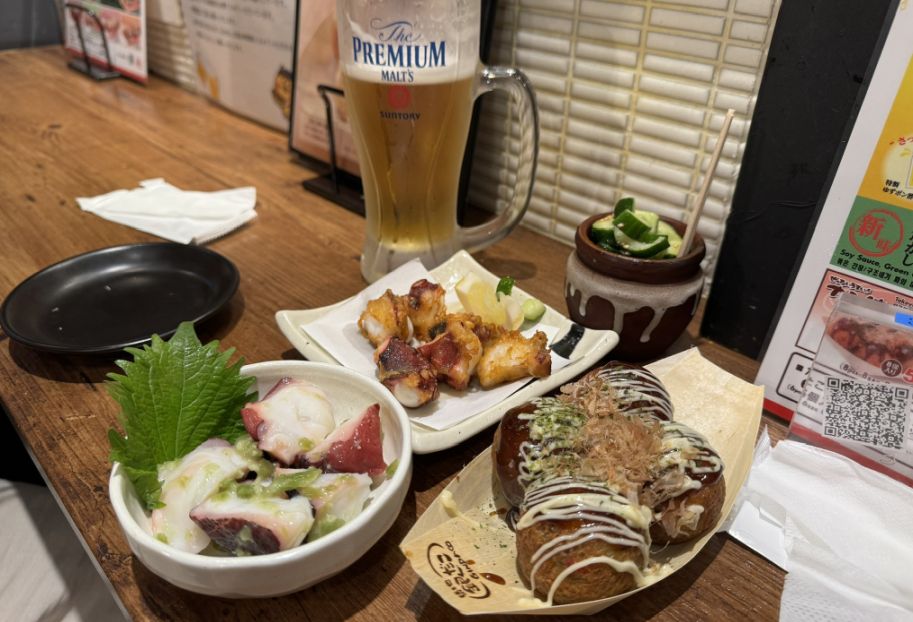
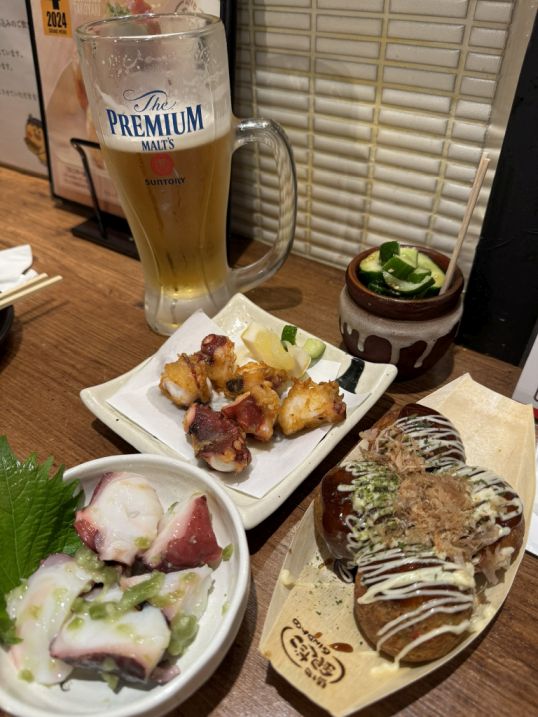
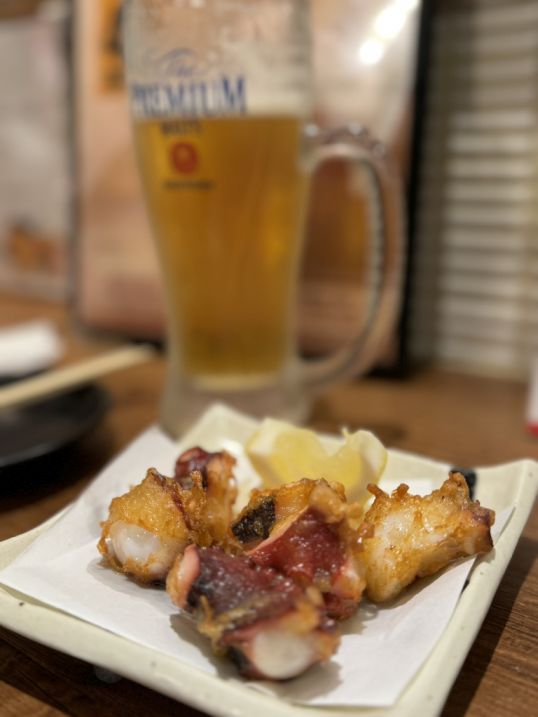
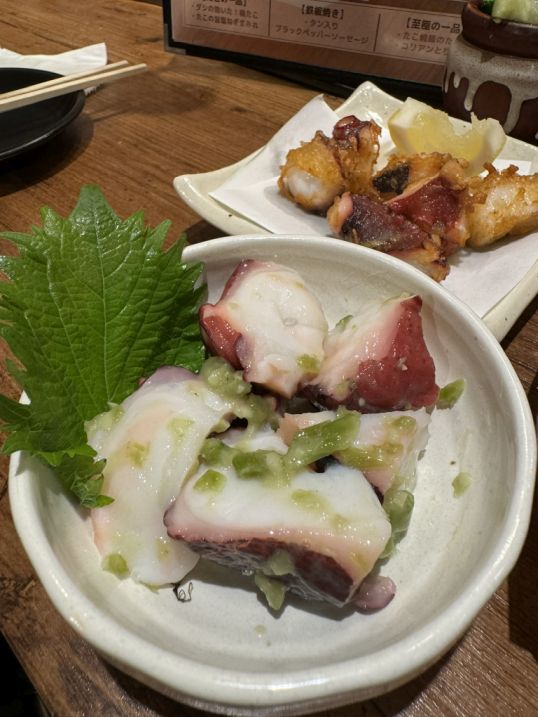
We ordered more than we planned: fried octopus, and another dish of octopus mixed with chopped green scallions, cooked greens, and fragrant shiso leaves. Simple food, cooked carefully, eaten standing close to the counter, still warm in our hands.
 |
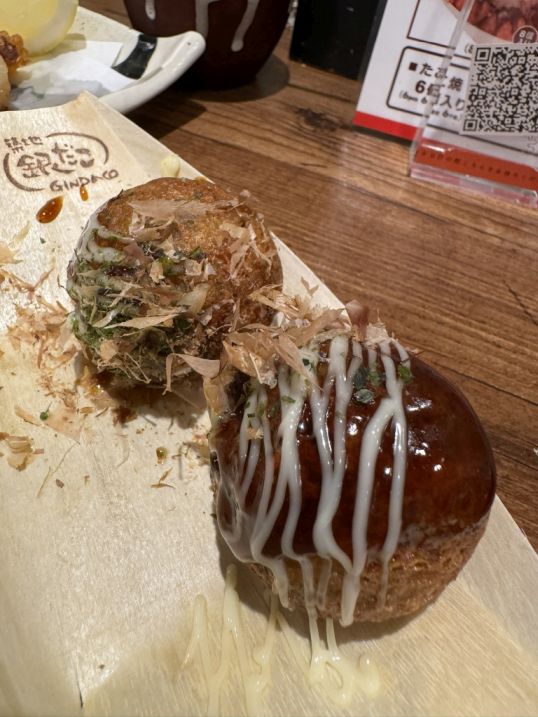 |
To our surprise, the takoyaki were incredible, crisp on the outside, soft and creamy inside, the octopus tender and sweet, even better than what we had eaten in Osaka.
 |
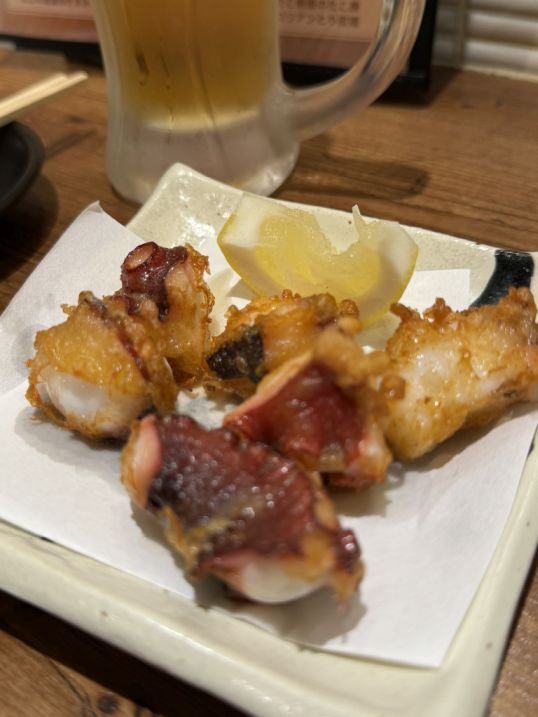 |
Fried octopus were crunchy, tender, and so delicious with a cold glass of beer.
 |
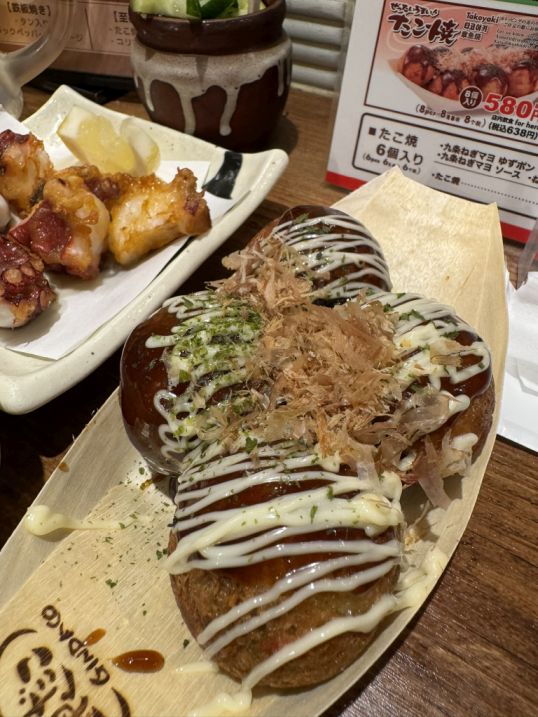 |
I usually don't really like takoyaki but here it is really delicious.
After a day of museums, fields, rivers, and quiet roads, ending it with something so small and delicious felt perfect, one more reminder that in Niigata, the best moments often arrive quietly and without warning.
NEXT... Day 5-Fukushimagata