9 days in Japan- 6/23- 7/1/2024
Day 3-Lunch and Dinner, Niigata-6/25/2024
|
|
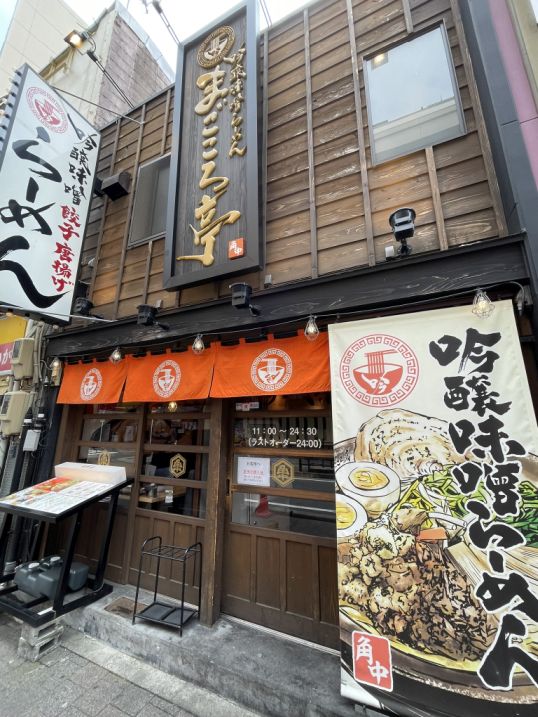
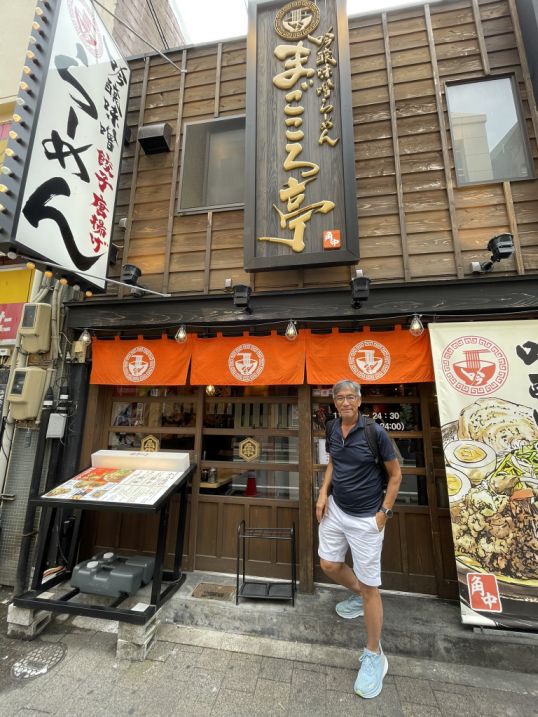
After lunch, we walked toward downtown in search of a ramen restaurant and ended up stumbling into a noodle shop with a sign we couldn’t read at all, everything was written in Japanese.
 |
 |
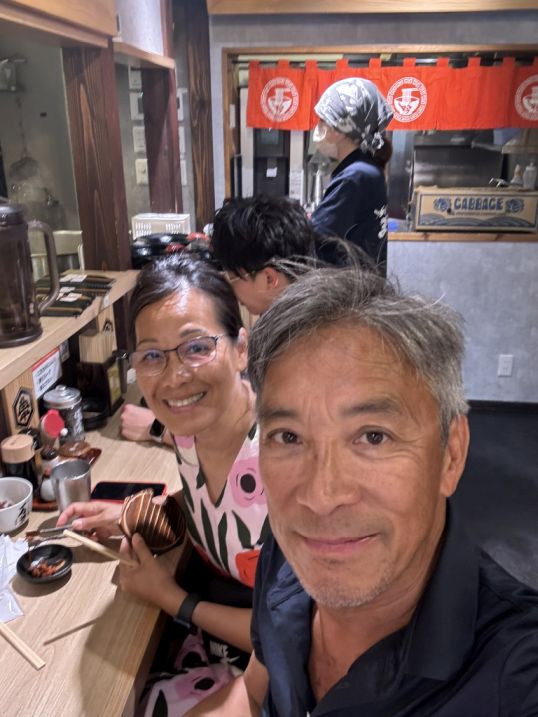
On a whim, we stepped inside and were seated at the counter, right in front of the kitchen.
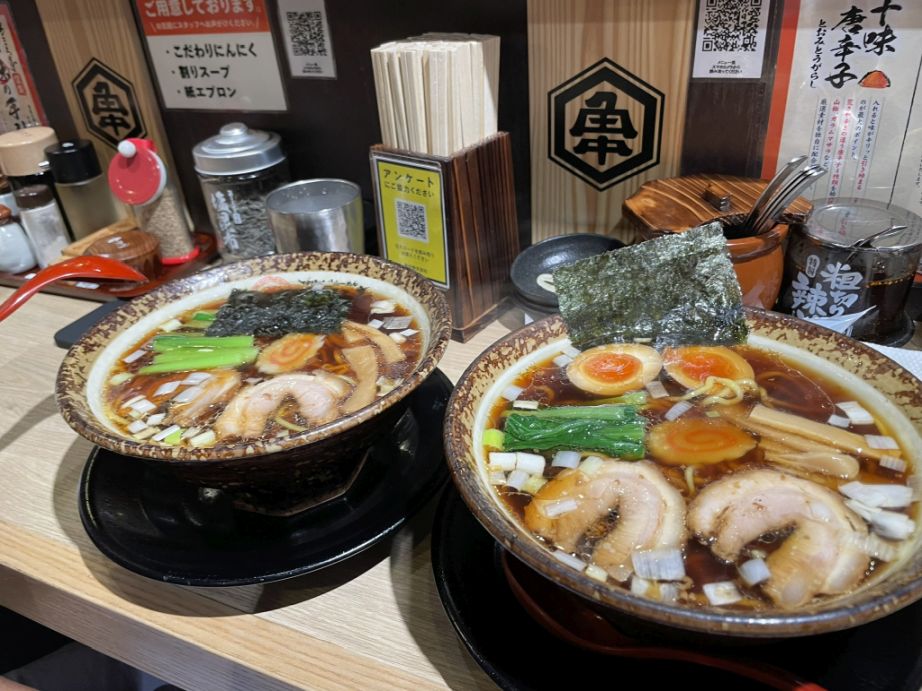
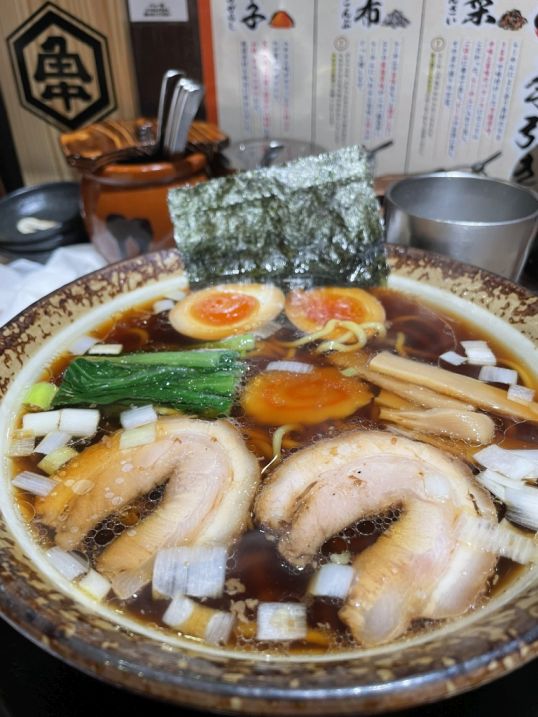
We ordered two bowls of ramen, not really knowing what to expect, and they turned out to be incredible. The broth was rich and deeply savory, the noodles perfectly springy, and every sip felt warming and satisfying.
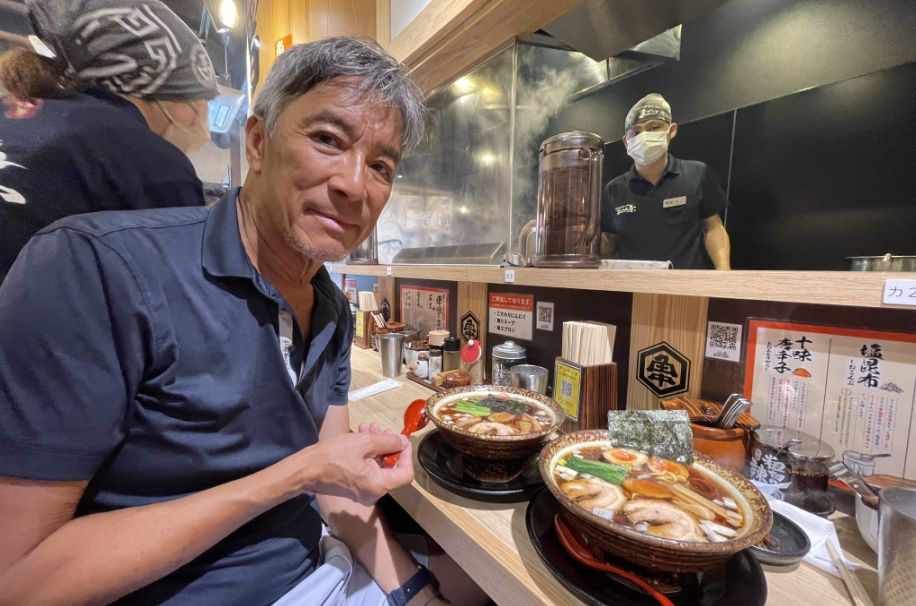
From our stools, we could watch the entire rhythm of the place unfold. Steam rose from huge pots of broth, noodles were lifted and shaken in metal baskets, and bowls were assembled with quick, practiced movements. There was no wasted motion, just quiet focus and the steady clatter of cooking.
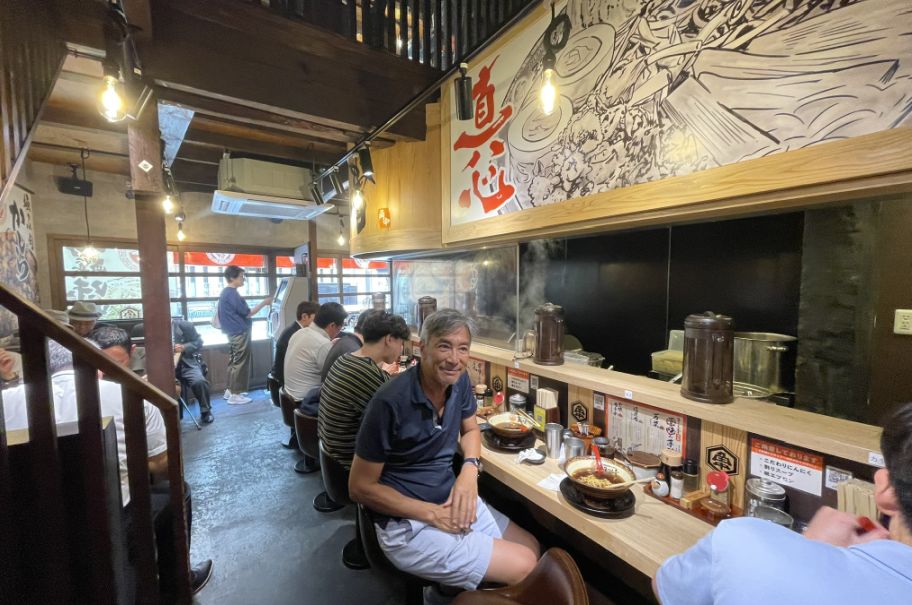
Sitting there, surrounded by the sounds of cooking and the soft murmur of Japanese conversation, it felt like one of those unplanned moments that become a highlight of the day, simple local food.
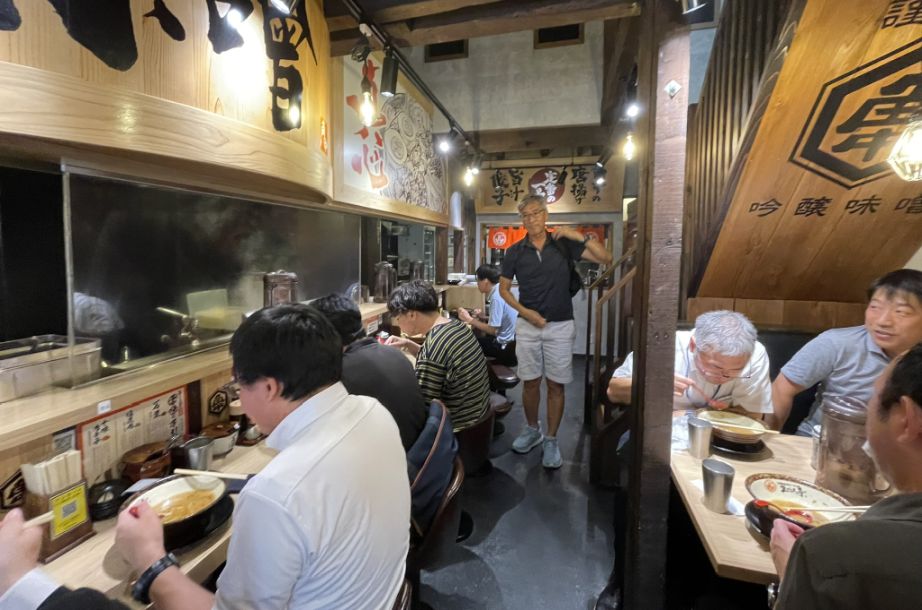
We are now done with lunch and we are leaving the restaurant.

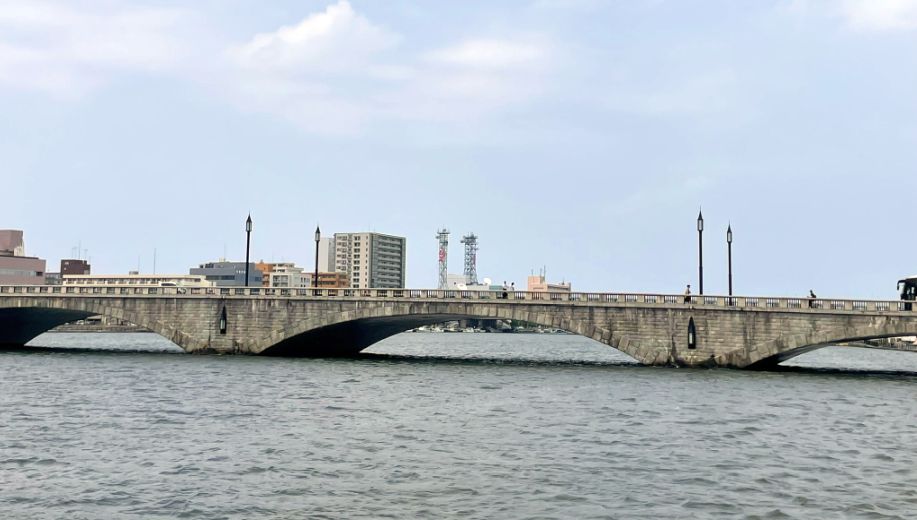
From there, we slowly walked back toward Hotel Nikko Niigata, following the riverfront path.
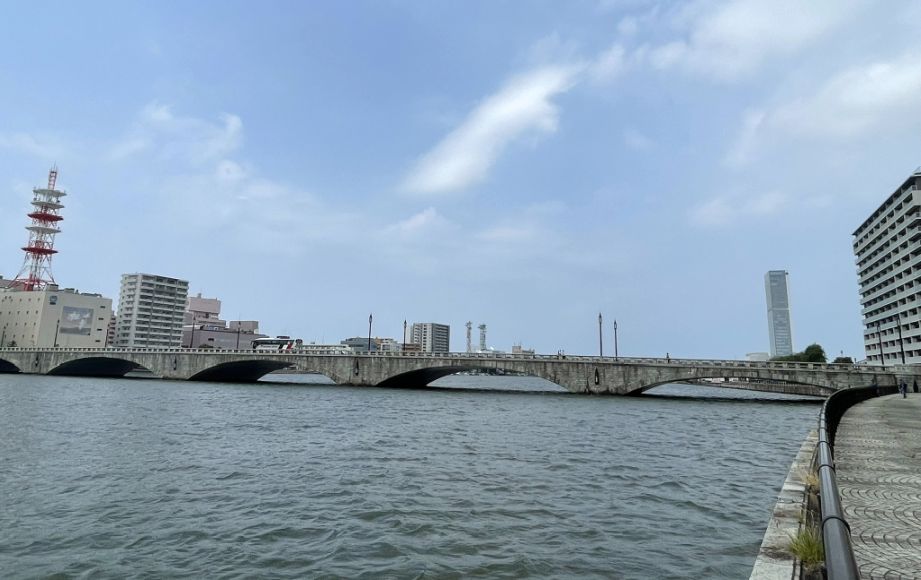
The famous bridge stretched across the water ahead of us, its long lines reflected softly on the surface of the river. By this time of day, everything felt calmer, fewer people, quieter streets, and only the steady sound of water moving past the banks.
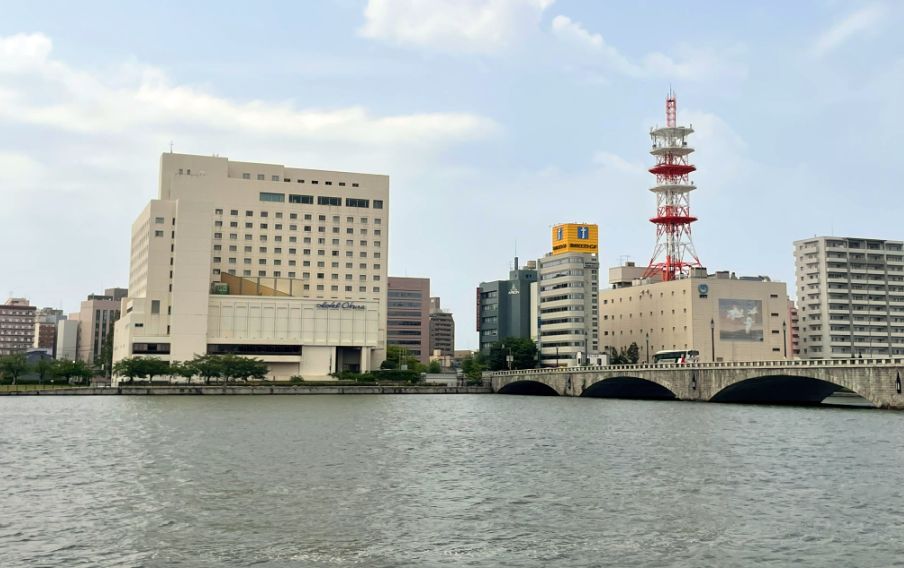
On the right is the microwave relay tower sitting on top of the NTT DoCoMo Niigata Building. During the day the area really looks different from at night.
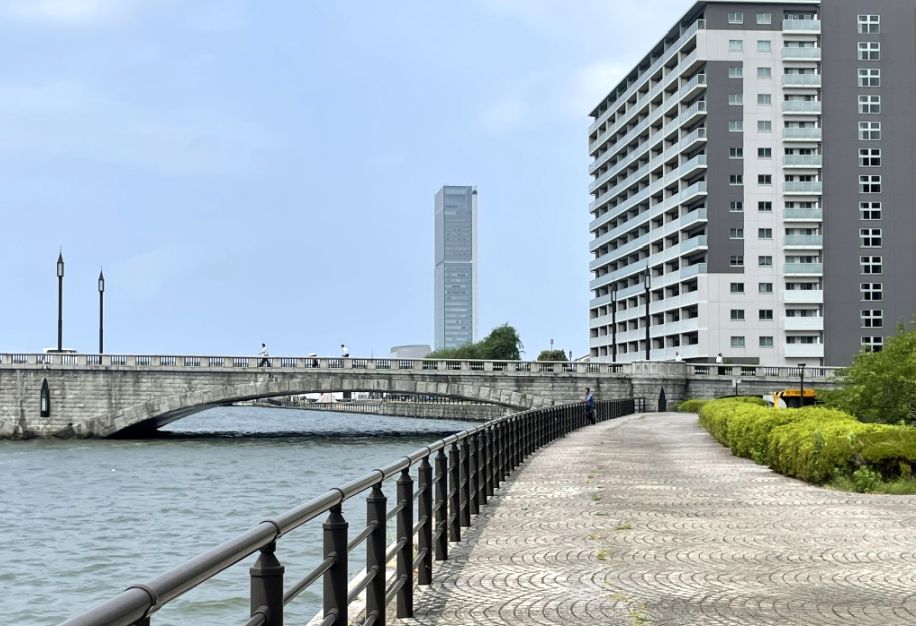
Waterfront promenade. In the distance, the tall rectangular is our hotel.
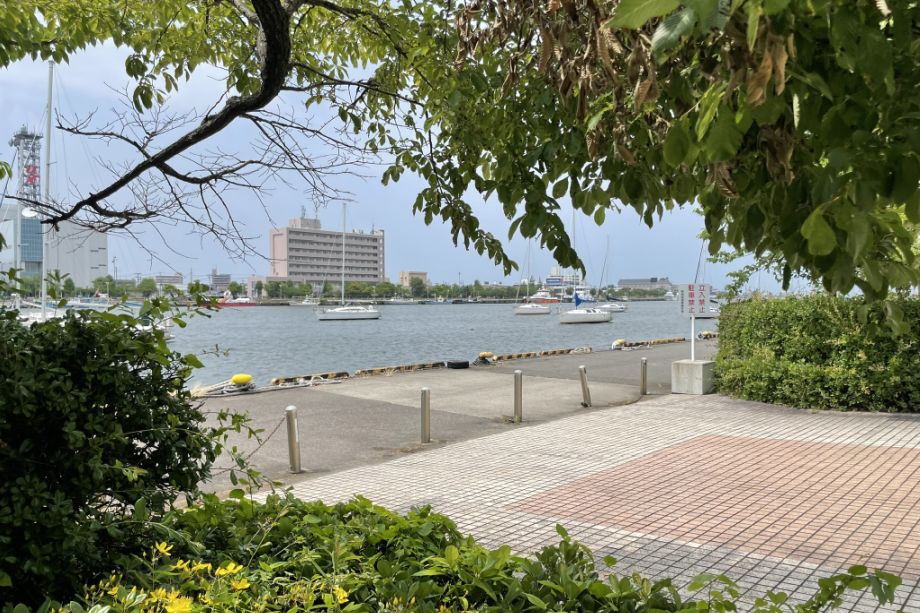
As we continued, the promenade curved into a stretch lined with tall trees. From where I stood, the river was perfectly framed by layers of soft green, the branches forming a natural border along the water’s edge.
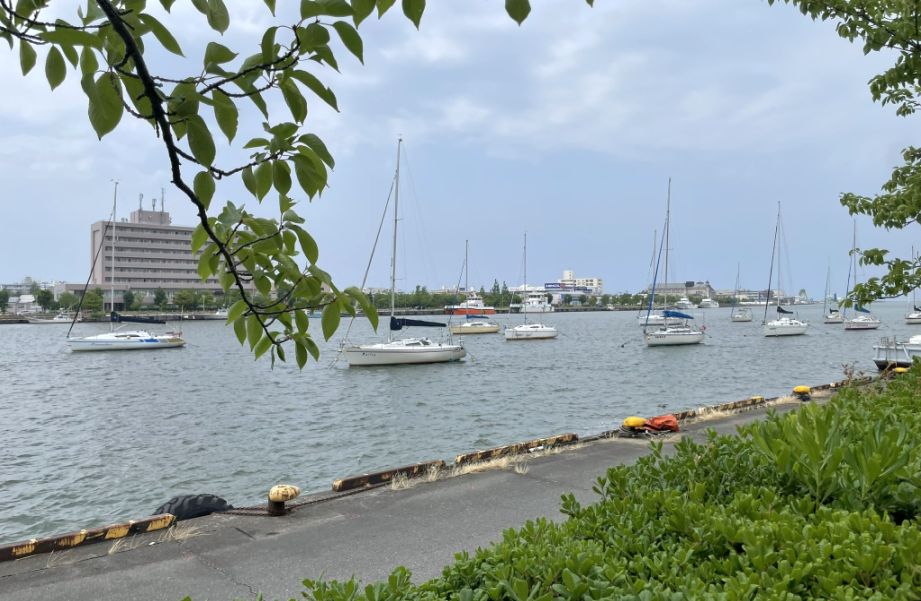
Dozens of small boats were tied along the promenade, their white hulls gently rocking, bumping quietly against the docks.
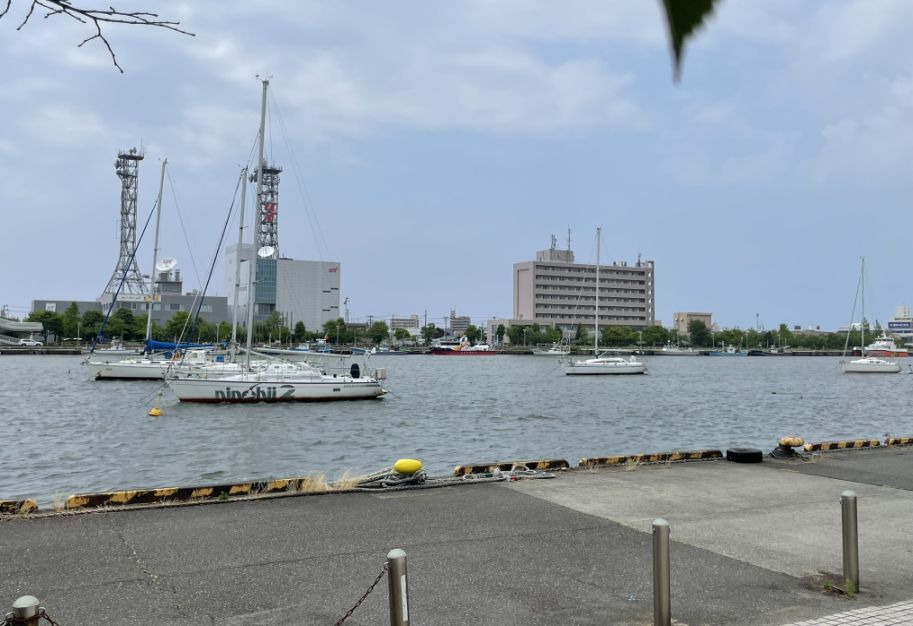
This area is so peaceful and it was such a relax walk.
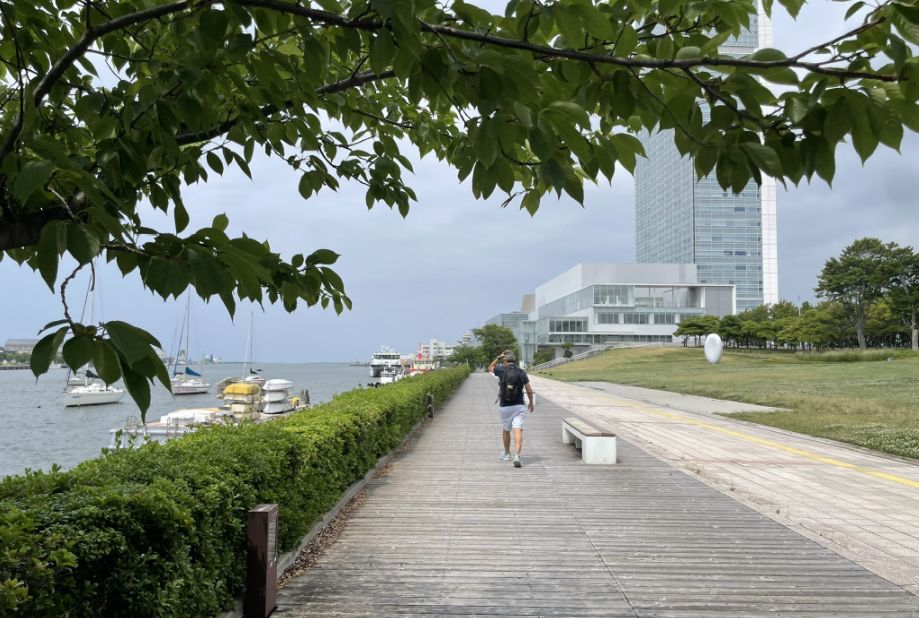
We are now very close to our hotel.
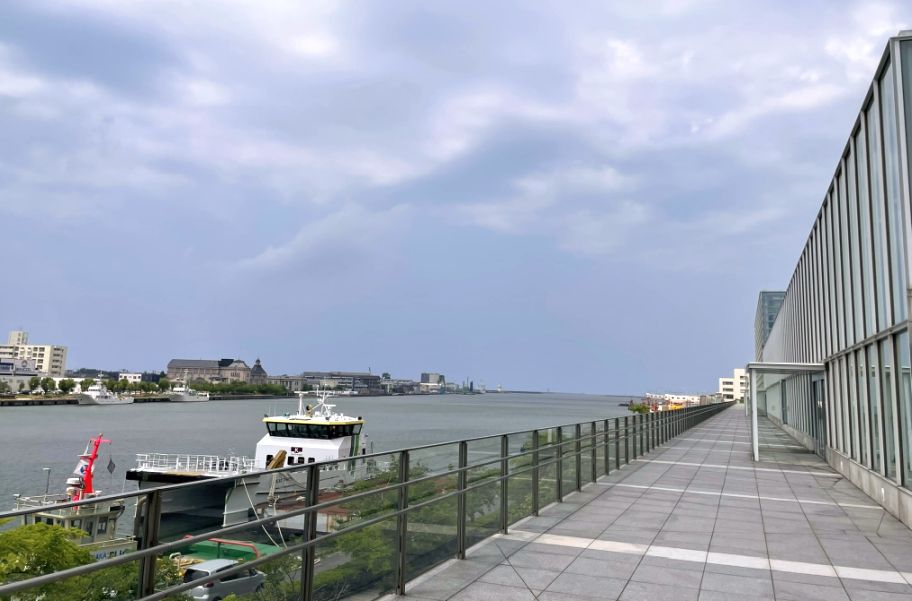
As we came closer to Hotel Nikko Niigata, the riverfront path widened into a long, neatly paved walkway. A low metal railing ran alongside it, separating the promenade from the water below. On the other side rose the base of the hotel, a long stretch of floor-to-ceiling glass windows that glowed softly from the lights inside, like a bright ribbon along the river’s edge.
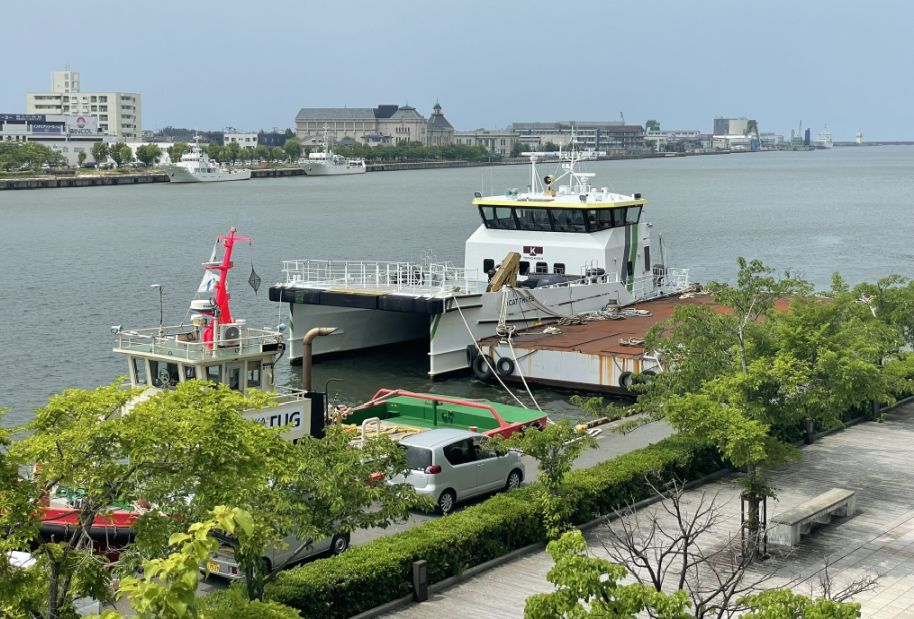
Below us, a large working boat was moored near the bank, wide and flat with a solid platform, the kind used to carry equipment or vehicles, resting silently on the river.
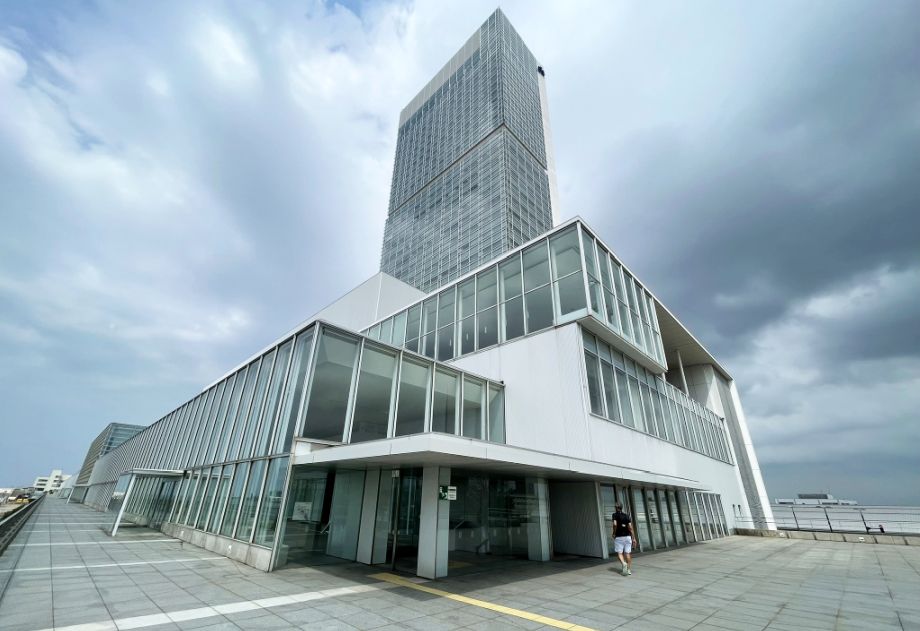
We are now entering the hotel.
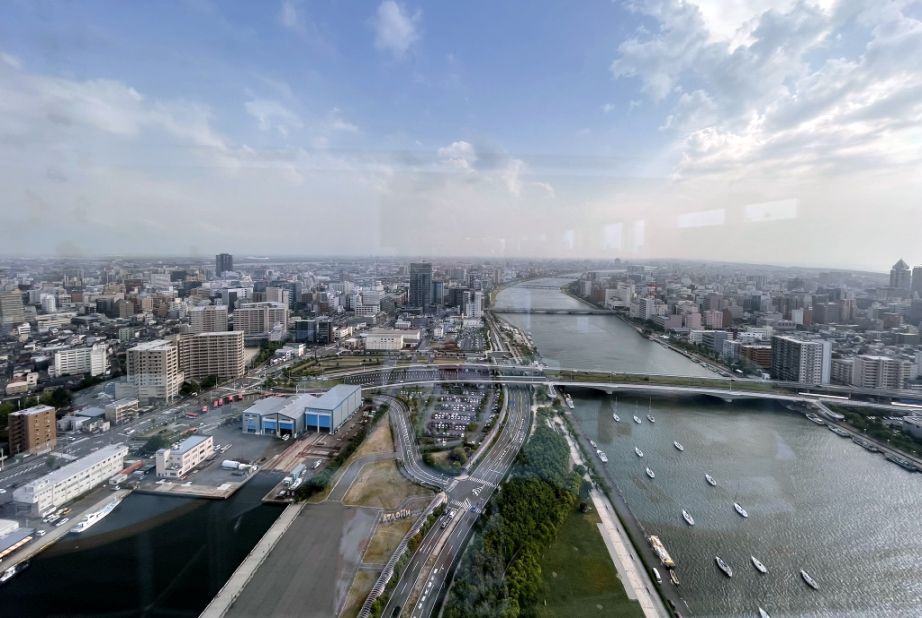
We went all the way to the 31st floor where the viewing deck is located. From this floor the view is magnificent.
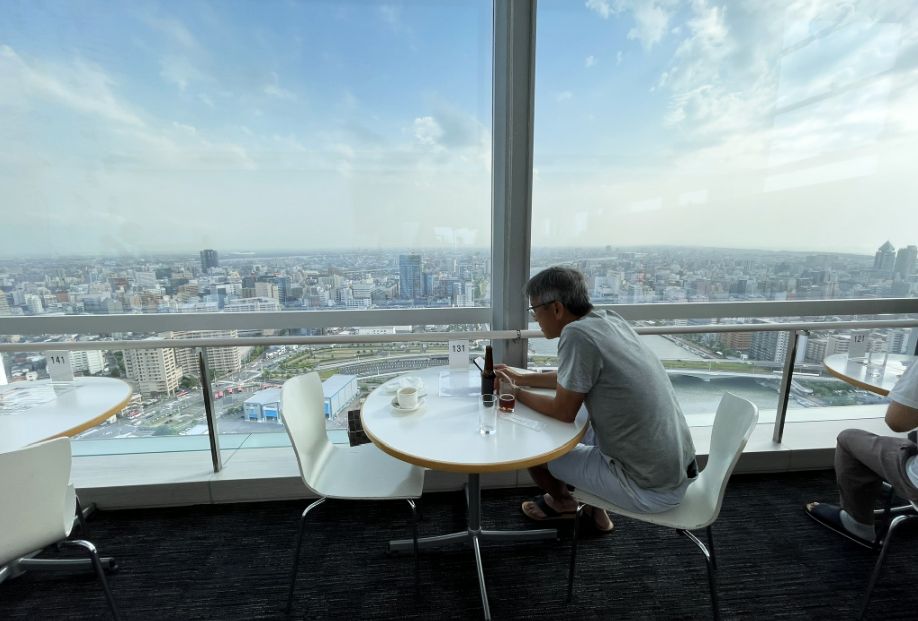
I had coffee and Hoa ordered a beer, and we just enjoyed a quiet moment high above.
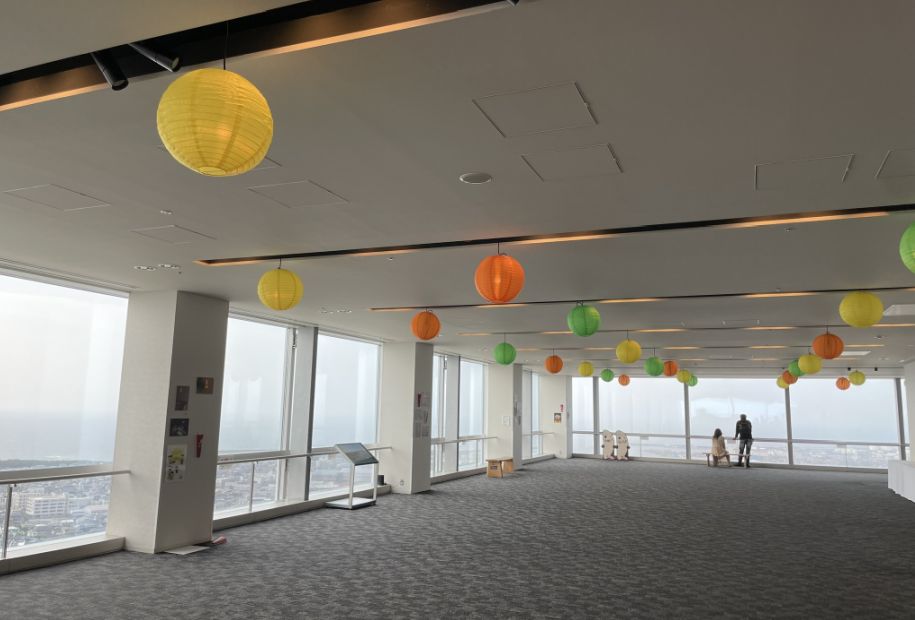
The viewing deck on the 31st floor of the hotel.
Dinner
In the evening we walked over to Benkei Pier Bandai, a popular kaiten-zushi (conveyor-belt sushi) restaurant near the pier that’s become well-known in Niigata for its fresh seafood and casual, fun atmosphere.
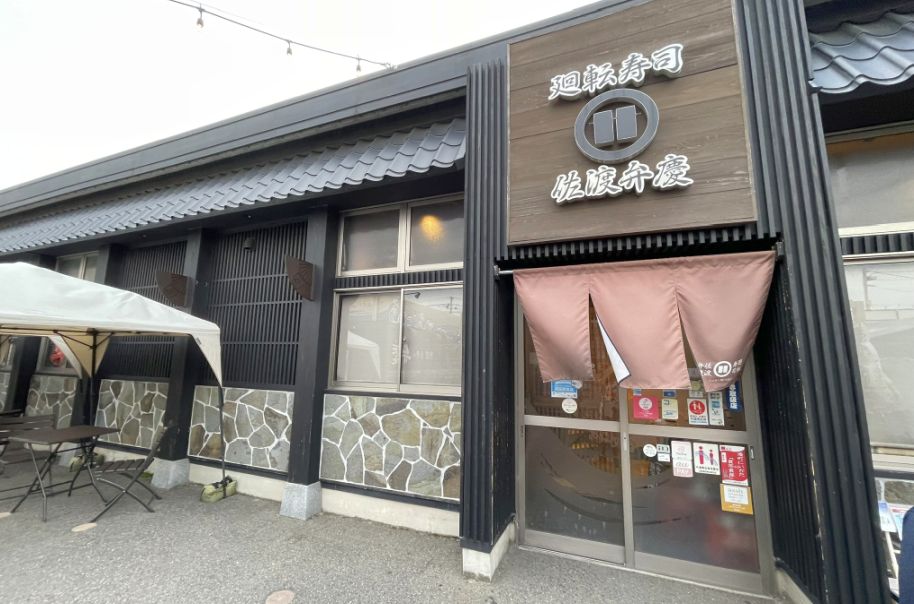
Benkei’s reputation comes from using fish delivered fresh daily from nearby Sado Island, right in the Sea of Japan, along with rice made from local Koshihikari, a premium rice variety known for its stickiness and subtle sweetness. That means even a casual sushi spot can offer toppings like horse mackerel, sea bass, yellowtail, and seasonal catches that are incredibly fresh and rich in flavor.
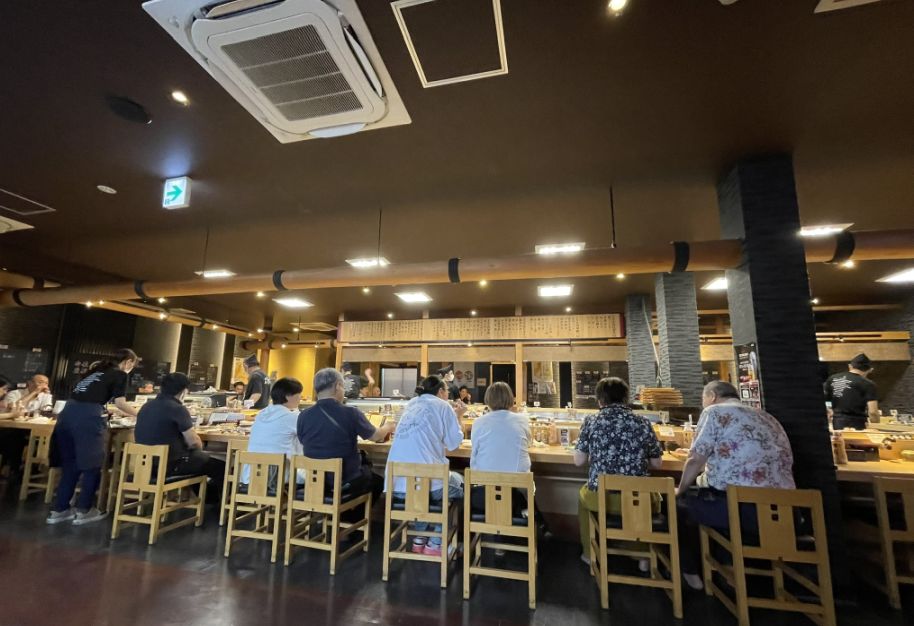
As we walked in, the first thing we noticed was the long counter facing a wide conveyor belt, with rows of chefs working quickly and quietly behind it. We were seated right at the counter, close enough to see every movement of their hands. Plates of sushi streamed past us in a steady rhythm, , salmon, shrimp, gleaming in neat rows, one after another.
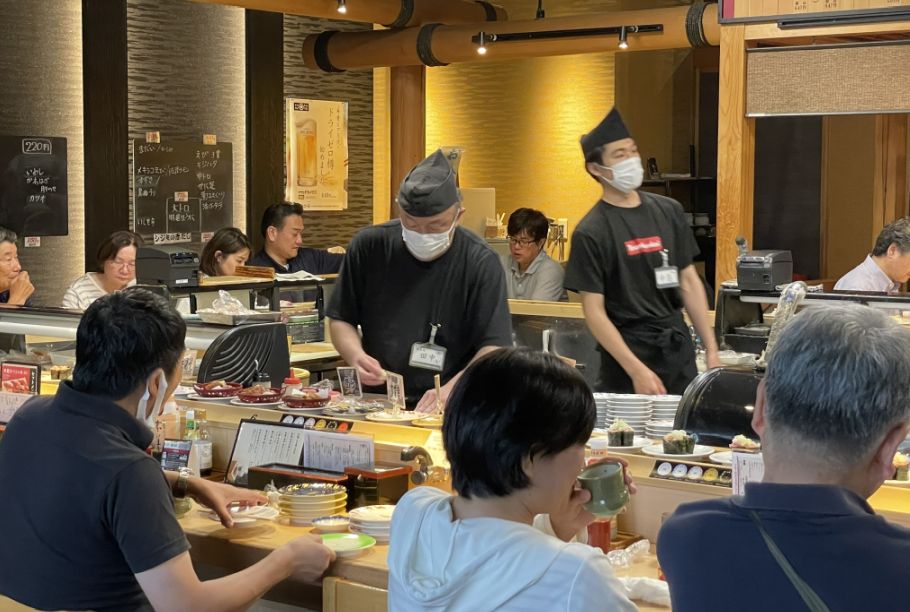
Unlike a sit-down sushi bar, here plates of sushi move past on a conveyor belt so you can pick whatever catches your eye, a very different, very lively way to enjoy sushi in Japan. There was an energy to it, lively but orderly, a quiet excitement in watching people choose, taste, stack their empty plates, and reach again. Sitting there, surrounded by motion and the soft clatter of dishes, it was easy to understand why kaiten sushi is so loved in Japan. It felt fresh, communal, and effortlessly fun.
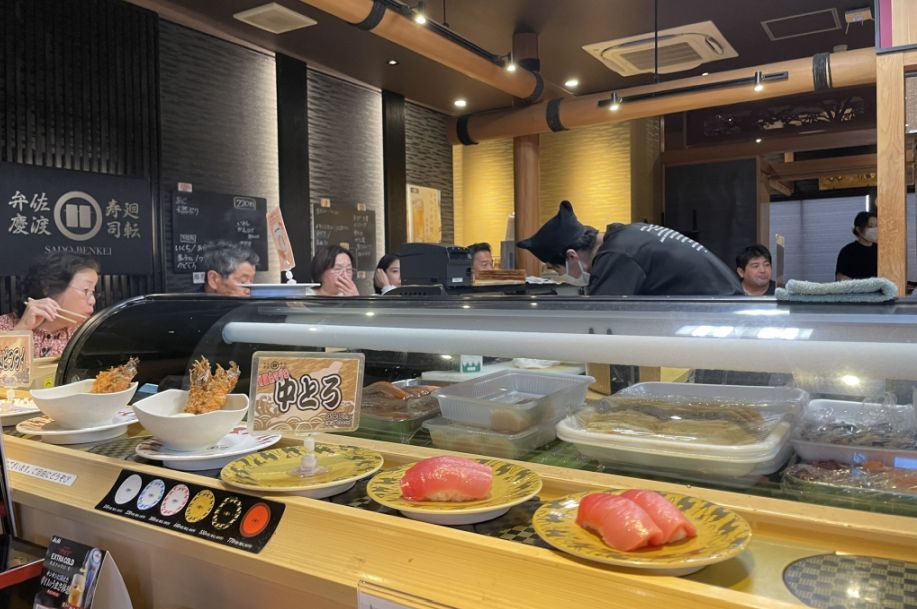
What surprised us most was how fast everything moved. In the U.S., conveyor-belt sushi often feels slow, with plates sitting too long before anyone takes them. But here, it was completely different. The dishes barely had time to circle the counter before someone reached out and grabbed them. Plates disappeared almost as soon as they appeared, replaced instantly by new ones.
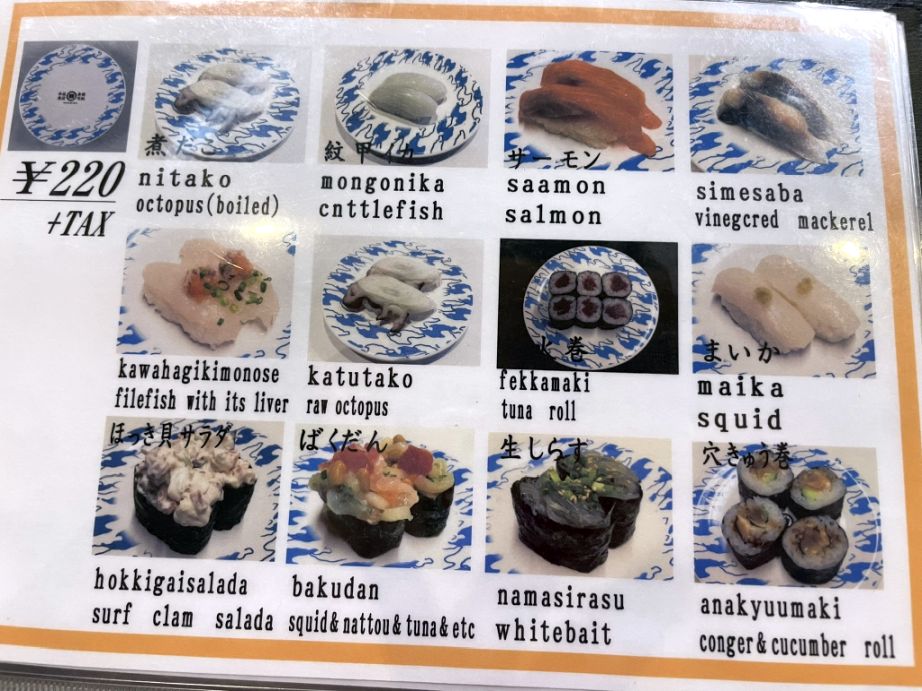
We were also given a menu, in case we want to order something that is not on the converyer belt. I am shocked to see that all the dishes below are 220 yen =$1.50 (yes, you read correctly).
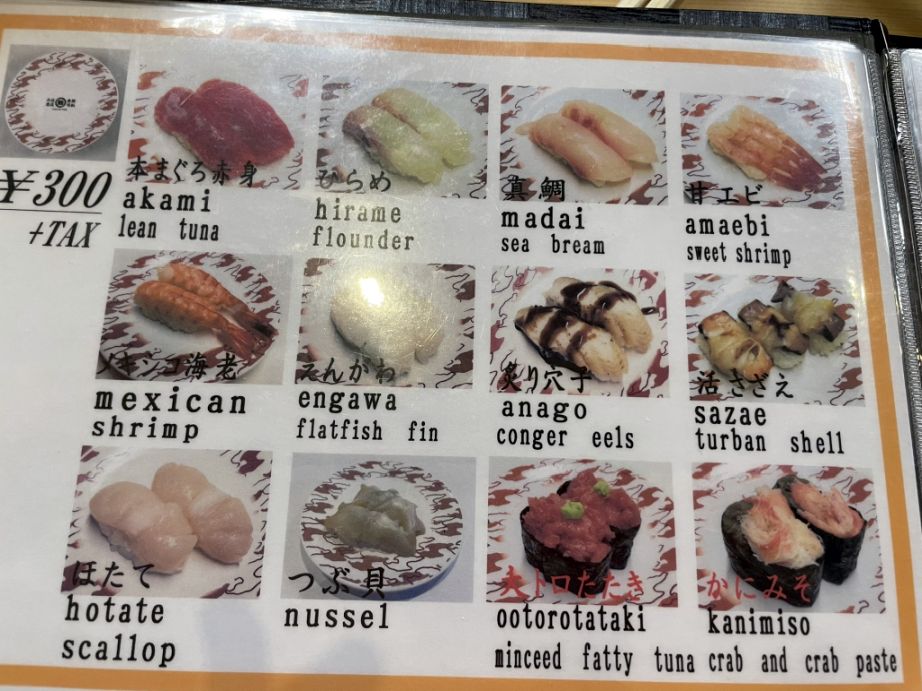
ON this page all the sushi listed are 300 Yes = $1.90
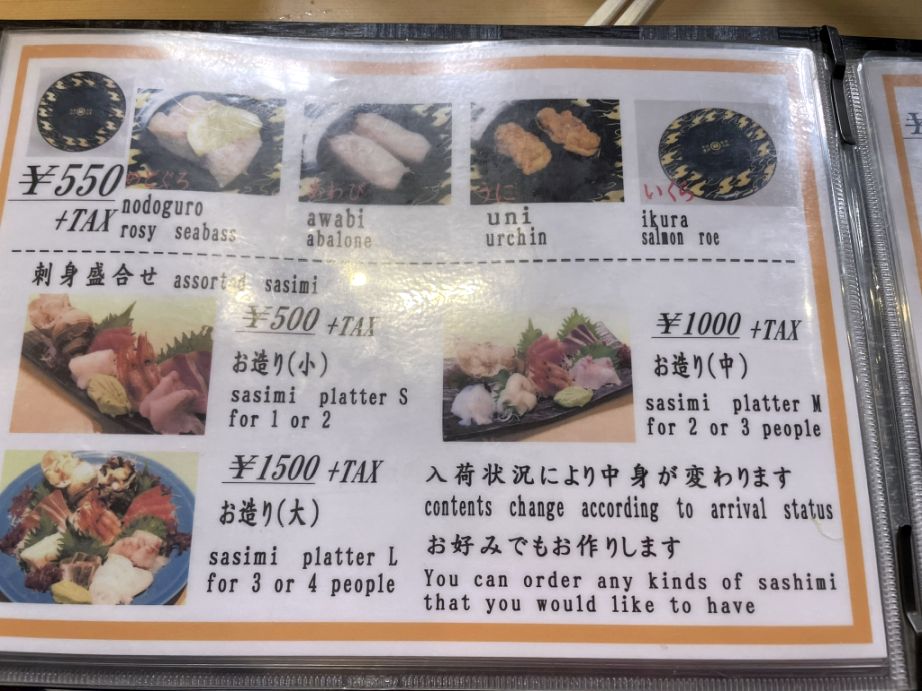
We seleced the sashimi platter for 2 at 1,000 yen = $6. 32 - We could not beleive how cheap the price are.
 |
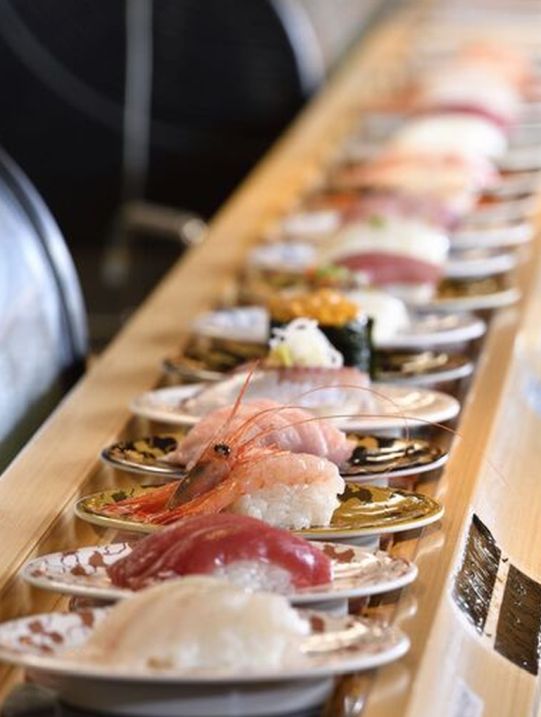 |
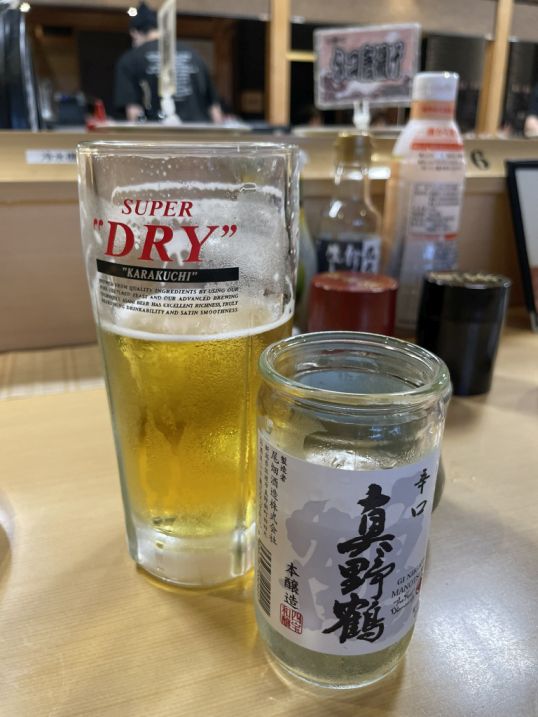
Cold beer and sake for Hoa and in front of us the conveyor belt with so many dishes to choose from.
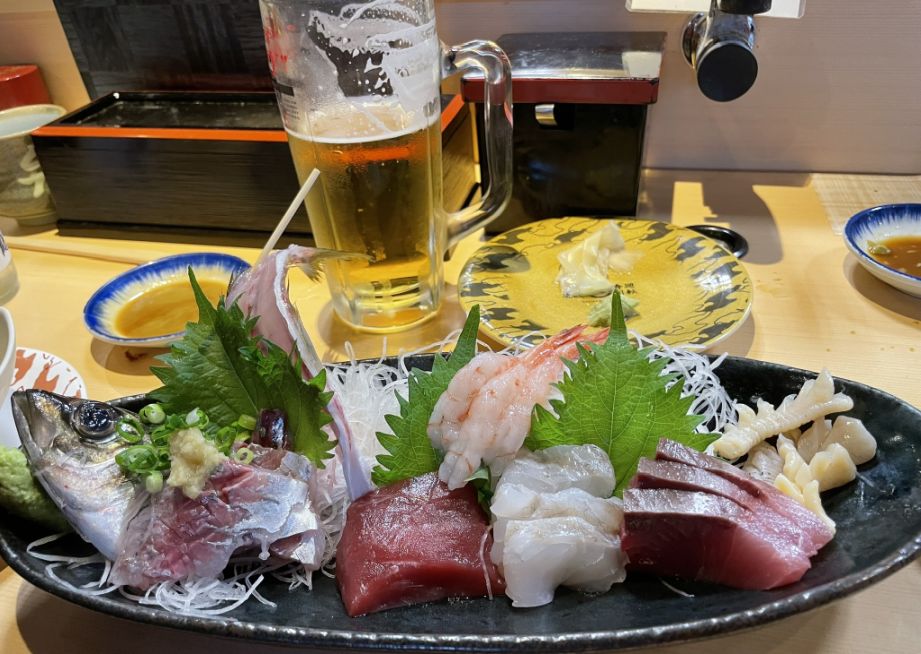
We started with a beautiful platter of sashimi, seven different kinds of fish arranged neatly, each one fresh and clean-tasting.
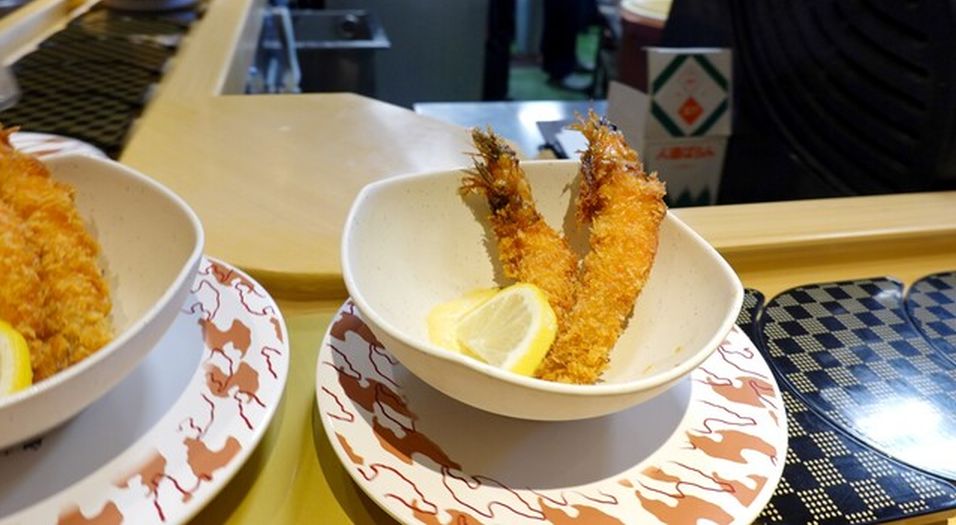
We crab the crispy pan fried shrimp on the conveyer belt.
 |
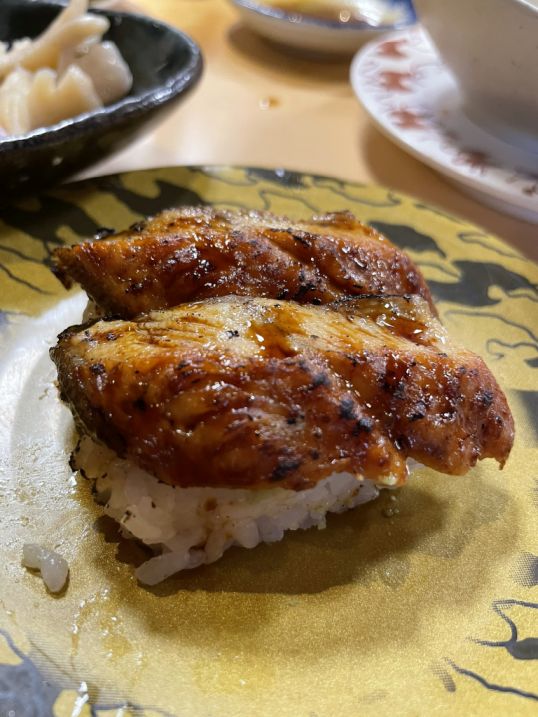 |
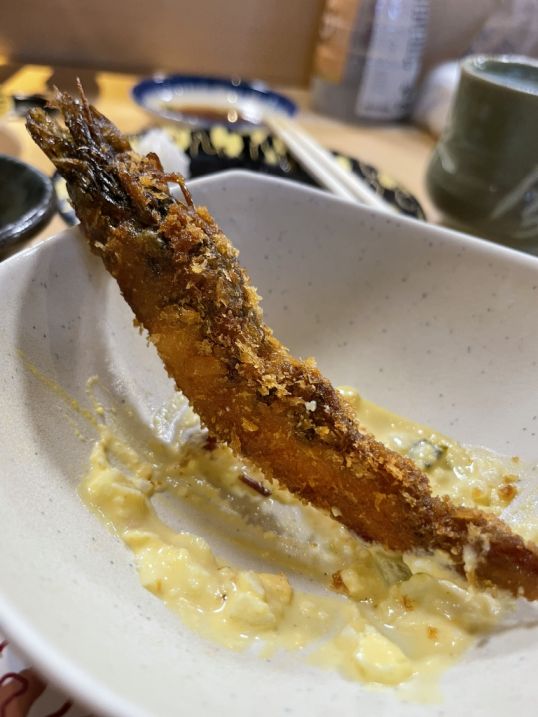
The hot, crispy shrimp tempura was light and crispy and then we had some type of braised fish.
 |
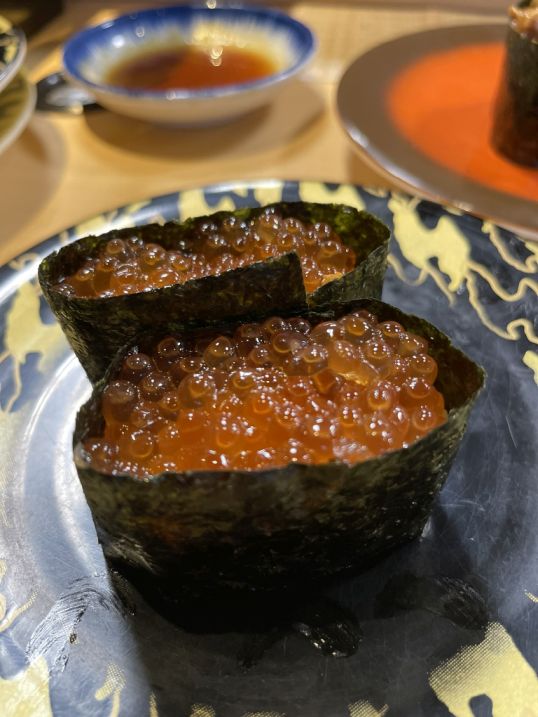 |
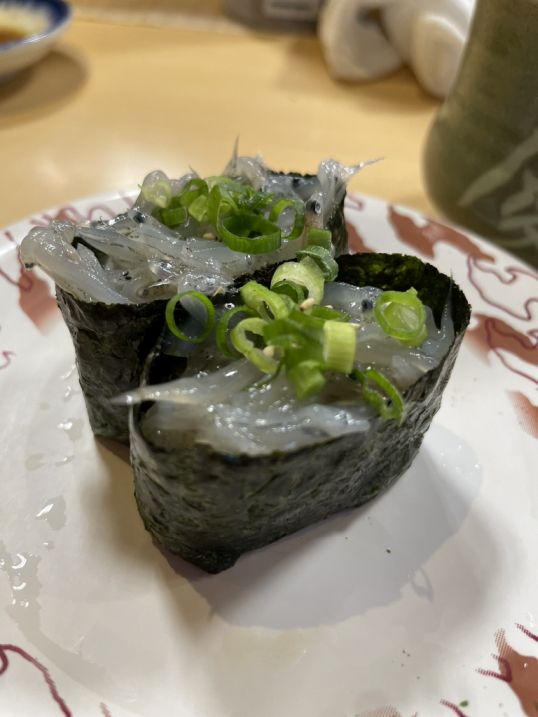
On the left a delicate whitebait maki an on the right is Ikura (salmon egg)
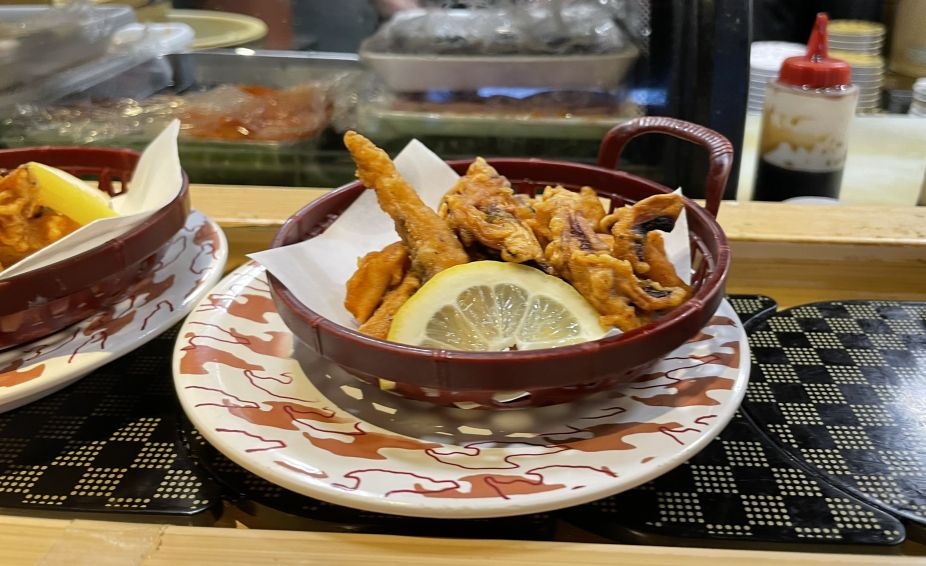
Fried fish
 |
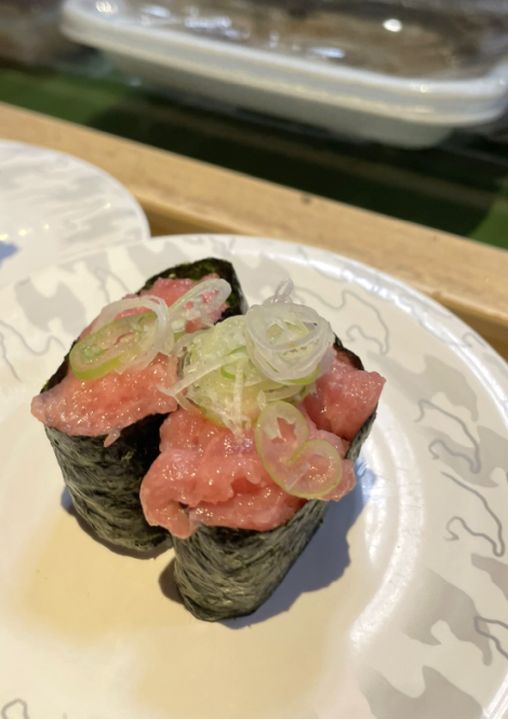 |
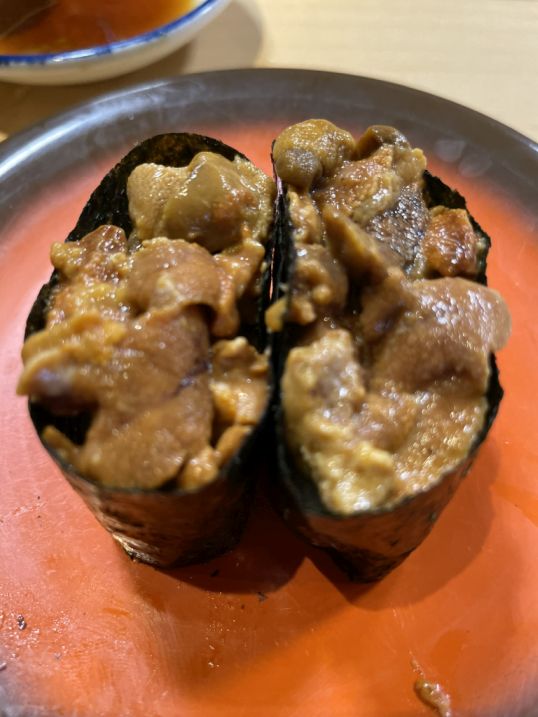
On the left is beef in soy sauce maki and on the right is minced fatty tuna.
 |
 |
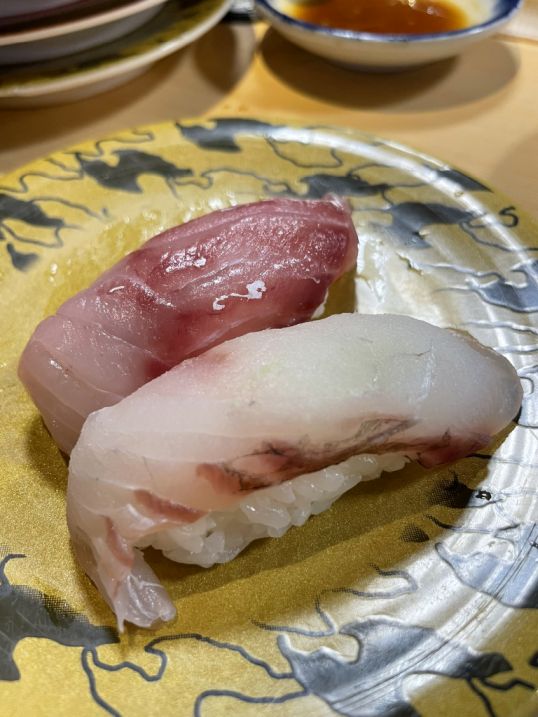
Sea bream on the left and I am not sure what kind of fish it is on the right.
 |
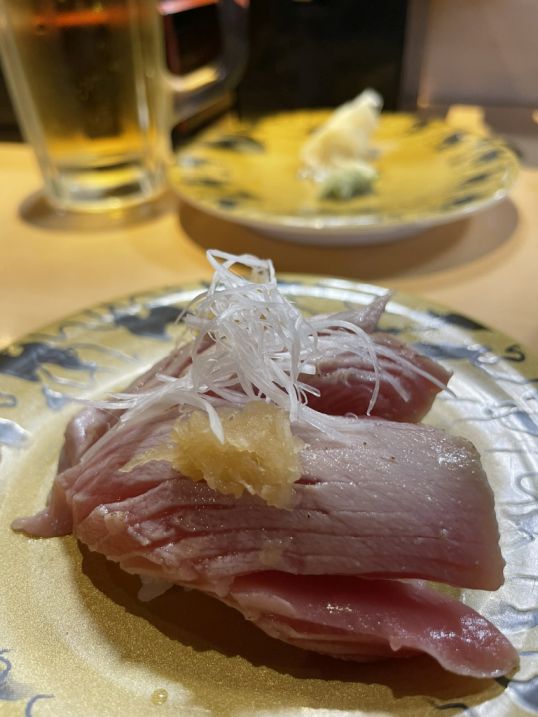 |
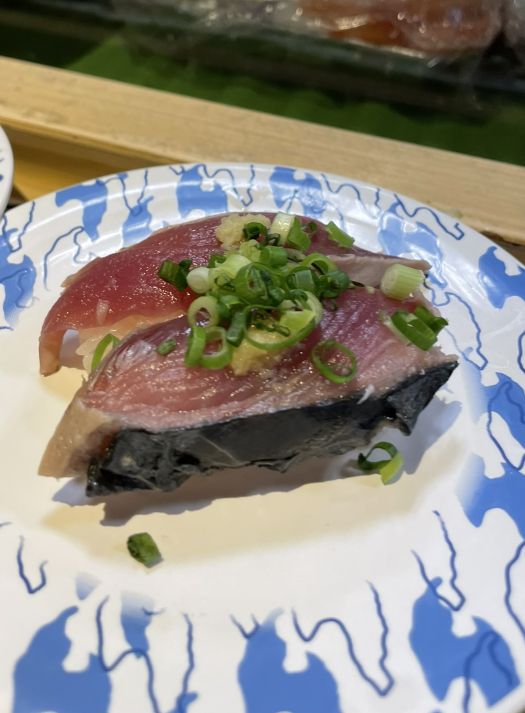
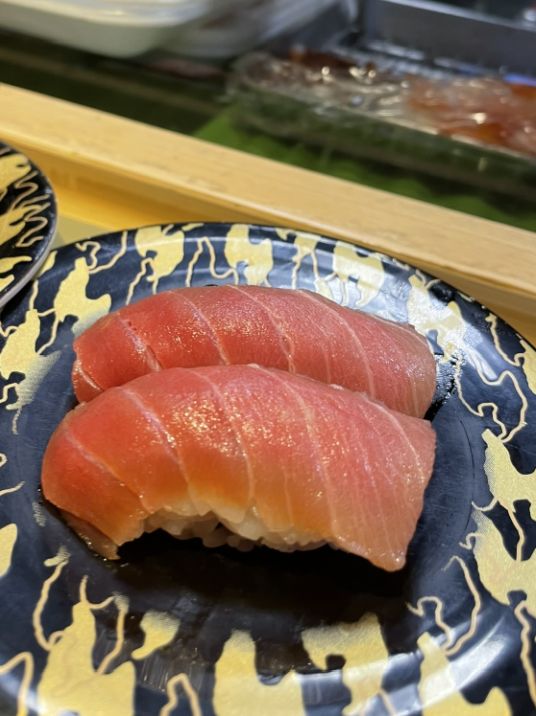
Rich Toro and lightly pan seared Tuna.
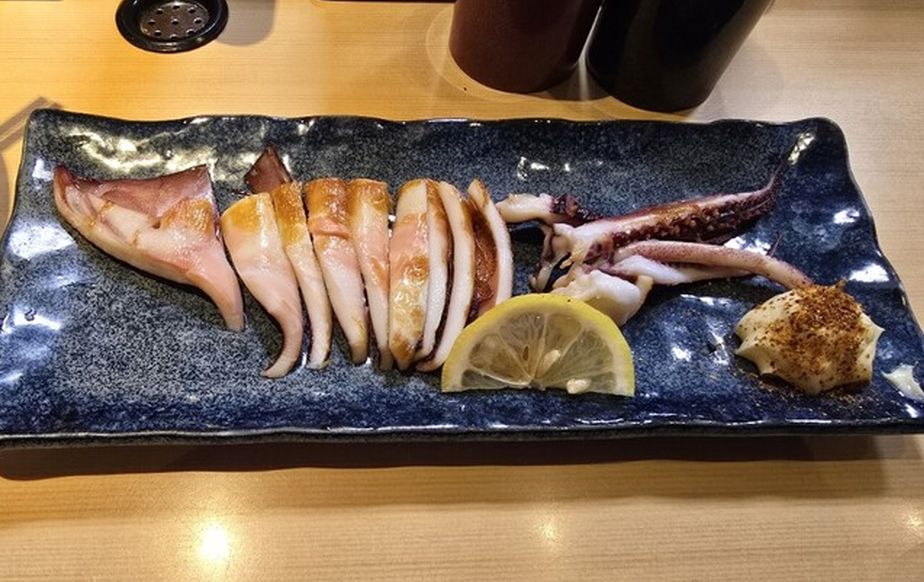
Grilled squid.
 |
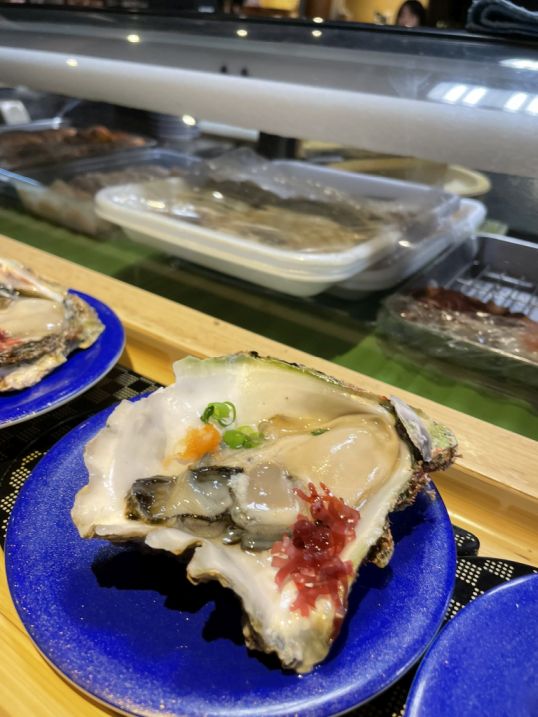 |
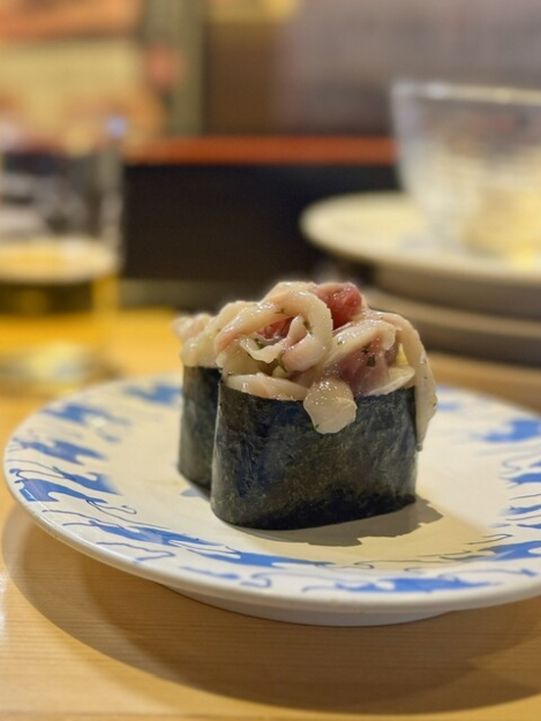
On the left is a bakudan, a combination a flavorful mix of chopped fish that felt playful and bold. On the right is a fresh oyster with pickled ginger.
 |
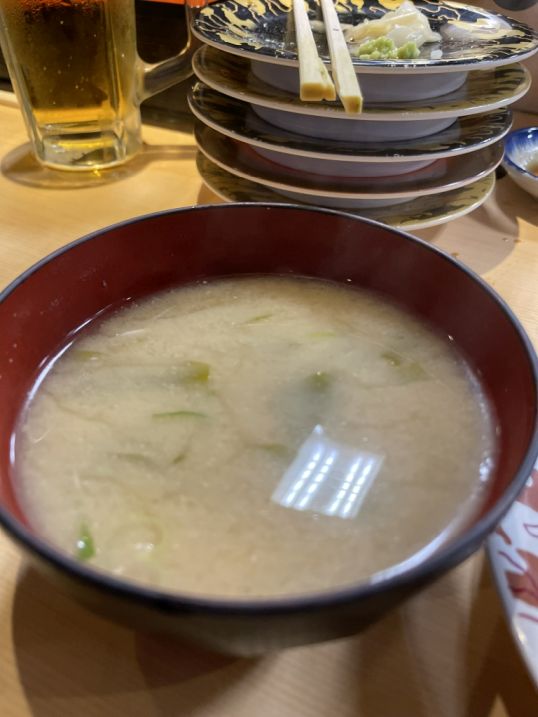 |
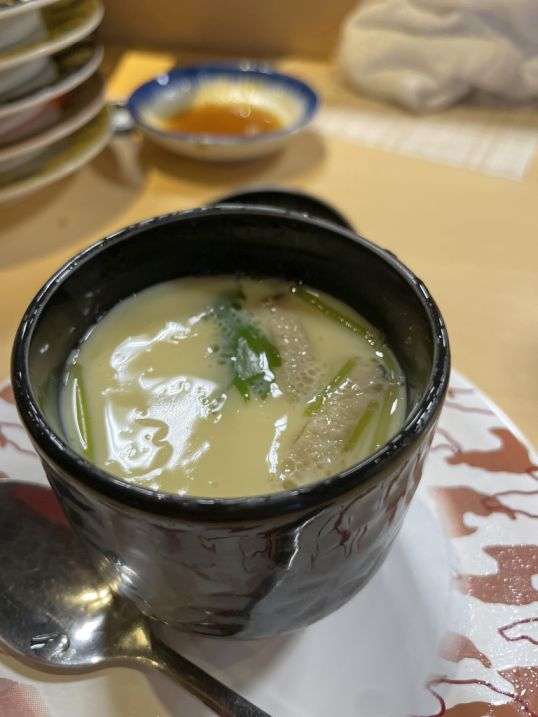
Ending the meal with a small bowl of chawanmushi, the classic Japanese savory egg custard, silky smooth and gently steamed, warm and comforting with hidden bits of seafood inside. And then a bowl of miso soup, simple and soothing.
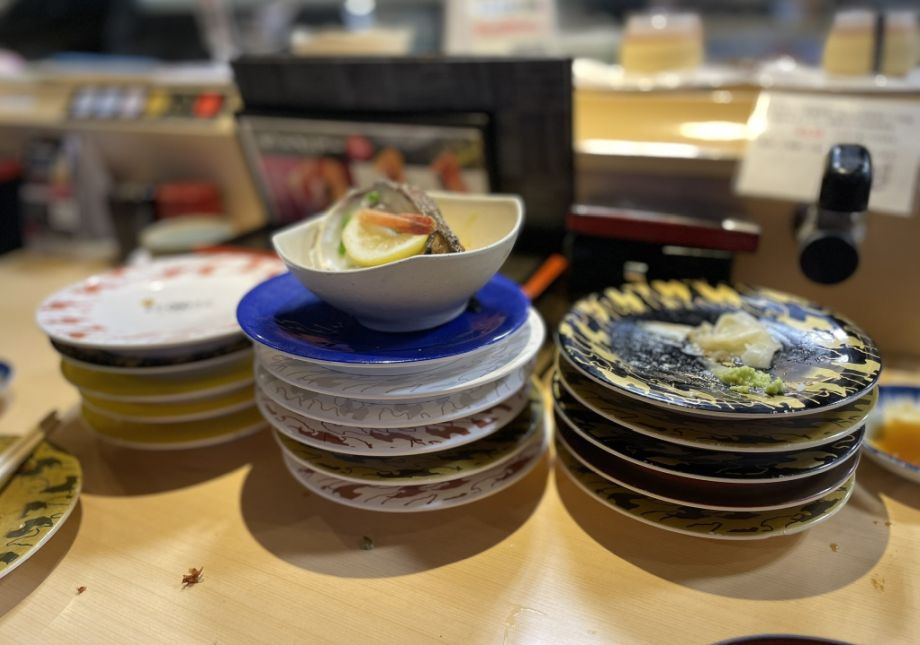
A pile of plates we ate along the way.... We ate so much and the meal was less than $40. I am amazed how affordable the fresh sushi is here.
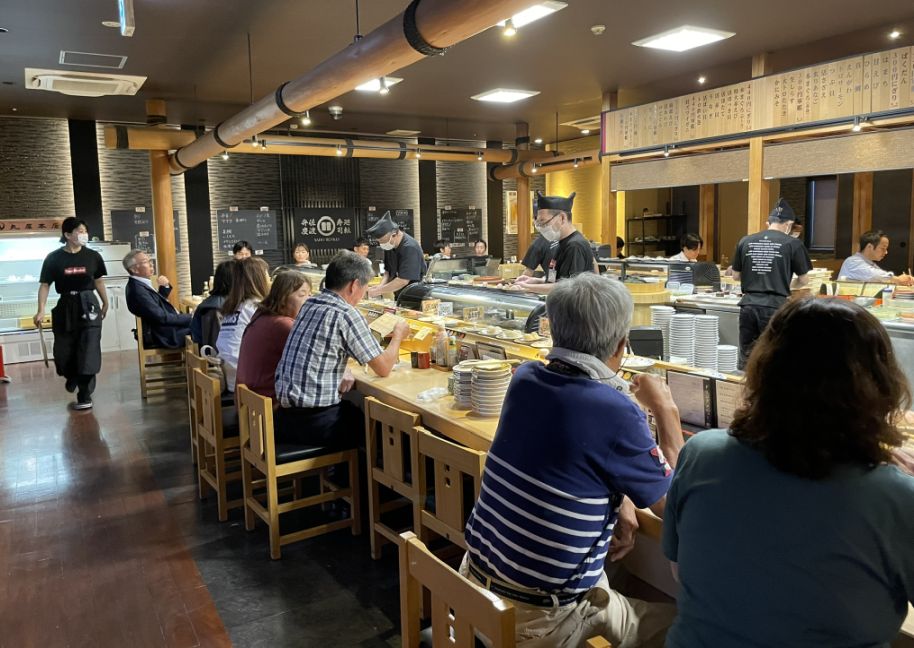
We are now leaving the restaurant.
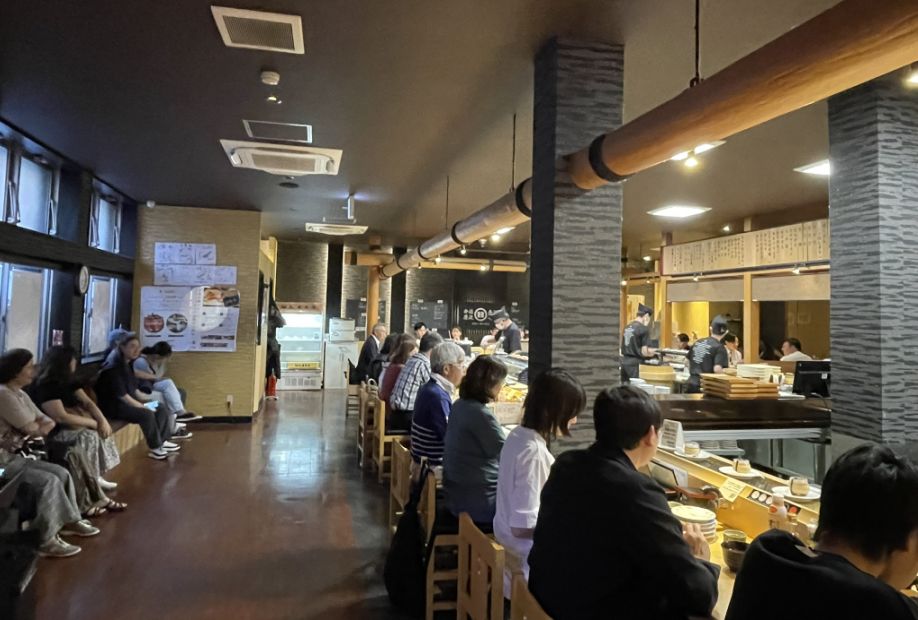
As we were leaving the restaurant, there are a lot of people waiting to be seated.
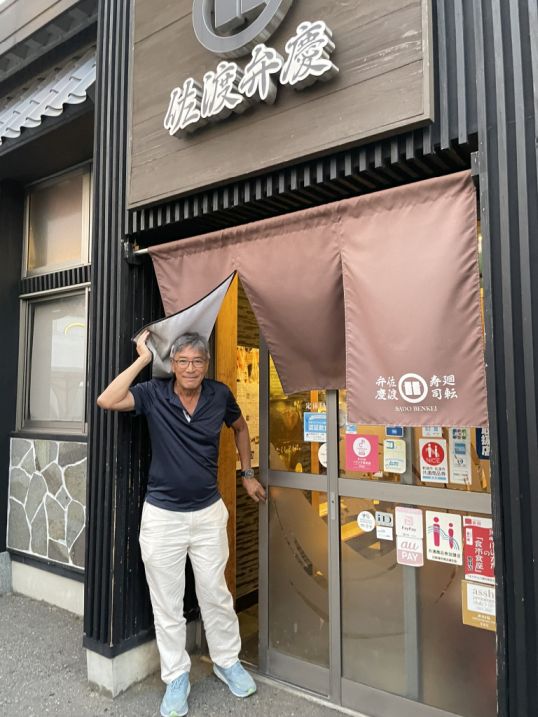 |
We are now done with our meal and we are leaving the restaurant.
We couldn’t believe the bill was under $40 after everything we had eaten. Back home, a meal like this would easily cost $150 or more. Being so close to the source of the seafood, combined with the efficiency of conveyor-belt dining and Japan’s food culture that values quality at everyday prices, makes something like this possible. It felt like one of those rare travel moments where you realize you’re getting something truly special for almost nothing.
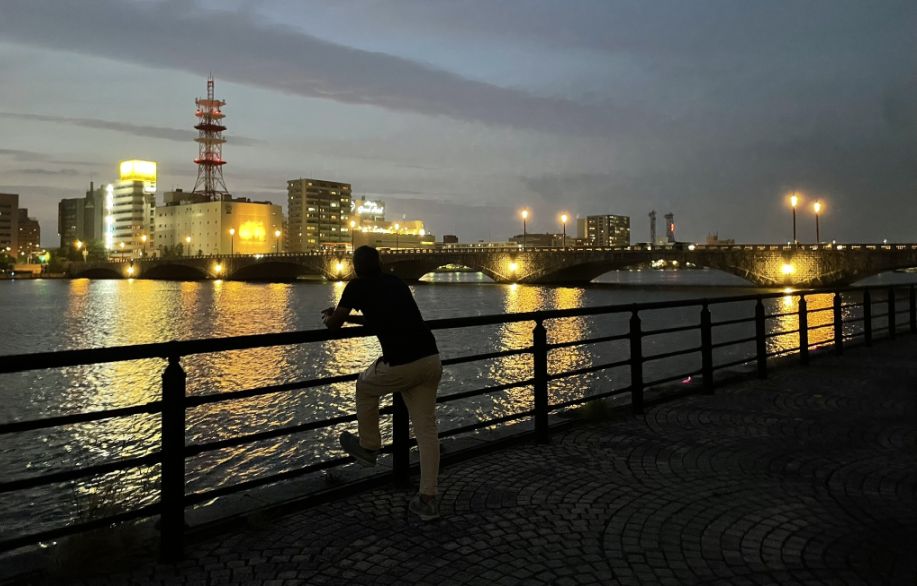
By the time we reached the water front it was getting dark. We stopped by a bit to watch the light and reflections on the river.
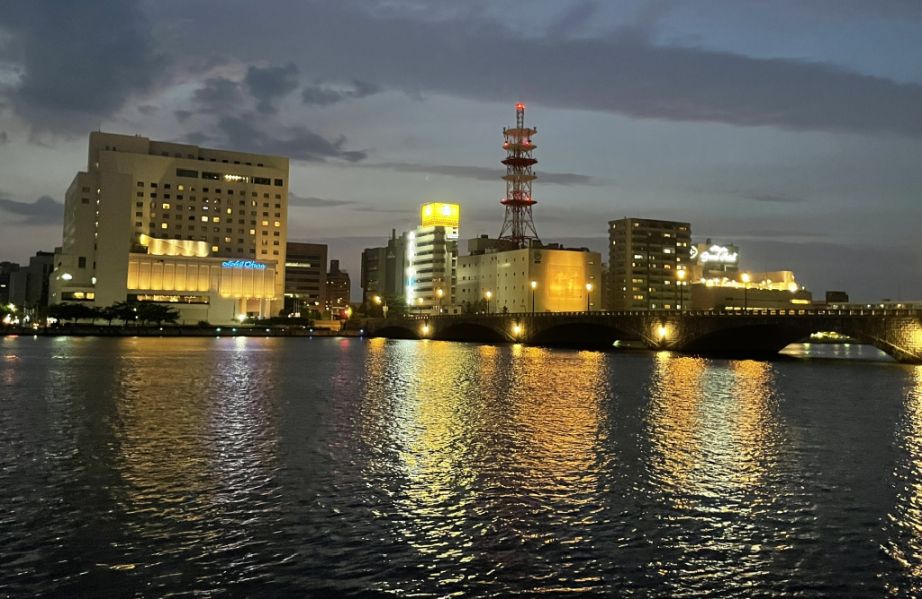
What a beautiful night!
NEXT... Day 4- Northern Natural Museum