9 days in Japan- 6/23- 7/1/2024
| Day
1-Niigata Arrival In Niigata Dinner at Echigo Banya |
Day
2-Niigata Fish Market Downtown/Lunch Dinner at Sushi Arai |
Day
3-Niigata Hakusan Shrine Sake Brewery Tour Lunch/Dinner |
Day
4-Niigata Northern museum Farm Land |
Day
5-Niigata Fukushimagata Walking around Dinner at Ebisudai |
Day
6-Tokyo Dinner at Jomon |
Day
7-Tokyo Arakawa Arakawa Cont. Ginza Dinner at les Copains |
Day
8-Tokyo Yoyogi Park Uneno Park Dinner at Uoshin Golden Gai |
Day
9-Tokyo Metropolitan office |
Day 2-Dinner at Sushi Arai-6/23/2024
Tonight we are dinning at Sushi Arai, one of Niigata’s most celebrated sushi restaurants, quietly tucked away on a peaceful street yet widely admired for the quality and care in every bite. It first opened in 2017 and quickly earned a Michelin 1-star rating in the Michelin Guide Niigata 2020, a notable achievement for such an intimate and understated place.
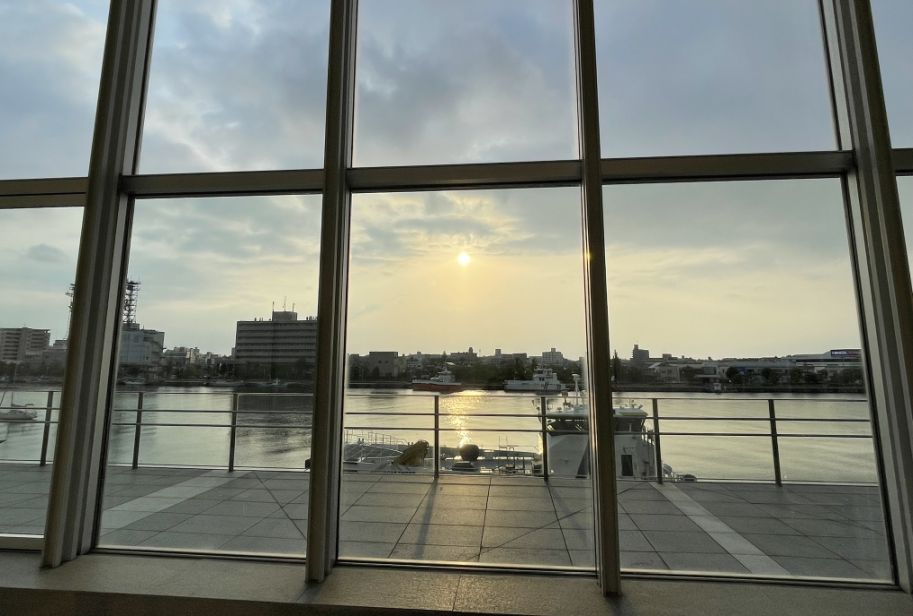
As the sun began its slow descent and cast a warm glow through the huge glass windows on the 1st floor of the hotel, we stepped out into the quiet Niigata evening and made our way toward dinner.
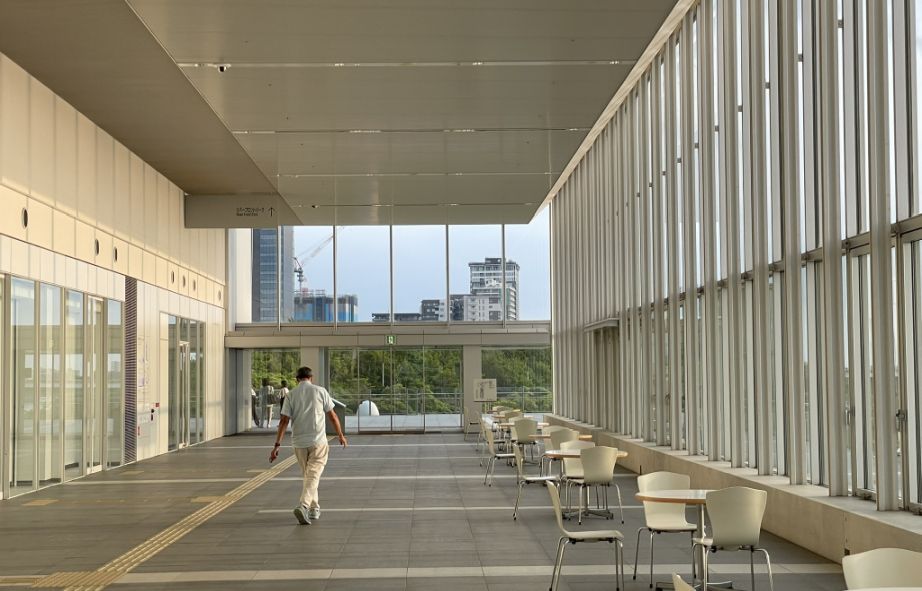
We are now leaving the hotel
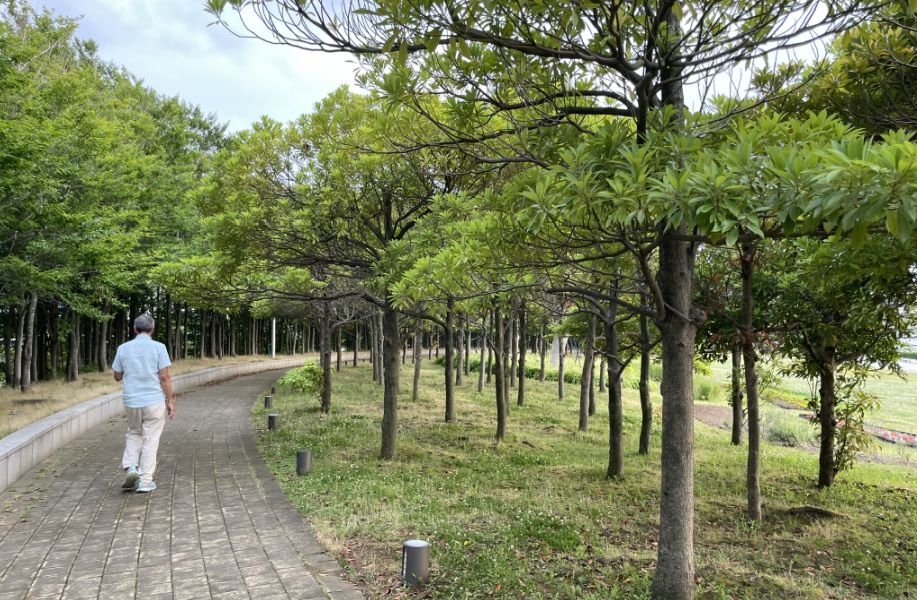
We walked through a park next to the river front.
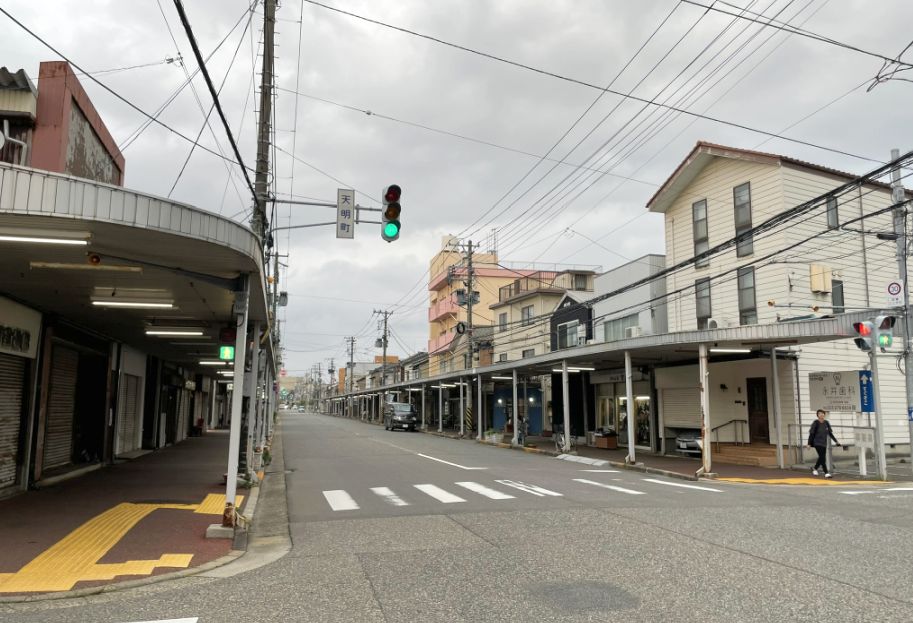
Just down a peaceful side street, the kind where you might walk several minutes without passing another person. The neighborhood around it felt serene and almost residential, a stark contrast to the bright city center we’d seen earlier.
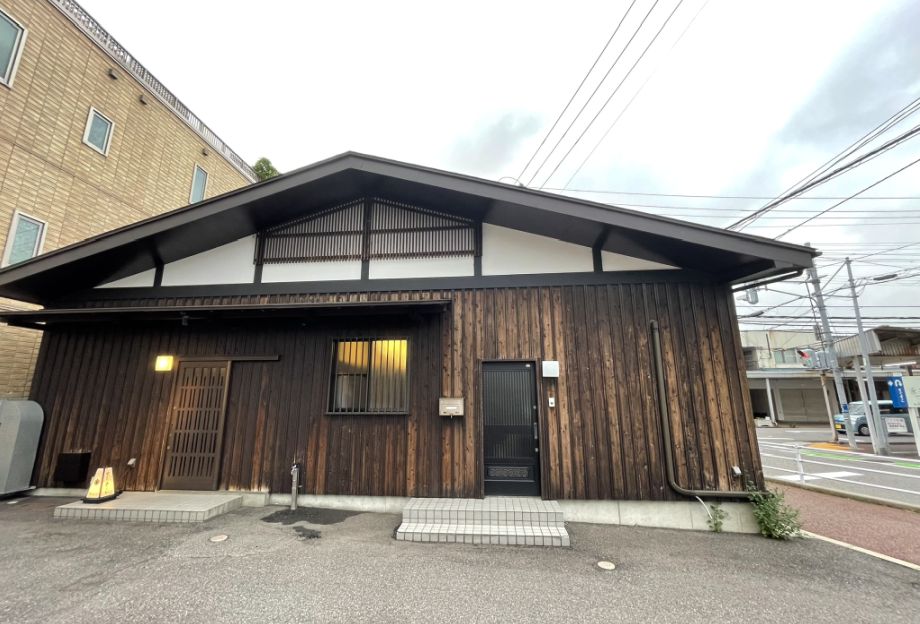
We arrived at Sushi Arai, a highly respected sushi restaurant that has earned its place in the Michelin Guide and is considered one of Niigata’s finest sushi experiences. The focus here is on Edomae-style sushi, meaning fish and seafood prepared in a time-honored way that highlights freshness, texture, and balance, and much of it sourced from Niigata’s own rich waters.
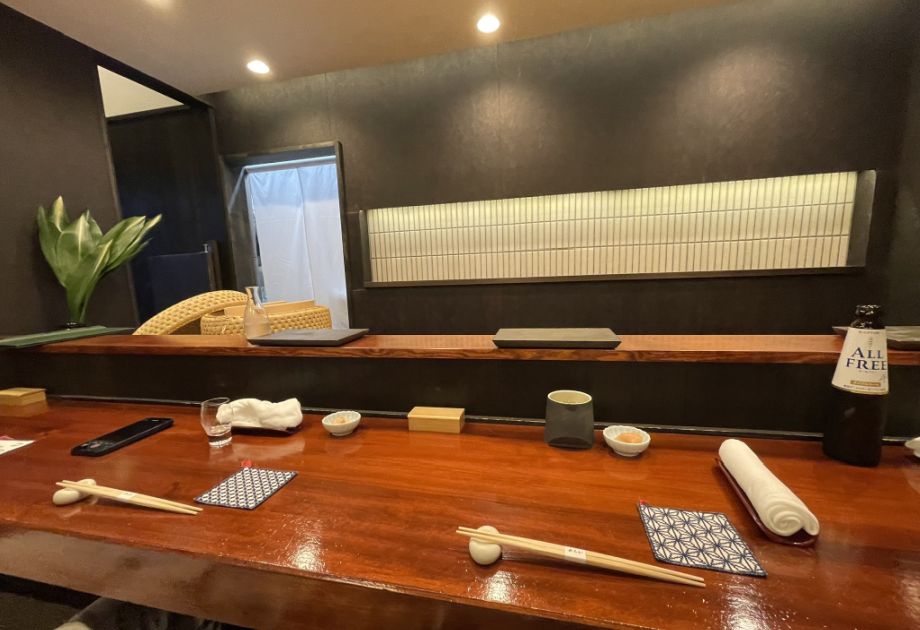
Inside, the atmosphere at Sushi Arai is intimate and traditional, with a small counter where diners can watch the chef at work, and just a few tables, making reservations strongly recommended.
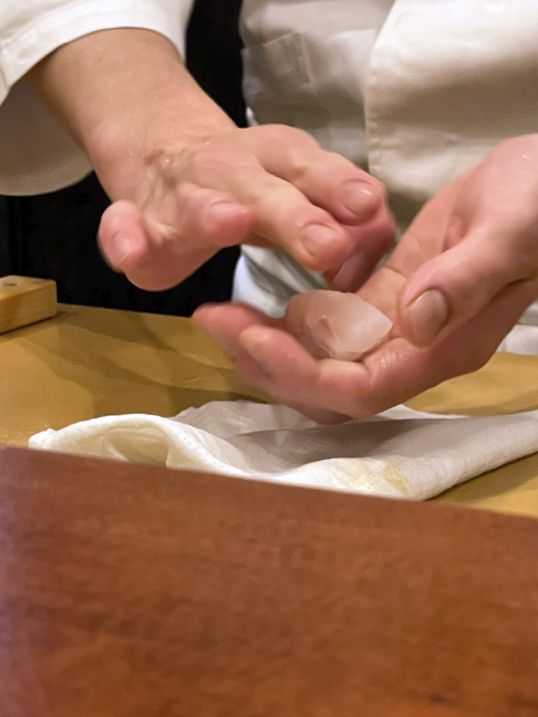
We were seated at a counter where the chef prepares each piece of sushi with calm precision in front of us.
 |
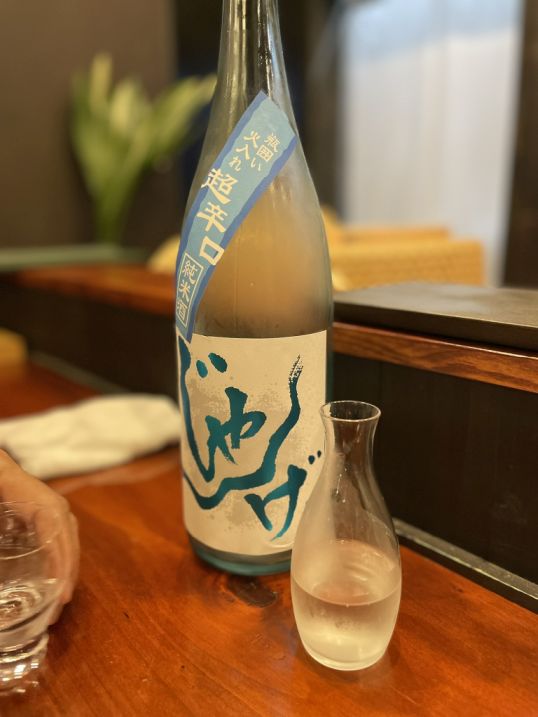 |
Beside the food the restaurant’s distinguishing features is its sake pairings, guided by the chef’s deep knowledge of Japanese sake. The meal isn’t just a series of sushi pieces, but a thoughtful progression through local seafood and brews that complement them, a reflection of Niigata’s rich maritime and sake-brewing traditions.
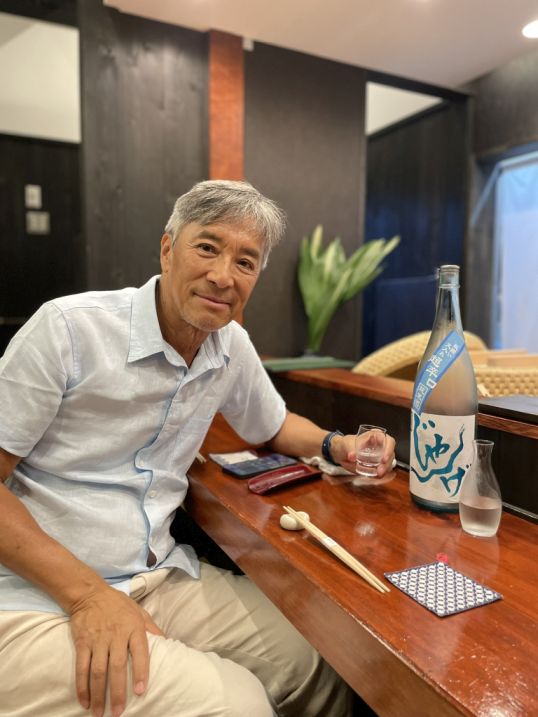
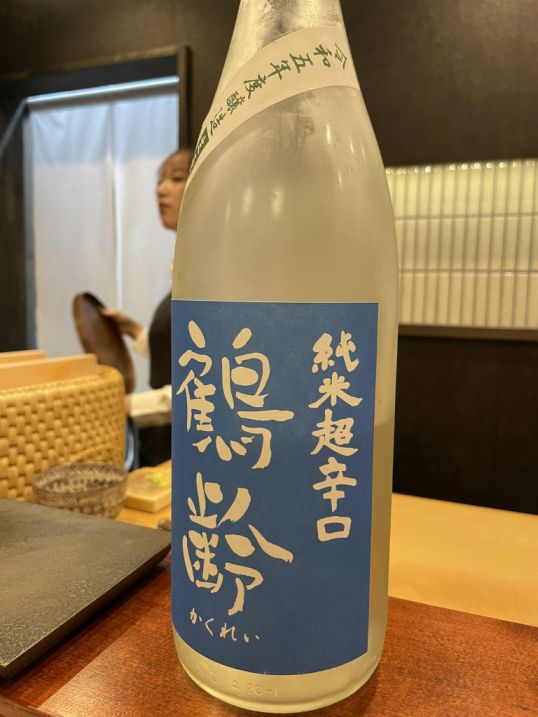
Hoa ordered sake that was recommended by the chef.
 |
 |
The meal unfolded slowly, one piece at a time, until we had tasted 15 different kinds of sushi, each one distinct in texture and flavor, delicate yet deeply satisfying. It felt less like a single dinner and more like a quiet progression, guided by the chef’s rhythm and the seasons of the sea.
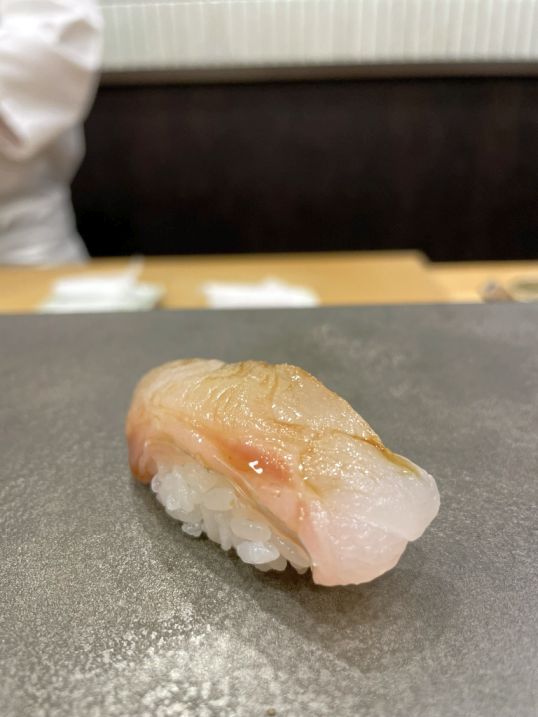
The first sushi we were served was likely hamachi, clean and delicate, with a soft, buttery texture. The flavor was mild and slightly sweet, almost melting on the tongue, a gentle and perfect way to begin the meal.
 |
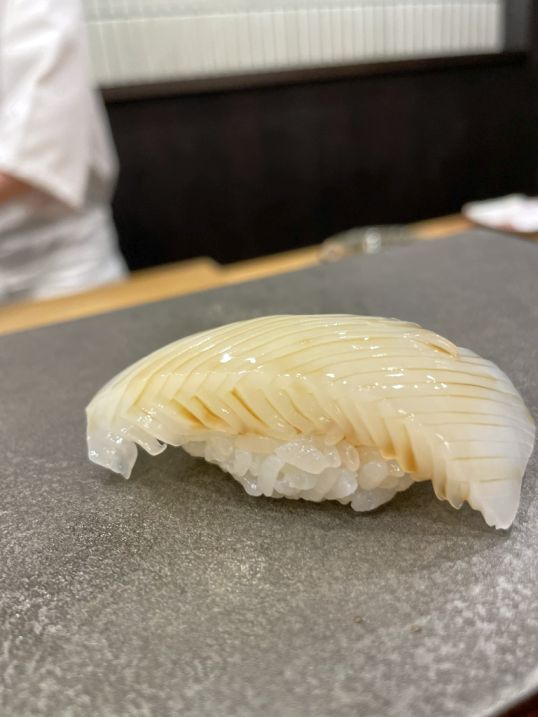 |
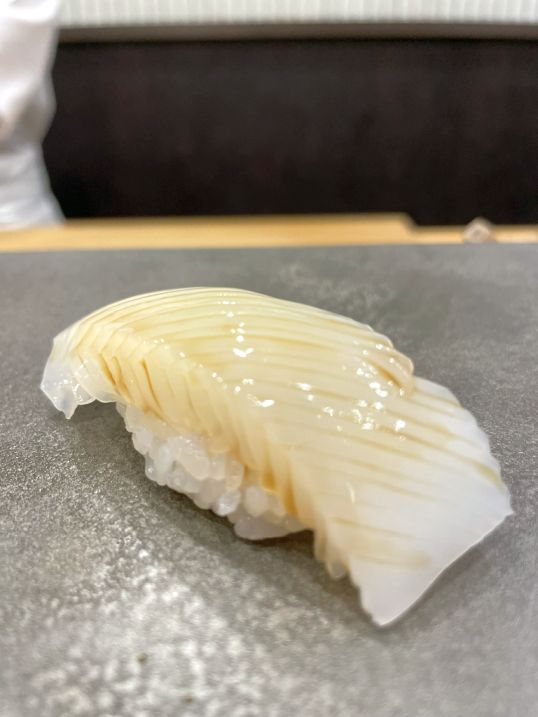
The second sushi is a squid finely scored, brushed with soy sauce. The squid was surprising tender yet lightly springy, never rubbery. The scoring made it silky to bite into, and the brushed soy sauce added a quiet saltiness that brought out its natural sweetness.
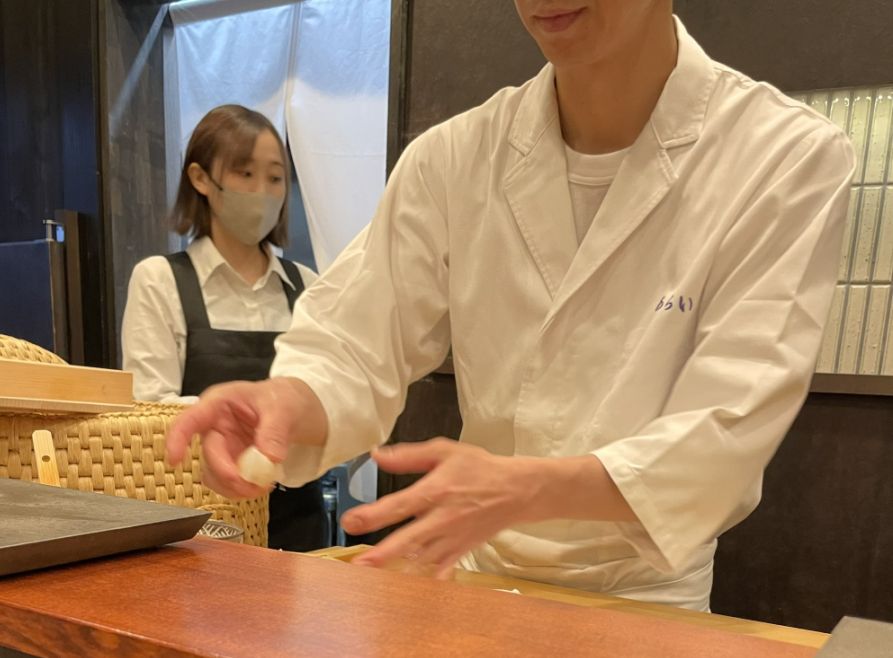
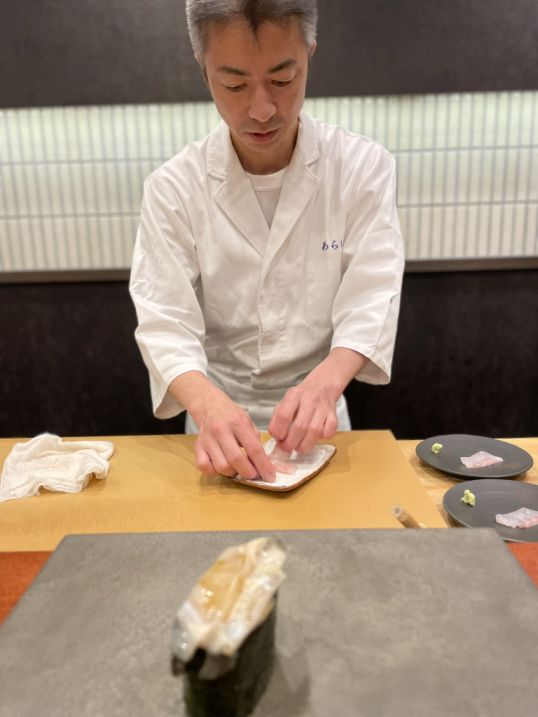
The chef preparing the sushi in front of us. He spoke very little English so it was difficult to have a conversation.
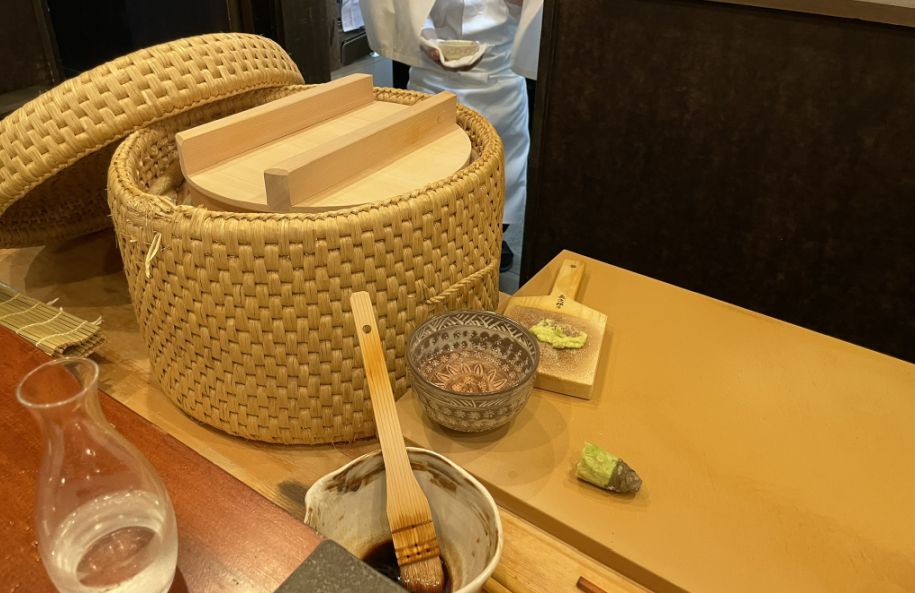
Sushi rice, soy sauce, and fresh wasahi behind the counter.
 |
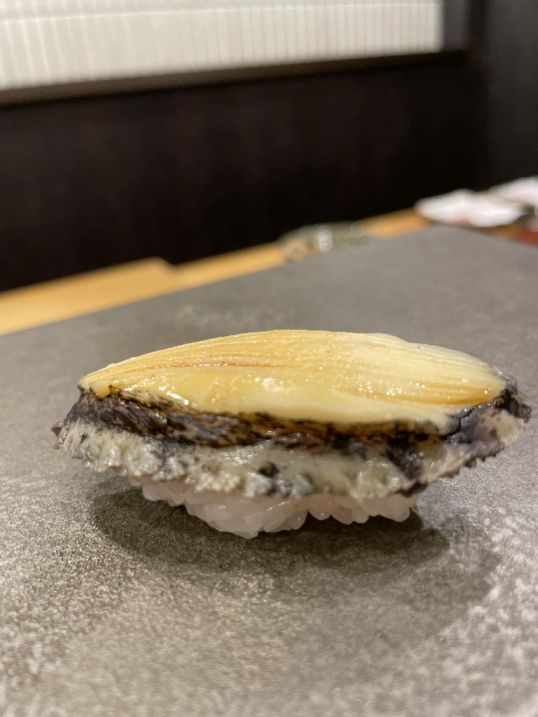 |
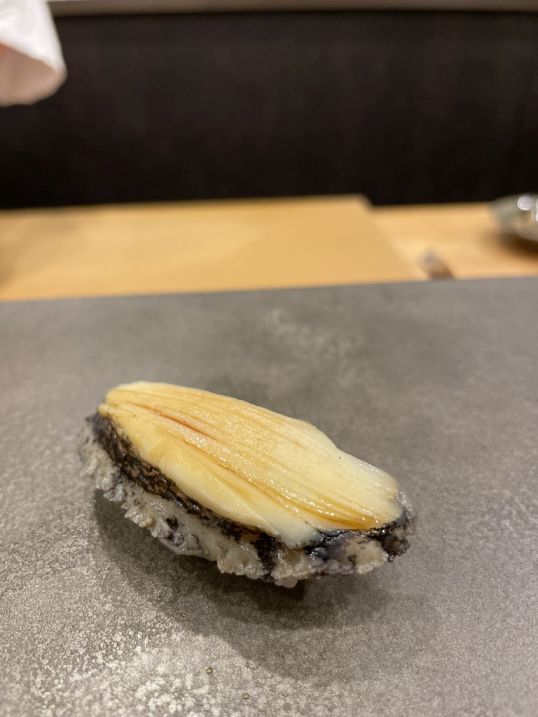
The 3rd sushi is an abalone that is also brushed with soy sauce. Firm and chewy in a pleasant way, with a deep ocean flavor. The soy sauce added richness, turning something simple into something earthy and satisfying.
 |
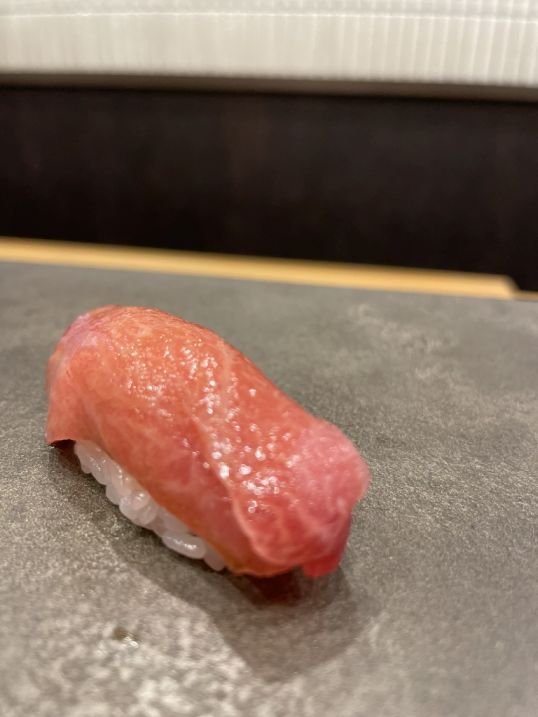 |
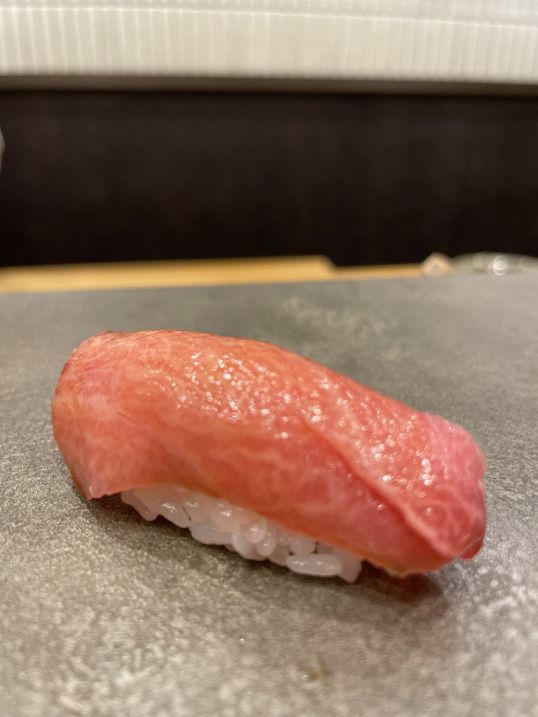
The 4rh sushi is a really nice piece of Tuna. Pure and clean, with a smooth, lean texture. It tasted fresh and slightly mineral, steady and comforting, like a foundation stone of sushi.
 |
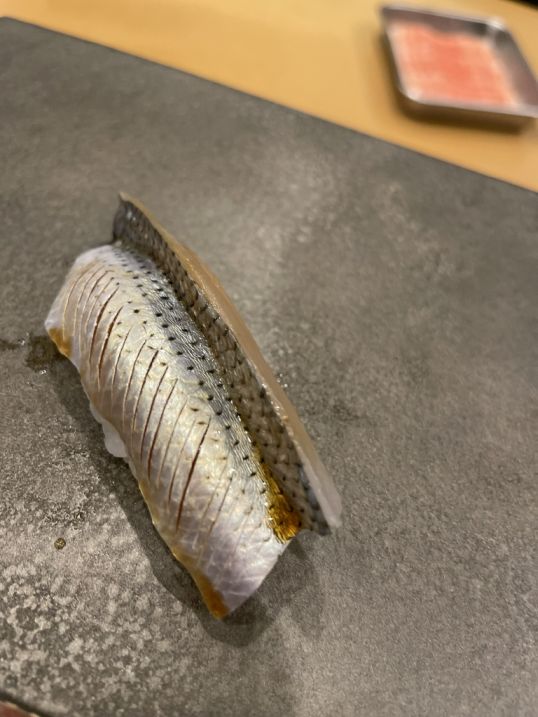 |
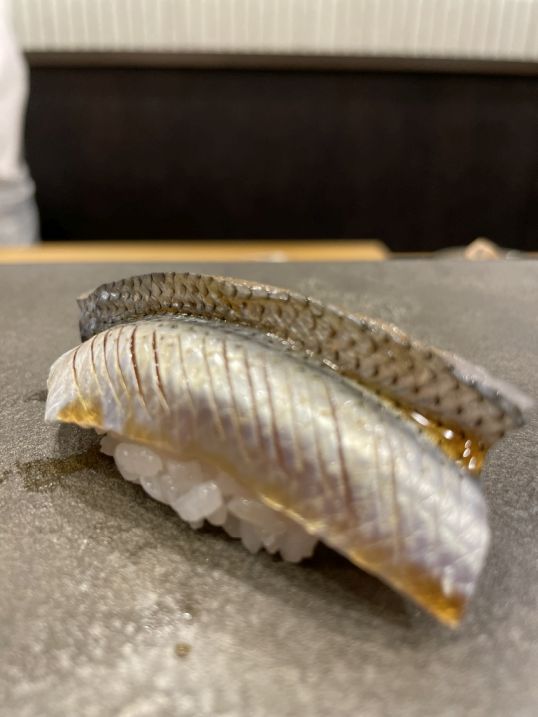
The 5th sushi is a Silver-skinned fish with black speckles (likely kohada or
another hikarimono)
Bright and sharp in flavor, with a gentle tang and a hint of oiliness. It had
a lively taste that woke up the palate, stronger and more complex than the
earlier fish.
 |
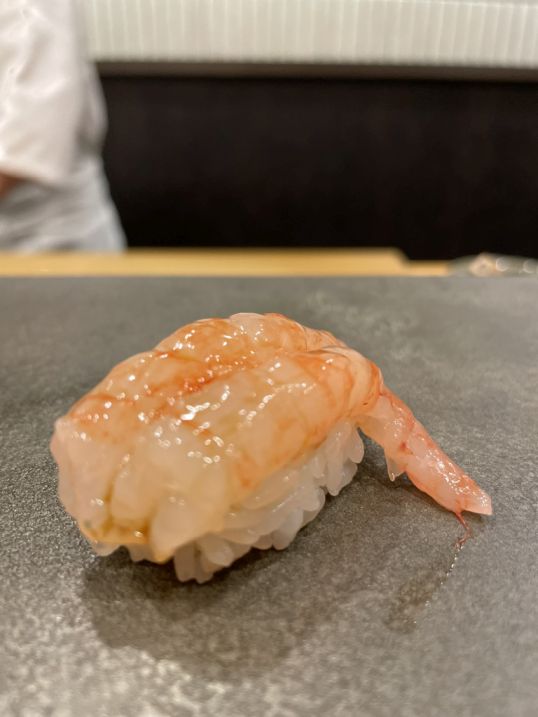 |
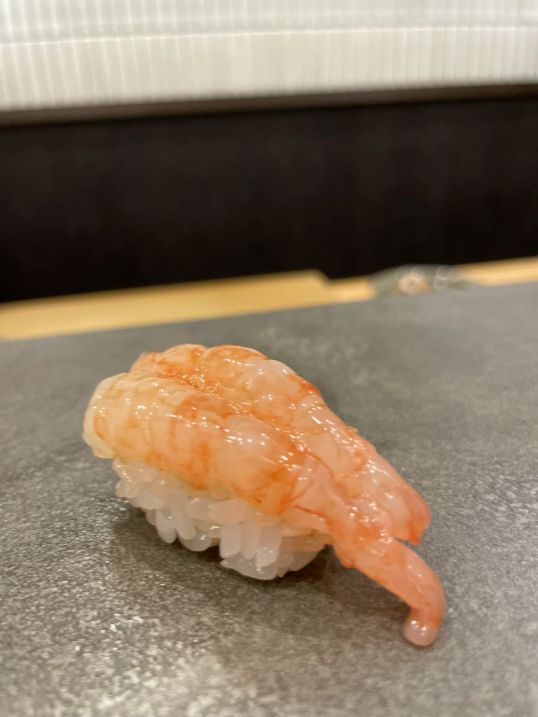
The 6th sushi is a raw sweet prawn (ama-ebi). Soft, glossy, and incredibly sweet. Almost creamy, with a light crunch at the start, tasting like cold seawater touched with sugar.
 |
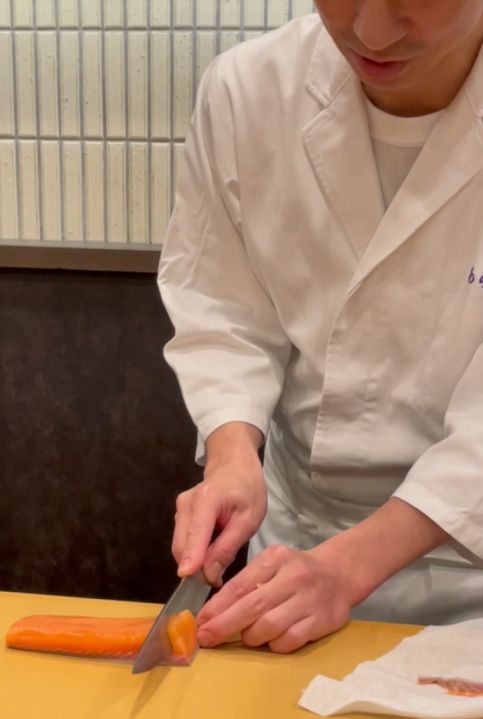 |
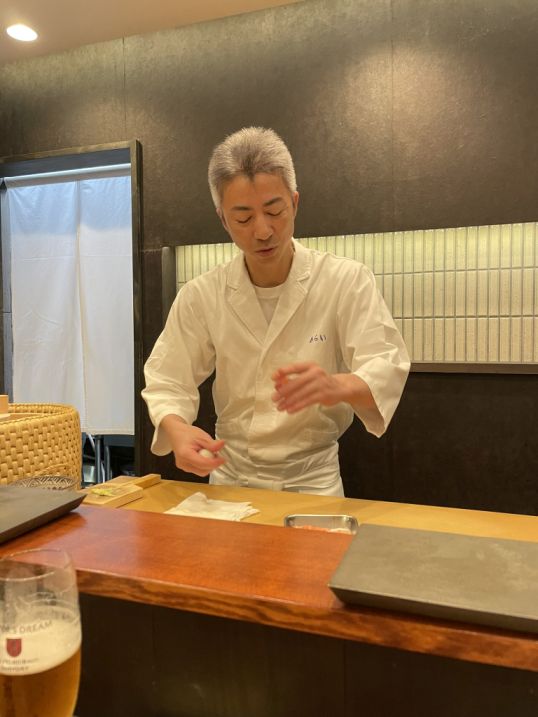
In between our meal, it was a treat to see the chef Arai working behind the counter.
Chef and owner Arai, who was born in 1978 in the nearby region of Shibata. Before opening his own restaurant, he spent many years training as a sushi chef, first at Tatsufuku in Akita, a respected traditional sushi house, and then for nearly two decades at Yoshino Sushi in Niigata, where he honed his skills and deepened his appreciation for the region’s seafood. Arai’s philosophy in making sushi is beautifully simple: to let the natural flavors of the fish and the rice shine, without unnecessary adornment. At Sushi Arai you’ll notice this in every detail, from the rice he uses (often locally sourced Koshihikari rice known for its flavor and texture) to the precision with which each piece of nigiri is formed and served.
 |
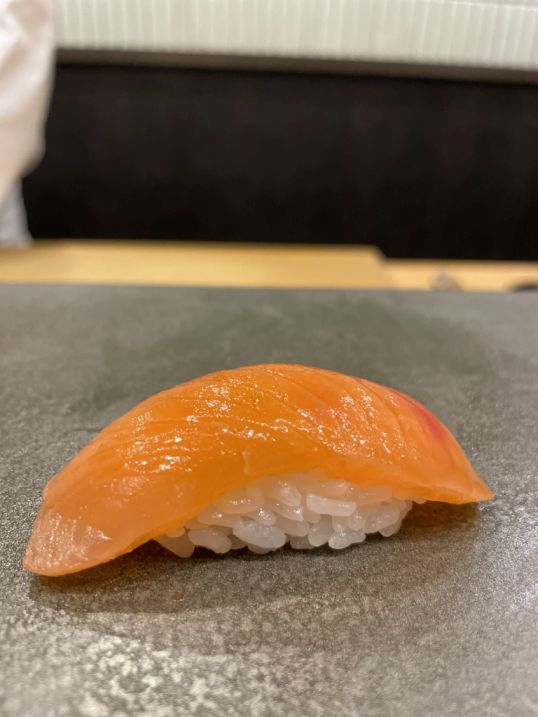 |
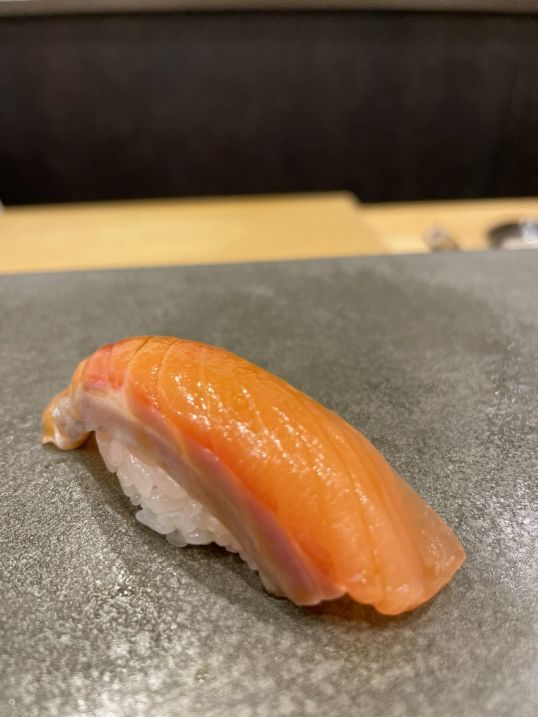
The 7th sushi is Salmon. rich and buttery, smooth and comforting. The fat dissolved slowly, leaving a gentle sweetness behind.
 |
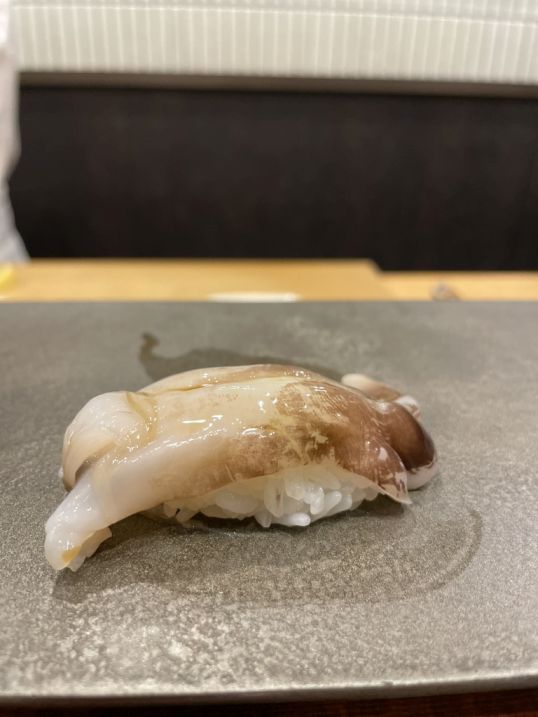 |
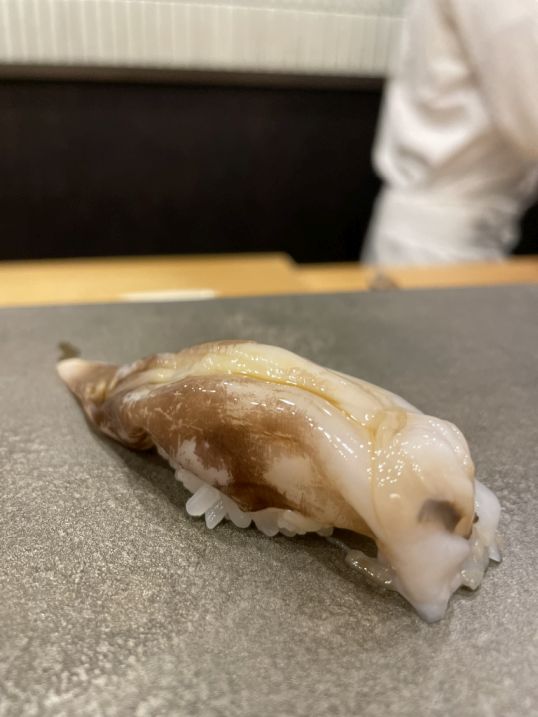
The 8th sushi is a whole squid with black inked areas.
It was a little scary to eat but it turned out to be cool, tender, and
slightly briny. The darker areas added a deeper ocean flavor, while the flesh
itself was mild and subtly sweet.
 |
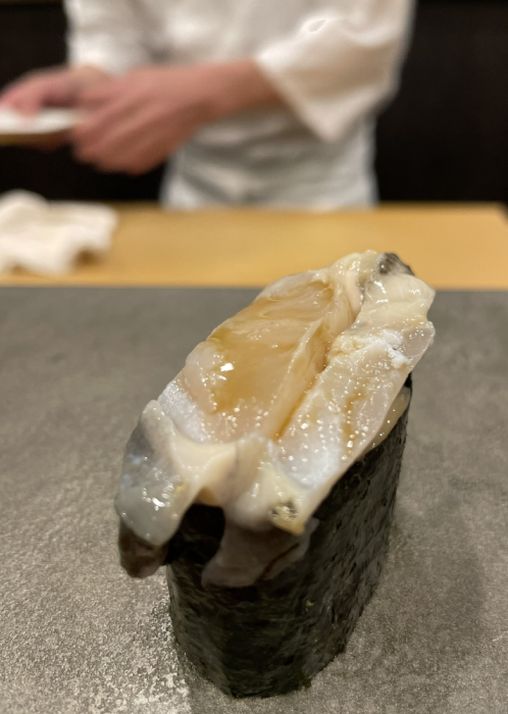 |
The 9th sushi is a maki with white fish (not sure what it is since the chef did not know the name in English) it was light and clean, with the aroma of the seaweed adding warmth. The rice inside softened the fish’s delicate flavor, making it balanced and calming.
 |
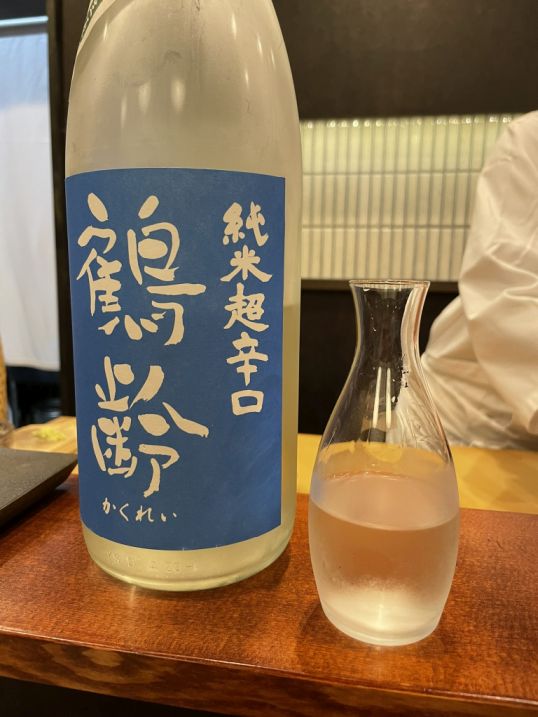 |
Hoa is now moving to 2nd type of Sake that was also recommended by the chef.
 |
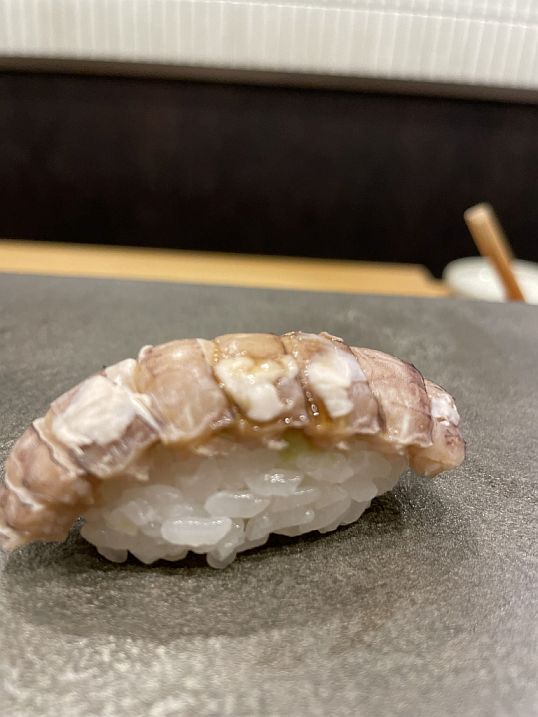 |
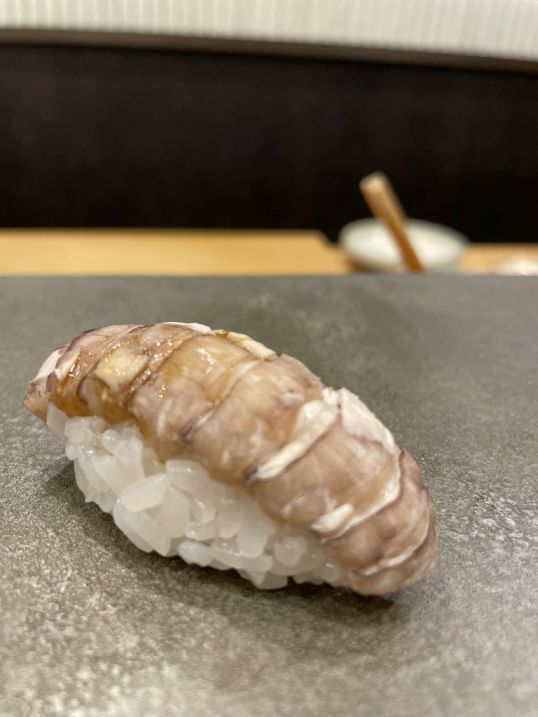
The 10th sushi is a small grey lobster that was sweet and firm, more structured than shrimp, with a refined shellfish flavor that lingered pleasantly.
 |
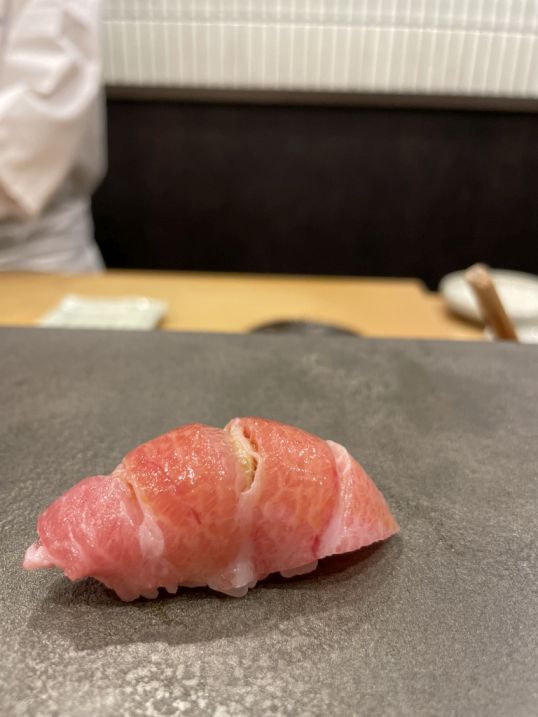 |
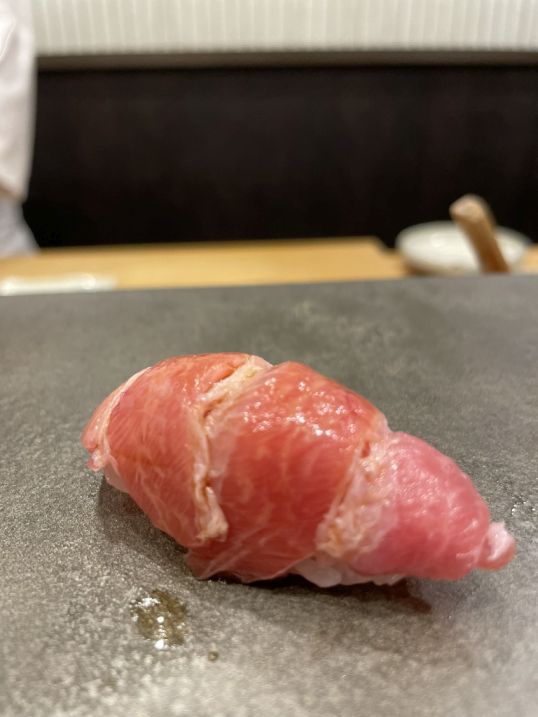
The 11th sushi was a Toro (fatty tune) that was Luxurious, practically melted the moment it touched the tongue, rich and buttery like cool cream, with a sweetness that stayed long after swallowing.
 |
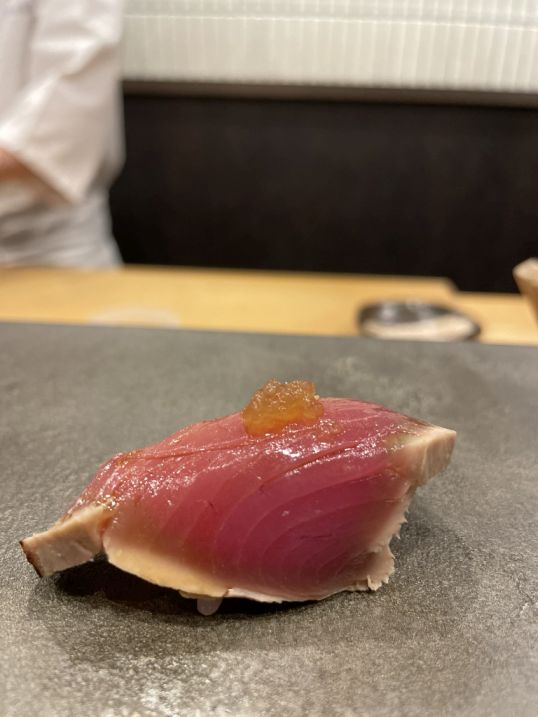 |
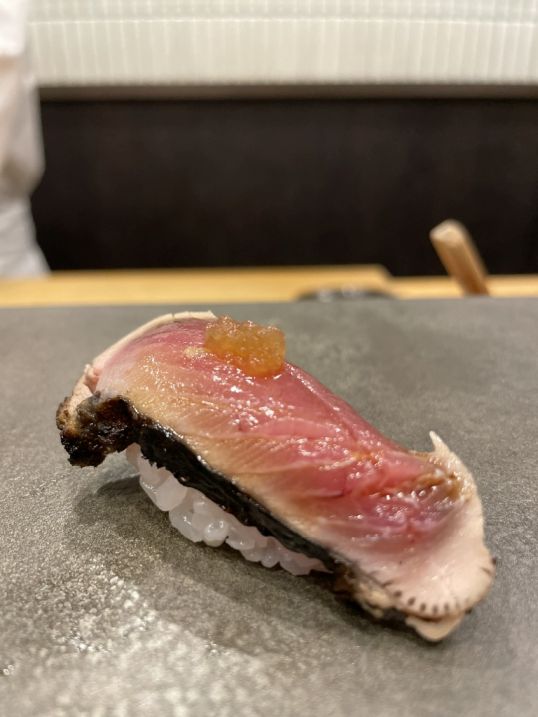
The 12th sushi was a lightly pan seared tuna that was warm on the outside, cool inside. The searing added a smoky aroma and slight crispness, while the center remained soft and clean.
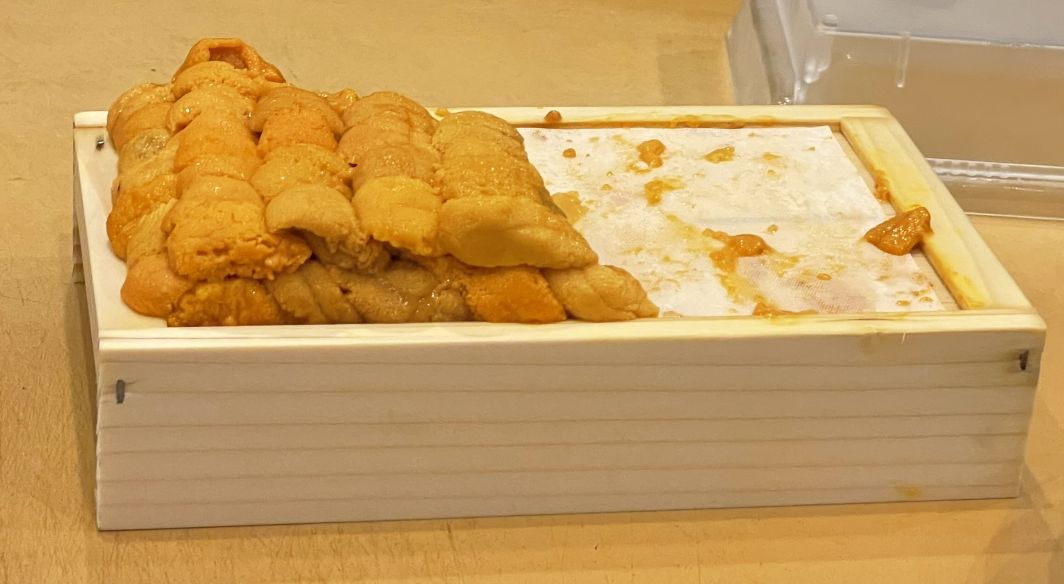
The chef brought our a huge tray of uni and then proceed to make some sushi.
 |
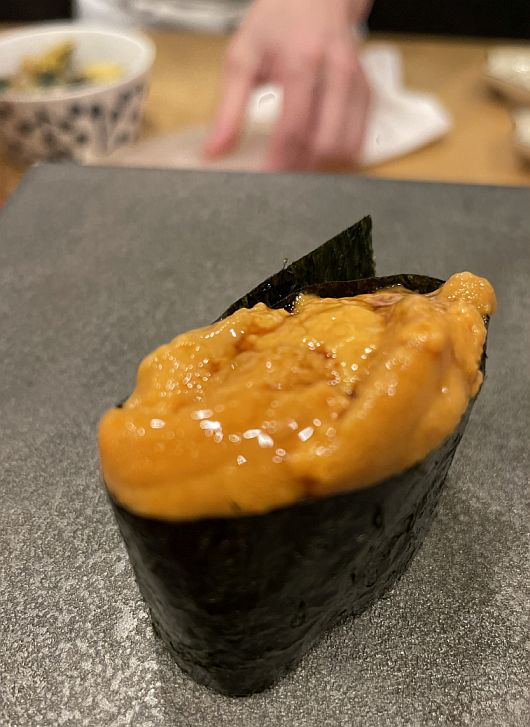 |
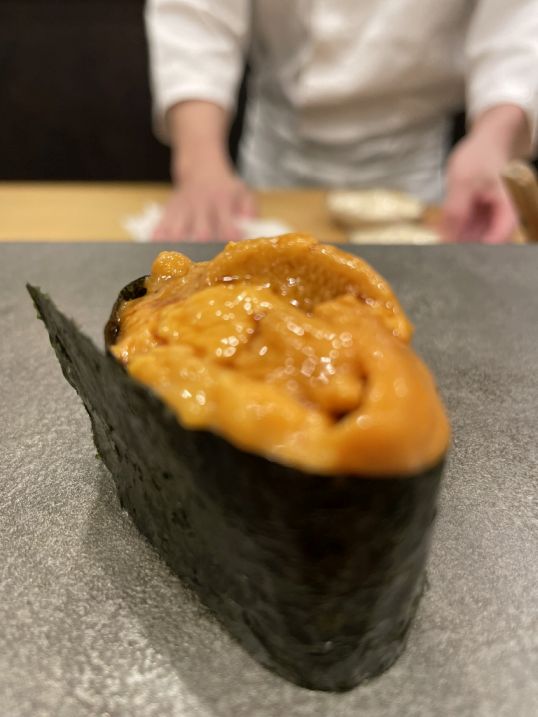
The 13th sushi was a generous uni maki that was soft, custard-like, and intensely oceanic. Sweet, briny, and creamy all at once, with the seaweed adding depth and structure.
 |
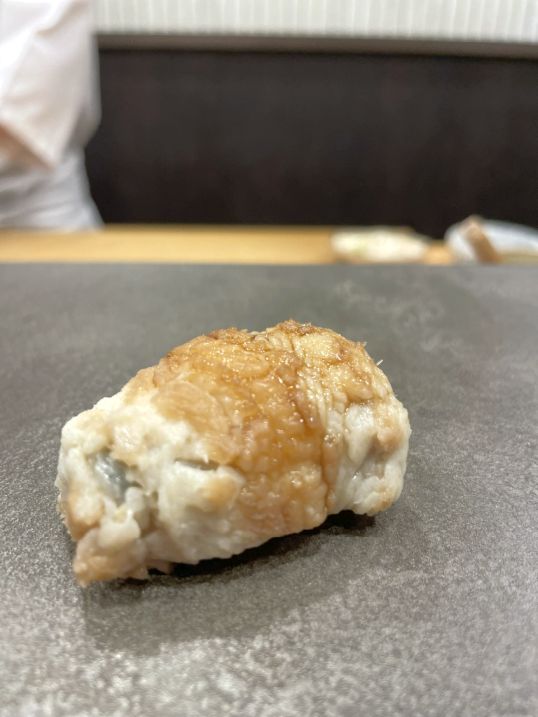 |
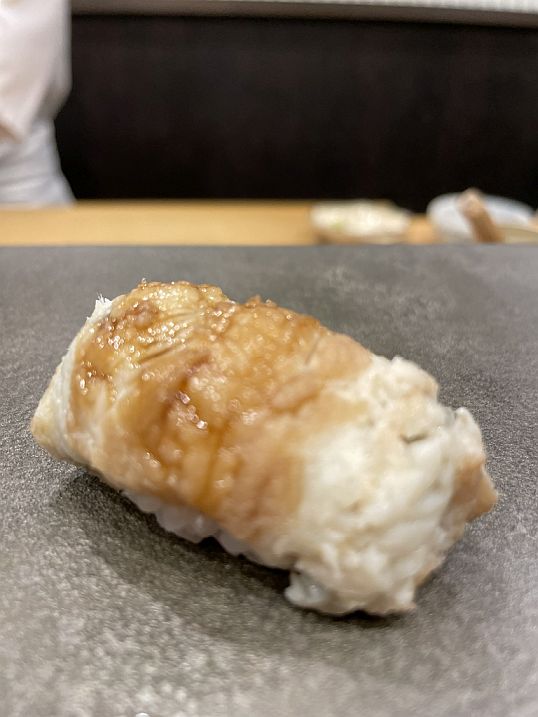
The 15th sushi was a freshwater eel and this is the only one that I did not care for. It has strong odor and I also did not like the texture of the eel.
 |
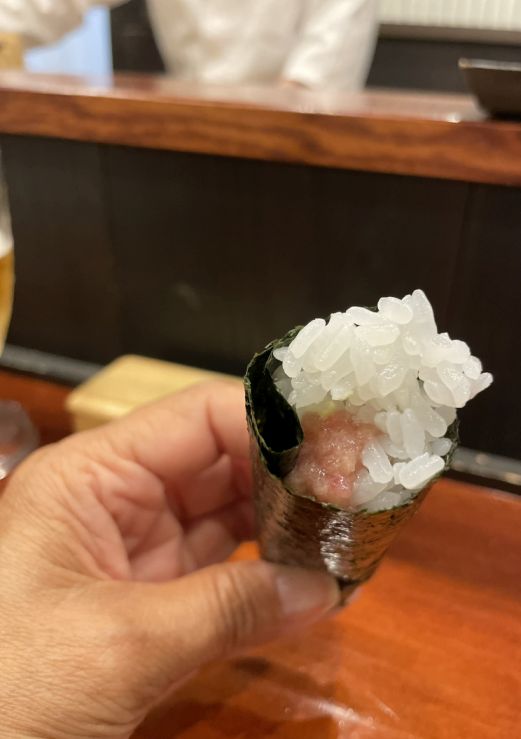 |
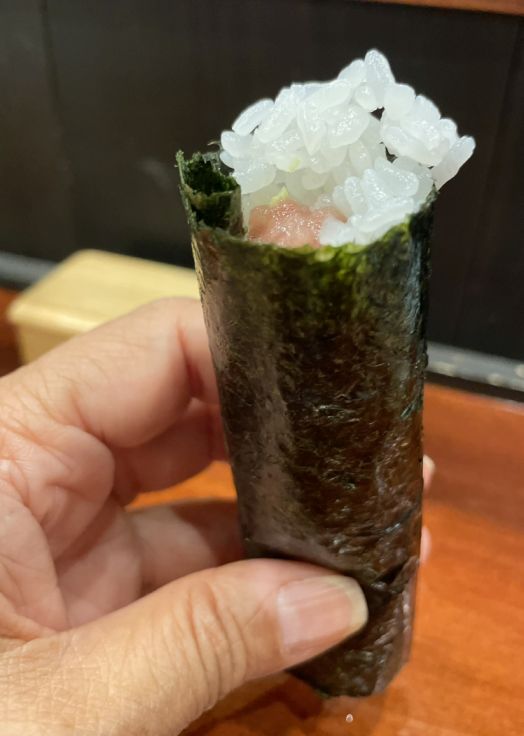
The 15th serving was a hand roll with chopped white fish that was fresh and simple, lightly crunchy from the seaweed, soft from the rice, and clean from the fish. A refreshing, casual ending after such refined pieces.
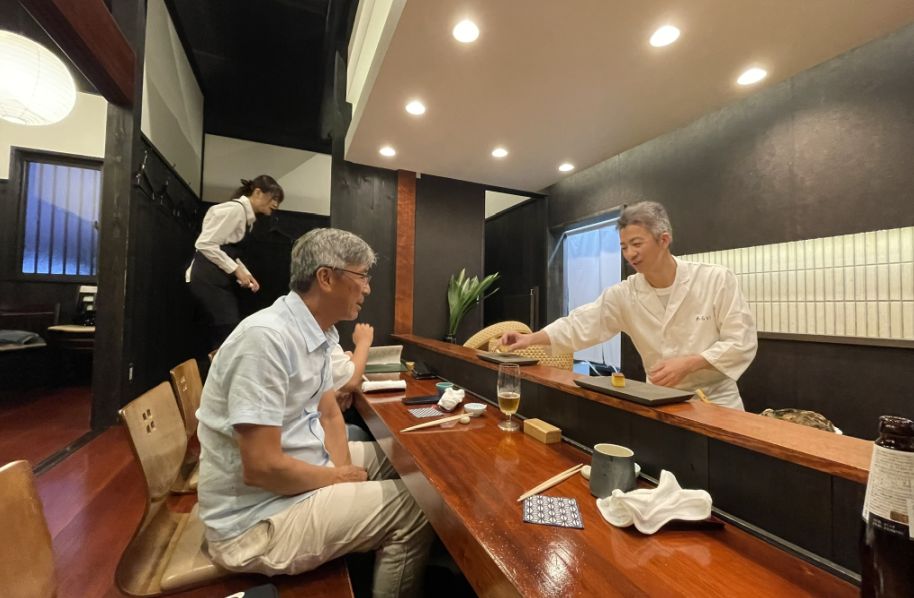
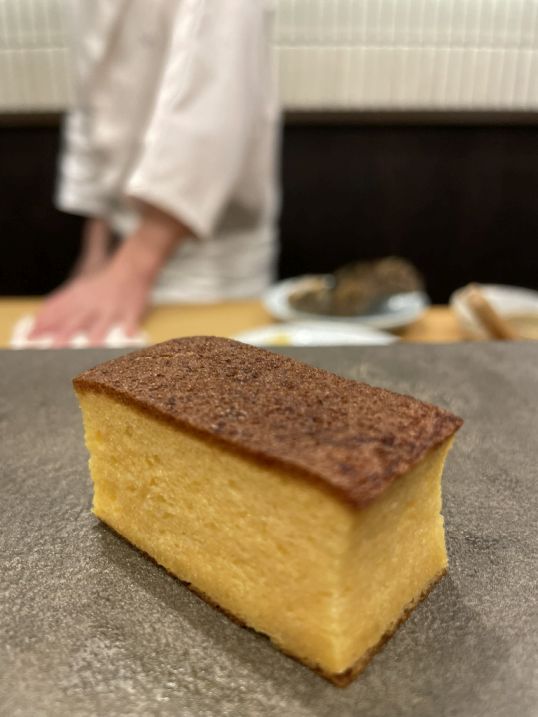
After the last pieces of sushi, the chef quietly prepared dessert. We watched as he placed a slice of castella onto a simple, rectangular gray slate plate, the soft golden cake standing out beautifully against the cool stone.
 |
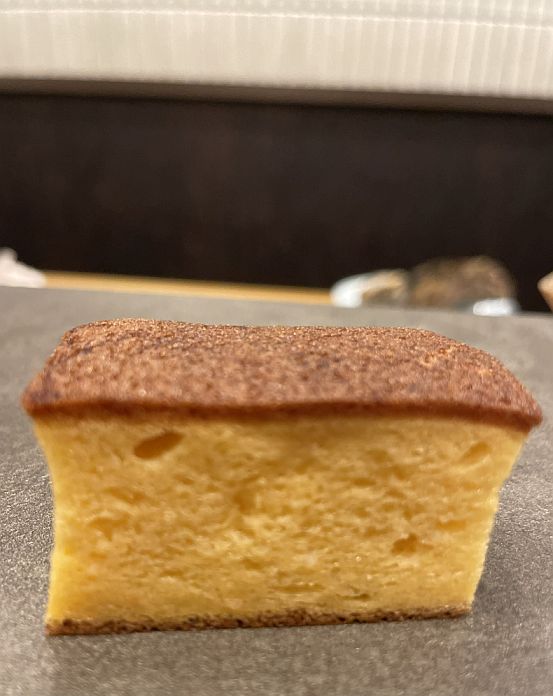 |
It looked modest, almost understated, but the first bite was a surprise. The cake was incredibly light and moist, gently sweet, with a fine, delicate crumb that melted in the mouth. After the richness of the fish and the warmth of the miso soup, the castella felt perfectly chosen—clean, comforting, and elegant in its simplicity.
We thought the meal had gently come to an end with the castella, but to our surprise, the chef had one more quiet gesture of generosity.
 |
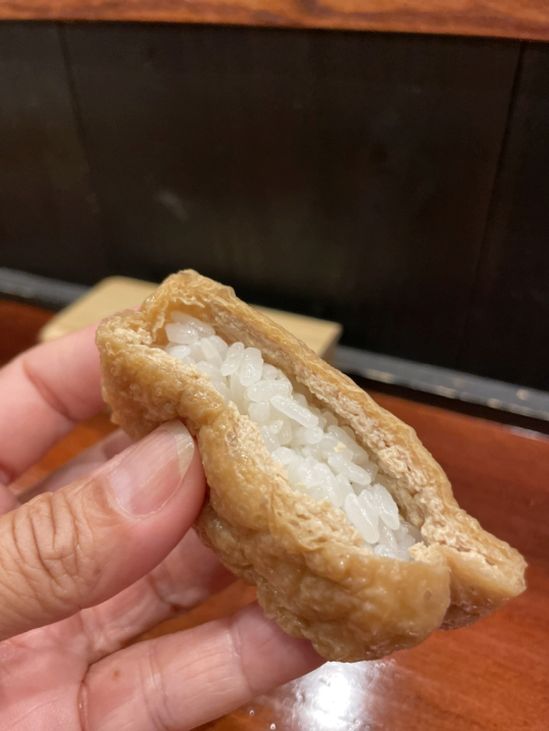 |
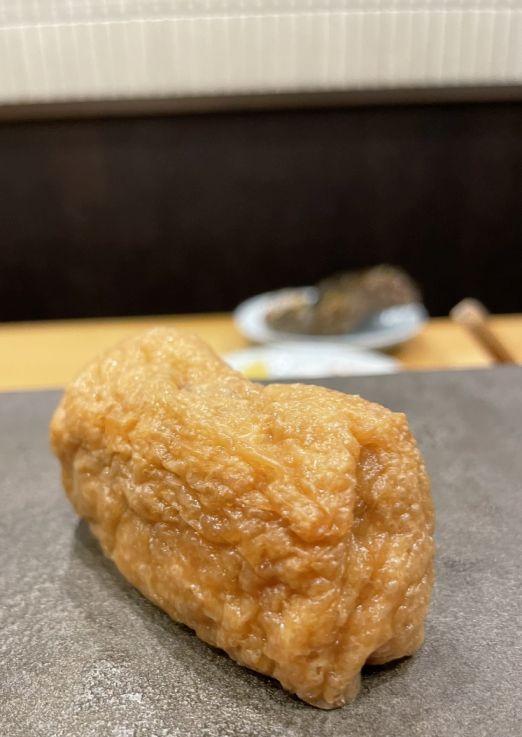
After the dessert, he served us inarizushi which is tofu skin delicately stuffed with rice, soft, lightly sweet, and comforting.
 |
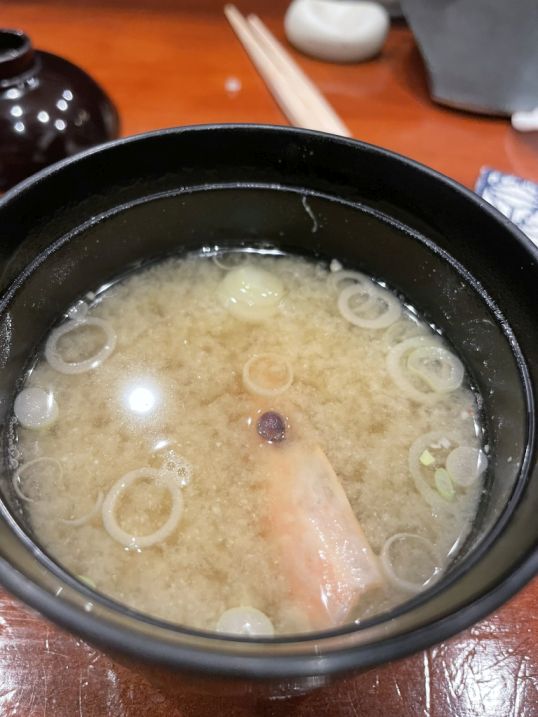 |
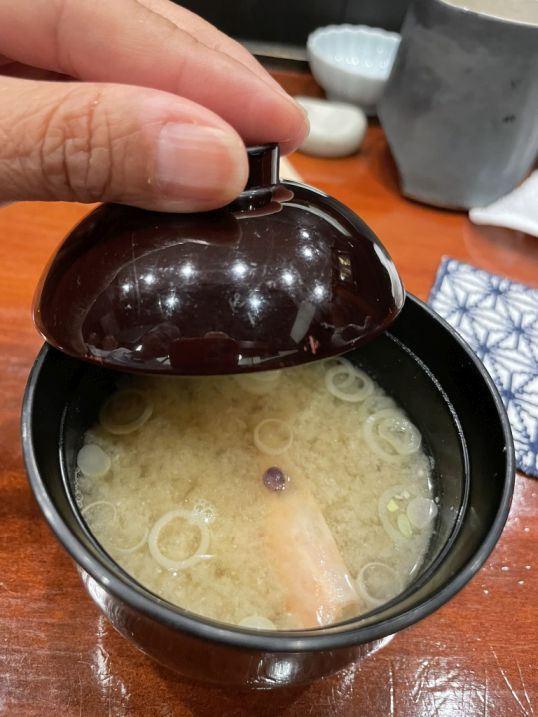
Then came a final bowl of miso soup, warm and fragrant, with scallions floating on the surface and the shrimp head tucked inside, deepening the broth with its rich aroma.
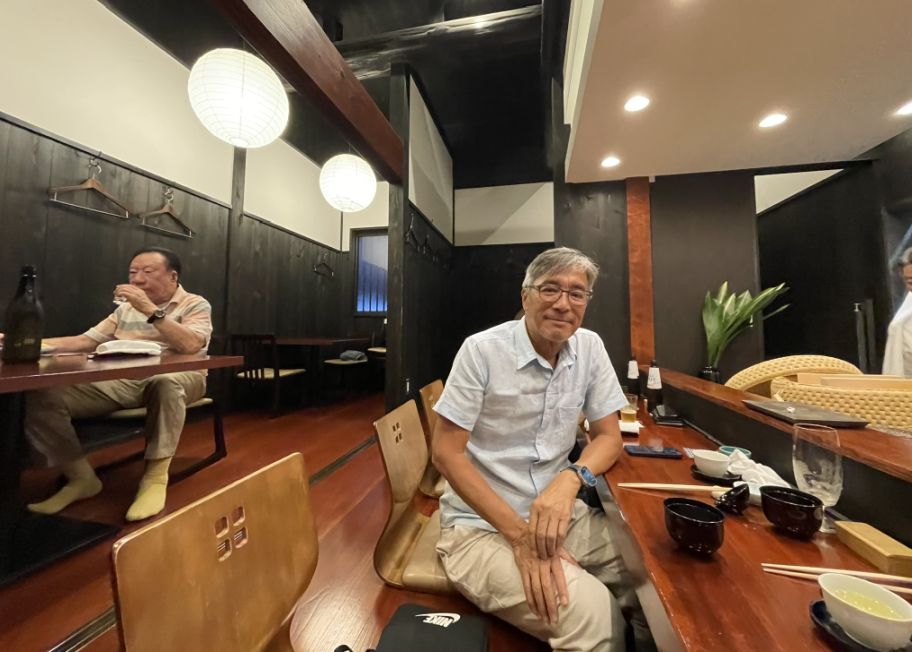
The meal is now over.
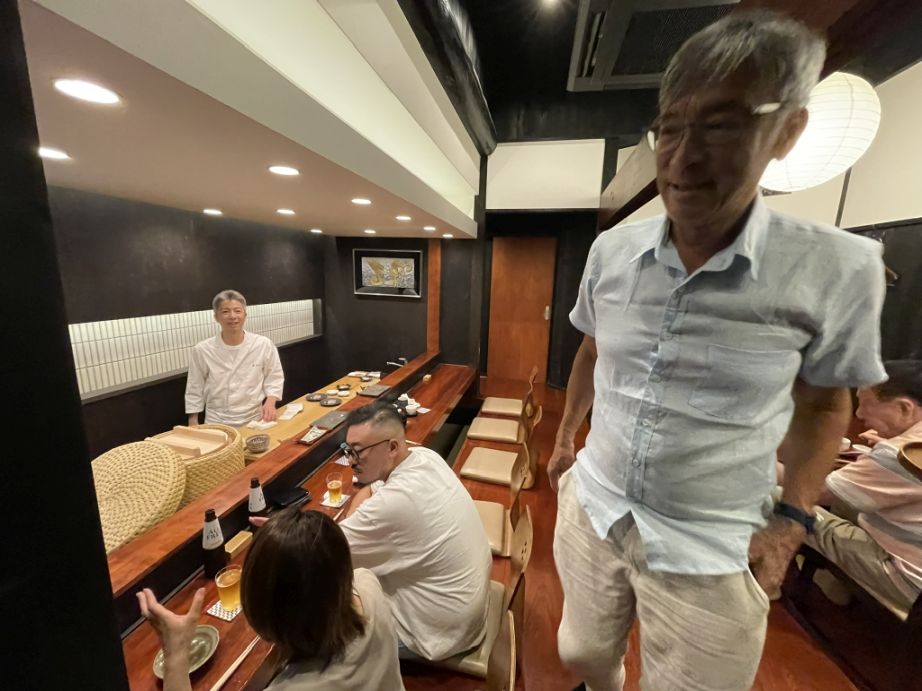
By the time we step out and reflect on our meal at Sushi Arai and though it was the kind of dinner that stays with you, not only for how delicious it was, but for how calm and beautiful the entire experience felt.
Overall, we really enjoyed the atmosphere at Sushi Arai. The restaurant was calm and intimate, and the sushi was undeniably excellent, with fish of truly top-notch quality and beautiful freshness. At the same time, the experience felt a little incomplete for us, because there was no English spoken, we couldn’t ask questions or learn about the fish being served, which made us feel as though we were missing part of the story behind each piece. And while everything was very good, nothing felt especially surprising or out of the ordinary. In the end, we realized that we have had many comparable sushi meals in the U.S., and that this dinner, though refined and enjoyable, was not dramatically different from what we could find back home.
NEXT... Day 3- Hakusan Shrine