
3 days in Nha Trang-1/26- 1/29/2025
| Day-1 Arrival Dinner at Hanh Xuan |
Day-2 Museum of Oceanography Hon Chong Po Nagar Cham Towers Christ the King Cathedral Fuit stall and Dinner |
Day-3 Cho Dam Lunch and Beach Dinner at Ot Hiem |
Day 3-Cho Dam -1/28/2025
Our first stop today was Cho Đam, Nha Trang's most famous market. As soon as we arrived, the giant entrance gate with the words "Cho Đam" welcomed us.
The scene was pure Vietnam with motorbikes streamed in from every direction. Cho Đam has been the heart of Nha Trang's commerce for more than a century. The original market was established around 1908 on what was once a large lagoon, "đam" means lagoon in Vietnamese, which is how the market got its name. As the city grew, the old market became overcrowded, and after a devastating fire in the late 1960s, it was rebuilt into the large circular market that became an iconic landmark of Nha Trang. Today, locals come here for everything from fresh seafood and produce to clothing, souvenirs, dried fruits, and local specialties, making it one of the best places to experience everyday life in the city.

Before we even entered Cho Đam, one vendor immediately caught my eye. Hundreds of watermelons were spread across the ground in neat piles, with what looked like yellow melons stacked nearby. People pulled over on their motorbikes to pick out the perfect one before continuing on their way. It was such a simple scene, yet it perfectly captured the rhythm of everyday life in Vietnam.
 |
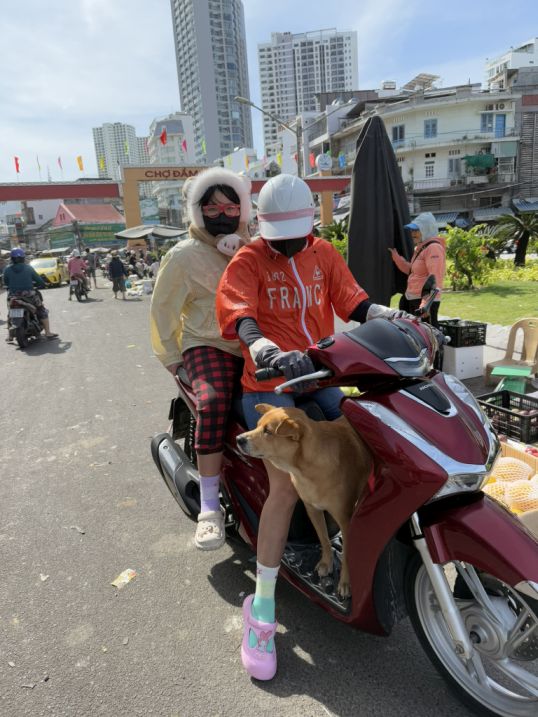 |
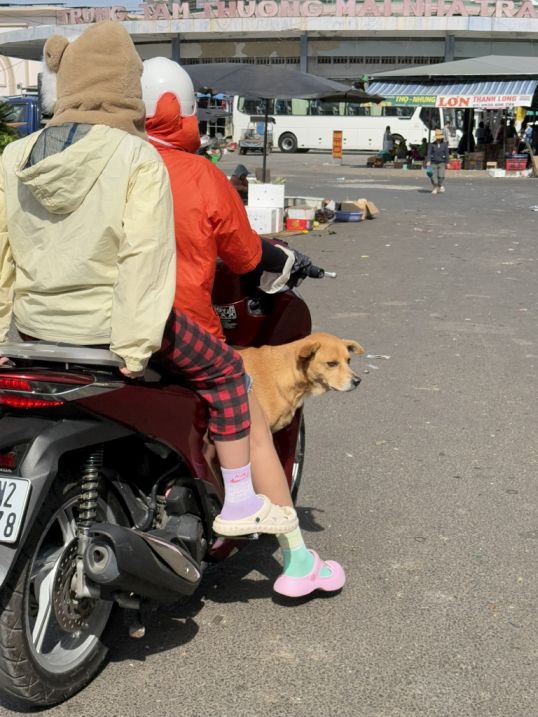
As we wandered through the market, we came across something that made us smile, a motorcycle carrying two people, with a dog standing comfortably between them as they rode away. The dog looked completely at ease, as if this was just another ordinary trip through the busy streets of Nha Trang. Moments like these are what make exploring local markets so memorable.
 |
 |
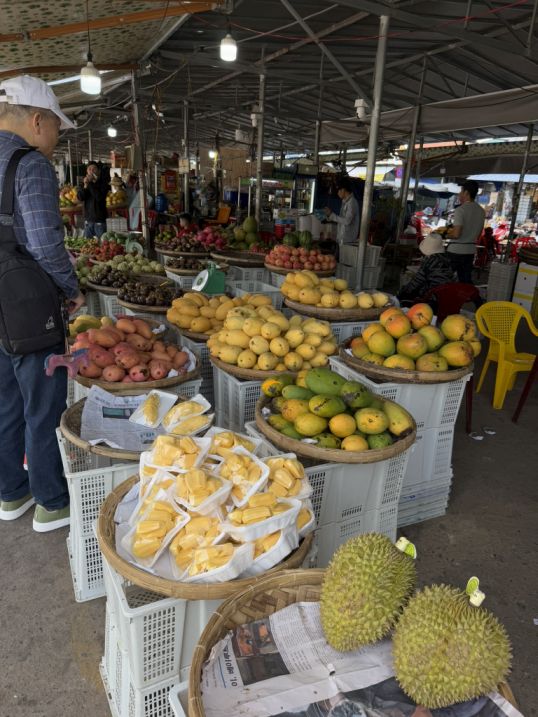
Stepping inside Cho Đam, we found ourselves surrounded by rows of colorful fruit stalls filled with exotic tropical fruits.
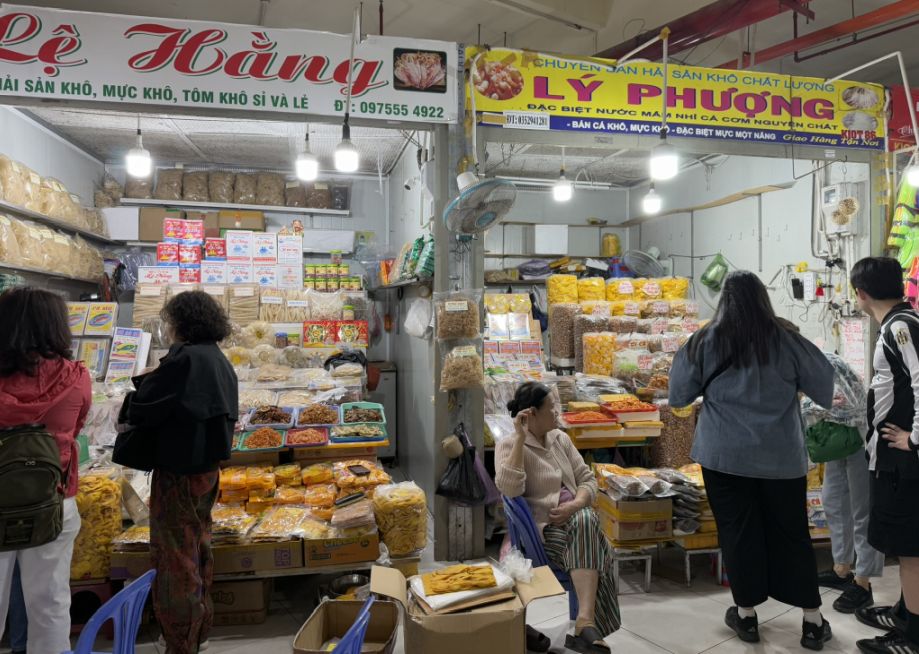
Nearby were shops selling dried seafood, spices, nuts, and all kinds of dried goods. Every corner seemed to offer something different, making the market feel like a maze of sights, sounds, and aromas.

We eventually wandered out onto the narrow streets between the market buildings, where the atmosphere became even more local. Motorbikes were parked wherever there was space, shoppers squeezed past one another, and vendors lined both sides of the street.

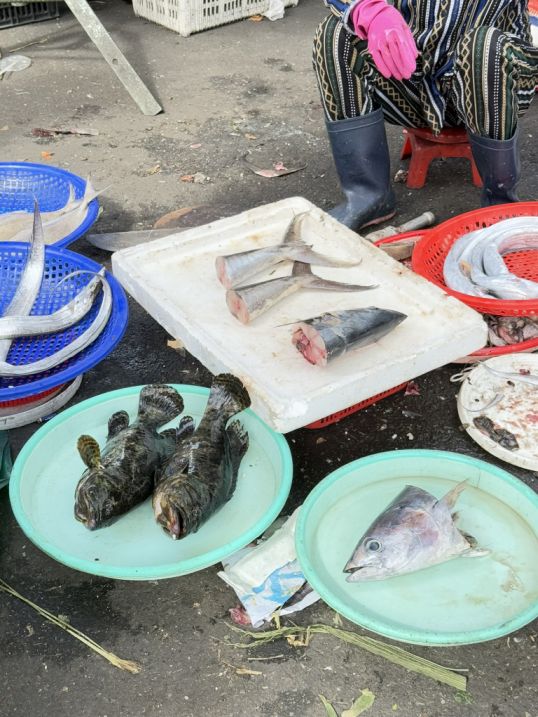
Many of the stalls sat just inches above the ground, displaying fresh vegetables, dried fish, and seafood.
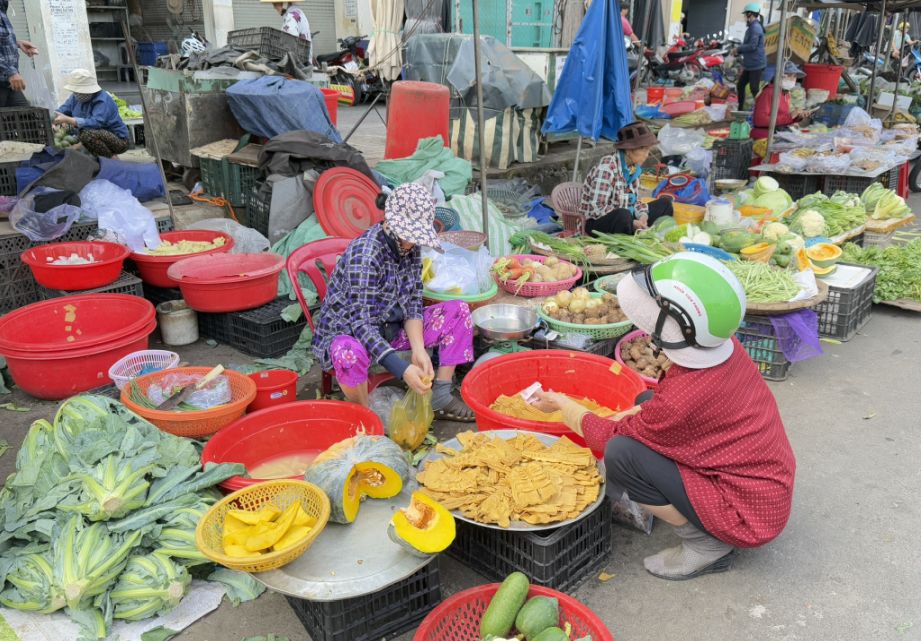
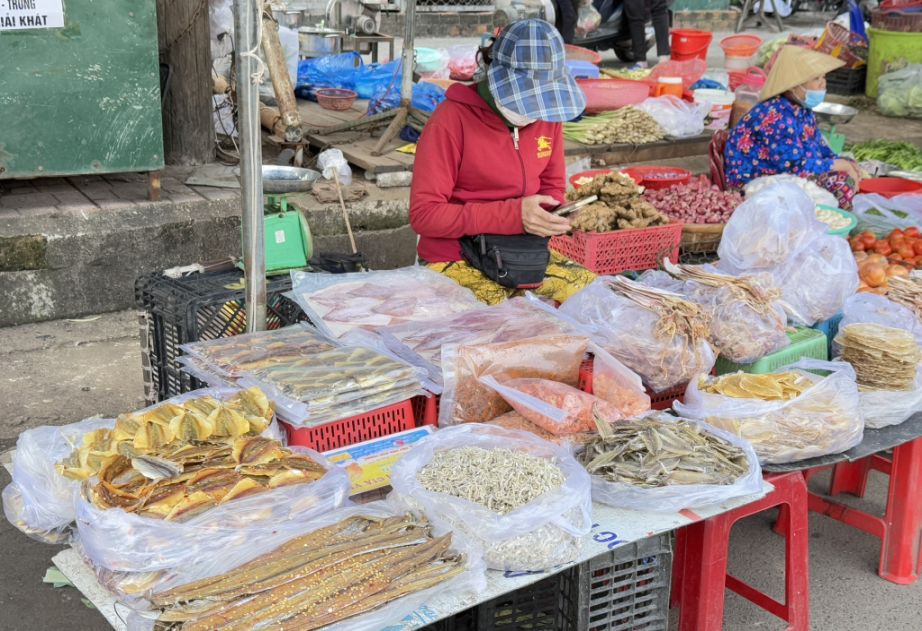
A vendor selling dry fish.
 |
 |
Fish were cleaned and cut to order as customers waited, while a butcher chopped meat on a simple raised table covered with cardboard..
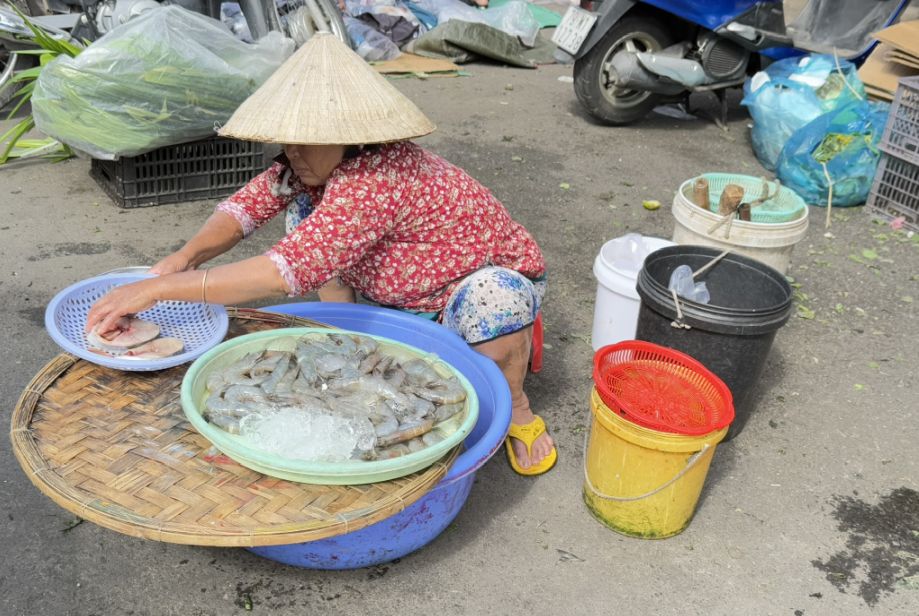
Nearby, another vendor sat on a tiny plastic stool, patiently selling fresh shrimp and pieces of freshly cut fish. It wasn't polished or touristy, it was authentic, bustling, and a fascinating glimpse into everyday life in Nha Trang

A vendor cleaning and cutting off the fangs of a fish.
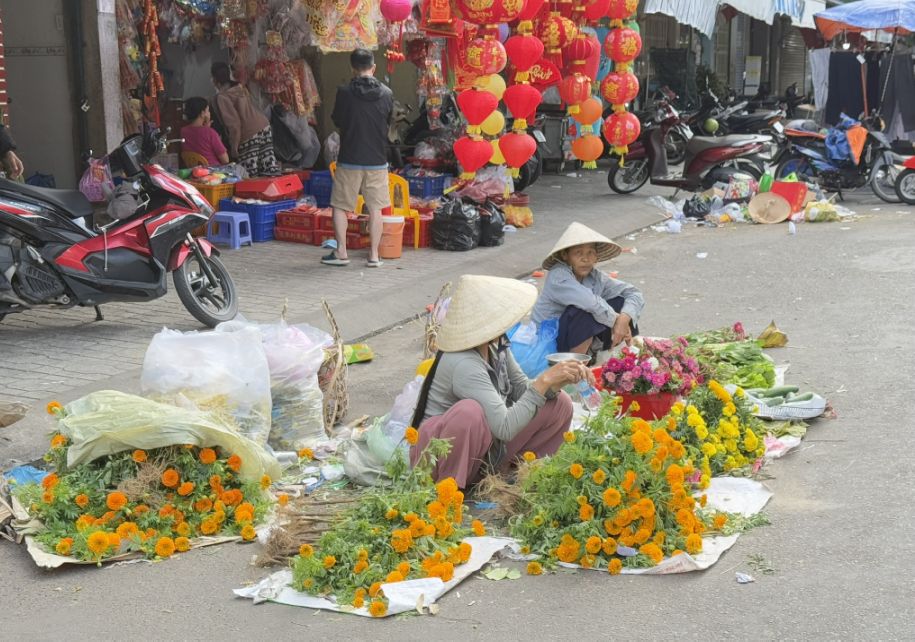
Vendors selling flowers for the New year to come.
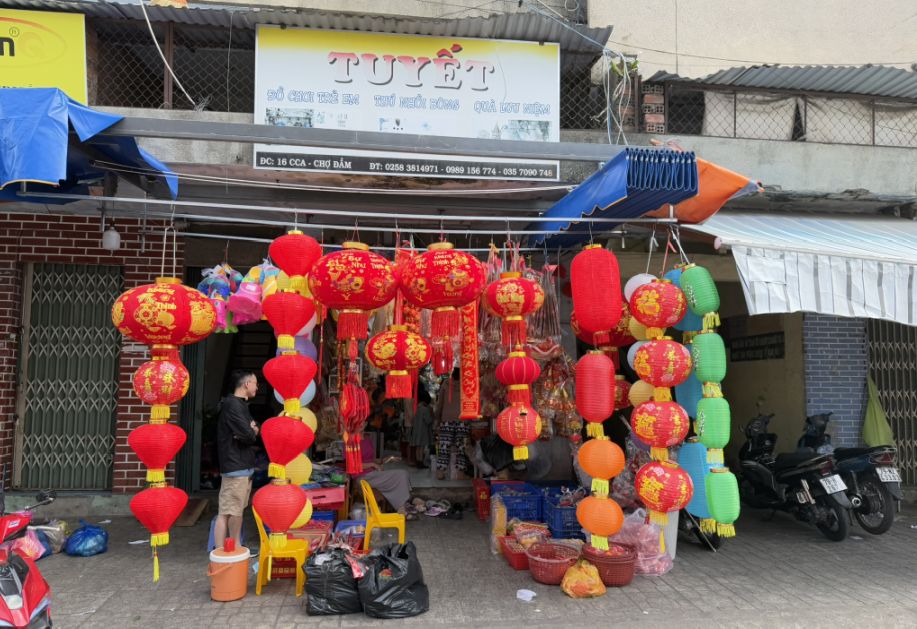
As we continued exploring, the market began to take on a festive atmosphere. Store after store was filled with Tet decorations.

Bright red and gold lanterns, lucky ornaments, colorful banners, and decorations symbolizing prosperity and good fortune. Even though the celebration was still approaching, it was clear that everyone was getting ready for Vietnam's biggest holiday.
 |
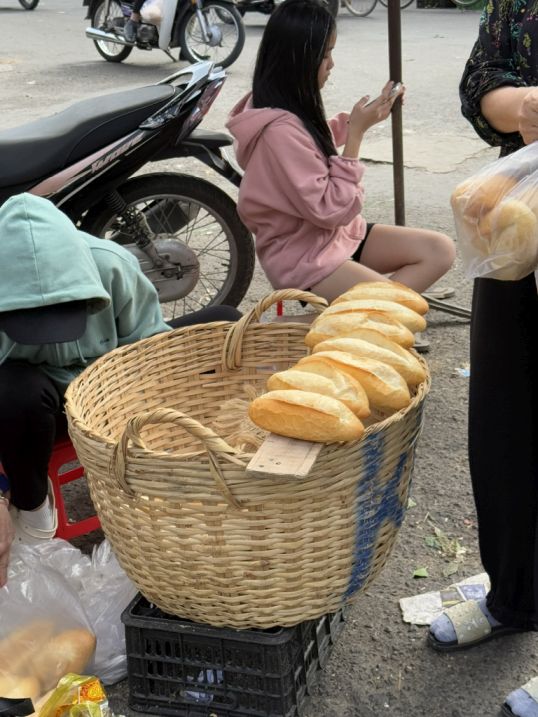 |
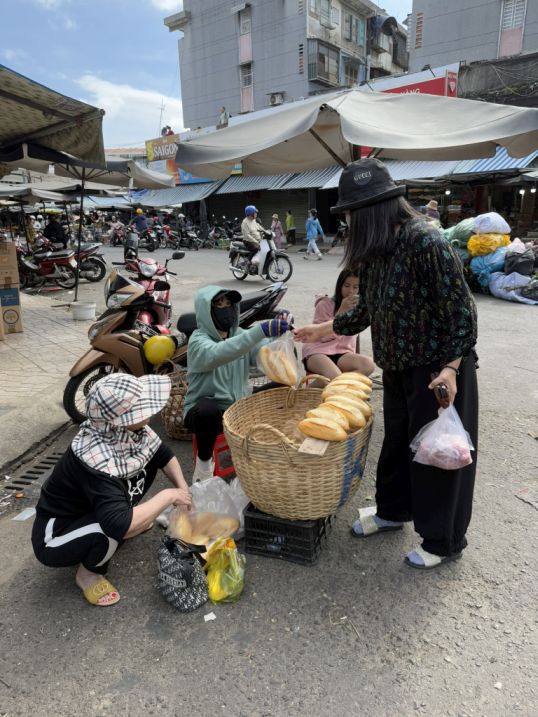
A little farther along, we passed a woman selling fresh baguettes from a traditional woven basket. A few golden loaves were neatly displayed on top while the rest were tucked inside, ready for customers to grab on the go
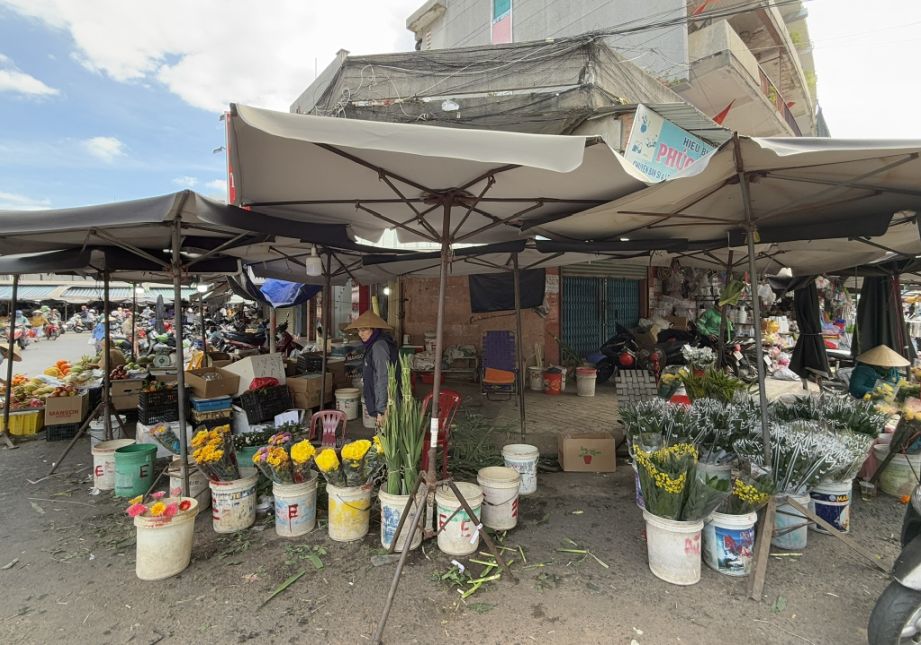
It is almost the end of the day and it loosk like the florist sold a lot of flowers.
 |
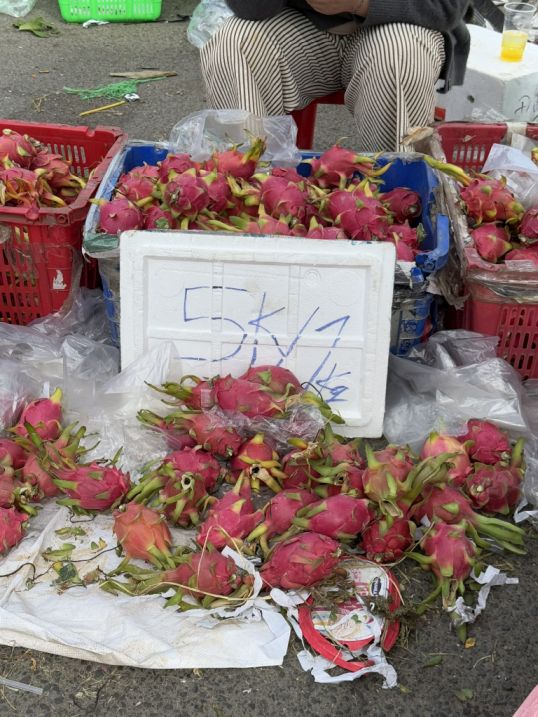 |
Just around the corner another vendor had hundreds of vibrant pink dragon fruits spread across plastic sheets on the ground, with even more piled high in large baskets. Everywhere we looked, there was another scene that captured the energy and everyday charm of Nha Trang.
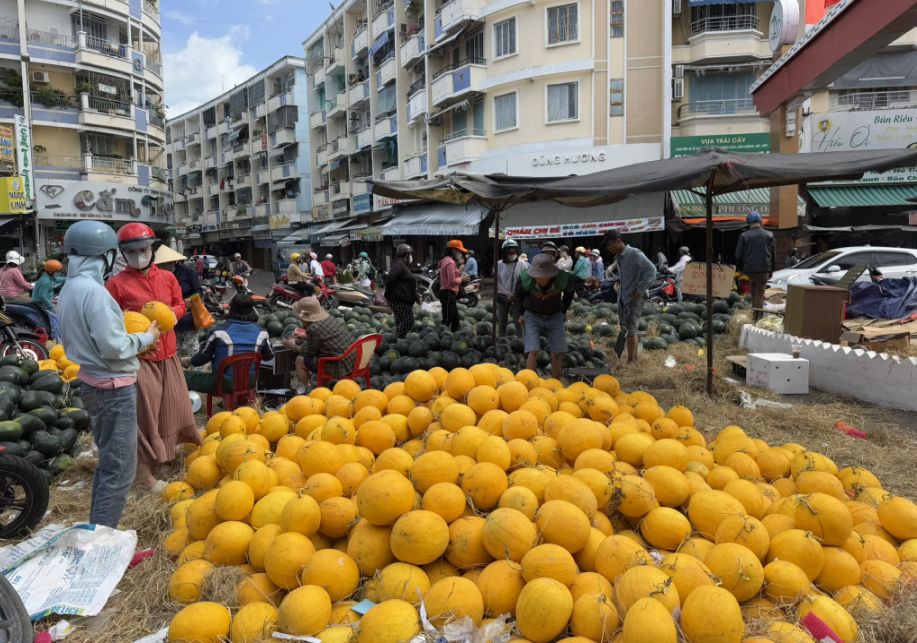
Huge pile of yellow melons.
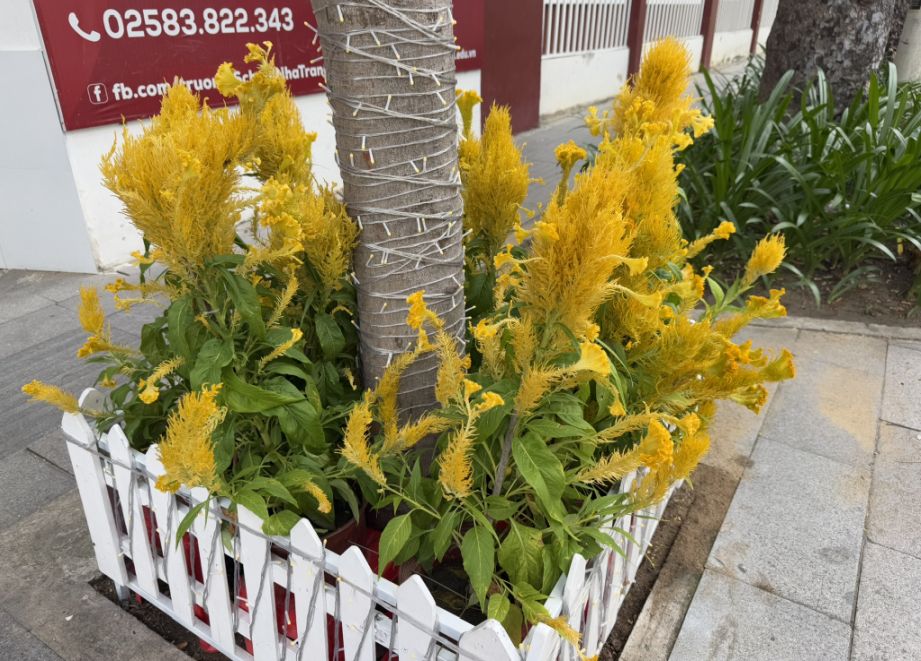
Colorful plants along the walkway.

Cong Caphe
The following evening, we found ourselves once

After wandering through the bustling streets around Cho Đam, we stumbled upon Cong Cà Phê on Nguyun Chánh.
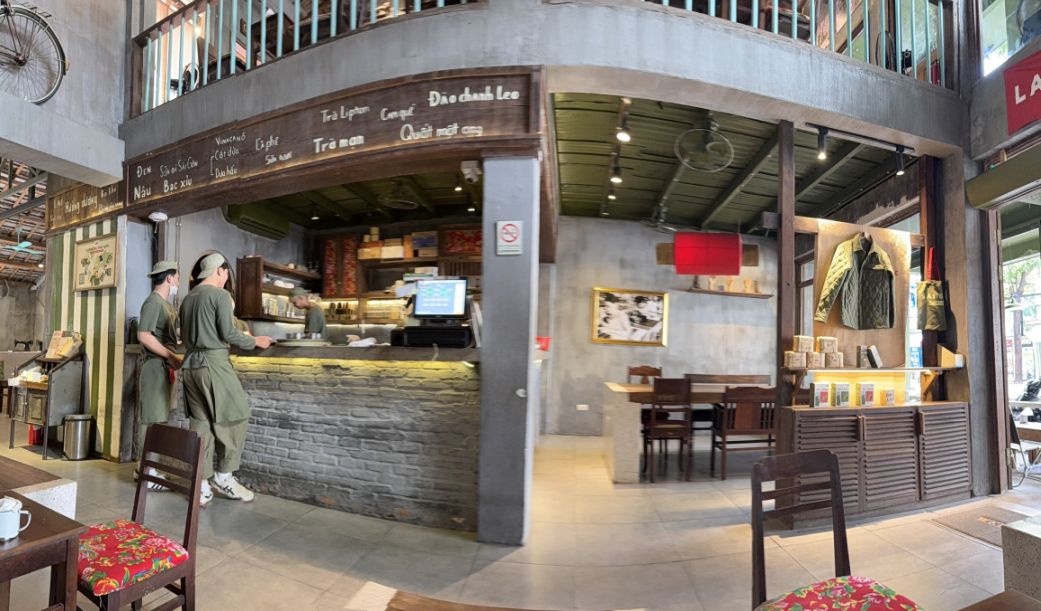
It was the perfect place to escape the slow down for a while.

The interior was unlike a typical café. Cộng Cà Phê is known for its nostalgic design, inspired by Vietnam in the 1970s and 1980s.

Vintage furniture, old enamel mugs, faded propaganda-style posters, military-green colors, and retro decorations gave the space a cozy, lived-in feel. It felt less like a coffee shop and more like stepping into a different era. Sitting there with our coffees, watching the city go by outside, was the perfect break before continuing our walk through Nha Trang.
 |
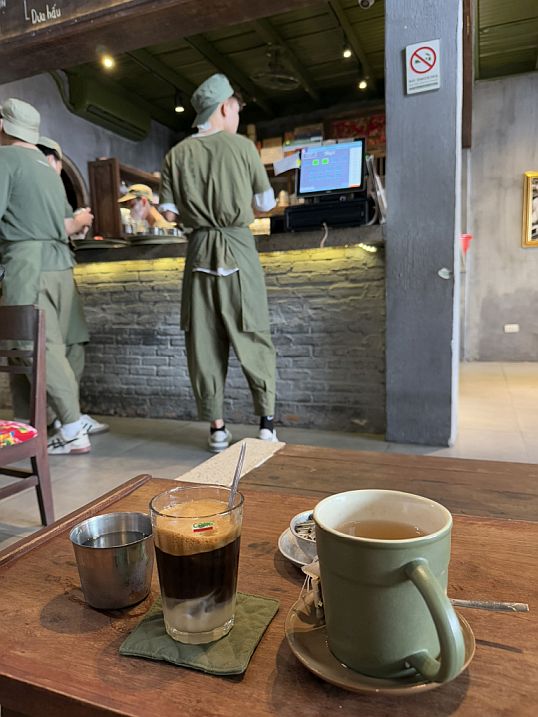 |
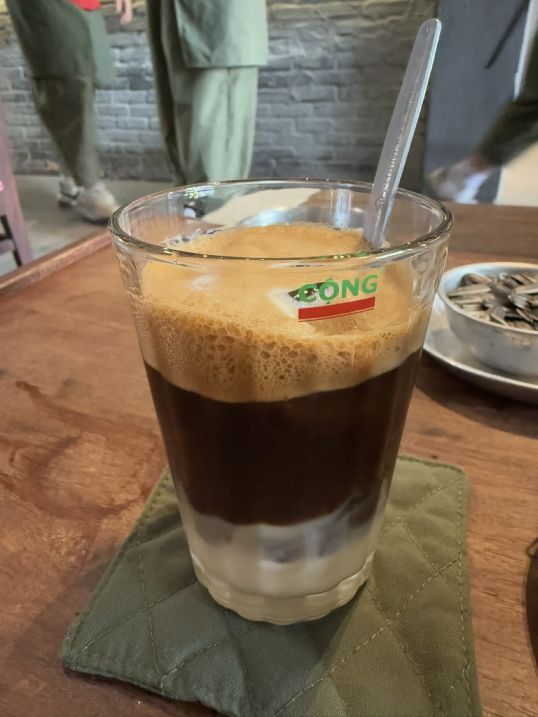
We ordered a cà phê sua đá and an iced coffee, then settled in to soak up the atmosphere.
 |
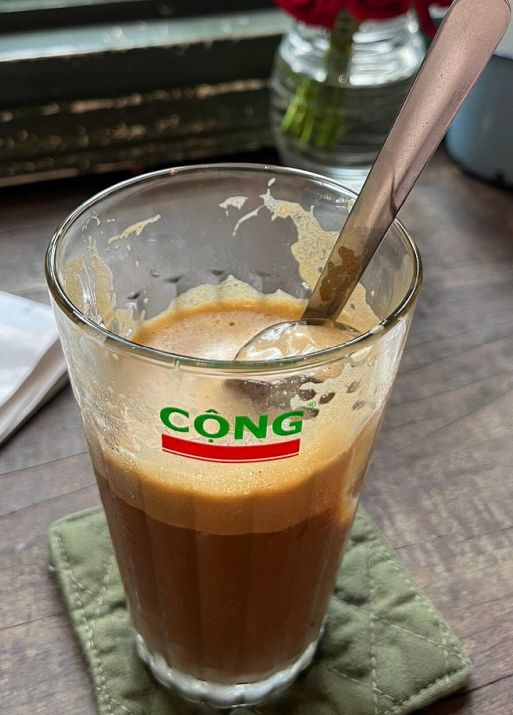 |
Cafe sua da was very good.
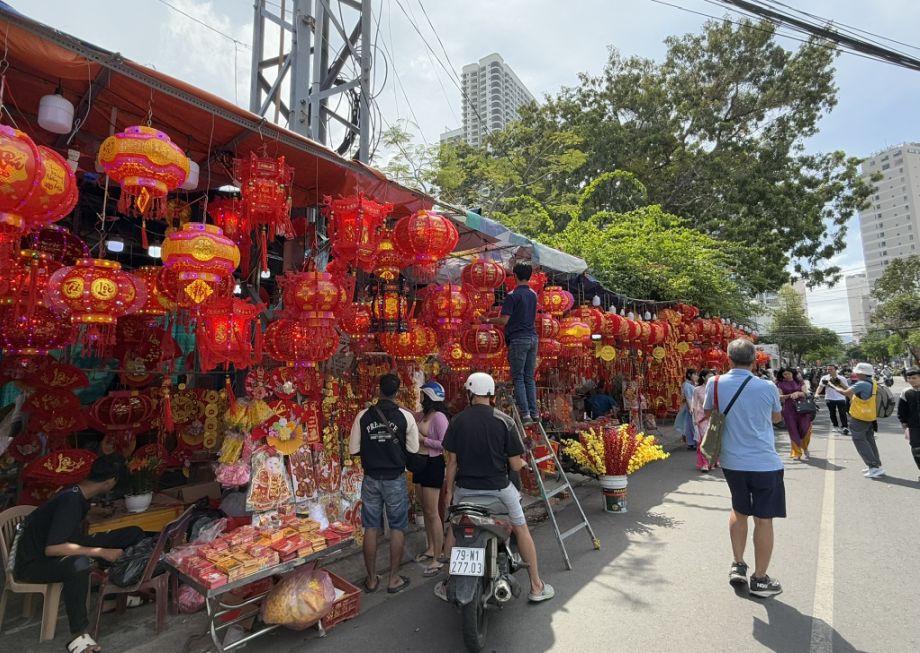
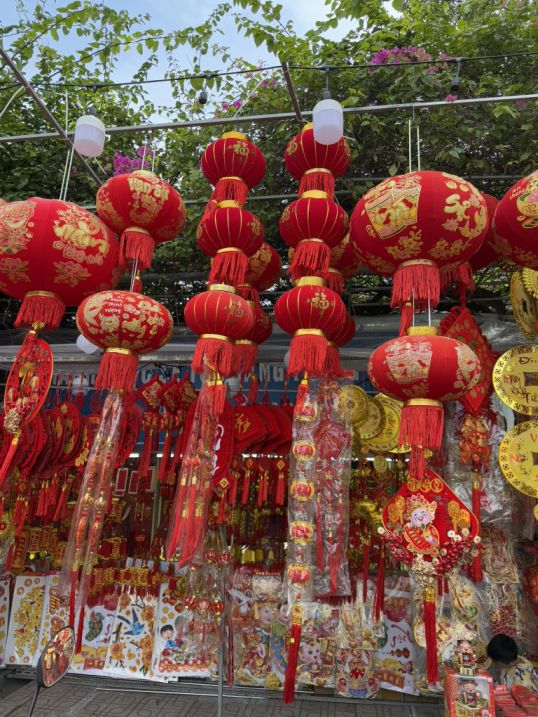
After our coffee break, we continued along Hien Thành Street, where the excitement for Tet was even more apparent. Shop after shop displayed colorful decorations, with brilliant red lanterns hanging overhead and strings of round ornaments and lucky charms filling the storefronts.

Everywhere we looked, there were splashes of red and gold, the traditional colors believed to bring happiness, prosperity, and good fortune in the new year.
 |
 |
It is so festive walking in this area.

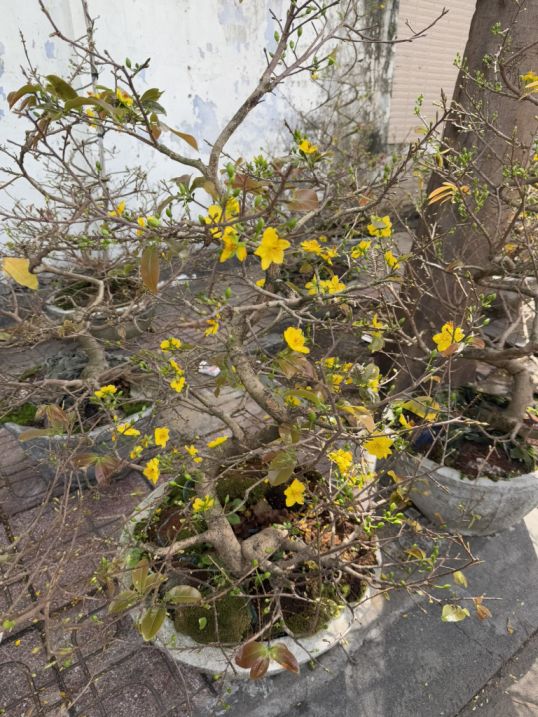
Along the sidewalks, rows of potted hoa mai (yellow apricot blossoms) were lined up for sale. T
 |
 |
Their bright yellow flowers are one of the most recognizable symbols of Tet in southern Vietnam, representing prosperity, good luck, and new beginnings. Seeing so many of them waiting to be taken home reminded us that the Lunar New Year was just around the corner, and the whole city was preparing for the celebration.
NEXT... Day 3-Lunch and Beach