9 days in Japan- 6/23- 7/1/2024
Day 1-Dinner at Echigo Banya Sakaba, Niigata-6/23/2024
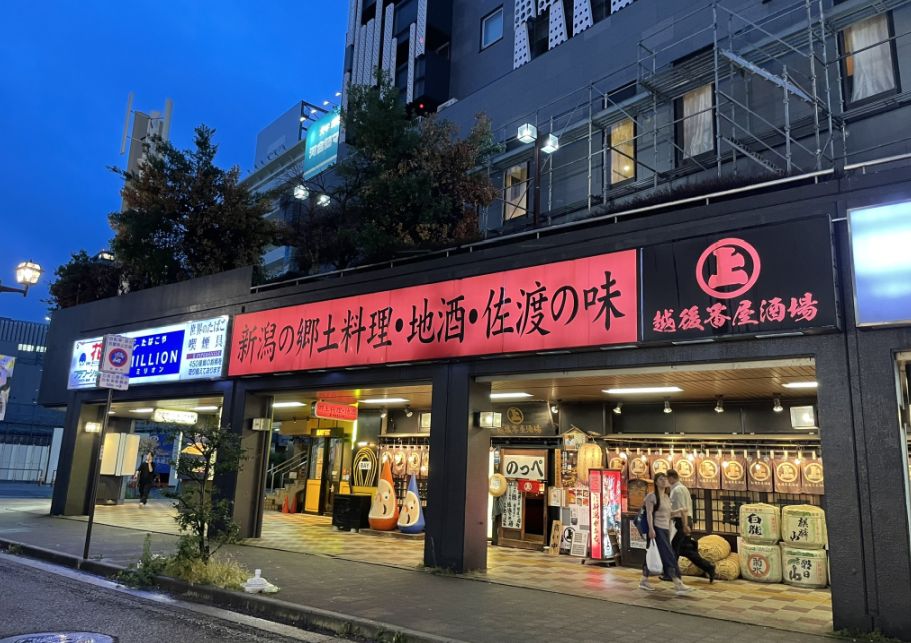
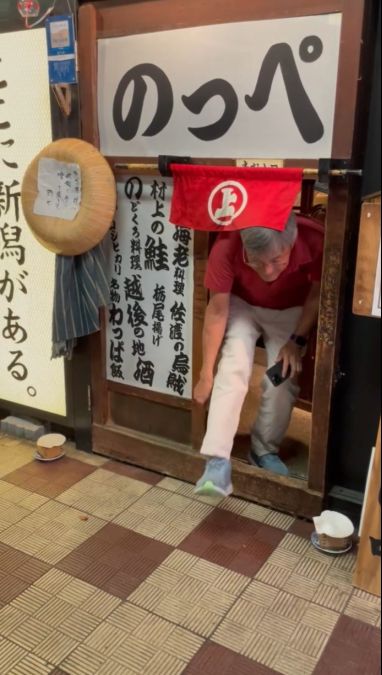
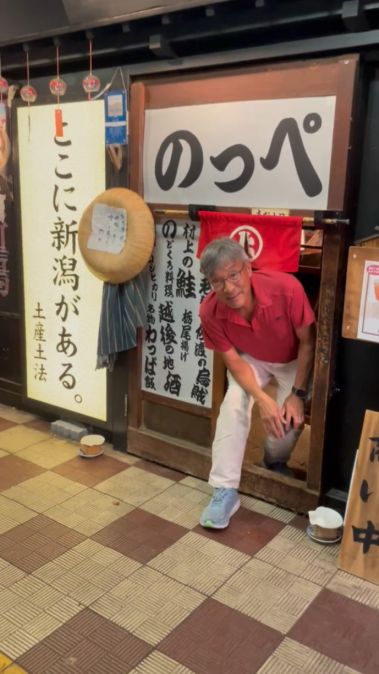
In the evening, we headed into downtown Niigata for dinner at Echigo Banya Sakaba, a small local spot tucked near a 7-Eleven. If you didn’t know what you were looking for, you could easily walk past it.
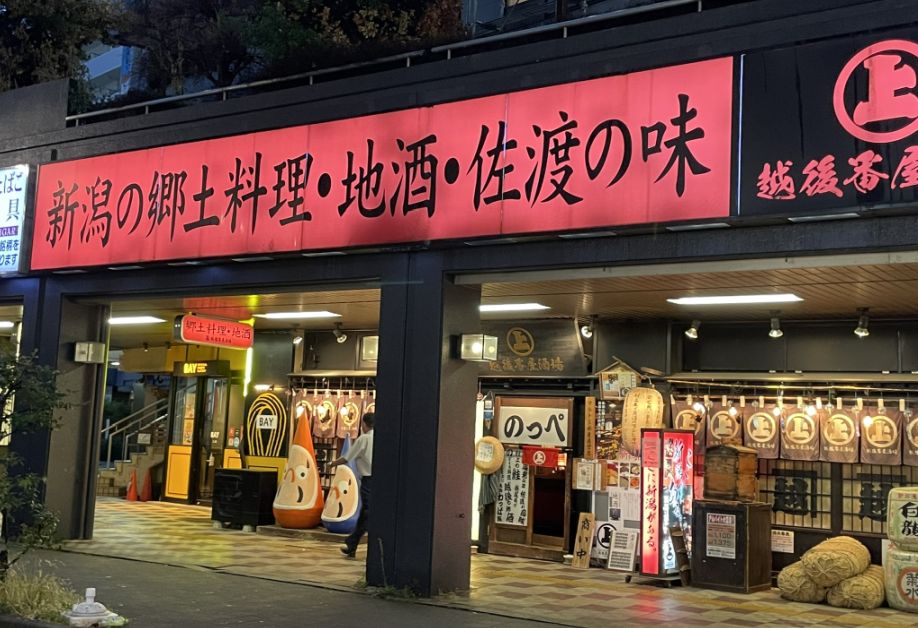
All the signs are in Japanese, so it is a bit challenging to find the restaurant.
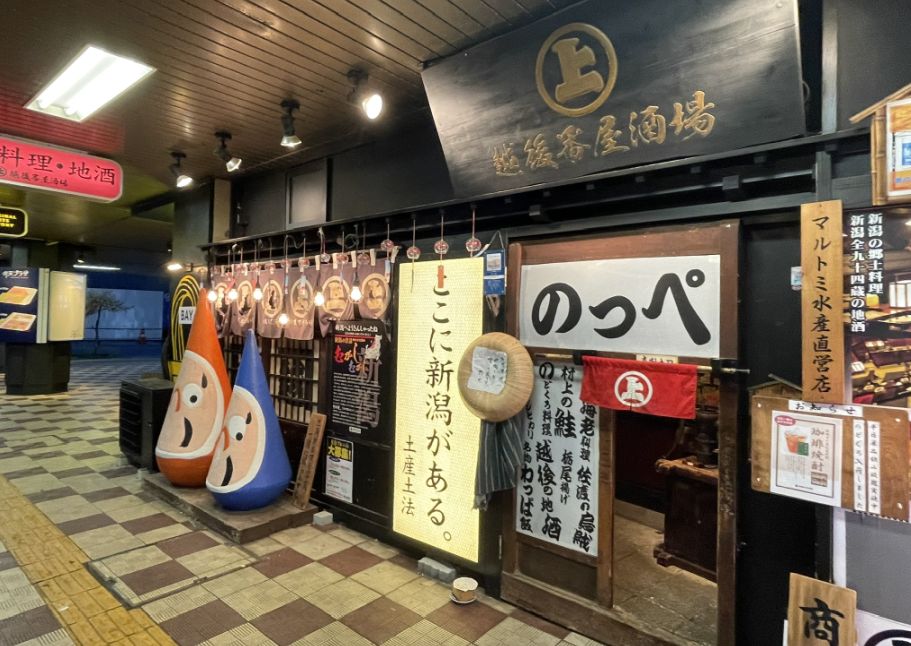
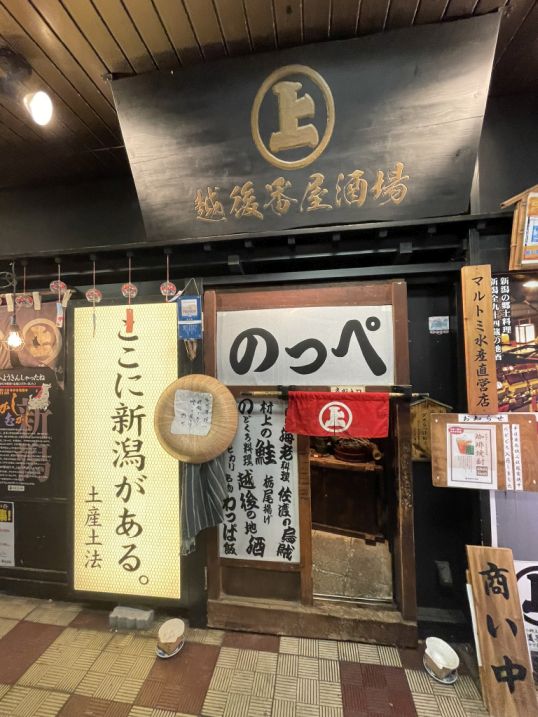
Finding that entrance is half the fun! Echigo Banya Sakaba, a highly-regarded izakaya (Japanese-style tavern) that is famous among locals and adventurous travelers for its "hidden" feel and traditional Niigata atmosphere.
 |
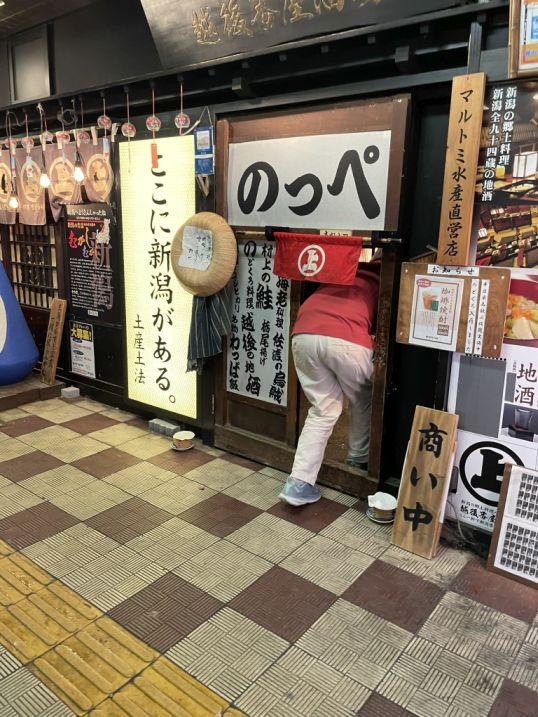 |
The tiny door we had to really bend down is a traditional architectural feature called a nijiriguchi. This "crawling-in entrance" was originally designed for Japanese teahouses to signify that everyone, regardless of their social status or whether they were a samurai or a commoner entered the space as equals.
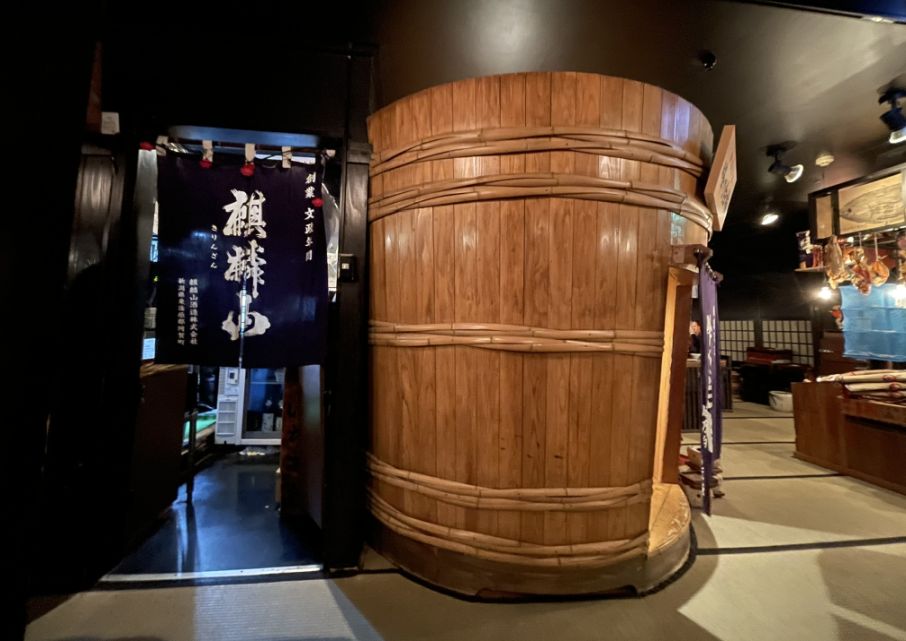
Inside, the space opens up into a warm, wood-filled interior that feels like an old Japanese farmhouse or a fisherman’s hut.
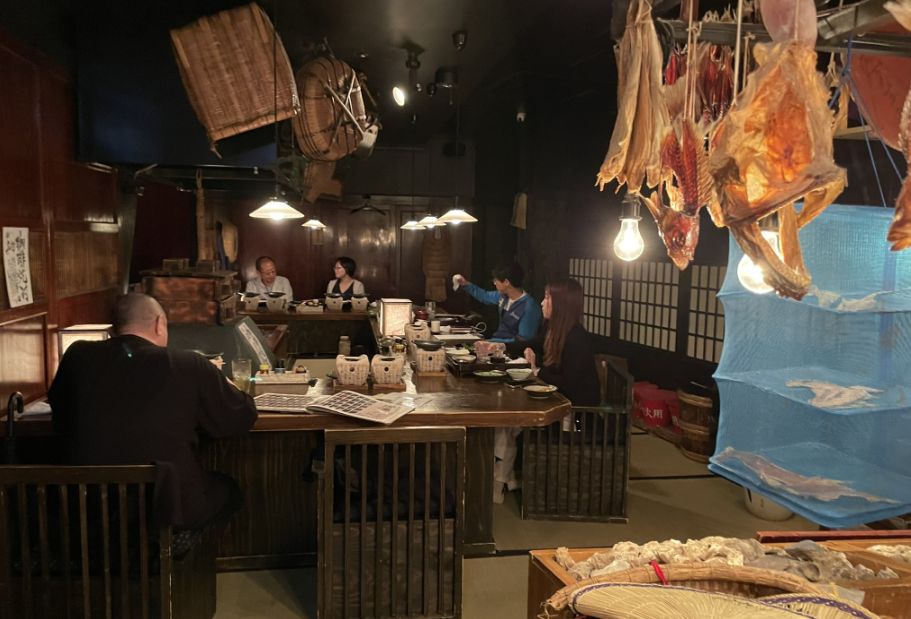
In the center of the room is a large bar but we were lead to a private room.
 |
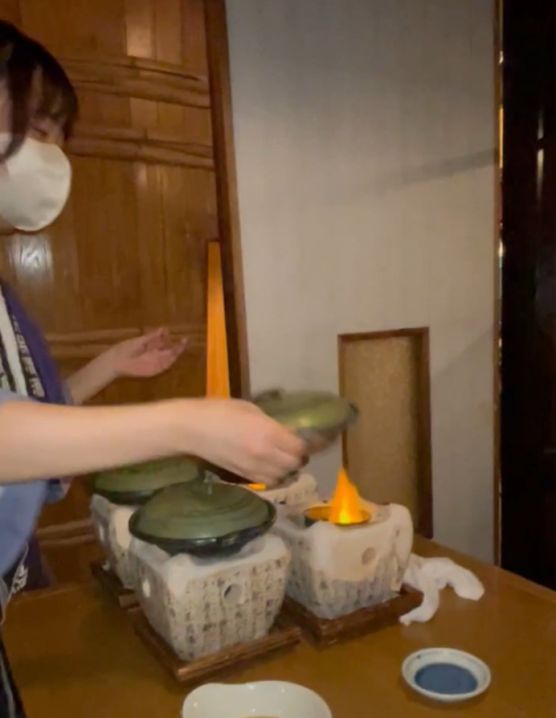 |
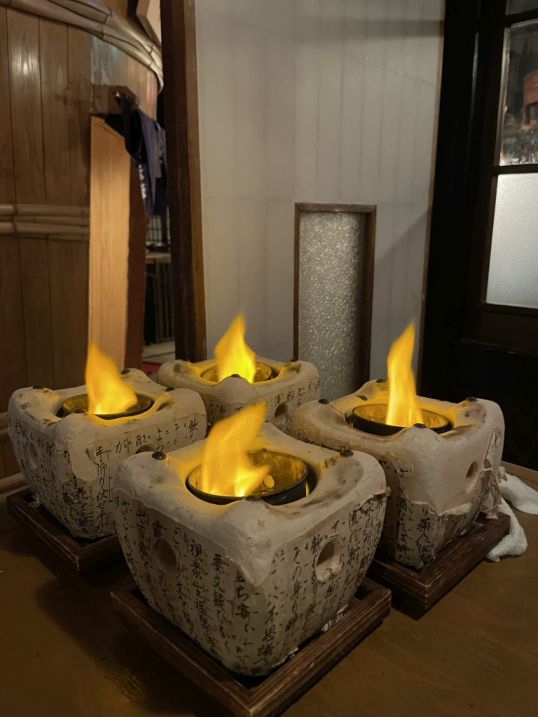
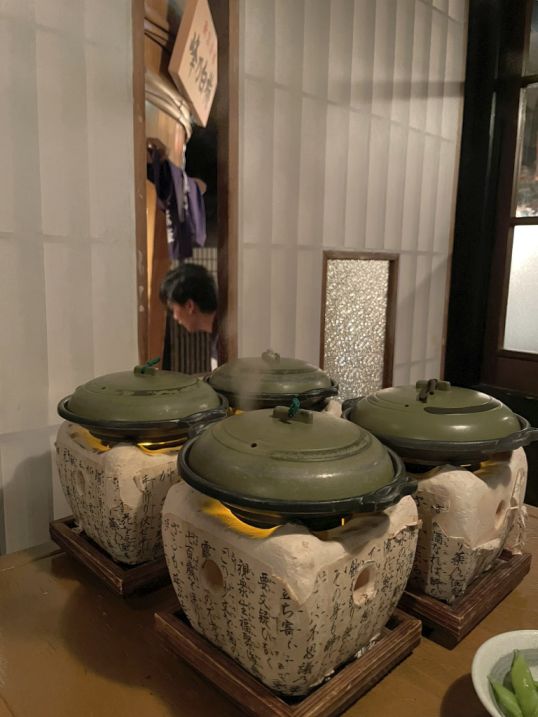
It was really difficult to communicate but our waitress told us to start with the clay pots then she lit the fire to begin a precise, time-sensitive cooking process right at our table.
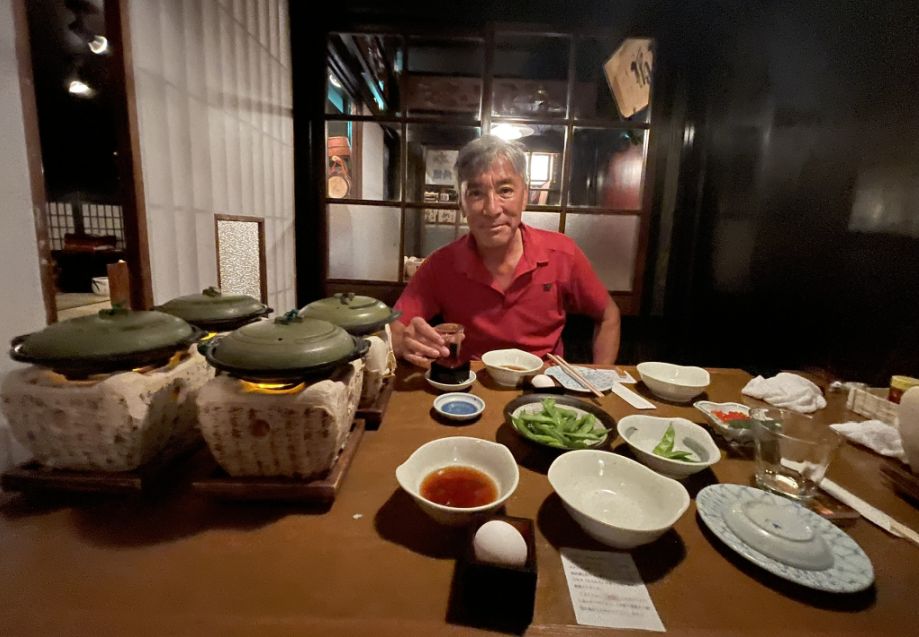
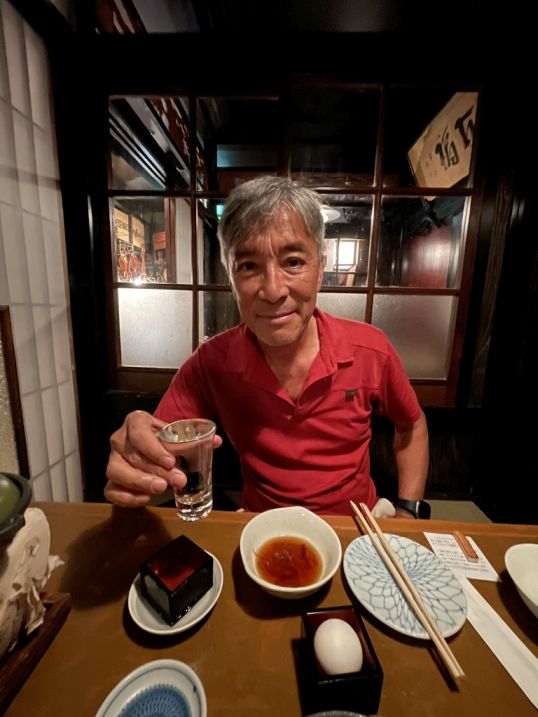
Starting the meal with sake and enamane.
 |
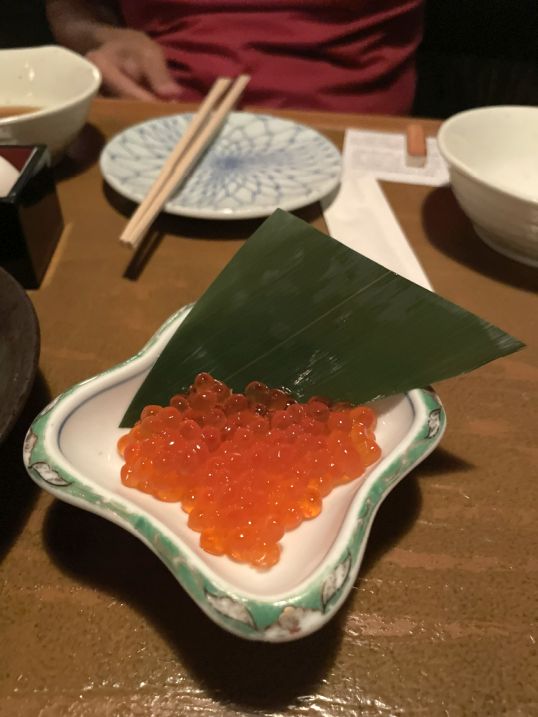 |
Sake and Ikura to start.
 |
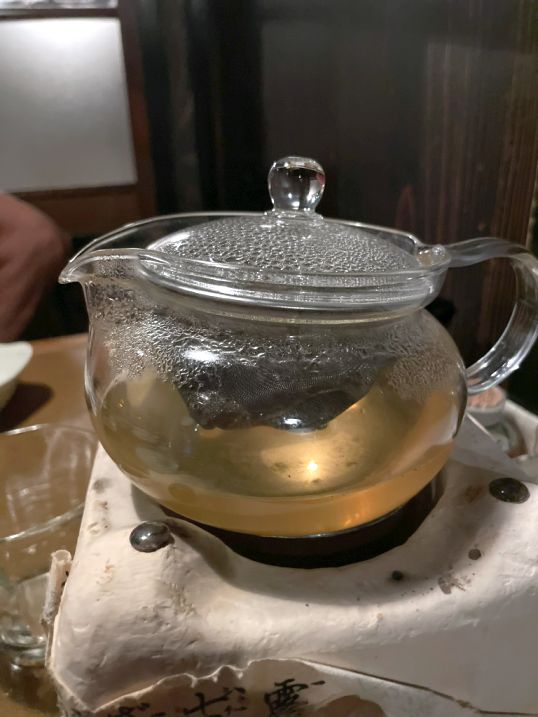 |
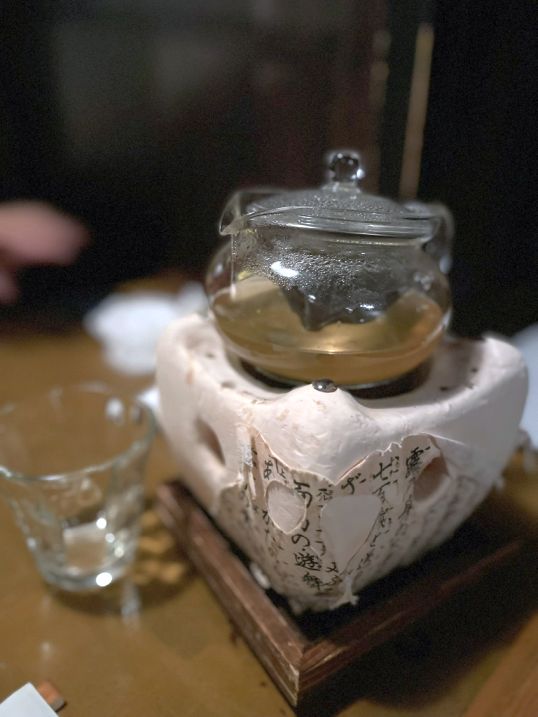
I ordered hot tea and this is what I got.
 |
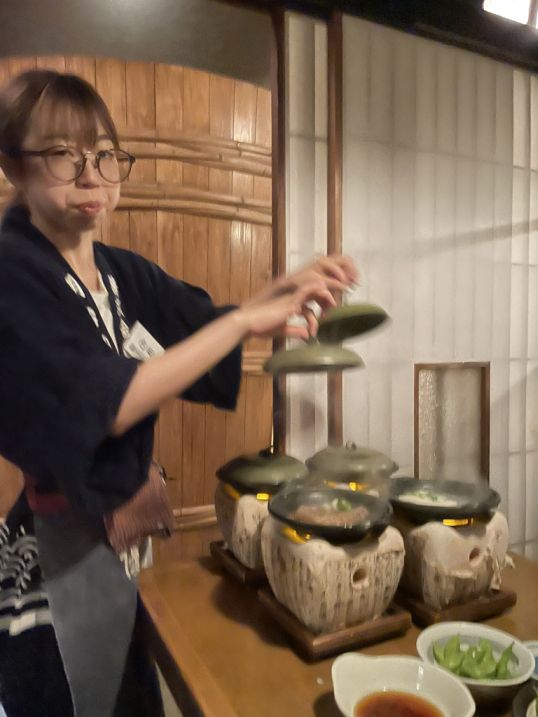 |
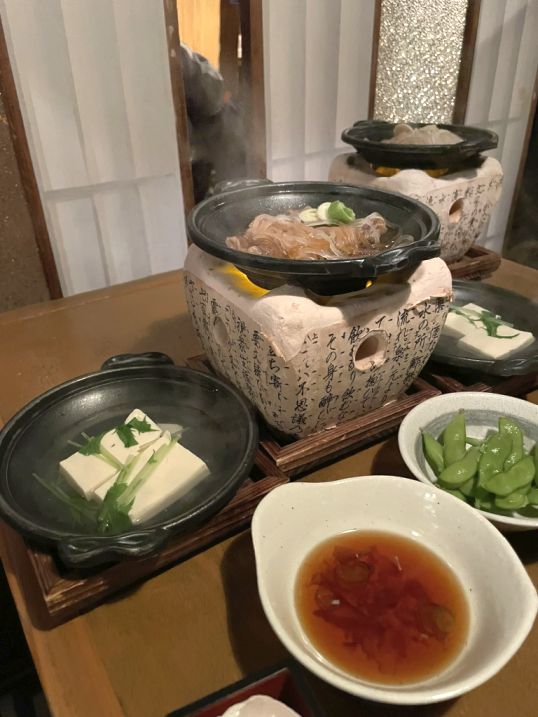
Once all the food is cooked, our waitress lifted the lid of each clay pot.
 |
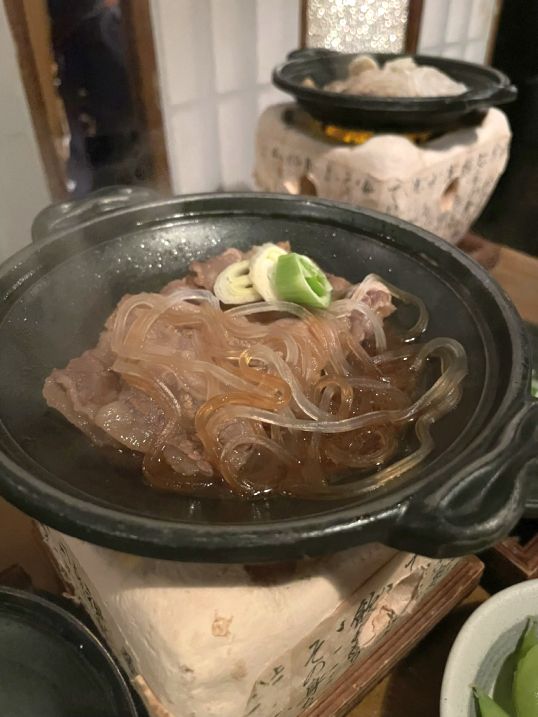 |
Inside the earthen pot we each got a soft tofu with some greens, and the on the second pot with got glass noodle with Murakami beef which is the local premium wagyu known for being incredibly tender. The beef was cooked in a Warishita which is a rich blend of soy sauce, sugar, and mirin (sweet rice wine). Since Niigata is a top producer of both soy sauce and sake, the sauce there is often deeper and more complex than elsewhere in Japan.
 |
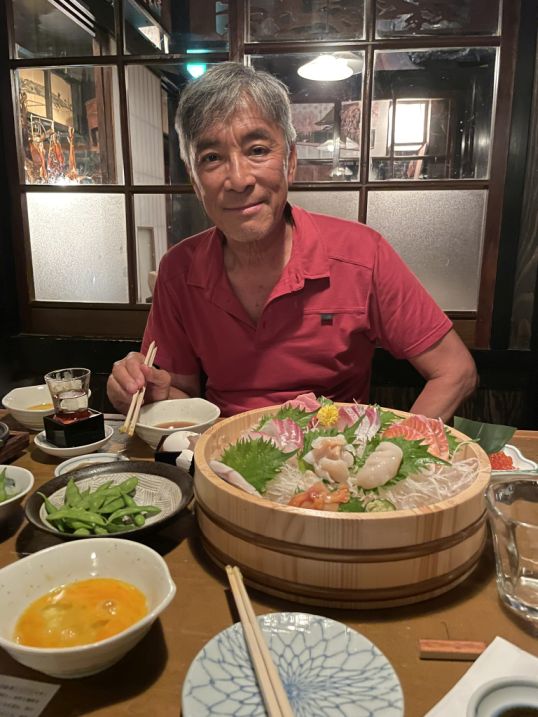 |
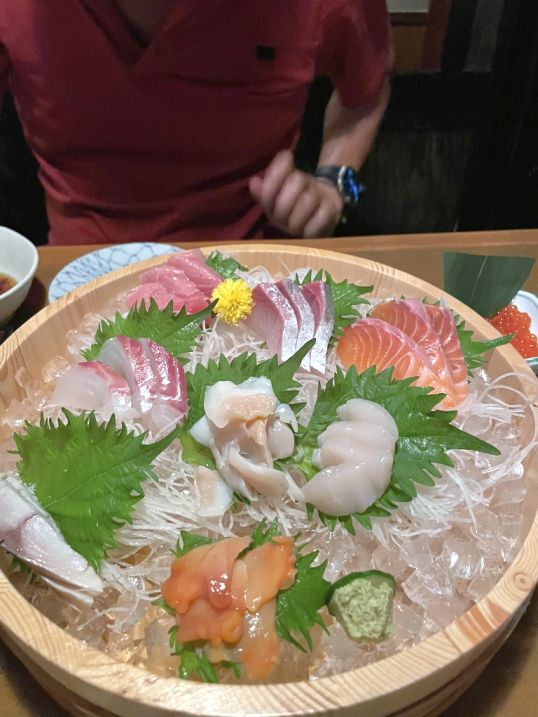
We ordered a variety of Sashimi and because Niigata sits right on the Sea of Japan, the sashimi there is often considered the freshest in the country.
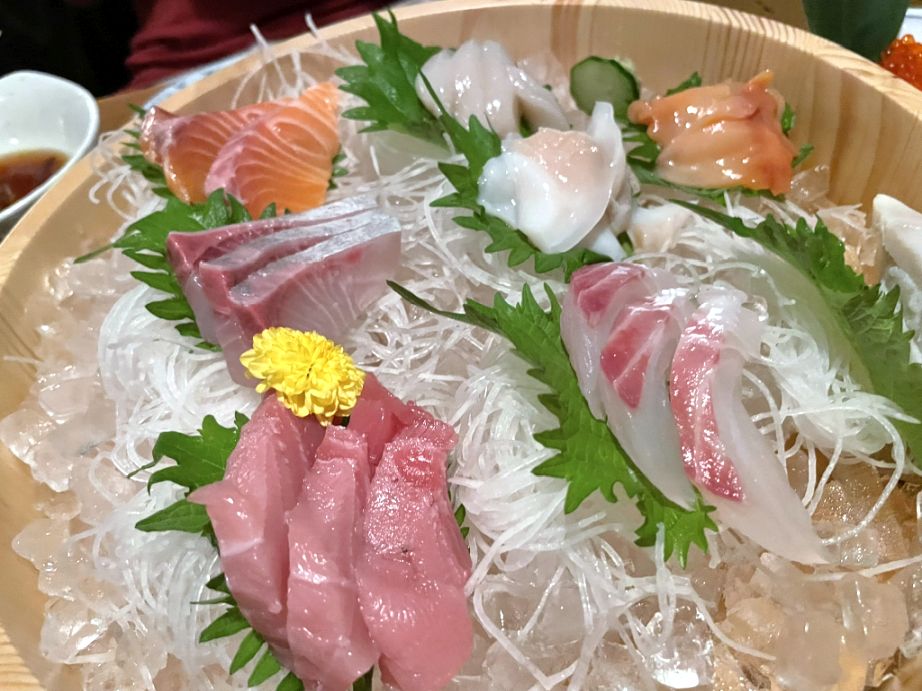
The sashimi was served in a wooden box and the display was beautiful. We got 7 different type of fish: Salmon, Shiromi, Clams, tako, Hamachi, Toro, etc.
They use Shiso leaves (the bright green jagged ones), shredded Daikon radish (the white "nest"), and edible flowers to make the colors of the fish "pop.
 |
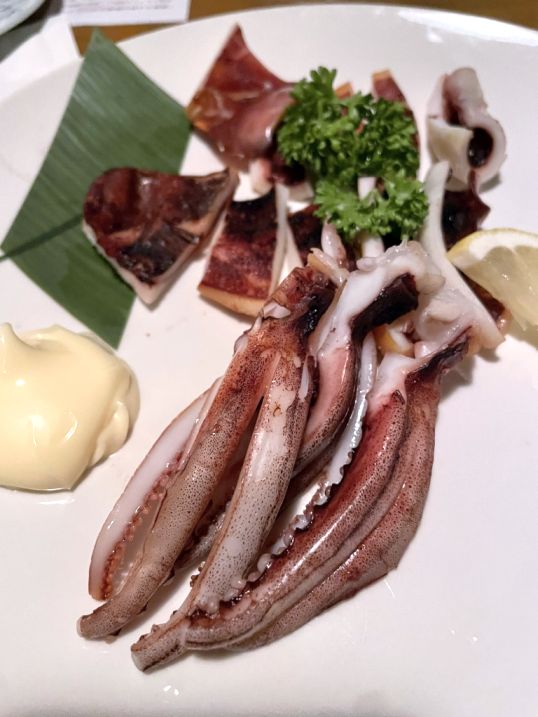 |
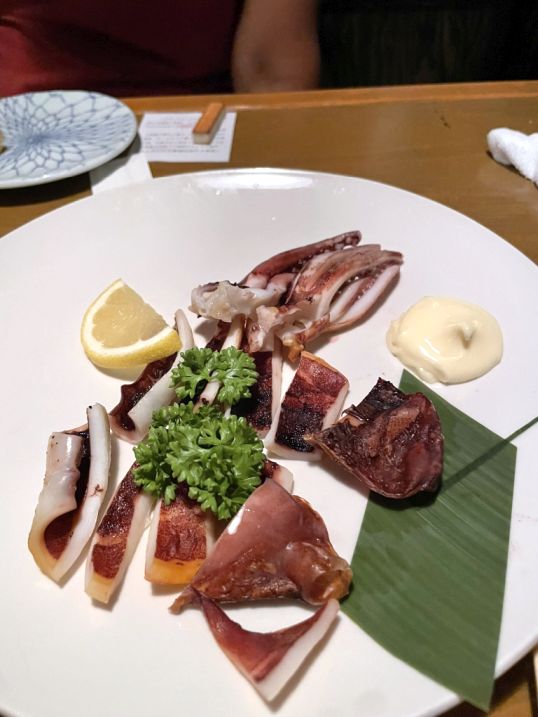
Grilled squid served with Kewpie mayonnaise and a squeeze of lemon is the "gold standard" in Japan. The creamy, slightly sweet mayo cuts through the smoky, charred flavor of the grilled squid perfectly.
 |
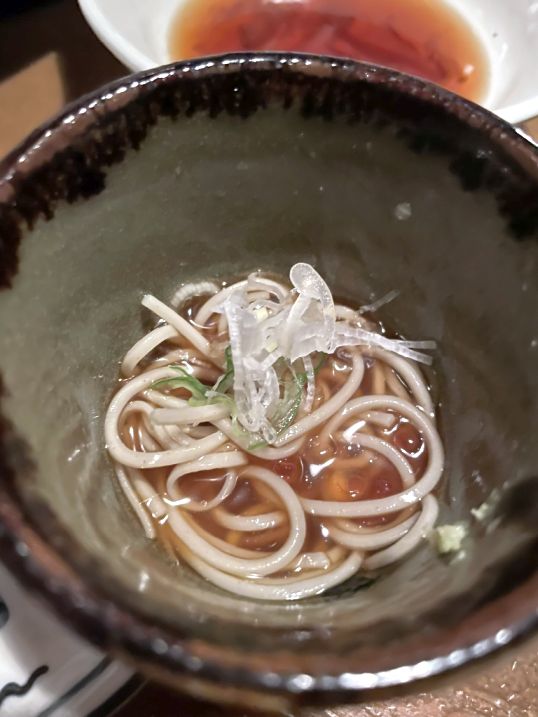 |
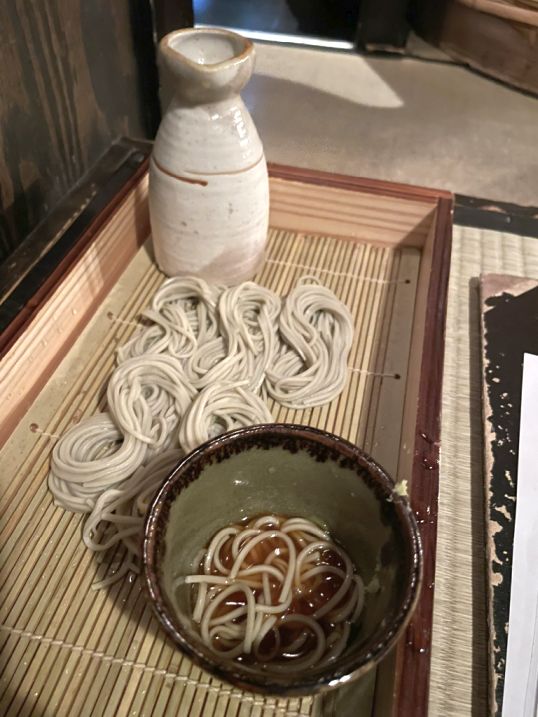
Cold Soba with Tsuyu sauce made from dashi, soy sauce, and mirin, and topped with thinly sliced onion and green onion. It was simply but so delicious!
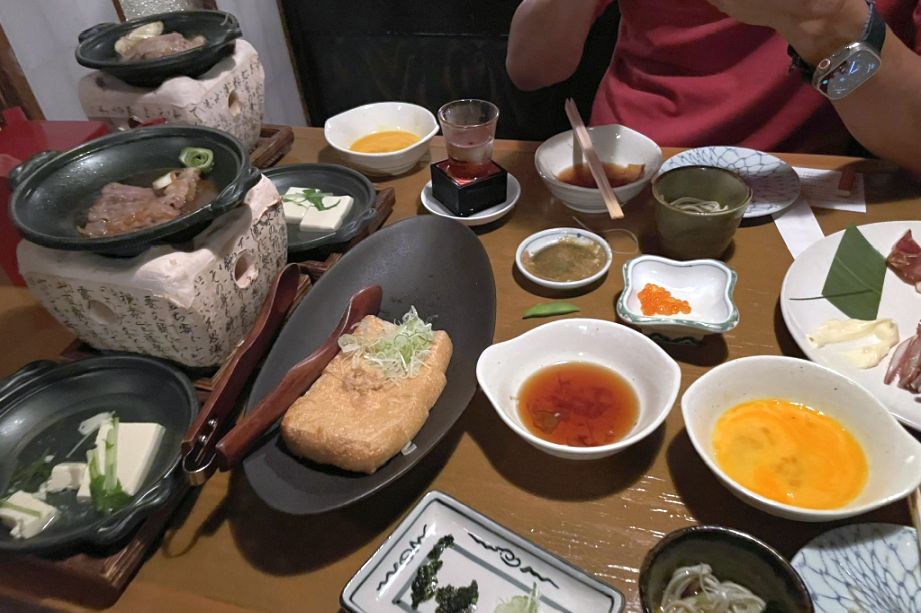
We also ordered a dish of fried tofu. The food is truly delicious and the seafood was very fresh.
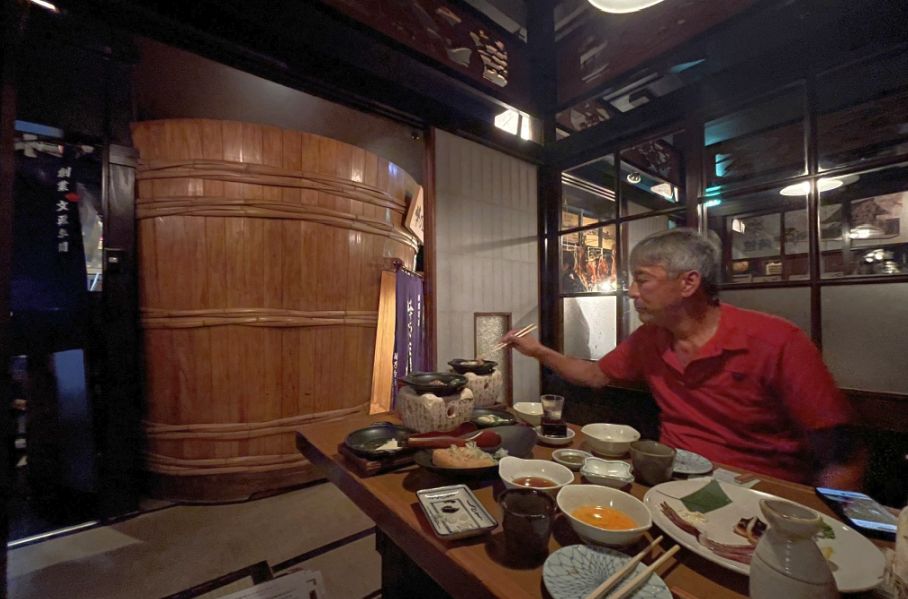
View of our private room.
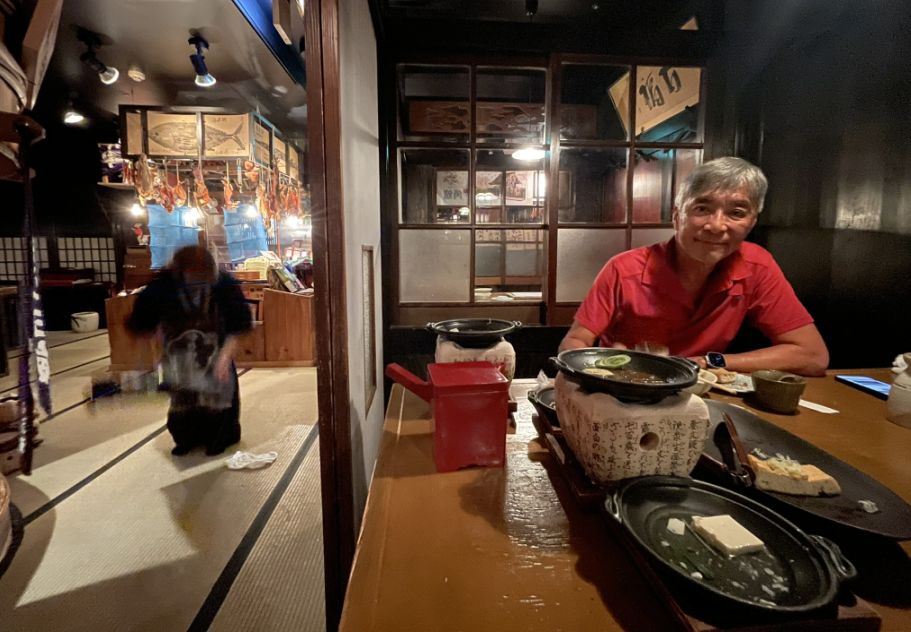
Here you can see the hallway that opened up to our private room.
 |
 |
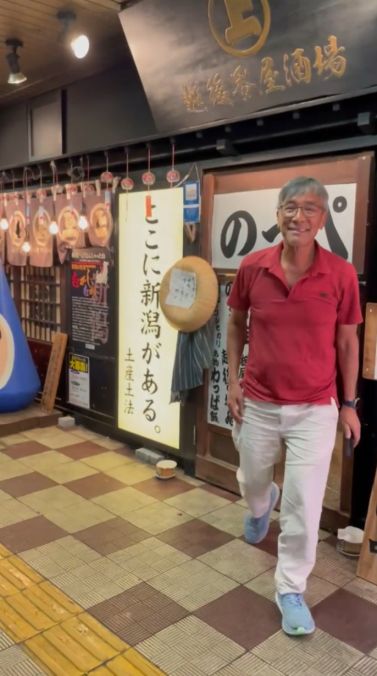 |
It was a lot of fun to step out of the restaurant.
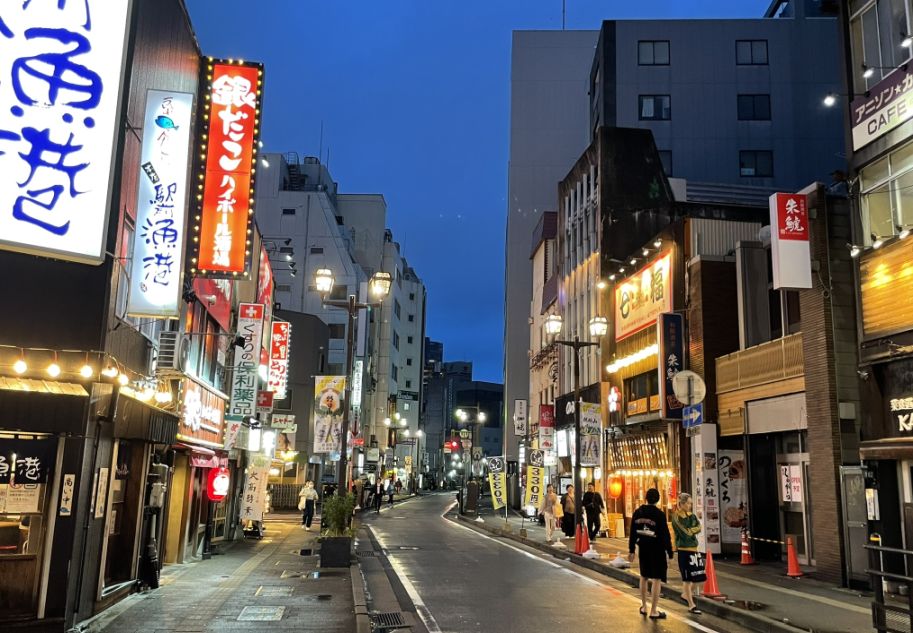
We are now walking back to our hotel and there is something magical about the contrast in Japanese cities like Niigata, the vibrant, glowing neon signs of the "entertainment districts" reflect off the pavement, yet the streets maintain a quiet, peaceful stillness.
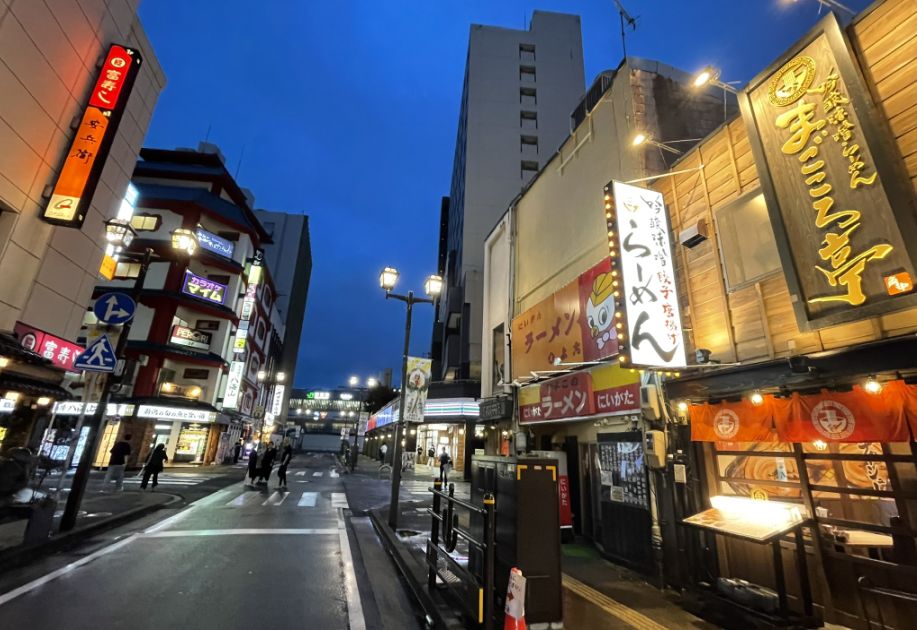
Walking through an almost empty downtown and feeling completely at ease is one of the most underrated joys of traveling in Japan.
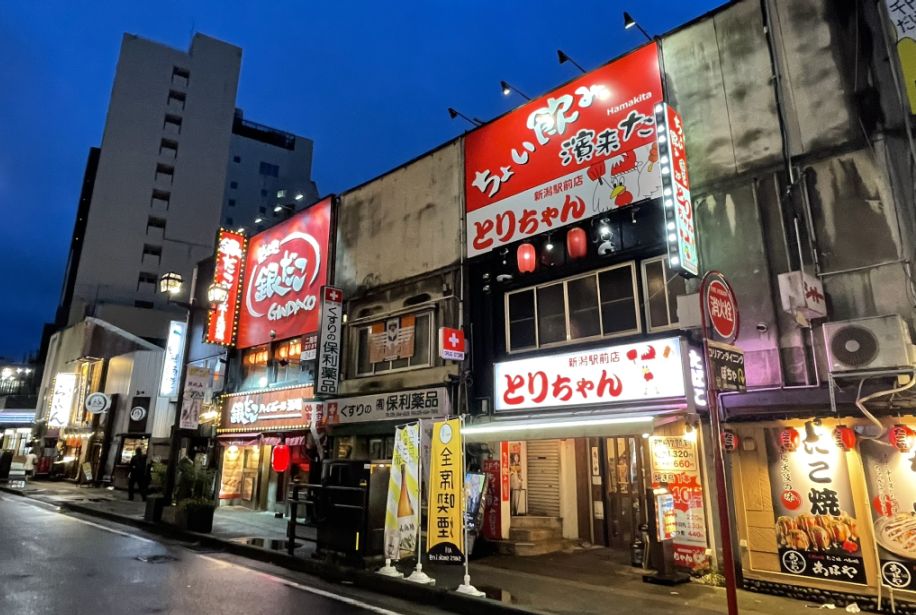
It allows us to truly take in the architecture and the cool night air without the usual crowds. It was a perfect, serene end to an evening that started with such an adventurous "hidden" meal.
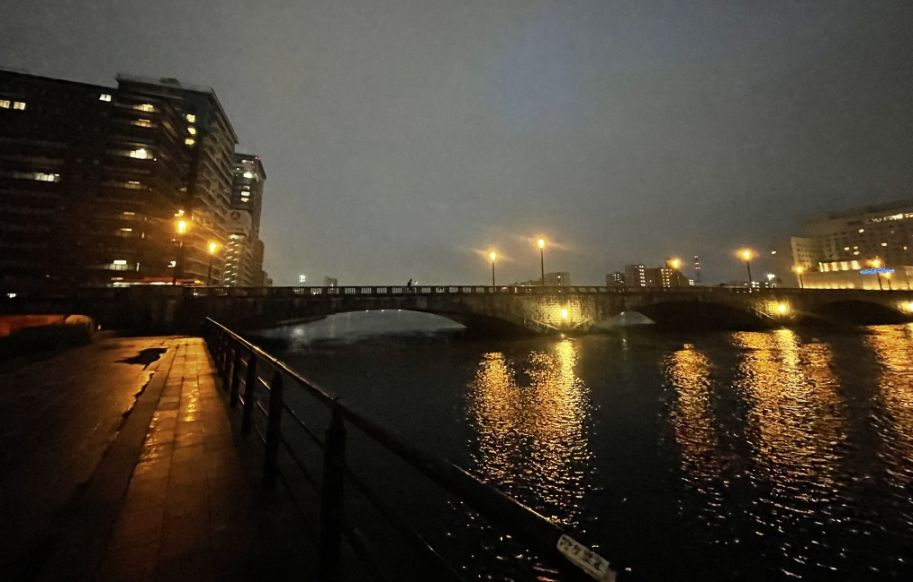
We are now walking along the Shinano River, a beautifully maintained riverside promenade that stretches along both banks of Japan's longest river.
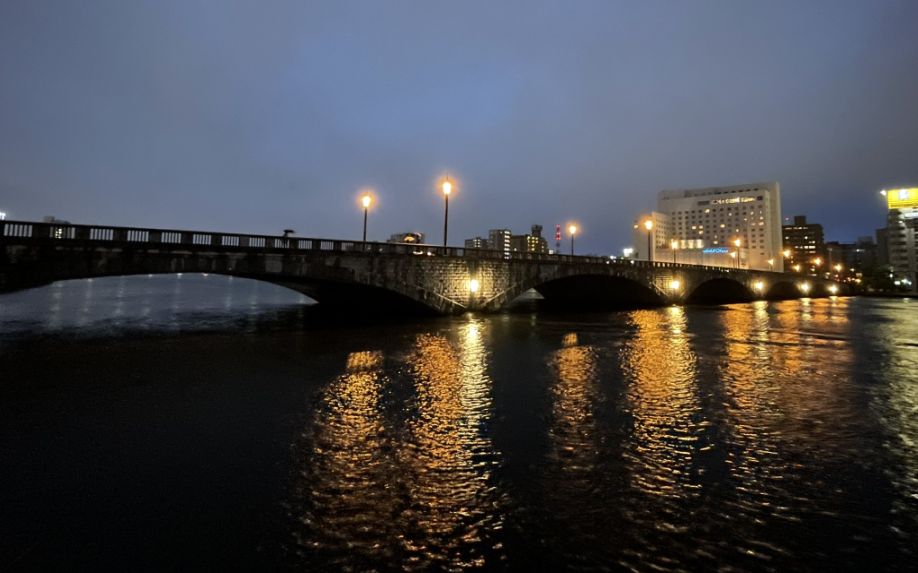
Ahead is the historic Bandai Bridge, a six-arched stone bridge that is a National Important Cultural Property. At night, its warm yellow lights reflect perfectly on the calm water of the Shinano.
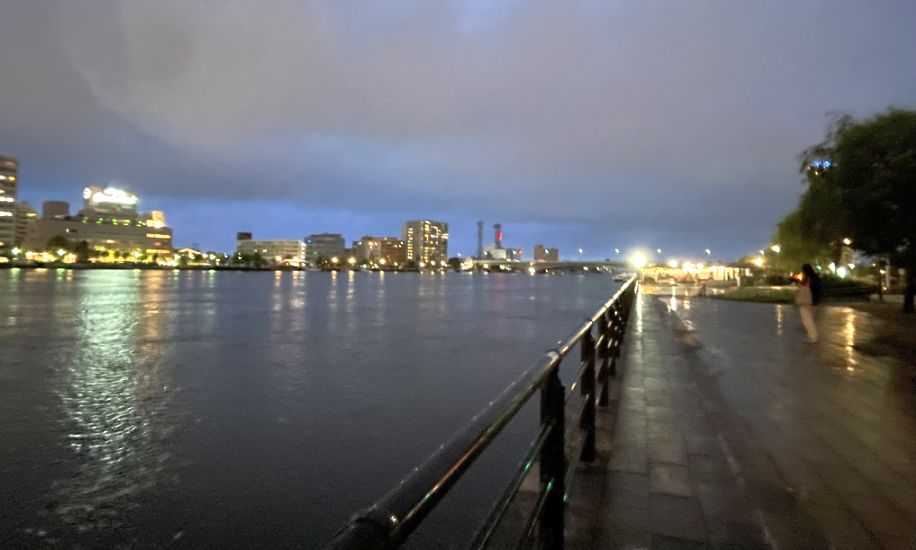
Riverside promenade at night.
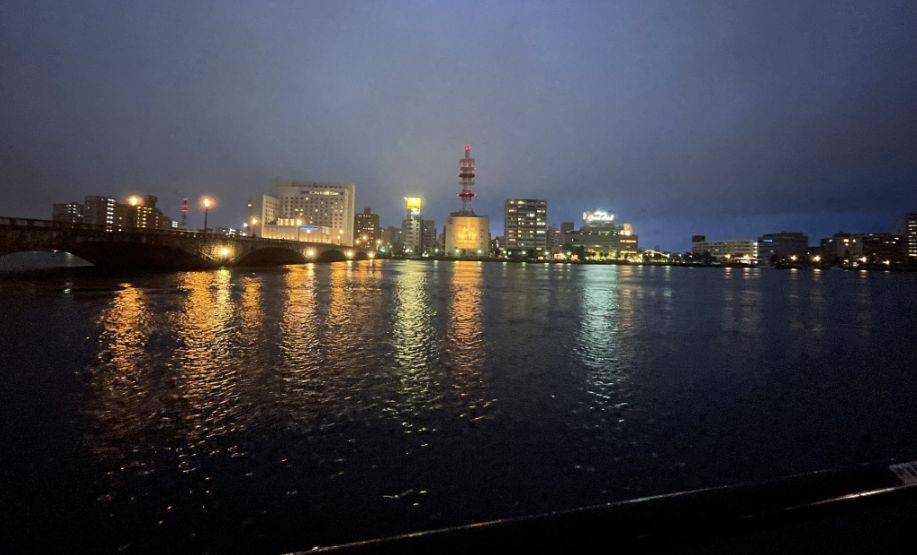
So beautiful at night with the lights reflecting on the water.
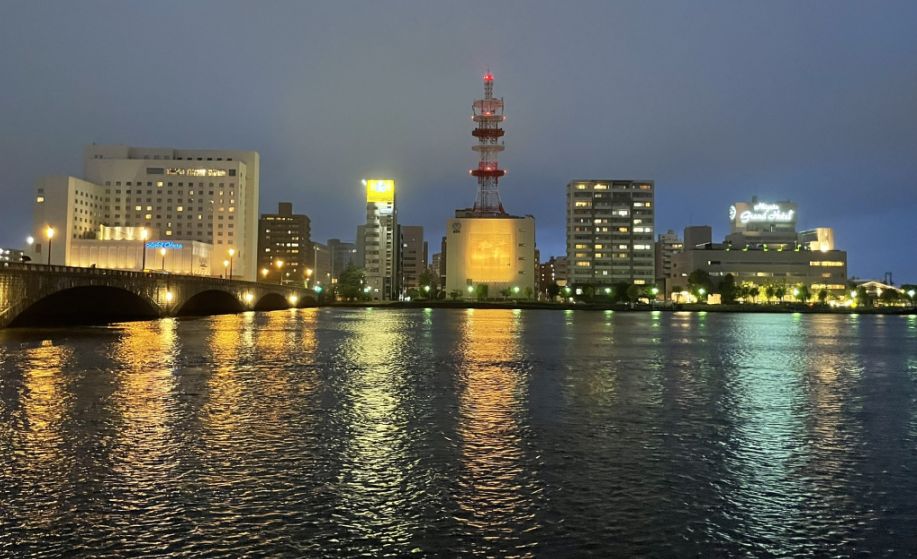
In the center the red metal structure is a microwave relay tower sitting on top of the NTT DoCoMo Niigata Building. The red light is for aviation safety, but because it sits on such a distinct, thin metal spire, it often looks like a "beacon" or a glowing red star hovering over the concrete building below.
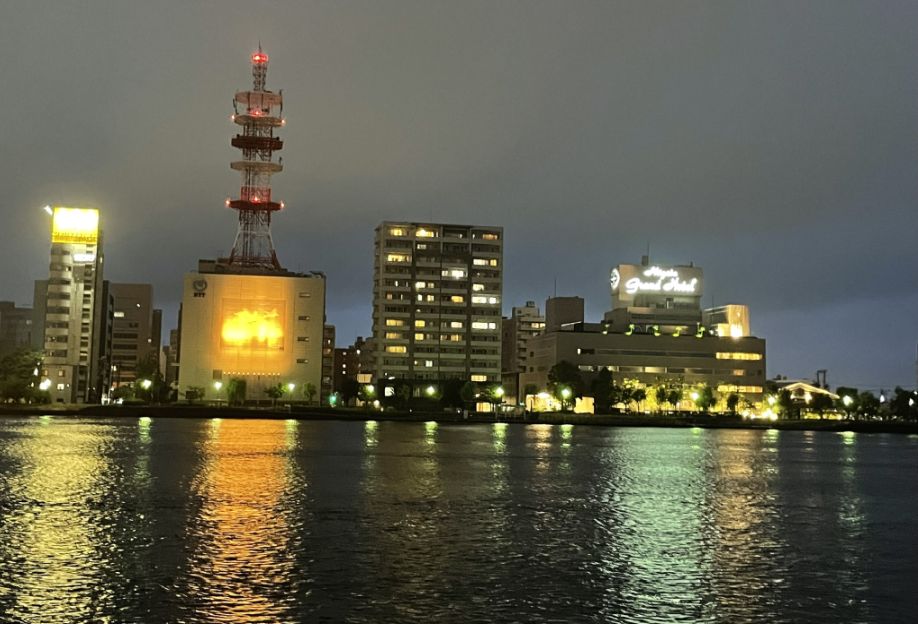
The tower sits on is the main exchange building for NTT (Japan's largest telecommunications company). In Japan, these utility buildings are often built to be incredibly sturdy and "fortress-like" to withstand earthquakes.
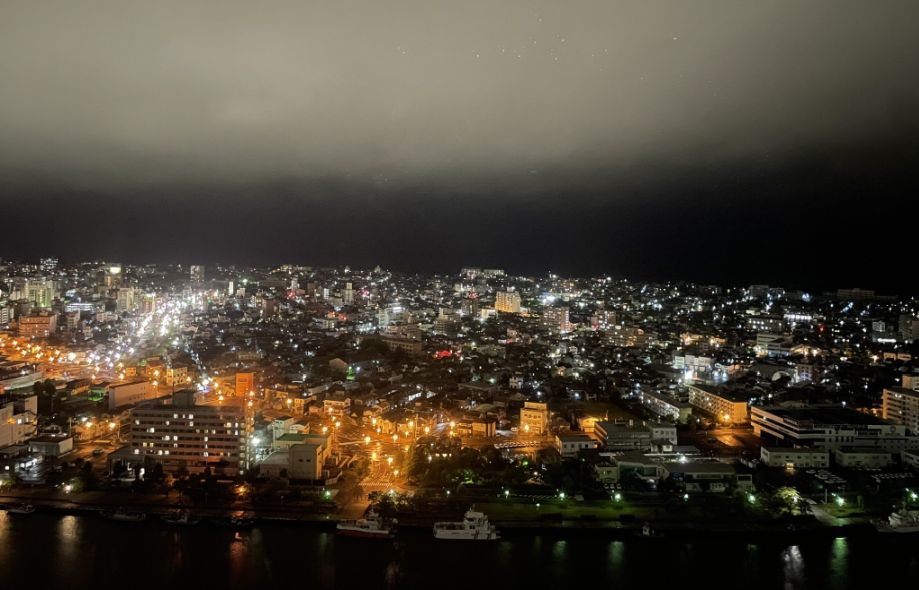
We are now in our room on the 25th floor looking down at the city belo9w.
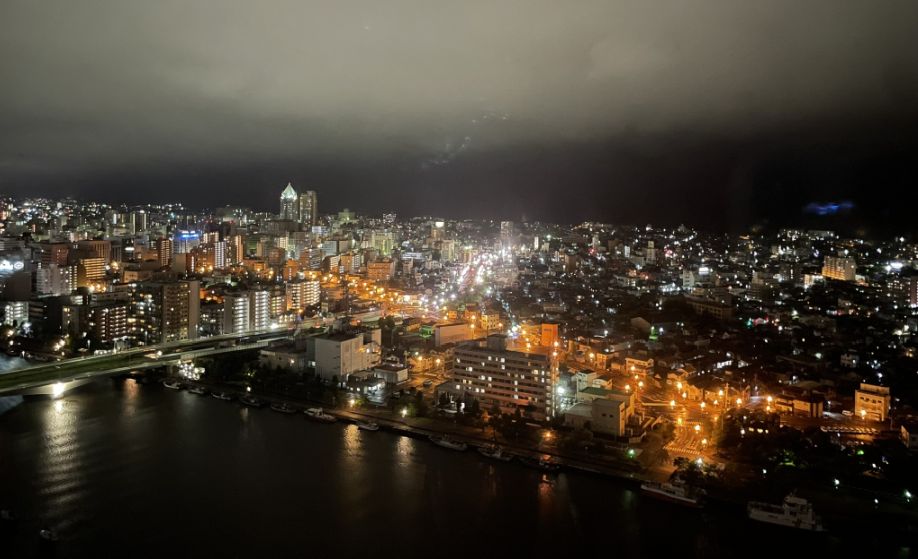
At this height, the view is a sea of twinkling white, amber, and neon lights. On the left is the Bandai bridge looks like glowing golden thread draped across the dark ribbon of the river.
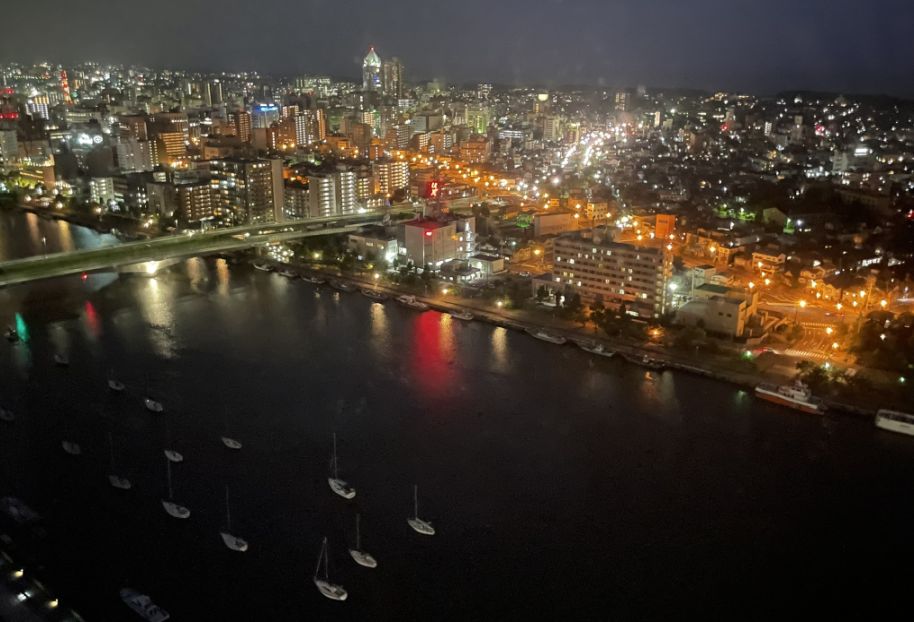
The scenery is really amazing at night with the lights illuminating the city
and the harbor next to it.
a
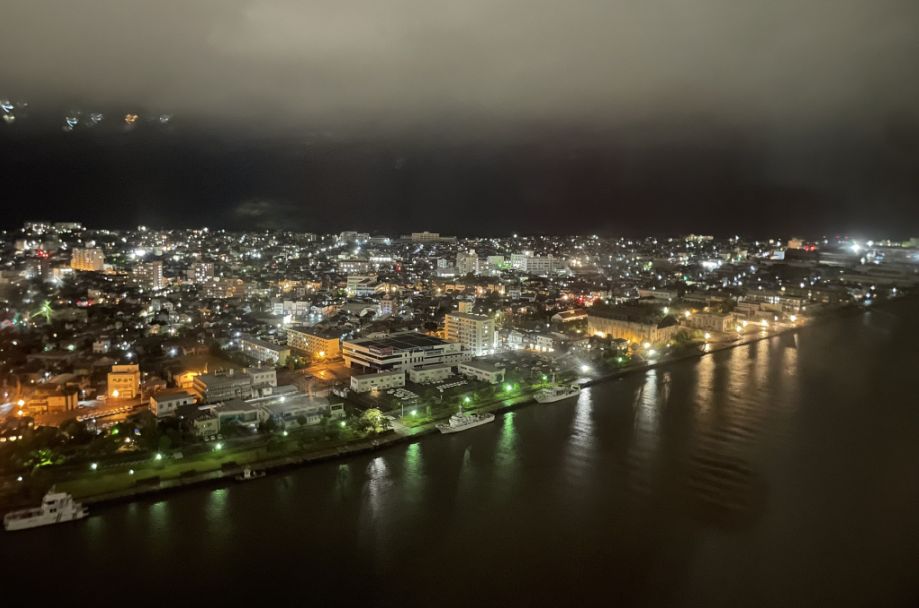
What an incredible way to end the day! Being on the 25th floor in Niigata gives a spectacular "birds-eye" perspective of the city's unique layout where the massive Shinano River meets the Sea of Japan.
NEXT... Day 2- Fish Market